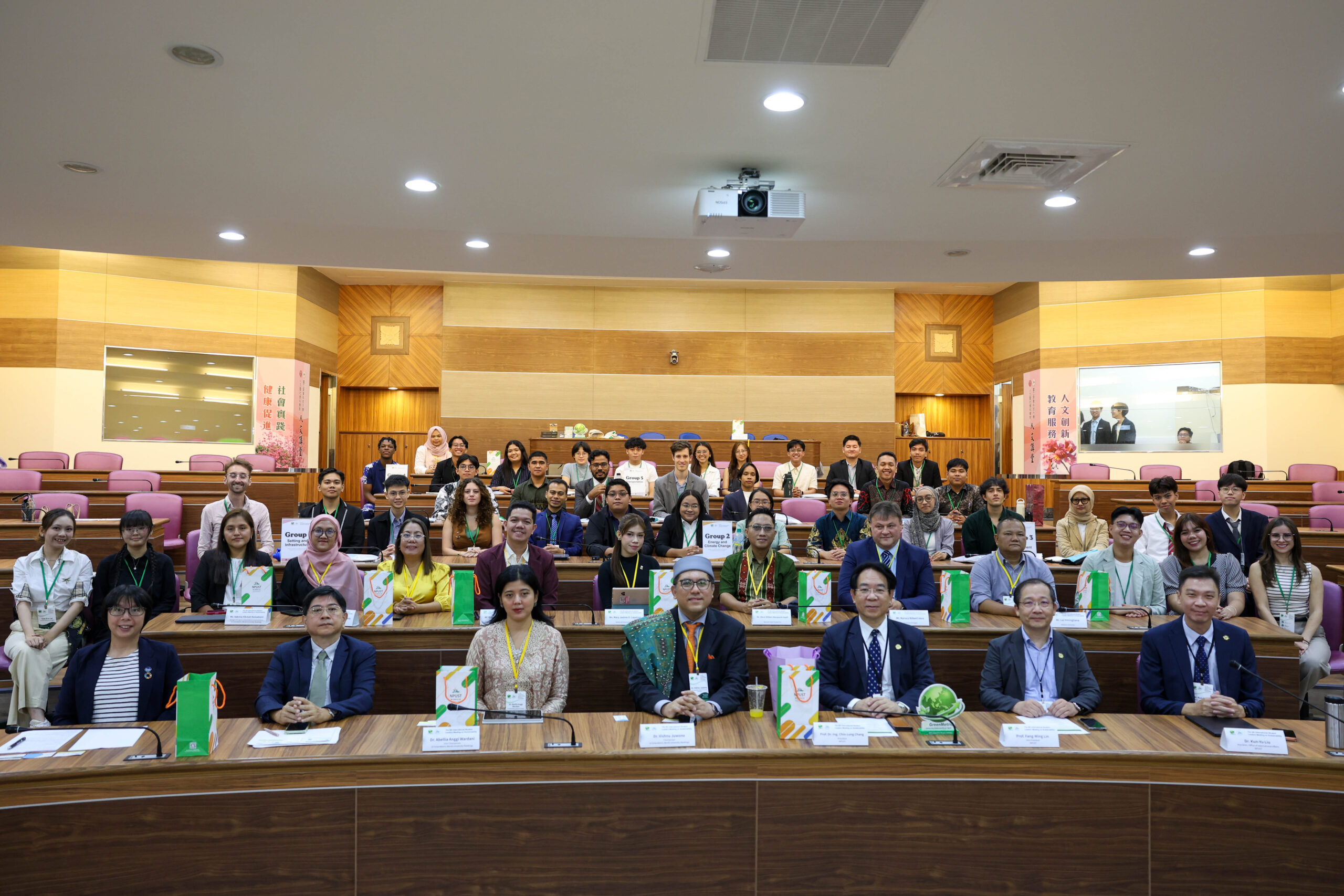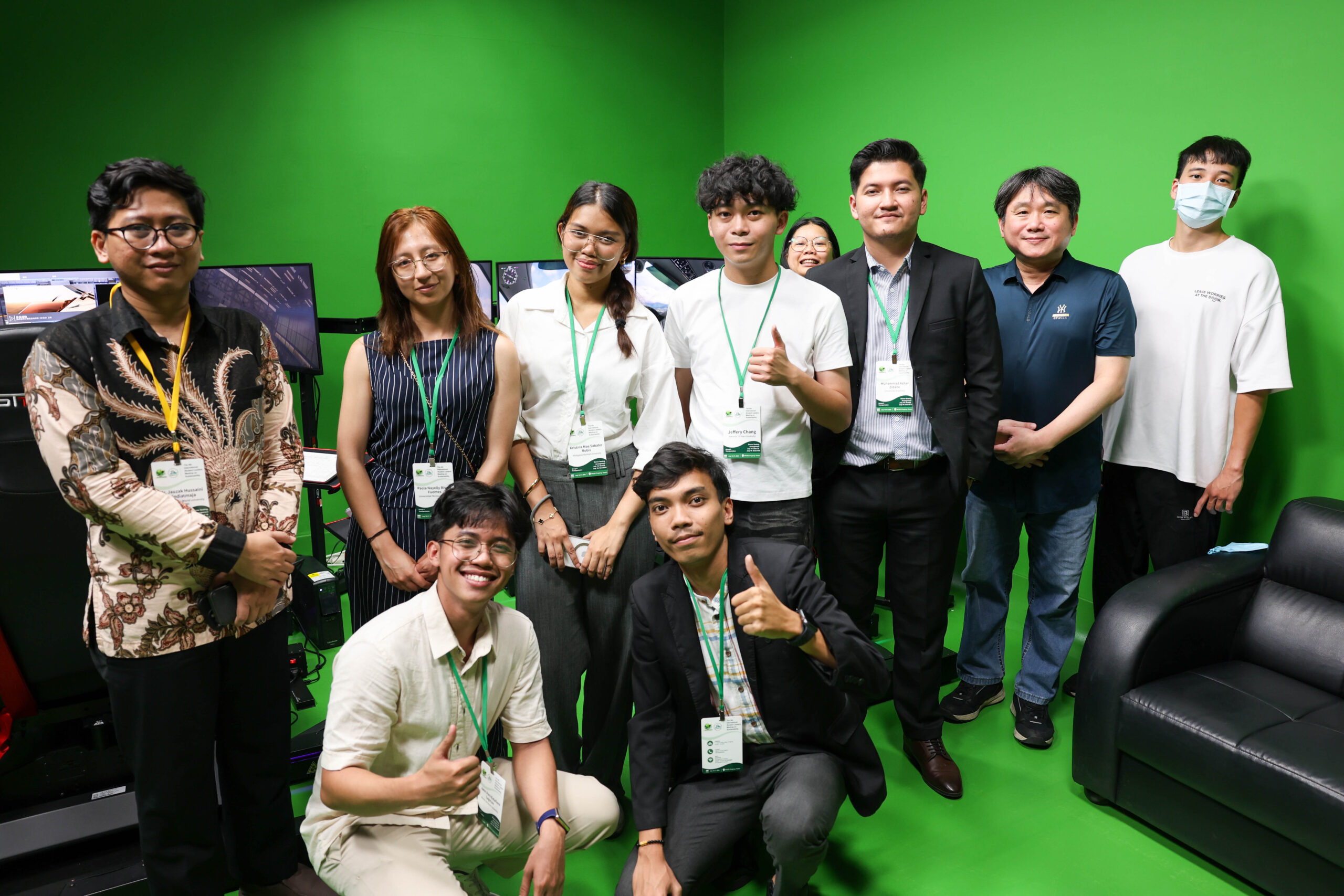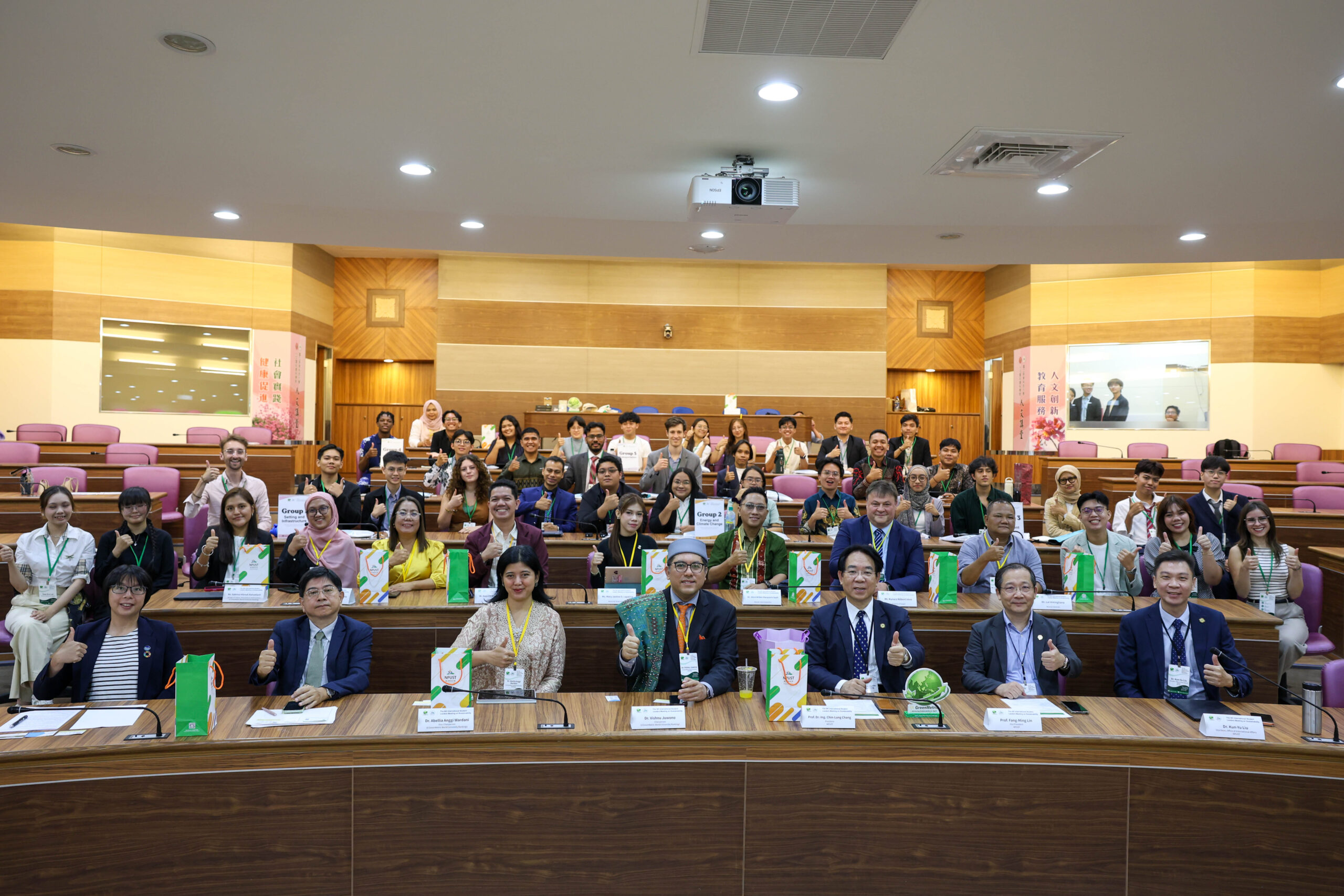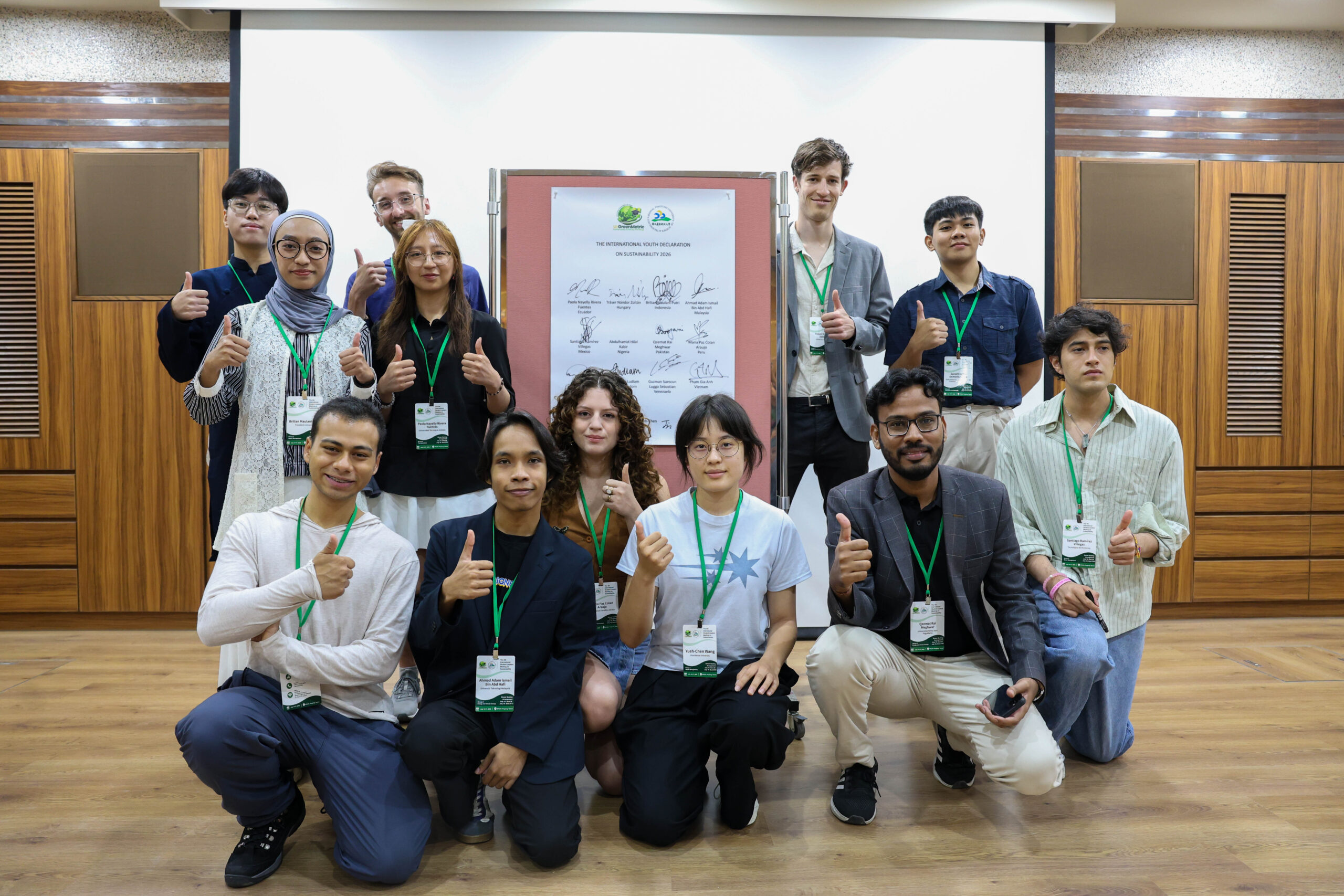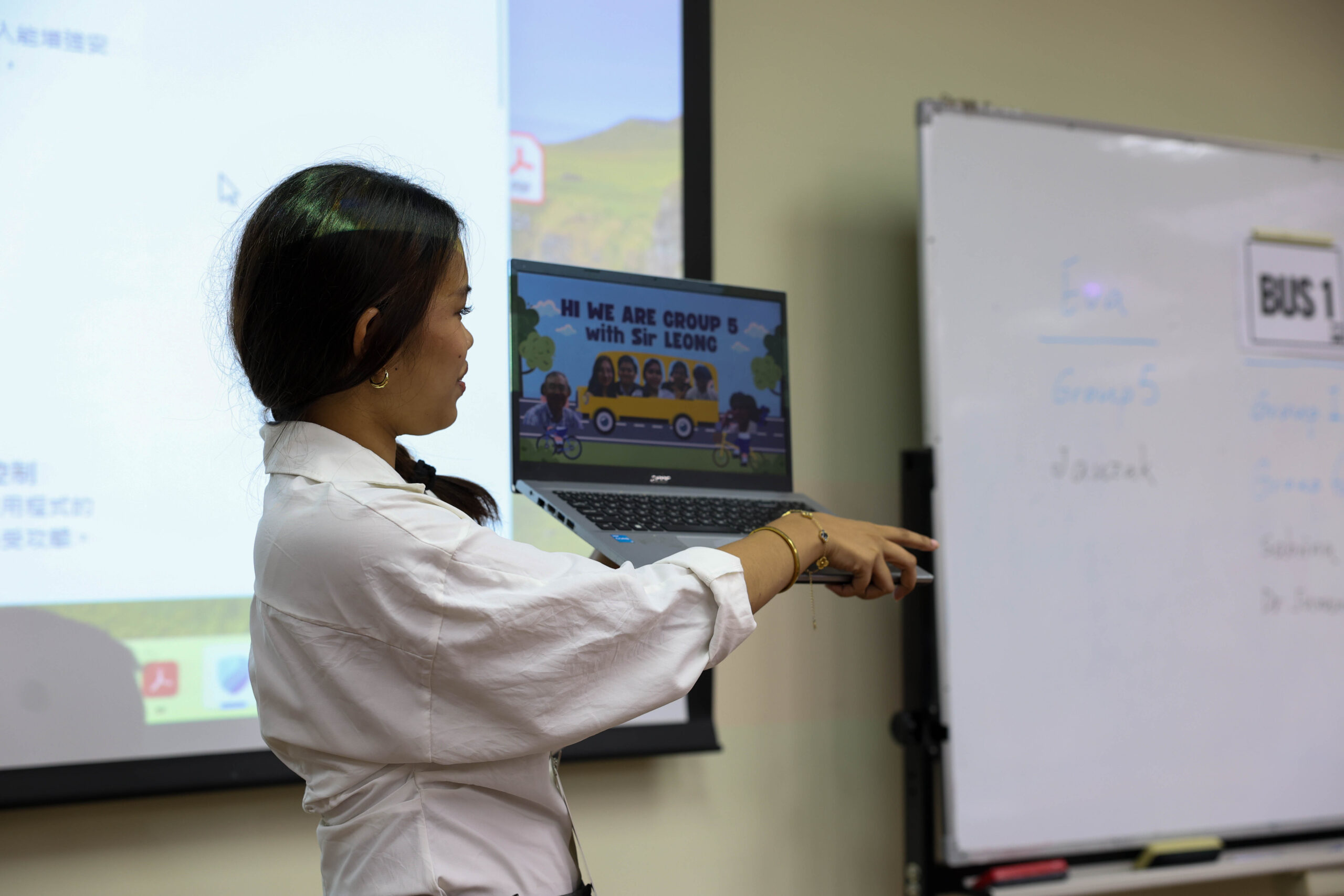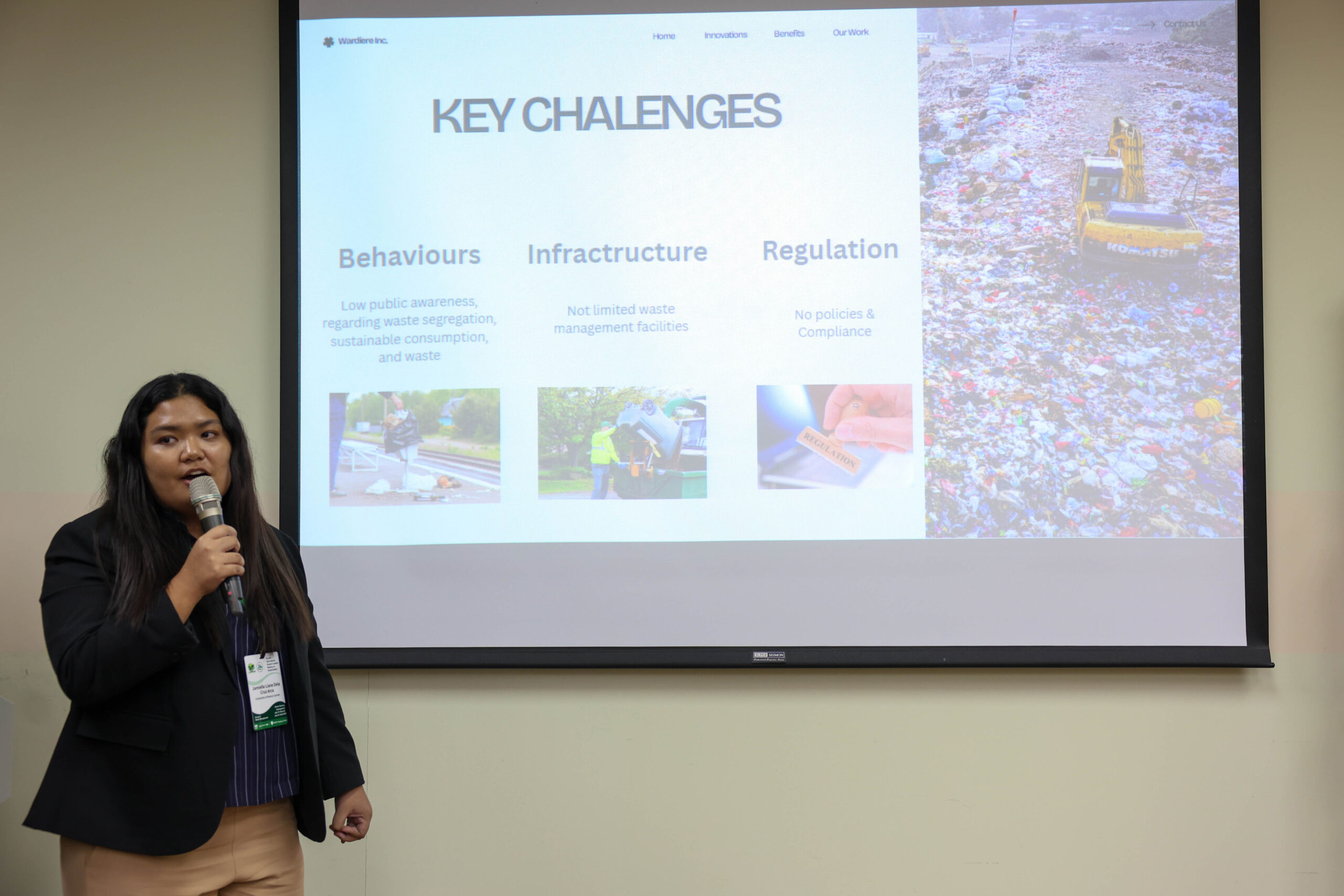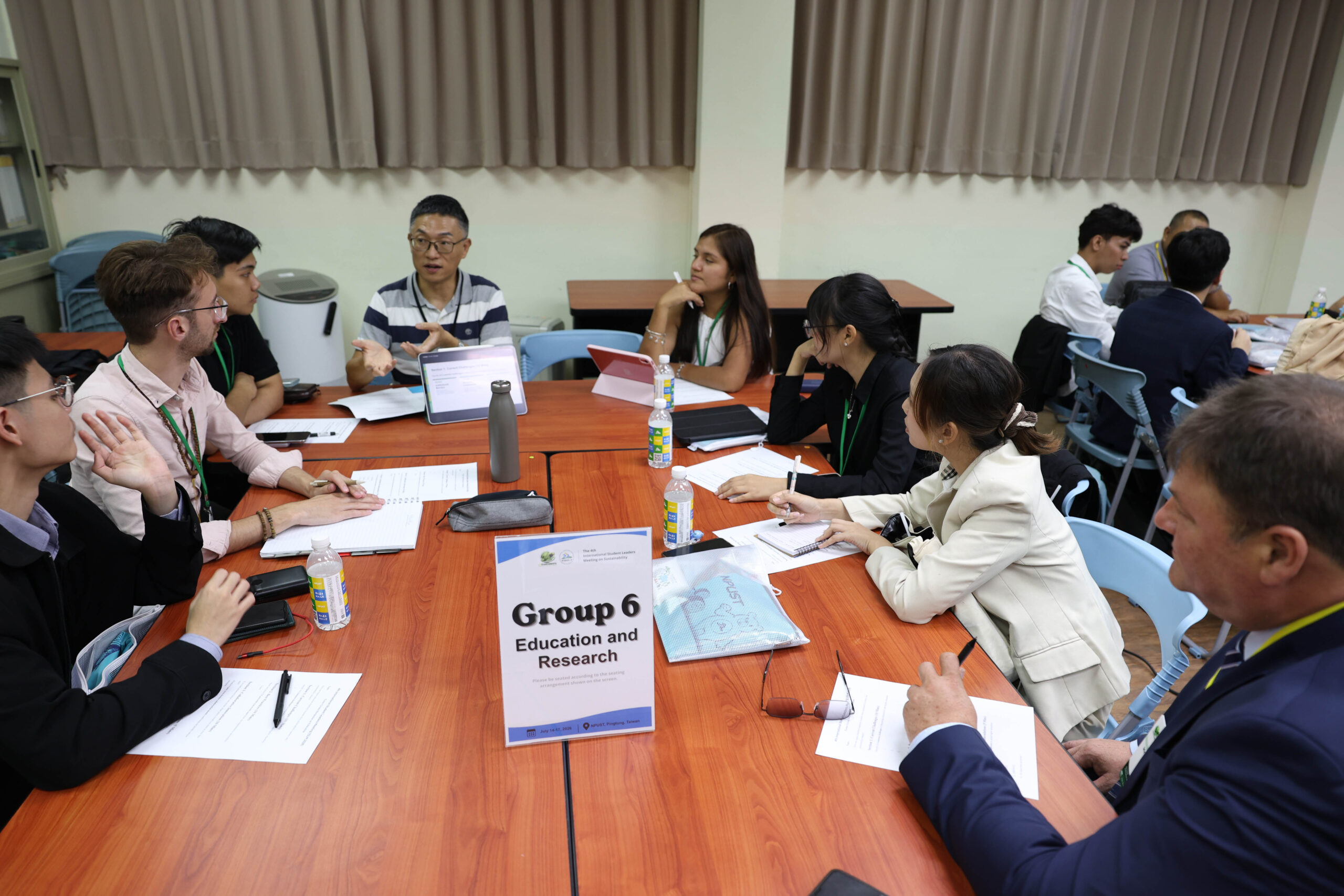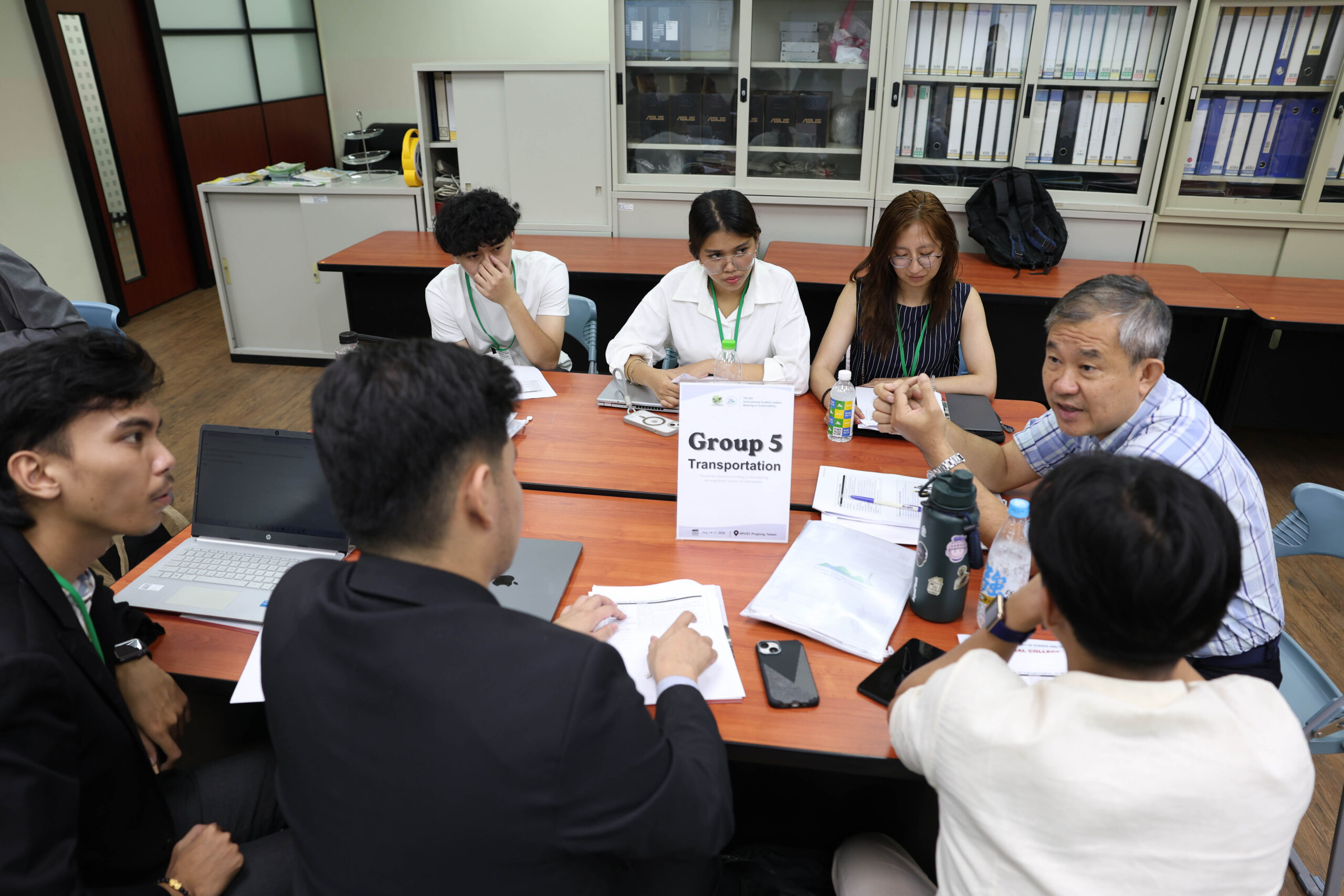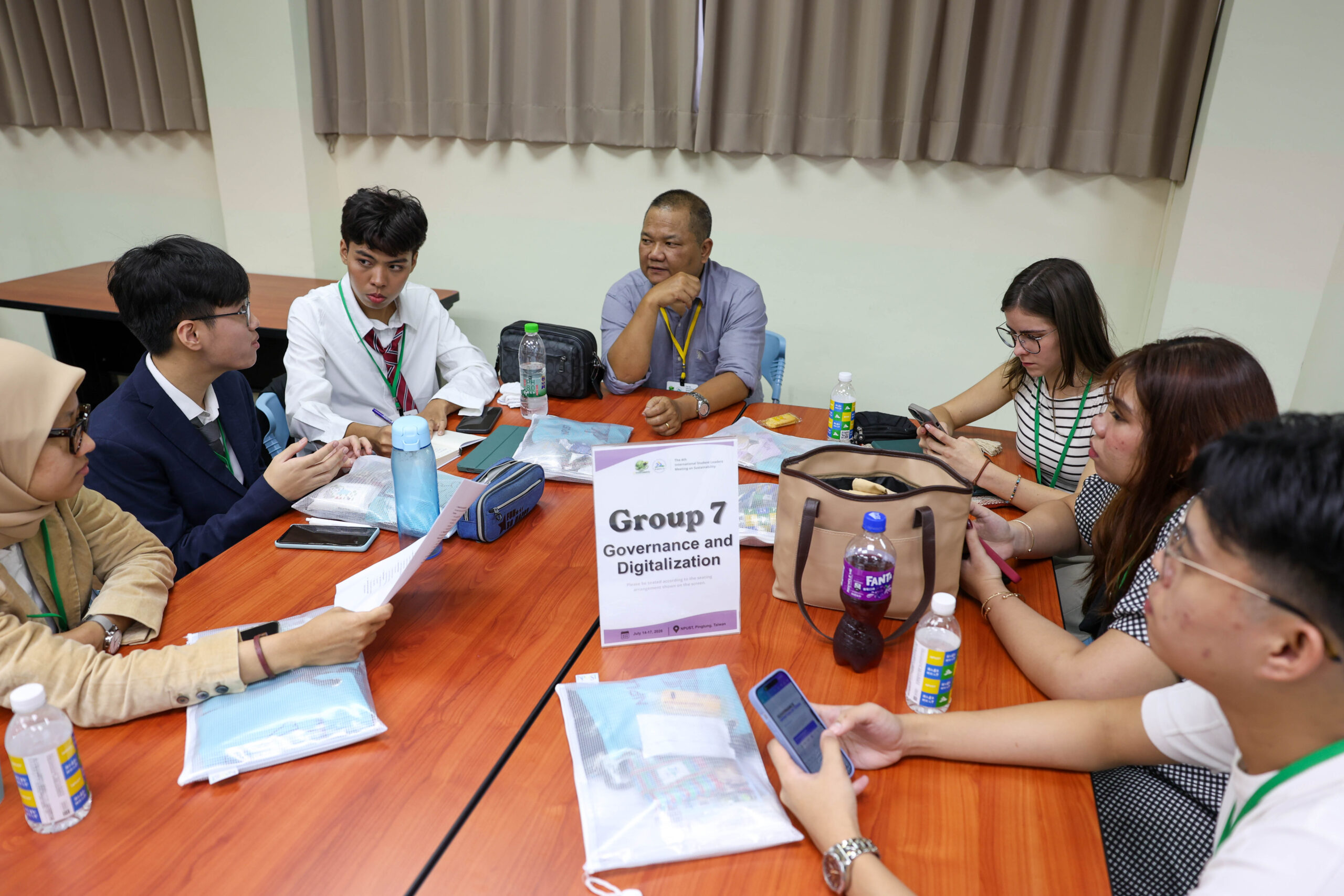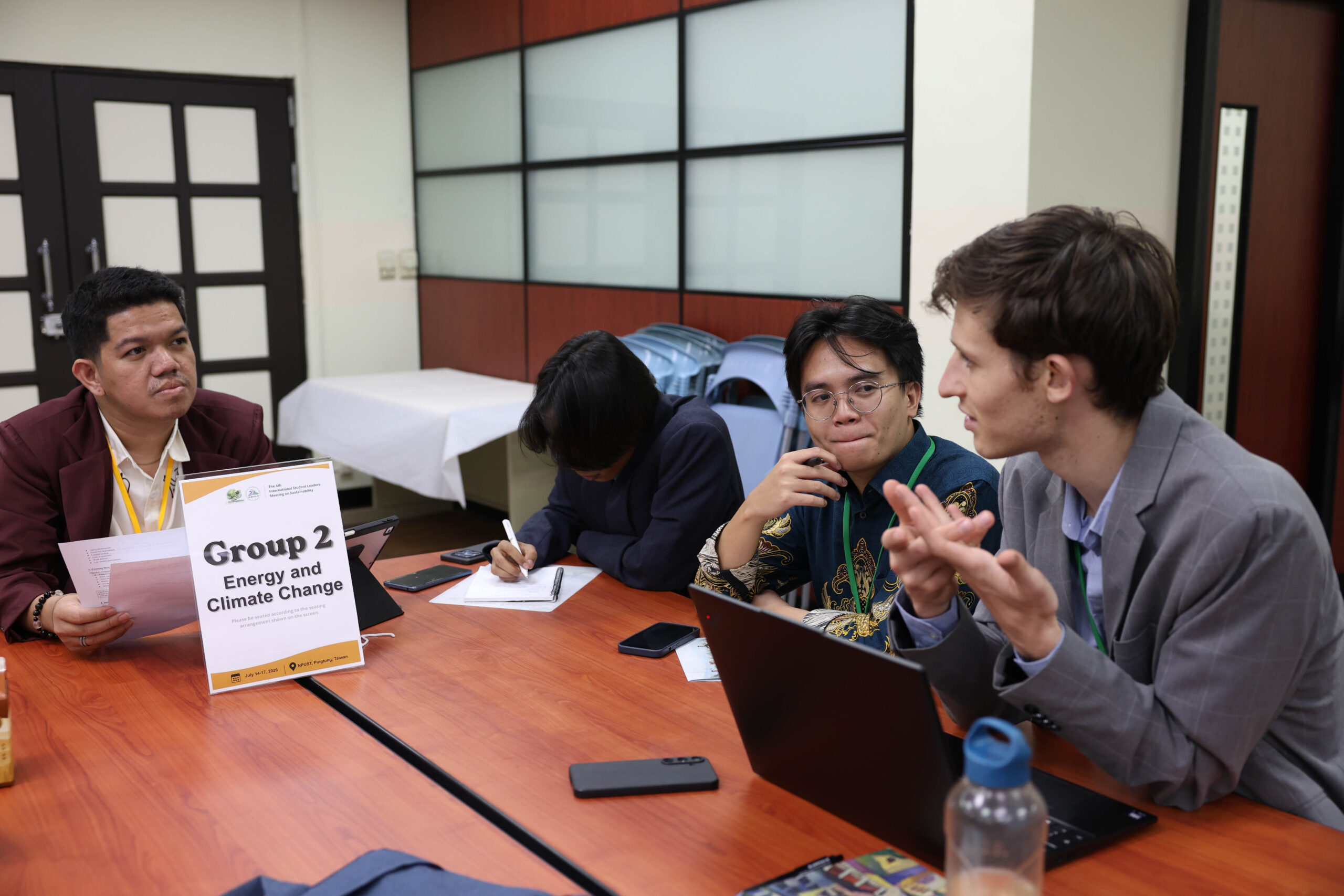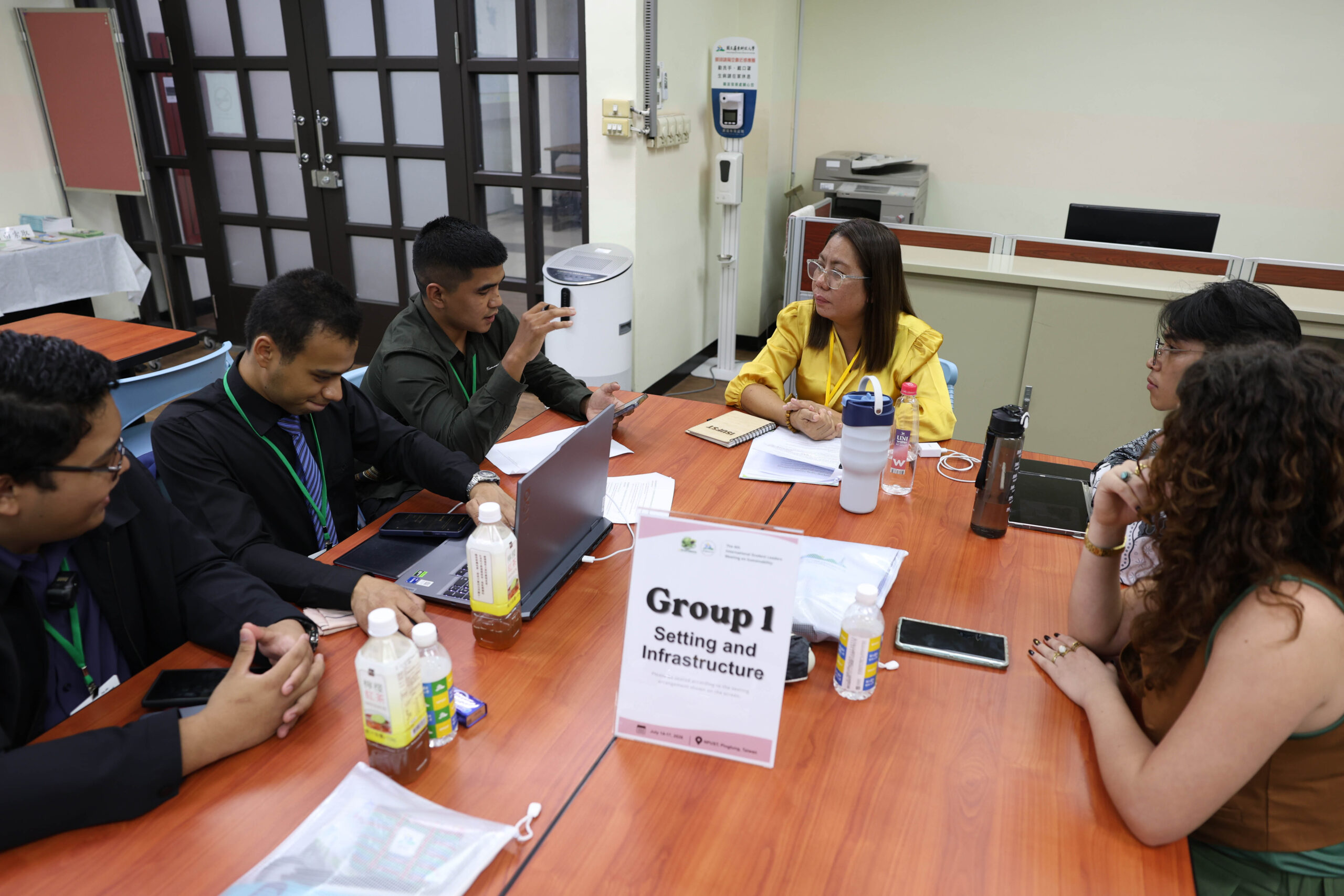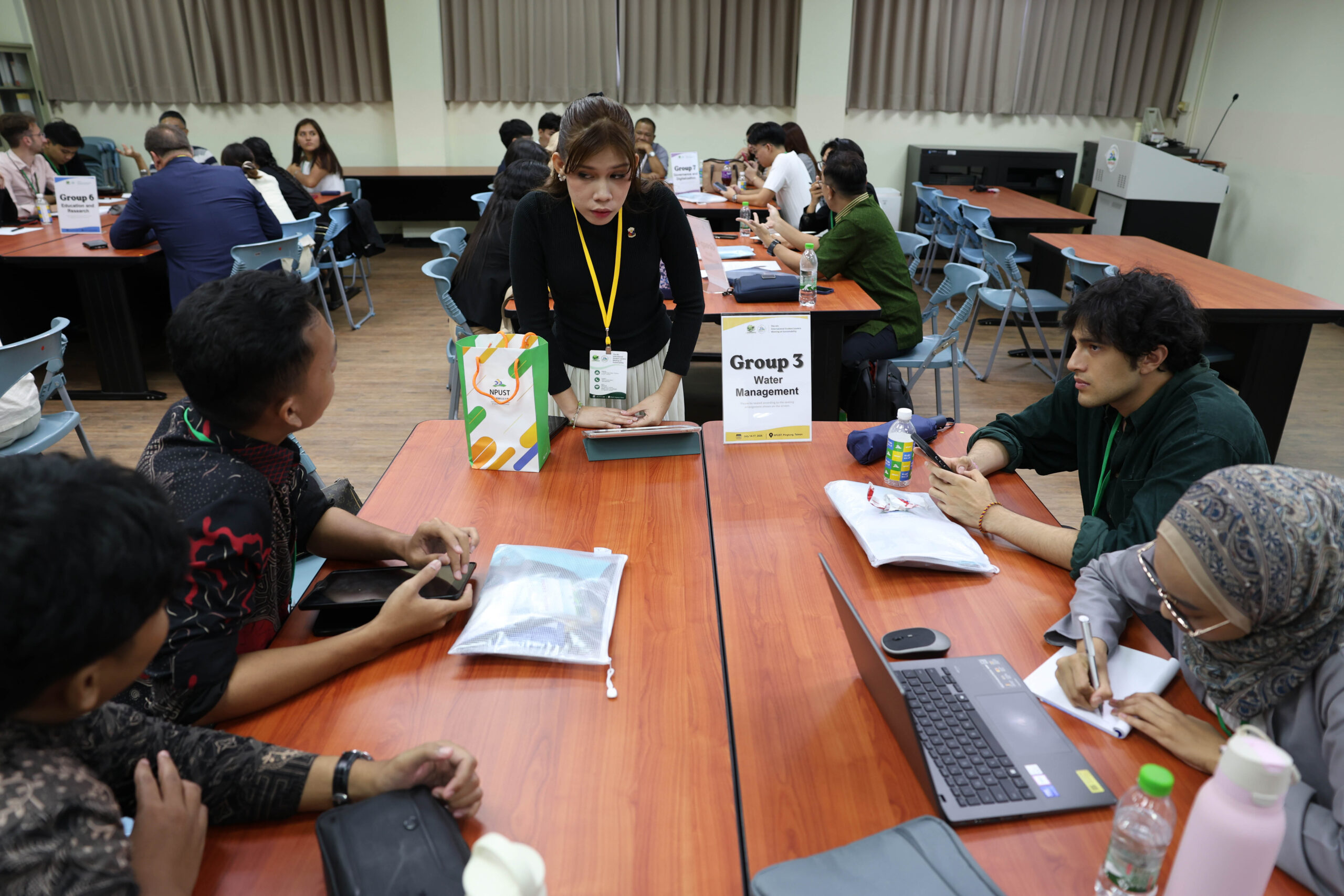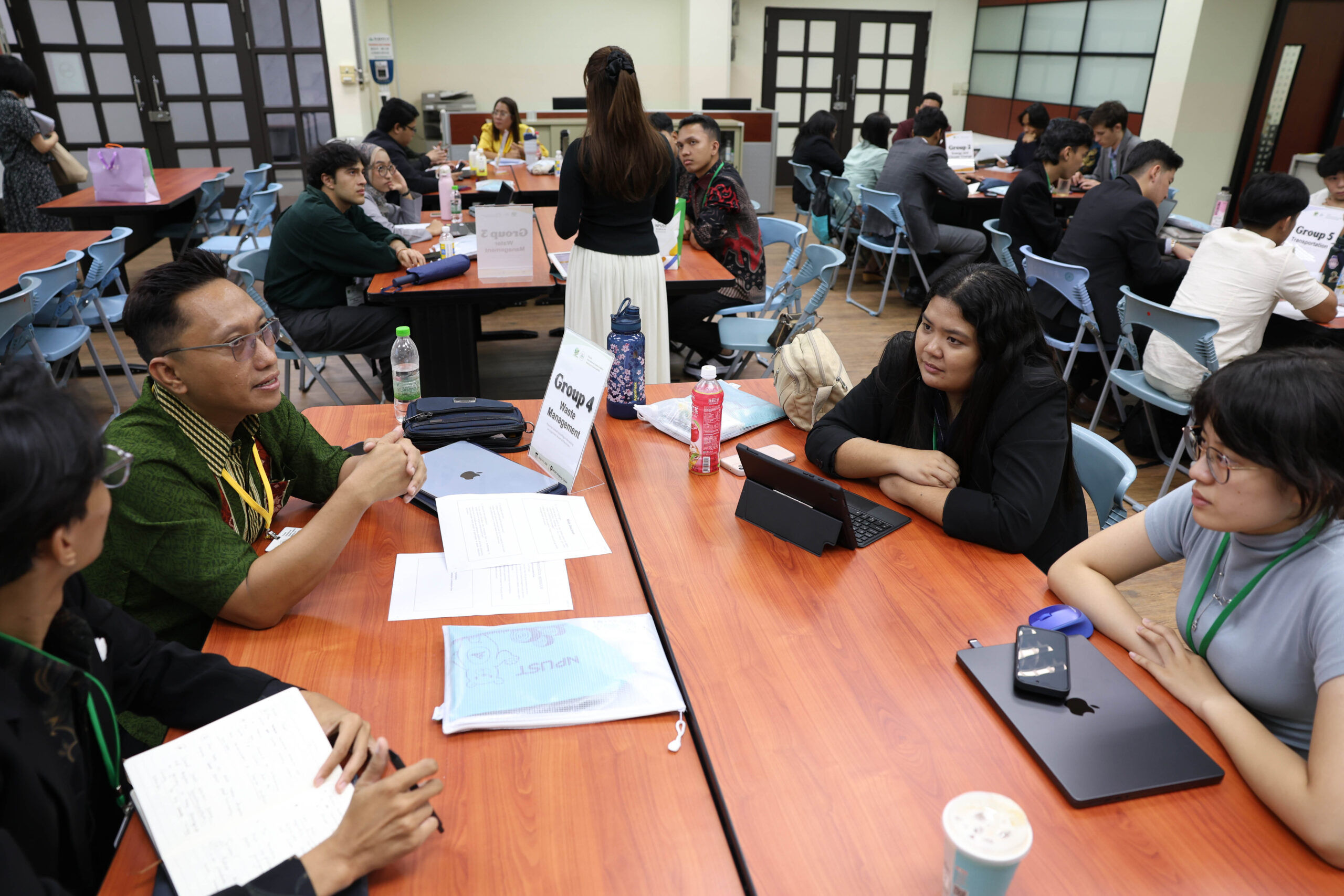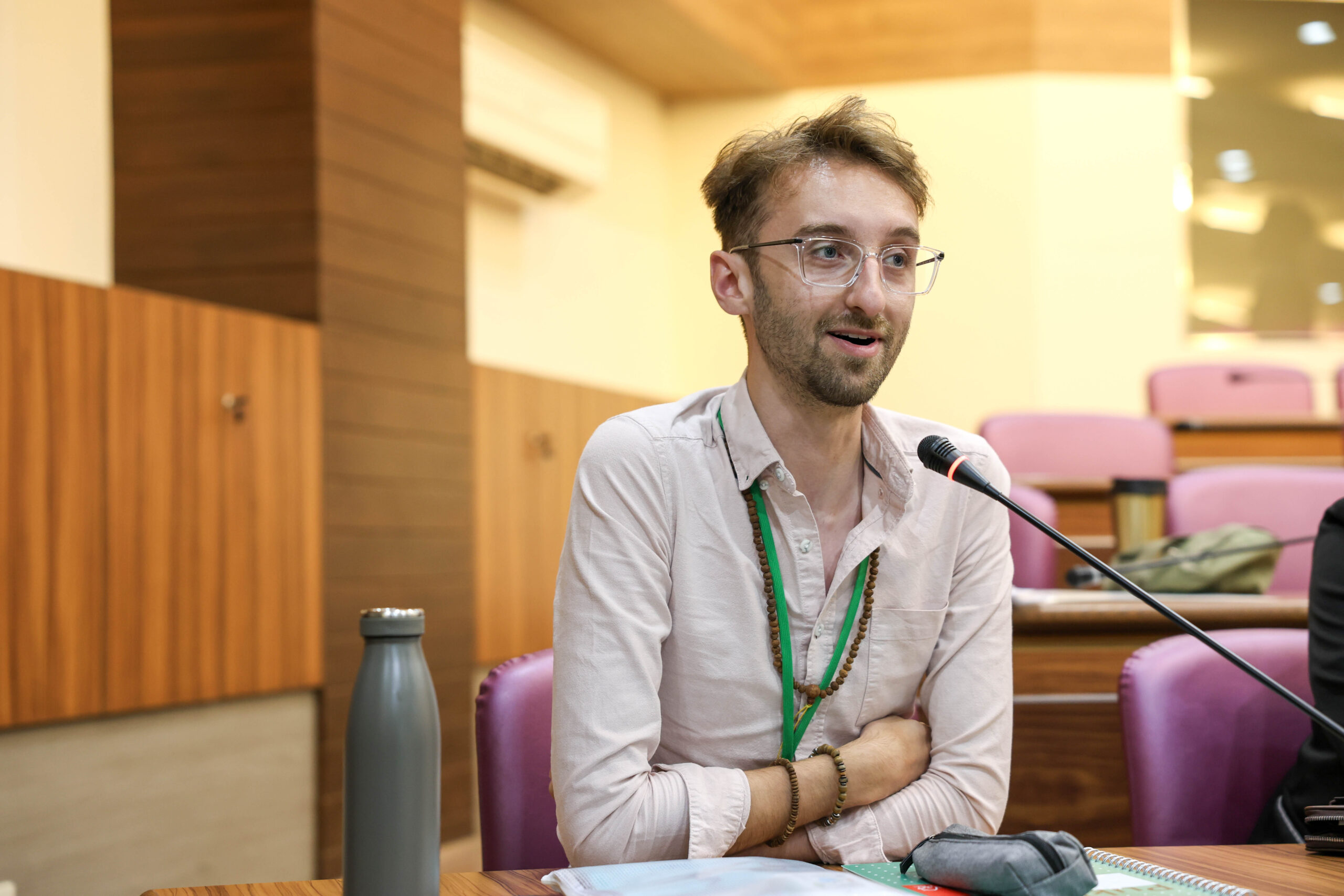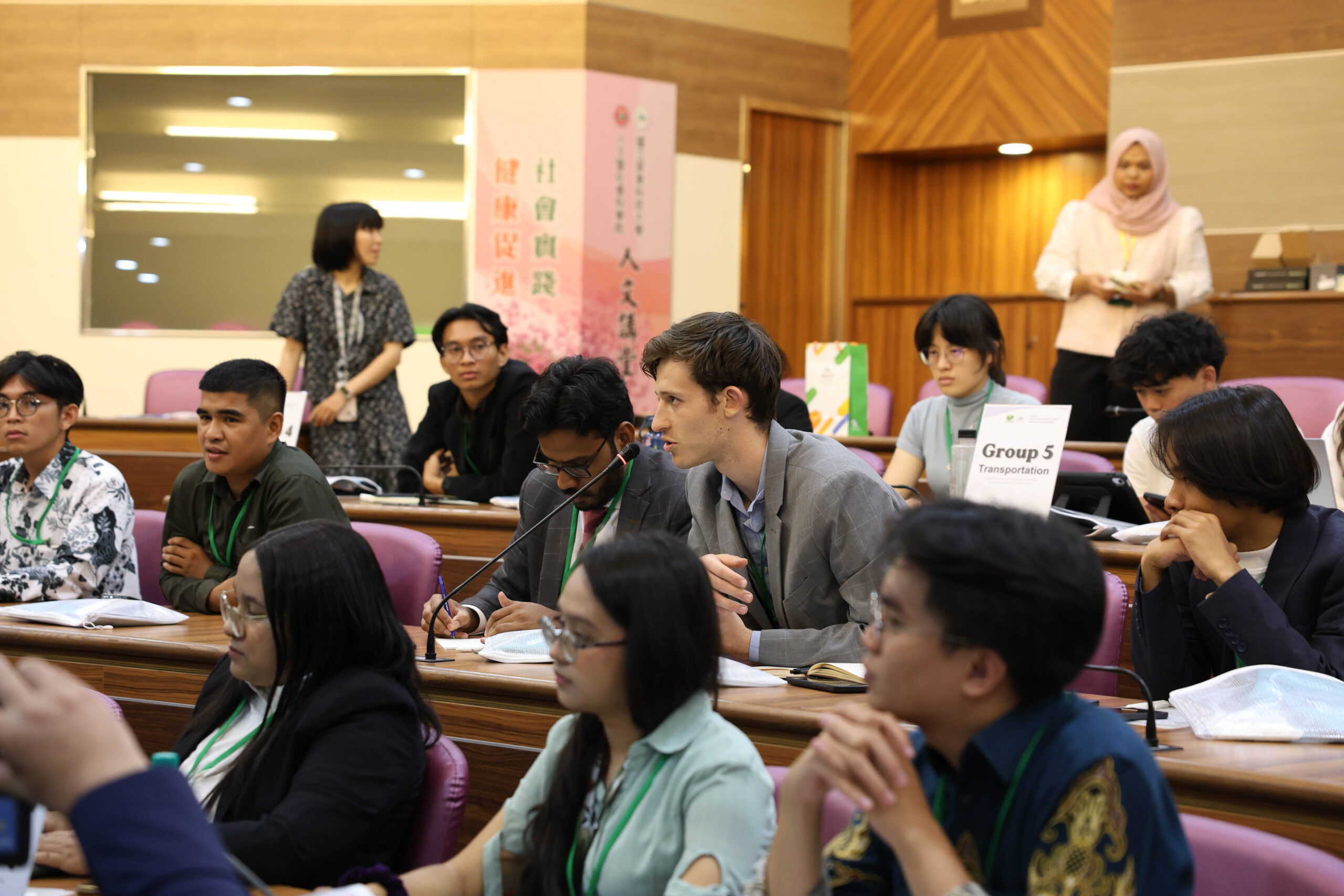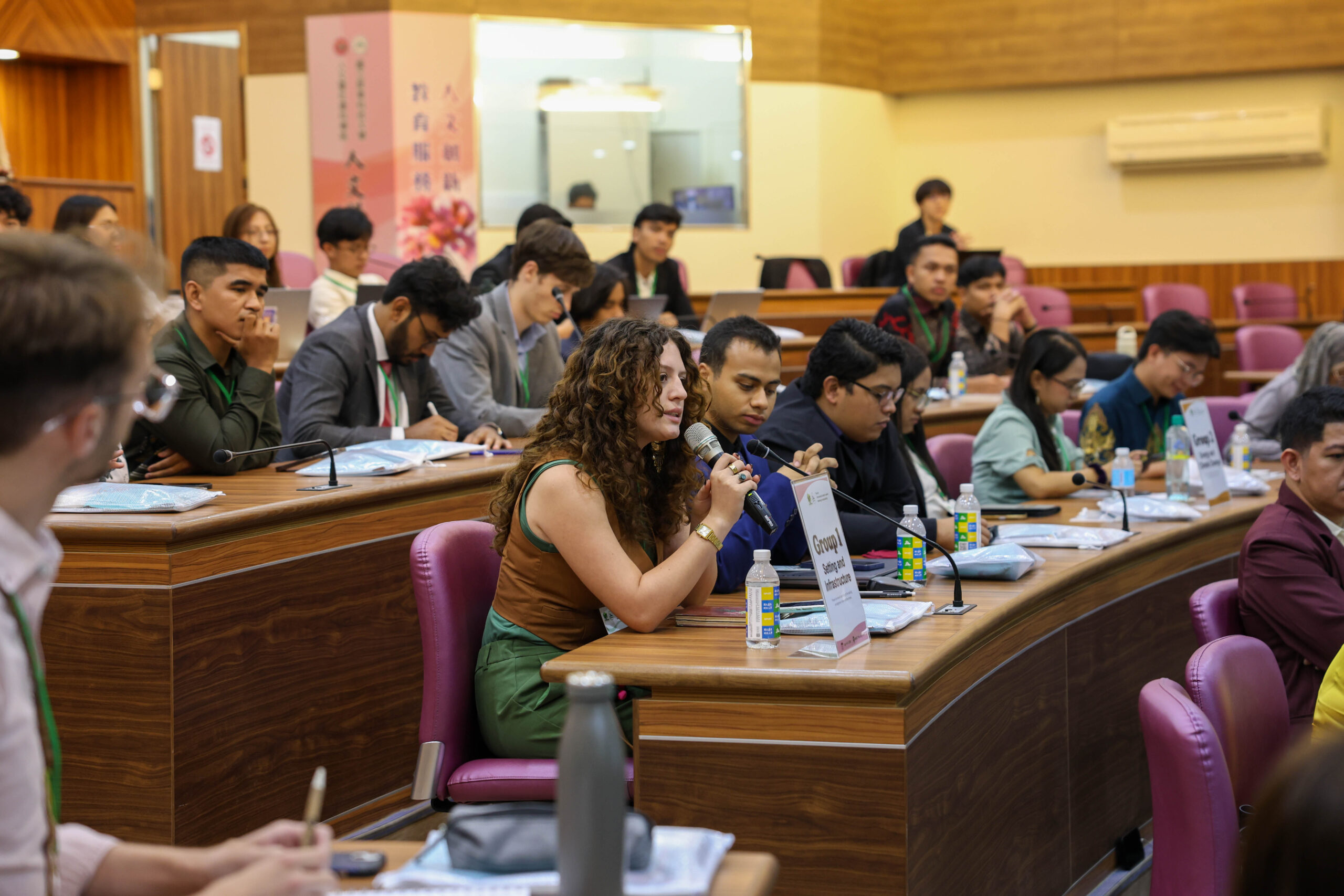
The 2026 International Sustainable Leadership and Management Summit (ISLMS 2026)—hosted by National Pingtung University of Science and Technology (NPUST)—kicked off on July 15. Bringing together 47 students and faculty from 32 universities and 13 countries, this vibrant gathering in Pingtung broke through geographical boundaries to champion the future of youth leadership and sustainable development.
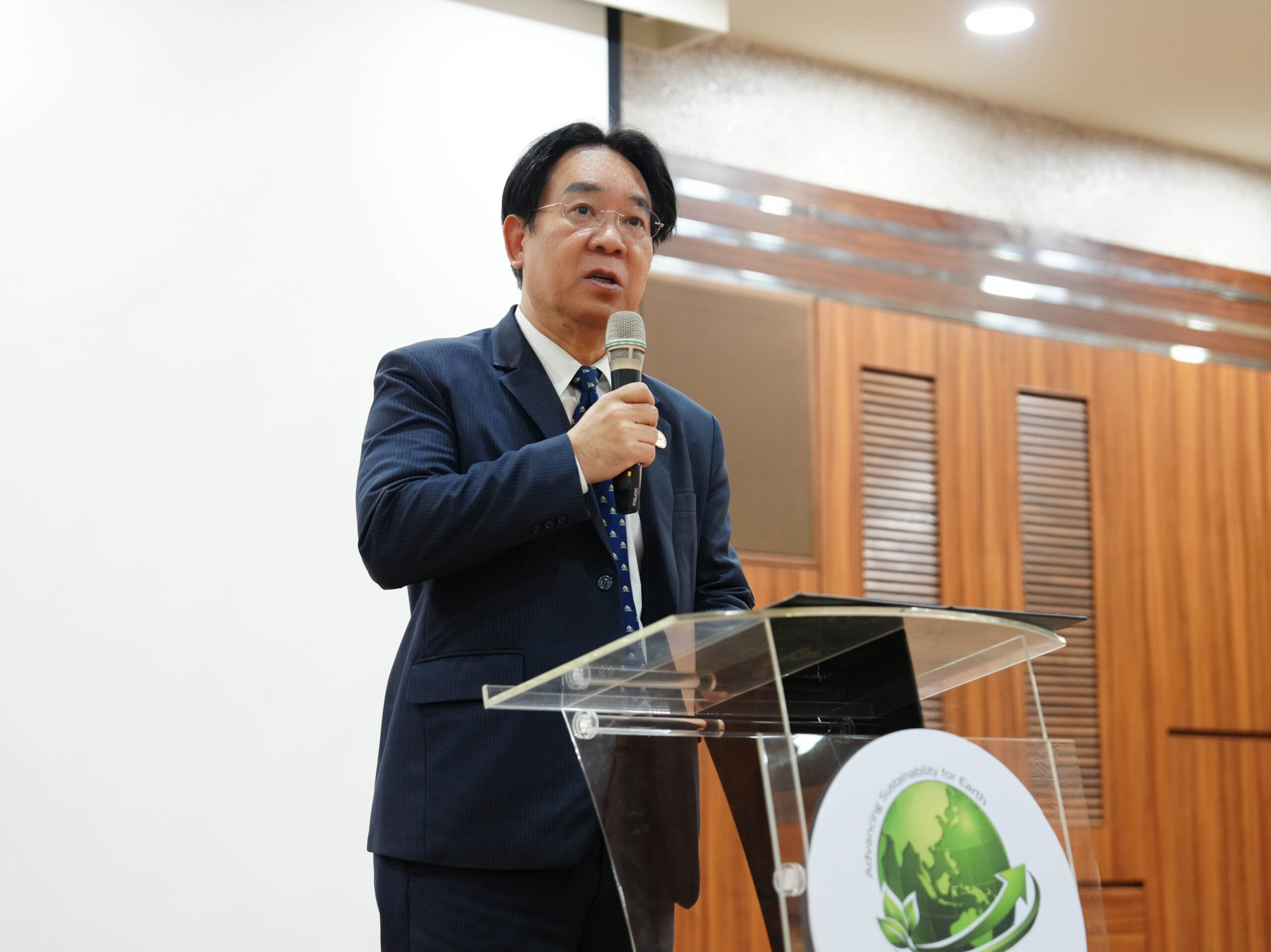
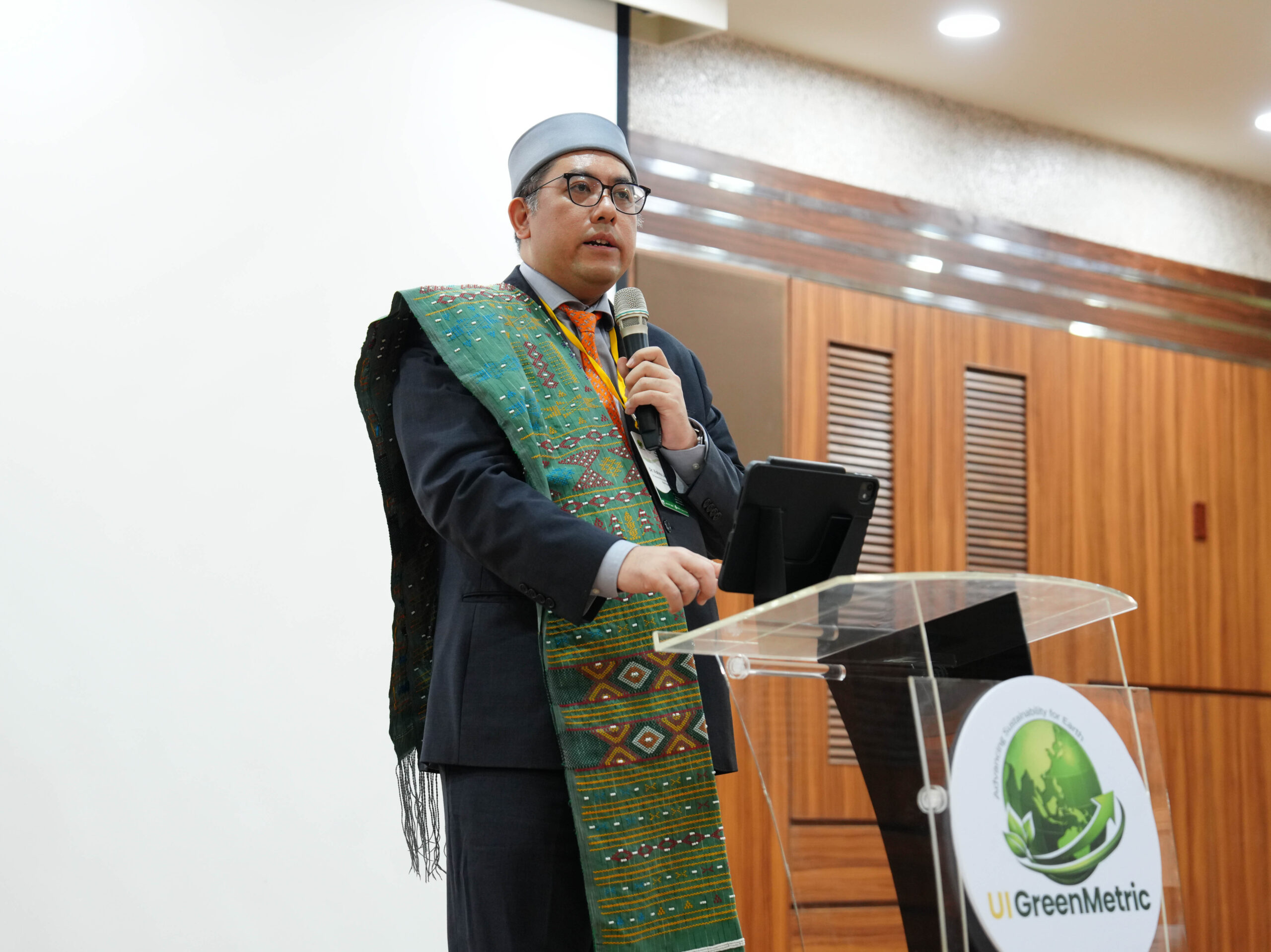
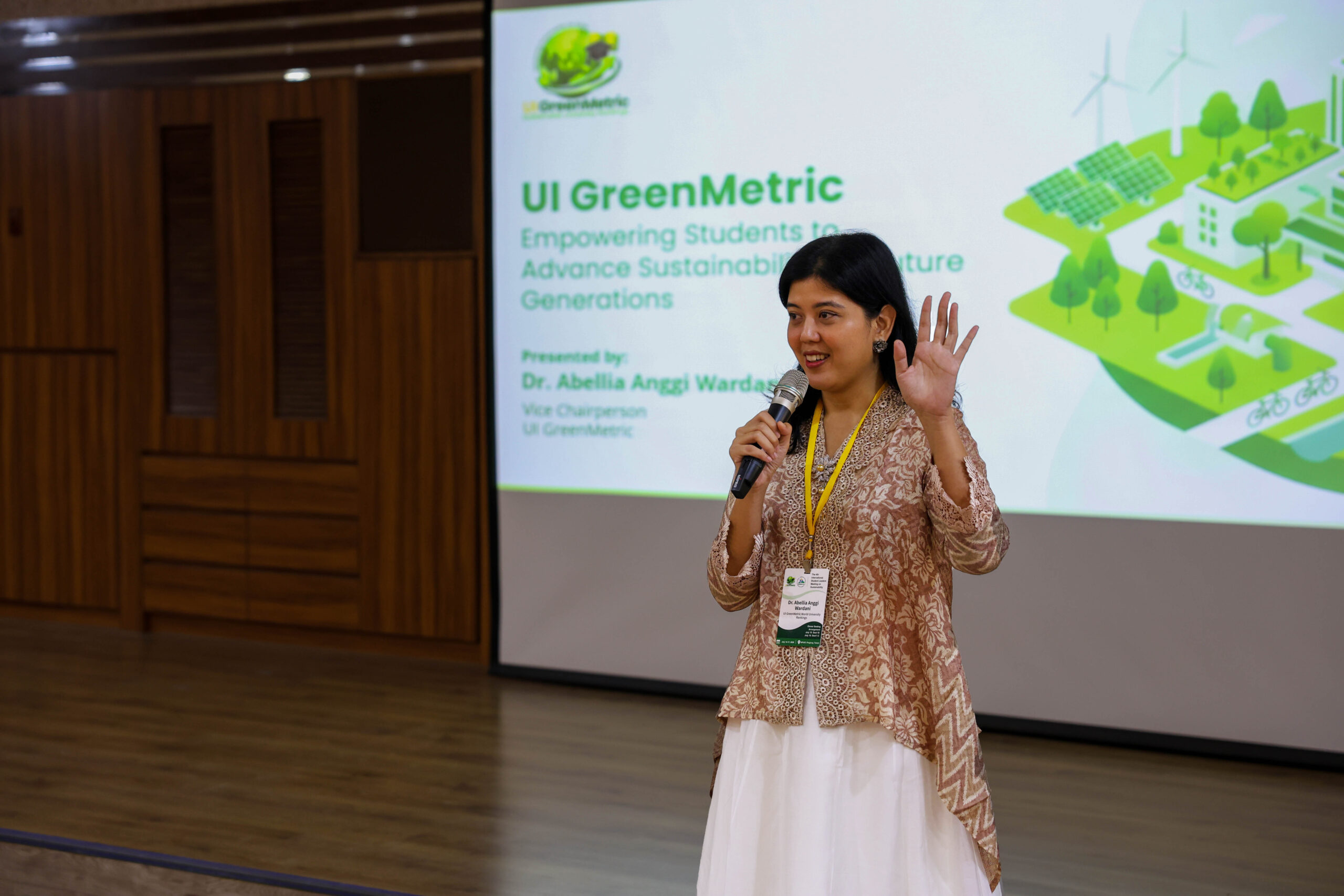
At the opening ceremony, NPUST President Chin-Lung Chang warmly welcomed the faculty and students from around the world. Their enthusiastic participation demonstrated the global youth’s high level of attention toward sustainability issues and symbolized a shared determination and action-oriented drive to move toward a sustainable future through transnational cooperation and knowledge exchange. Special appreciation was also extended to UI GreenMetric World University Rankings for its long-term dedication to promoting global higher education sustainability. By connecting universities worldwide through an international platform, GreenMetric is fostering exchange, collaboration, and mutual growth, and continually expanding the influence of global sustainability education.
As a higher education institution dedicated to long-term sustainable development, NPUST has actively invested in environmental protection, wildlife conservation, and green campus construction over the years. The campus houses a wild animal rescue center and continues to promote multiple initiatives such as water resource recycling, wastewater treatment, energy management, and net-zero sustainability, integrating sustainable concepts into everyday campus operations, teaching, and research.
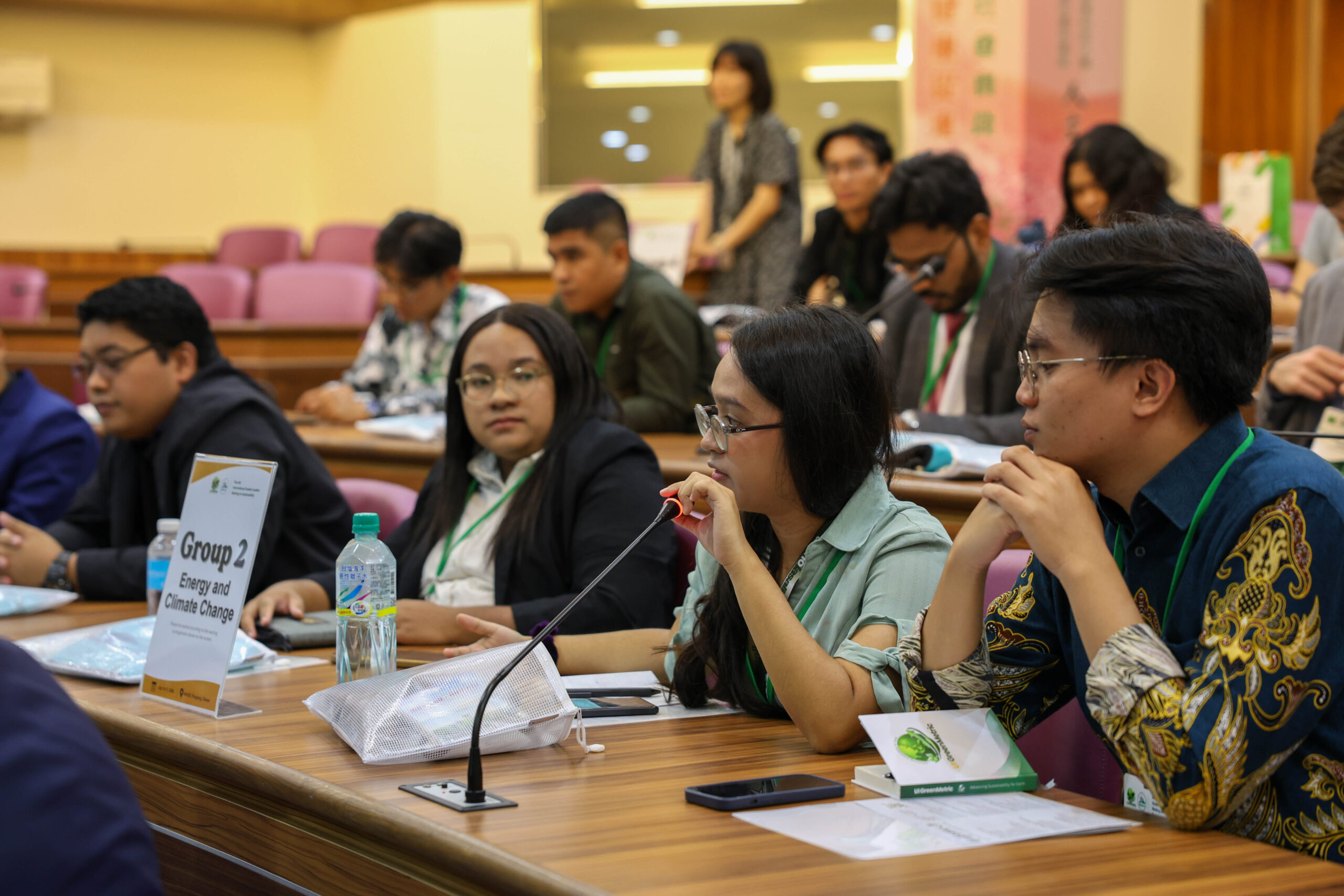
This year’s (2026) camp centered around the theme, “Global Youth Leadership for Sustainable Campuses: Driving Innovation, Collaboration, and Digital Action,” focusing on how global youth can jointly confront global challenges—such as climate change, biodiversity conservation, resource management, and digital transformation—through innovative thinking, cross-disciplinary collaboration, and digital technology. Sustainable development not only requires innovative technologies but also healthy transnational cooperation—and youth represent a vital force for driving change.
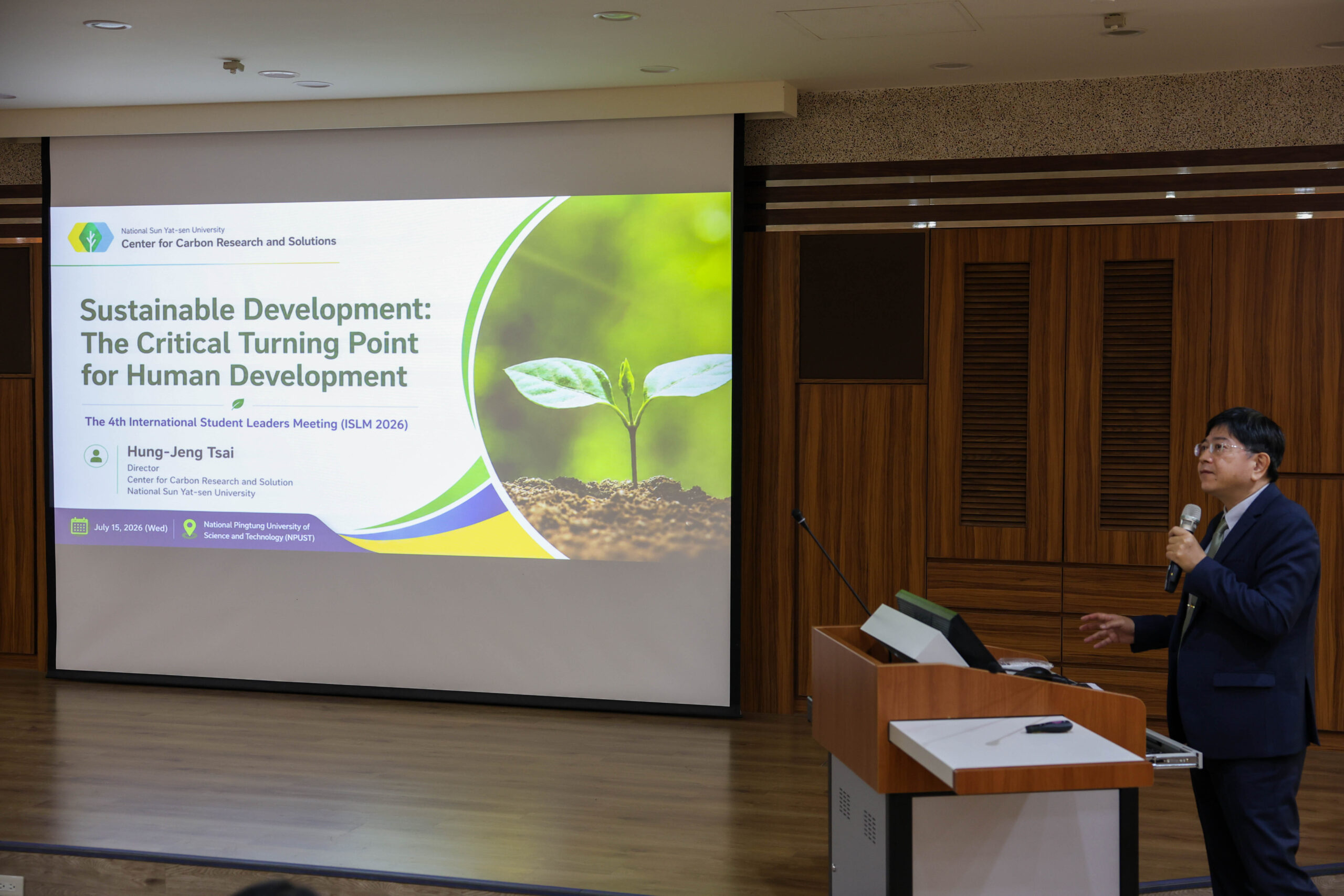
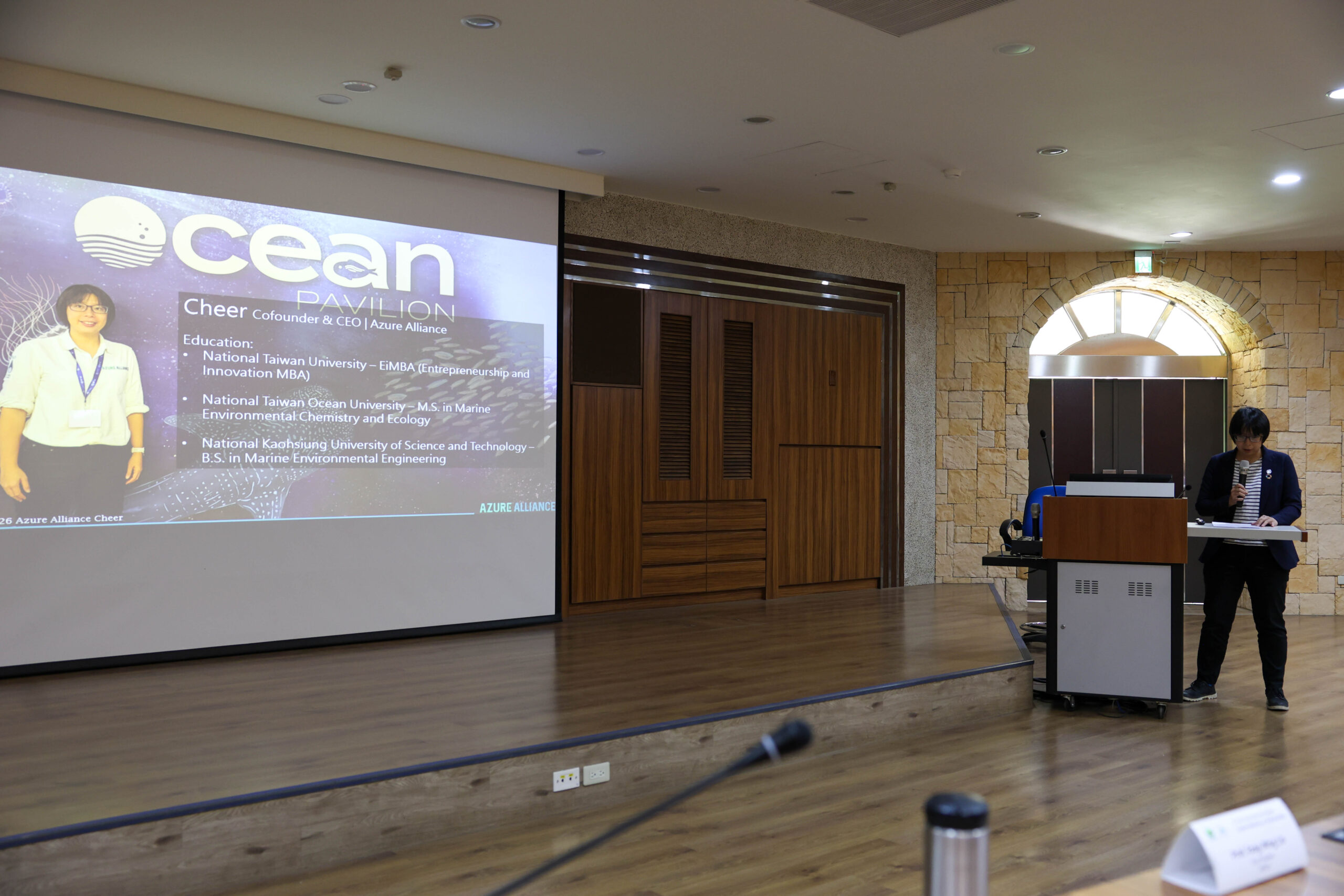
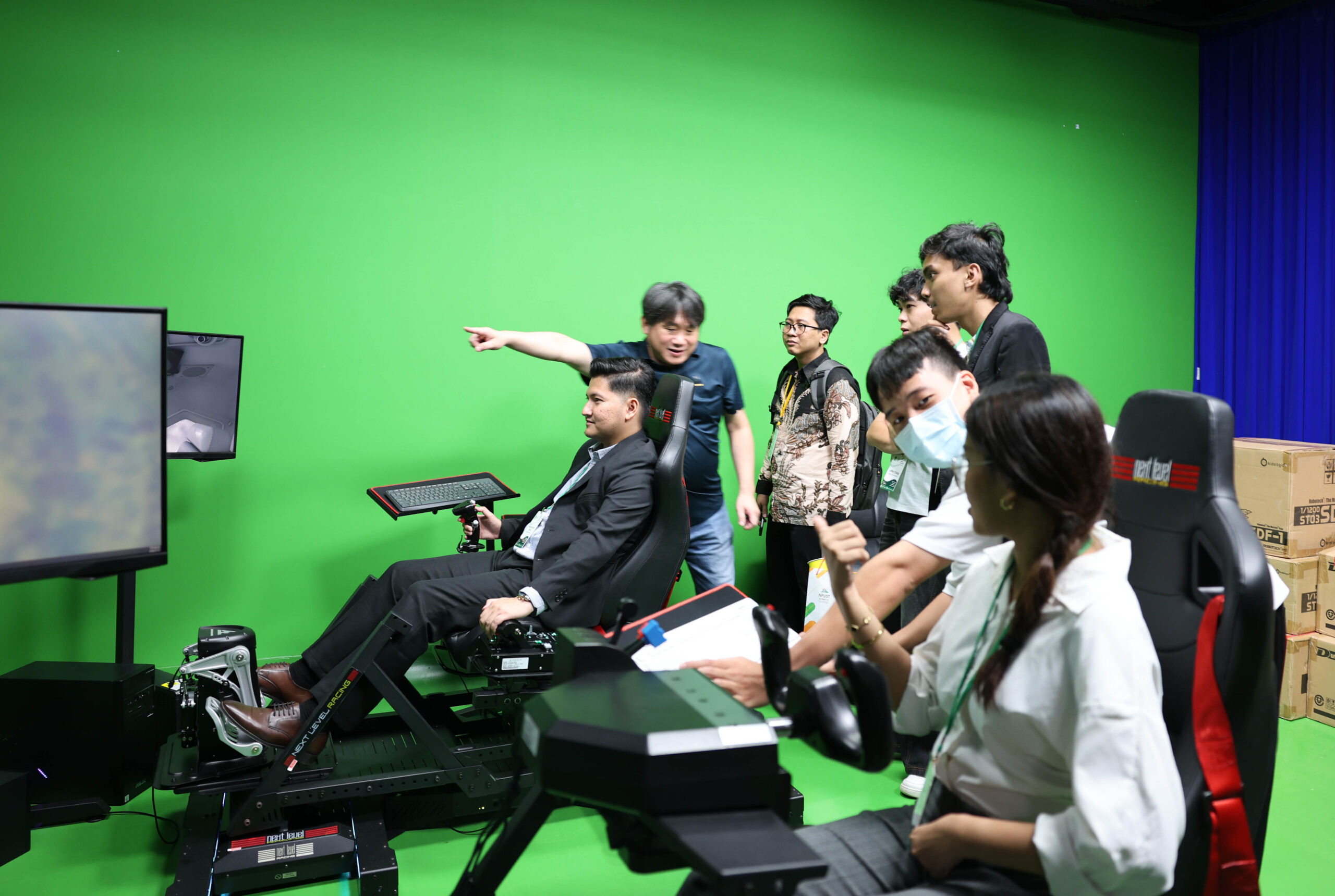
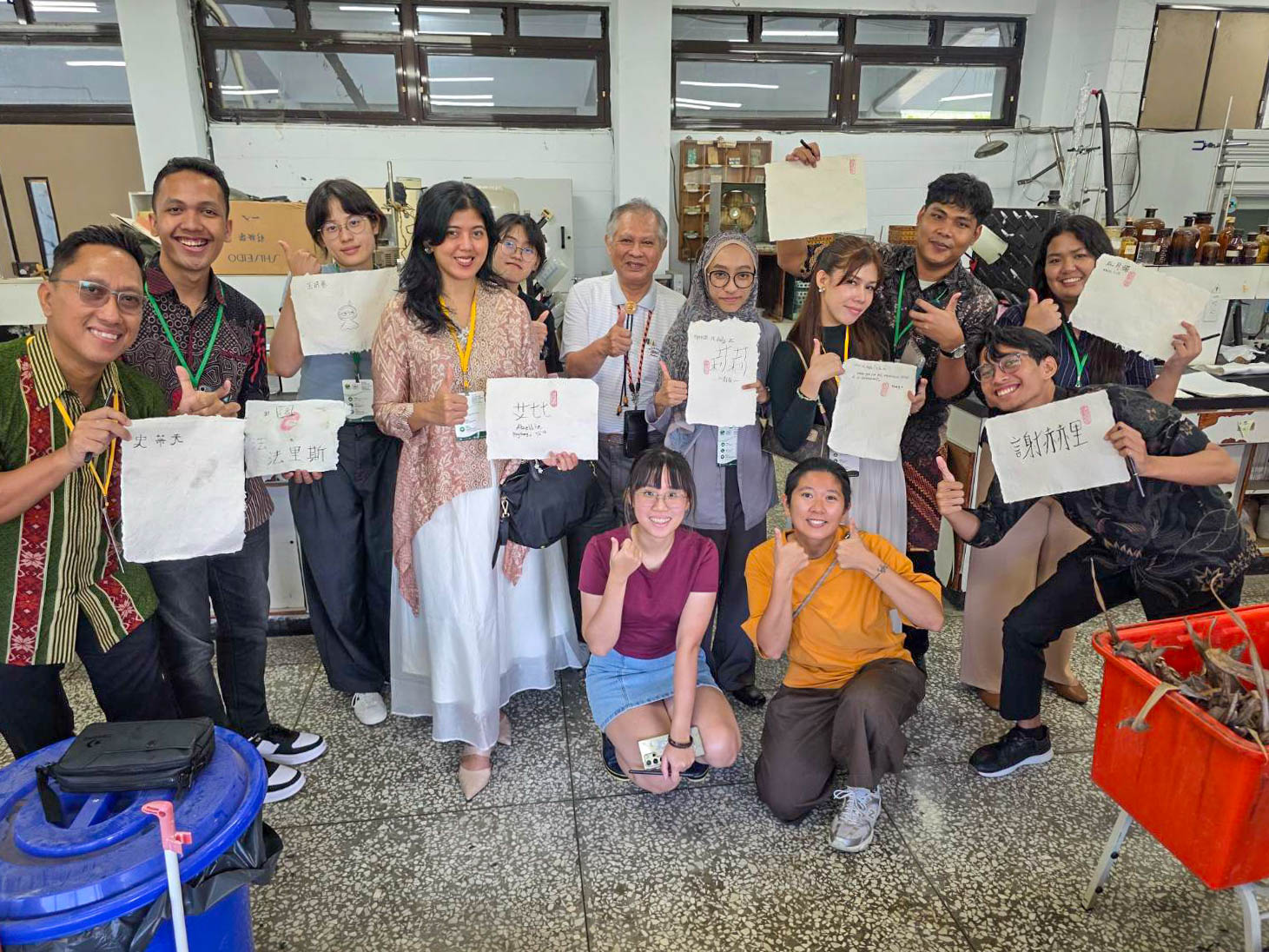
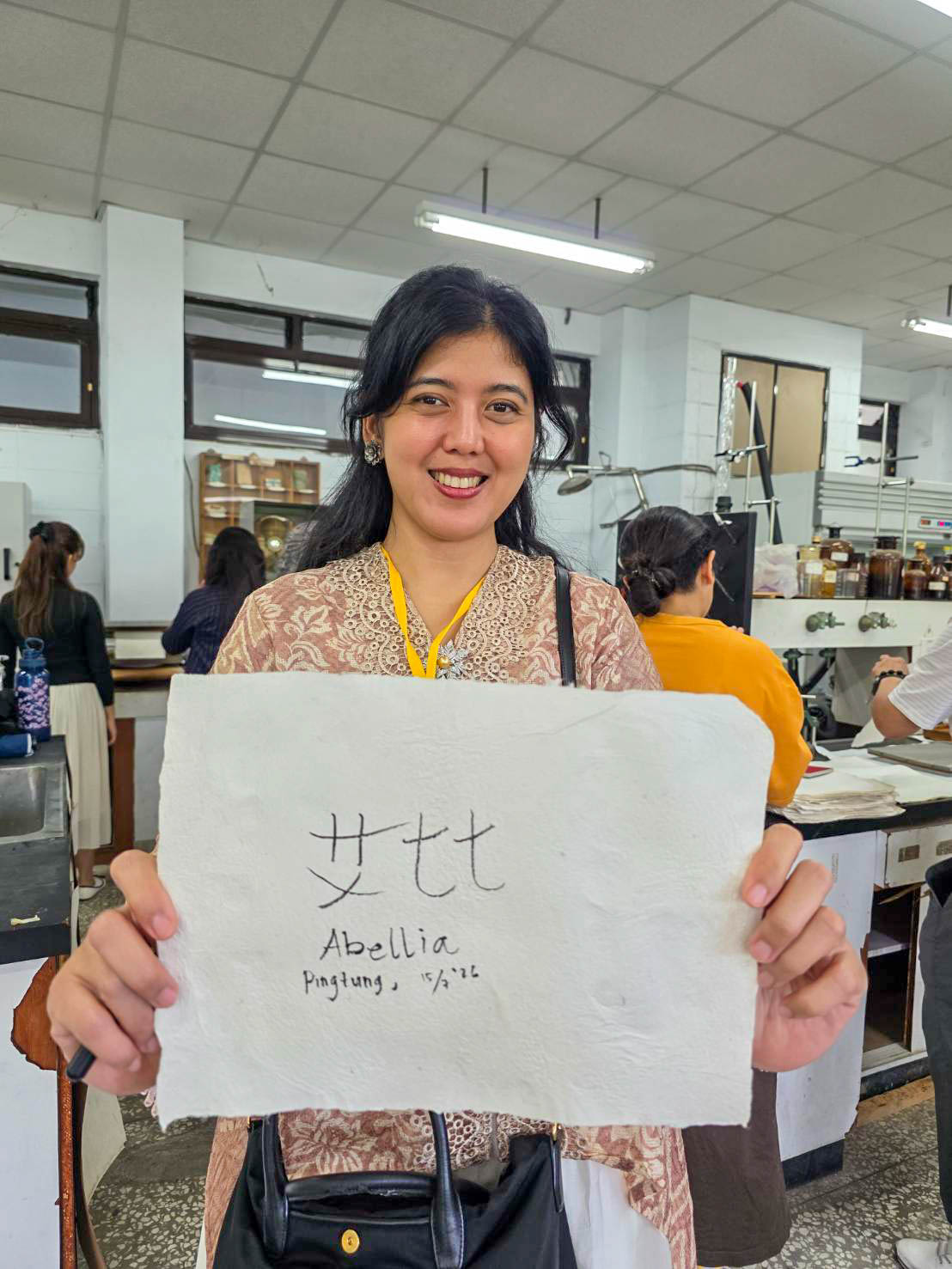
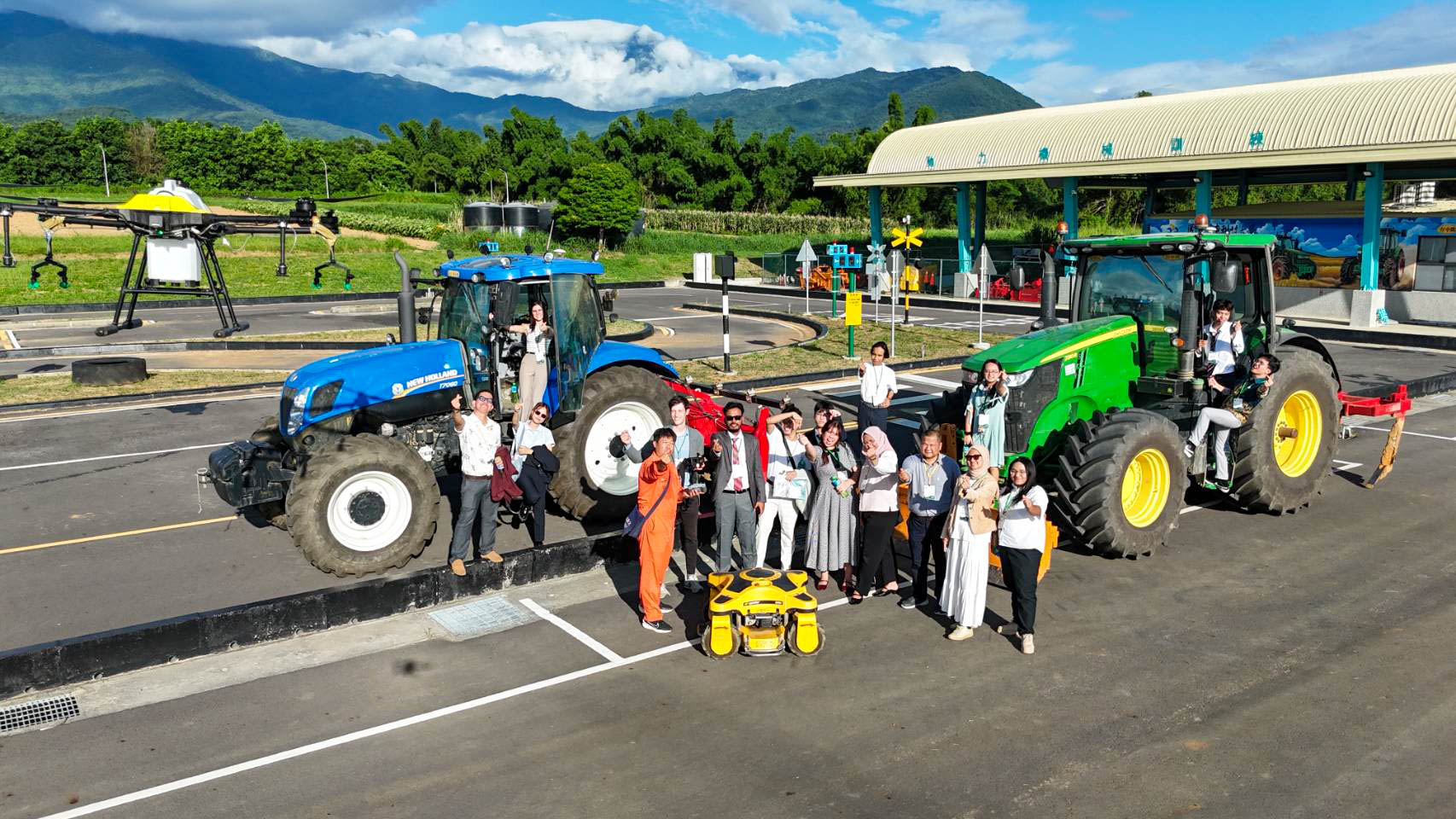
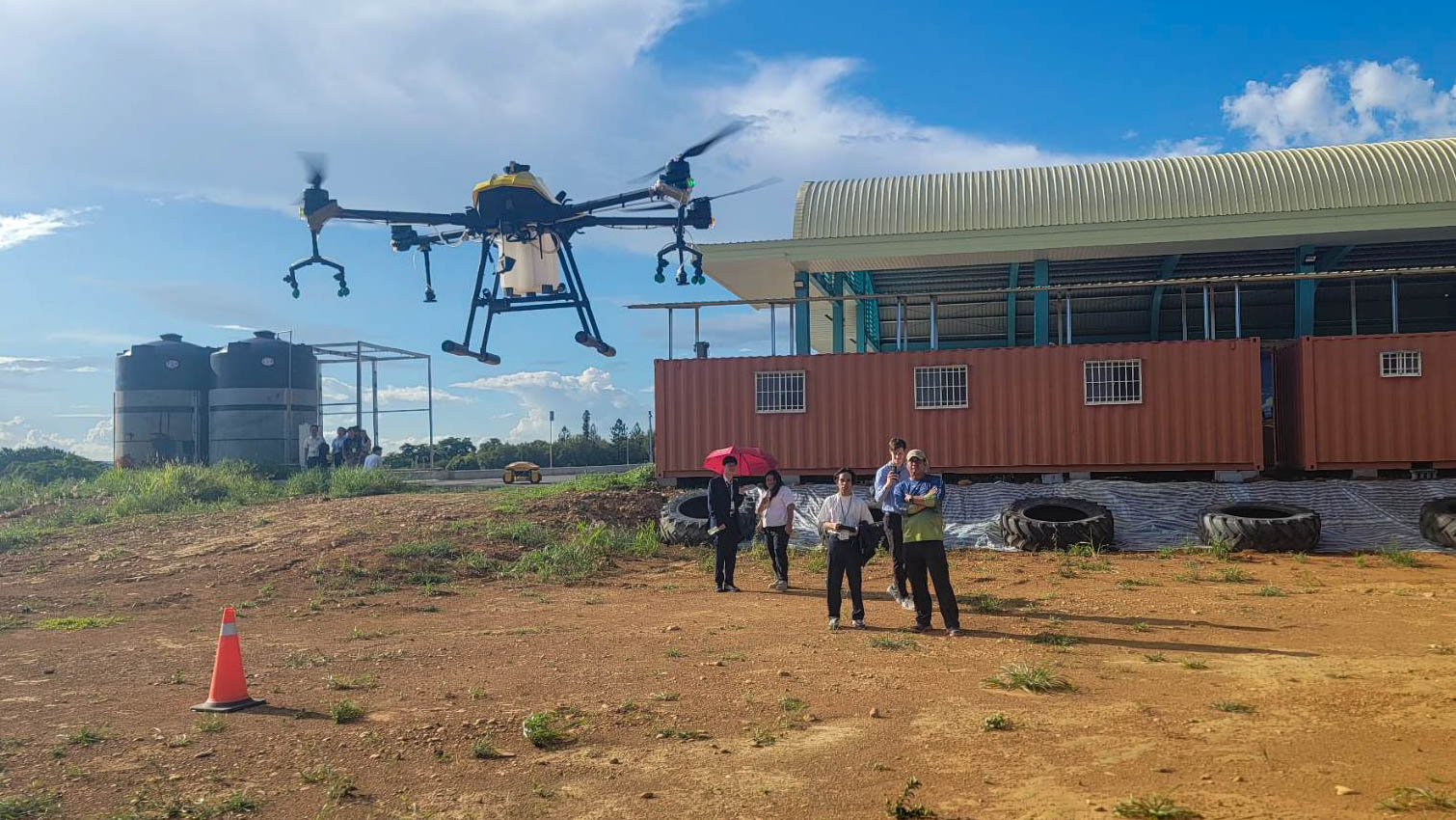
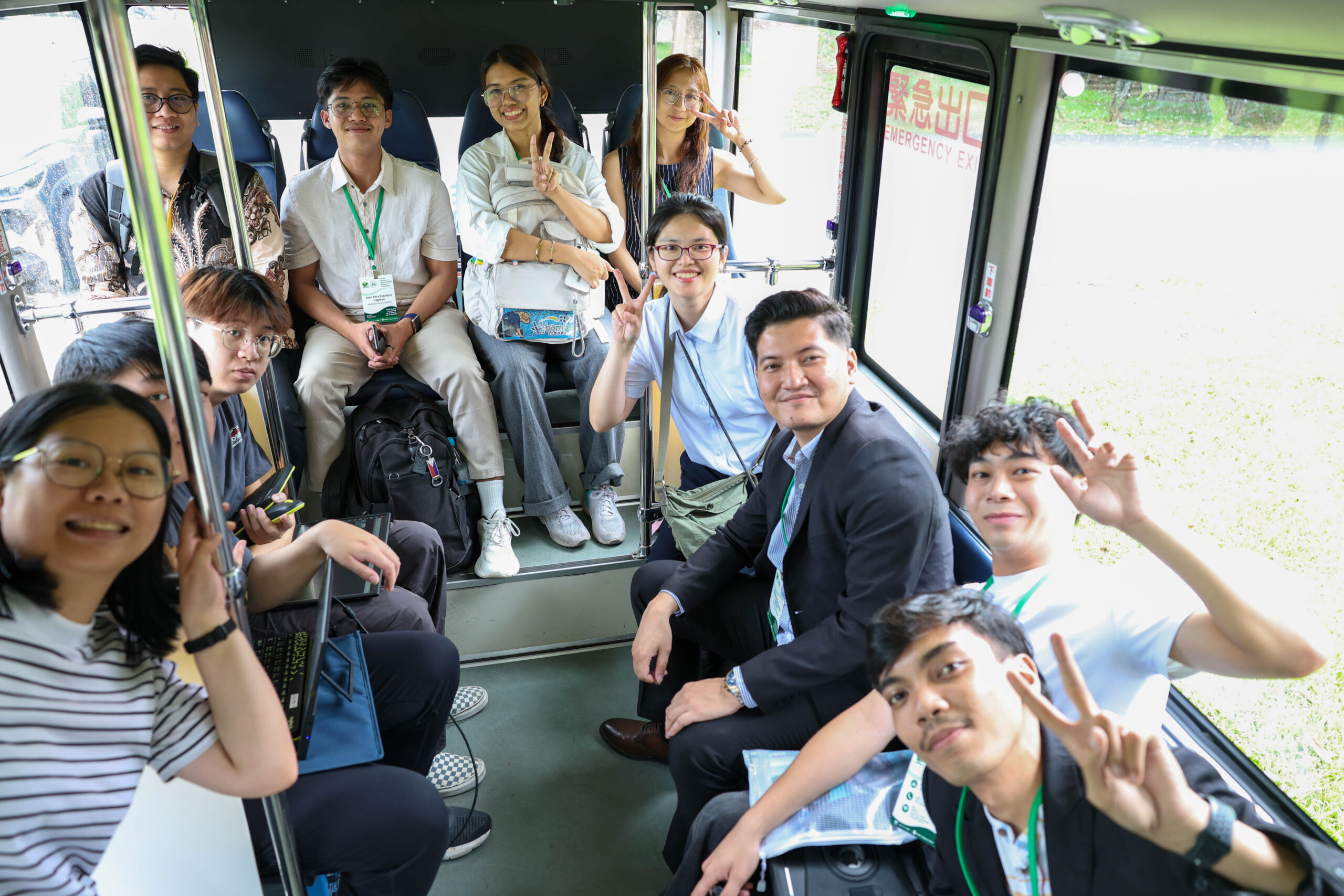
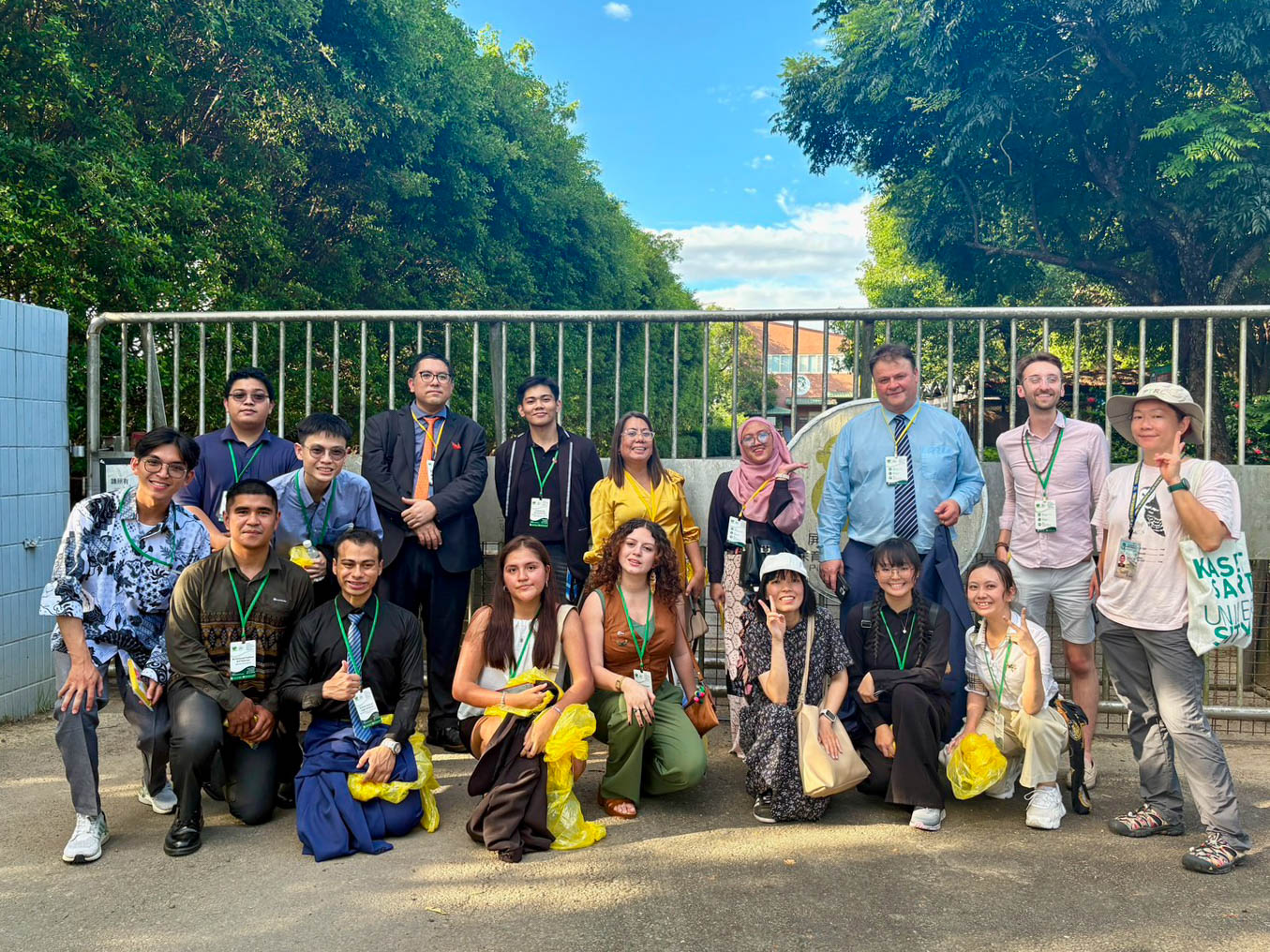
The agenda featured four keynote speeches that explored topics related to sustainable development. It also allowed young students from around the world to experience NPUST’s unique sustainable campus features firsthand. Participants visited the university’s Wildlife Rescue Center to understand conservation and ecological environments; rode autonomous experimental vehicles across the campus; operated drones and automatic lawn mowers to experience labor-saving, smart agriculture; and learned about the agricultural circular economy by making handmade pineapple fiber paper. Additionally, participants visited sustainability landmarks in Kaohsiung, such as the Former British Consulate at Takao and the Pier-2 Art Center, allowing them to explore and appreciate Taiwan’s diverse culture.
Through keynote lectures, interactive discussions, and field visits, the camp built cross-cultural friendships, sparked opportunities for international cooperation, and nurtured a new generation of youth leaders equipped with a global perspective, cross-cultural communication skills, and a spirit of sustainable practice, collectively contributing to the creation of a more resilient and sustainable world.