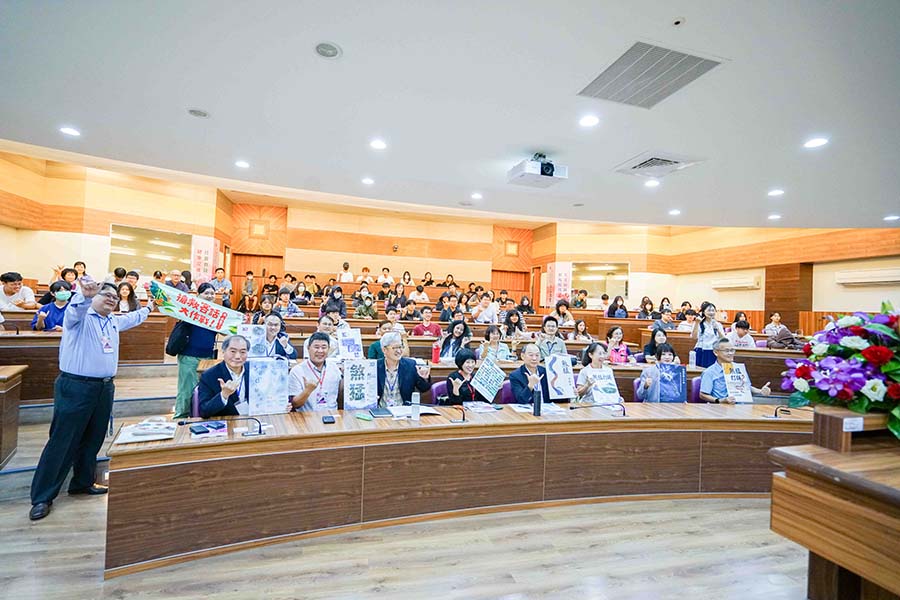
The Graduate Institute of Hakka Cultural Industry at National Pingtung University of Science and Technology (NPUST) celebrated its 20th anniversary this year (2026), and according to the core Hakka spirit of “sat-mang dá-biáng” (striving diligently), it hosted the “Hakka Villages and Industrial Development in the AI Era” academic conference on June 12th. The event focused on forward-looking topics such as the application of AI in cultural and creative industries, the digital transformation of Hakka village industries, and the role of AI in Hakka language revitalization and cultural dissemination. It brought together academia and industry professionals to explore innovative paths for Hakka culture and local enterprises in the modern era.
Many presentations at the conference highlighted the industrial transformation of Hakka villages and showcased achievements linking Hakka cultural and creative products with AI. These included methods for using AI to assist in creating unique character IPs embedded with in-depth Hakka culture, using visual design and interactive styles favored by the younger generation to convey Hakka guardian faiths and core cultural values. The conference also emphasized that the development of Hakka culture cannot be decoupled from broader society and technology. In the future, cultural preservation, translation, and dissemination can integrate AI advancements, database construction, and diverse digital applications to ride the waves of digitization and smart technology. Professor Chun-Fa Cheng, Director of the Graduate Institute of Hakka Cultural Industry, expressed his aspirations that AI applications, big data, database construction, and their multi-faceted uses will become the vital foundation for the future growth of Hakka cultural industries.
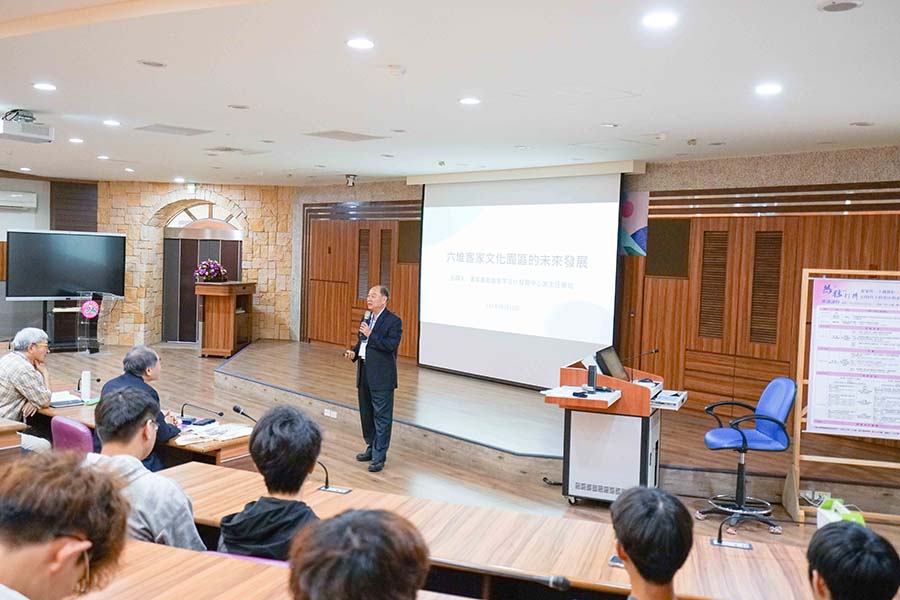
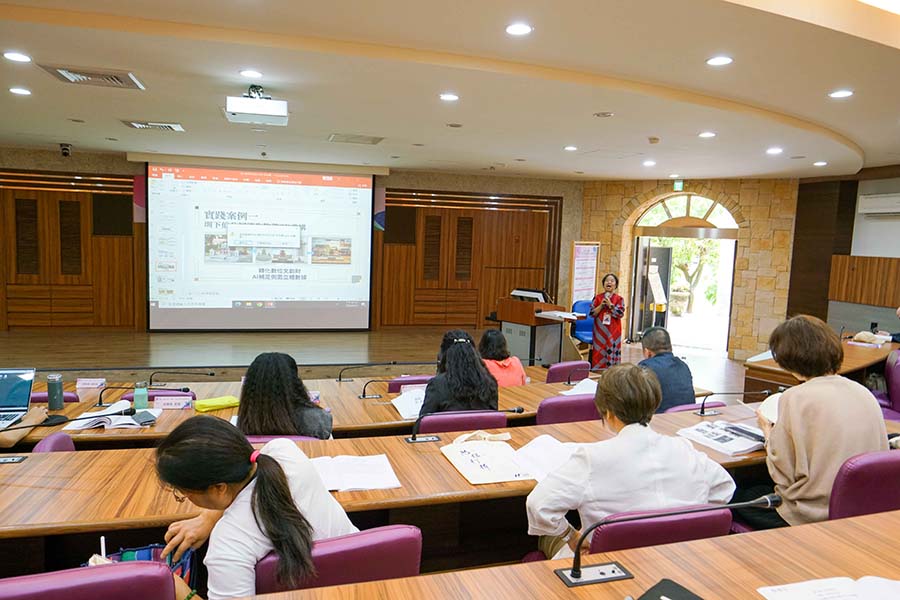
The morning keynote address, titled “The Future Development of the Liudui Hakka Cultural Park,” was delivered by Sheng-Hsin Hsieh, Director-General of the Hakka Cultural Development Center (Hakka Affairs Council). Speaking from the perspective of policy and spatial development, he guided attendees through potential future opportunities for Liudui and traditional Hakka villages. The conference also featured multiple paper presentation and review sessions covering themes such as “AI Intelligence,” “Digital Cultural and Creative Industries / Digital Humanities,” “AI Creation,” and “Hakka Industry.” These sessions connected legal frameworks, cultural translation, immersive exhibitions, local product development, and Hakka language media, demonstrating interdisciplinary achievements in Hakka studies and technological applications.
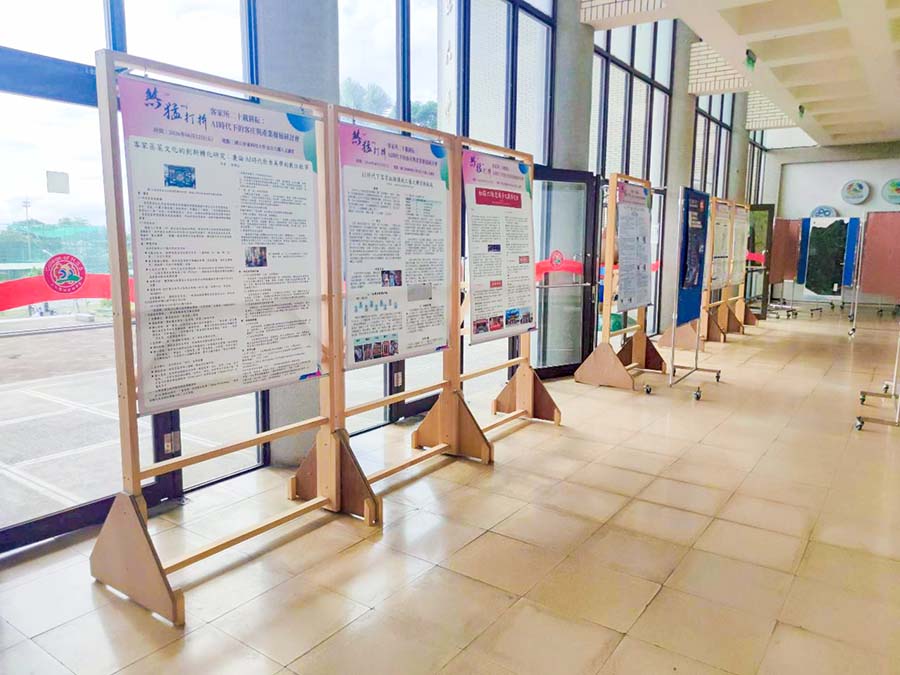
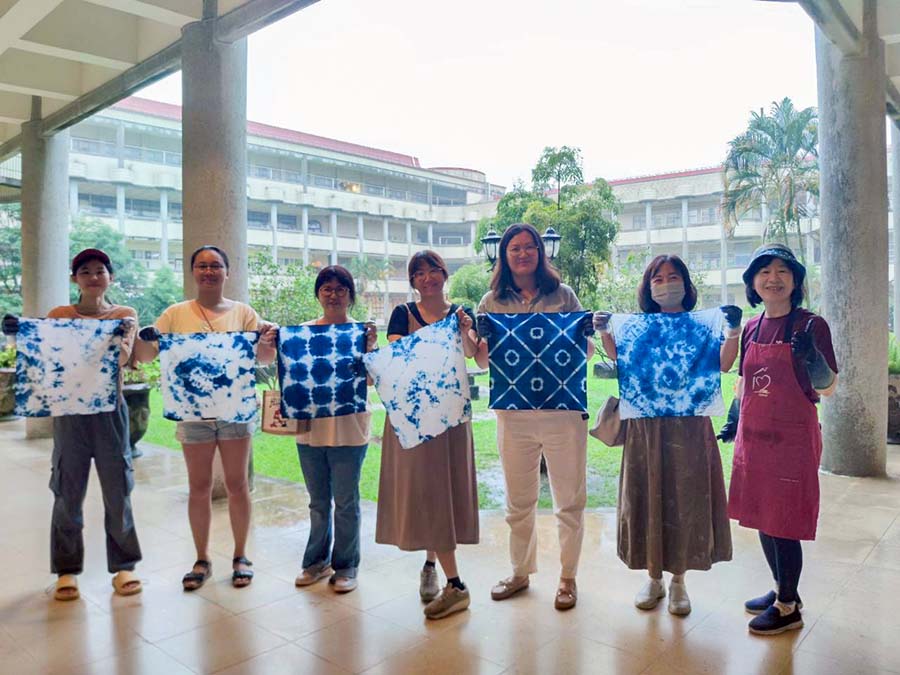
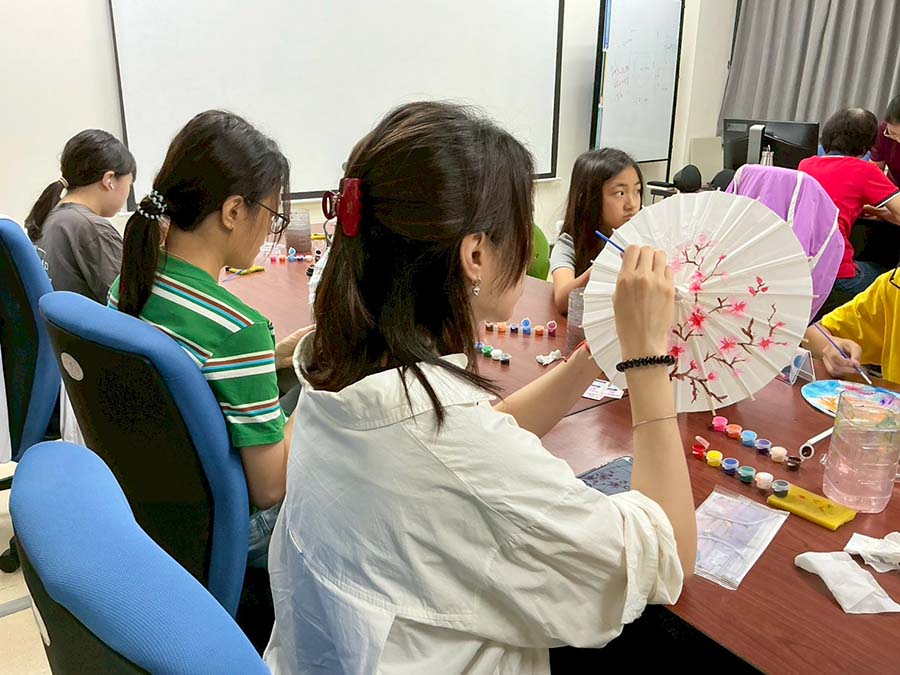
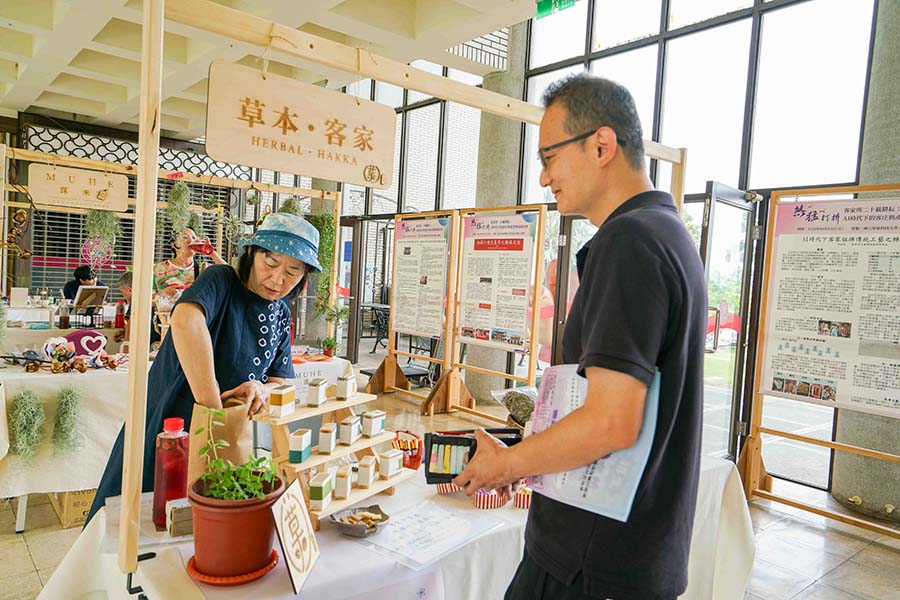
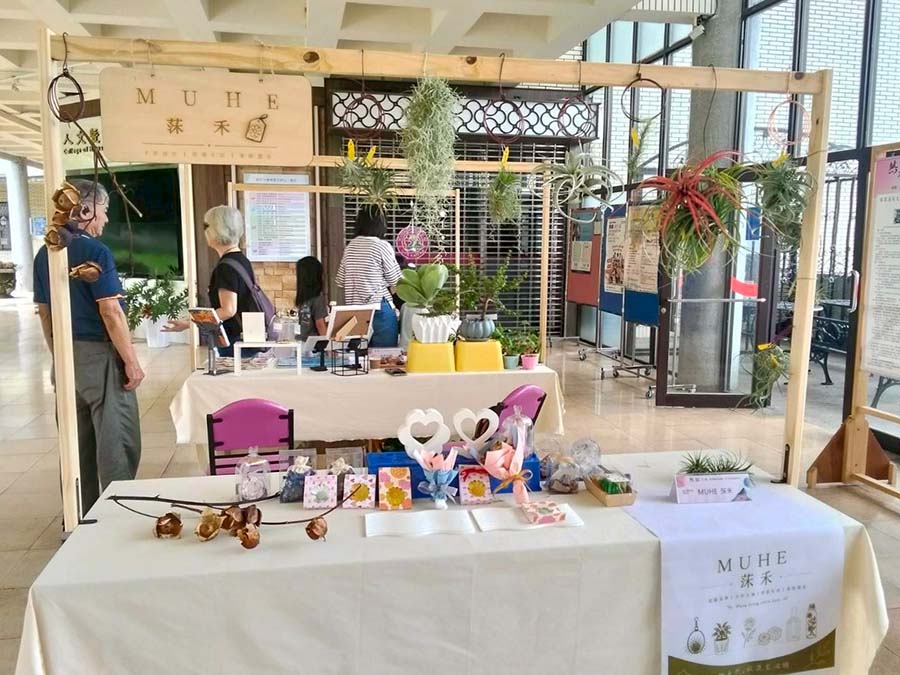
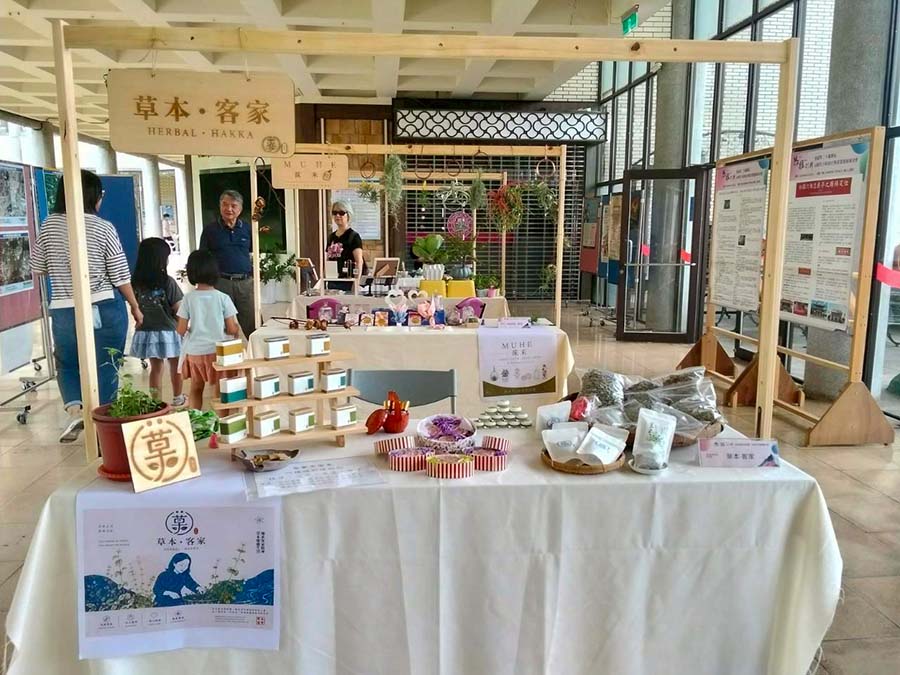
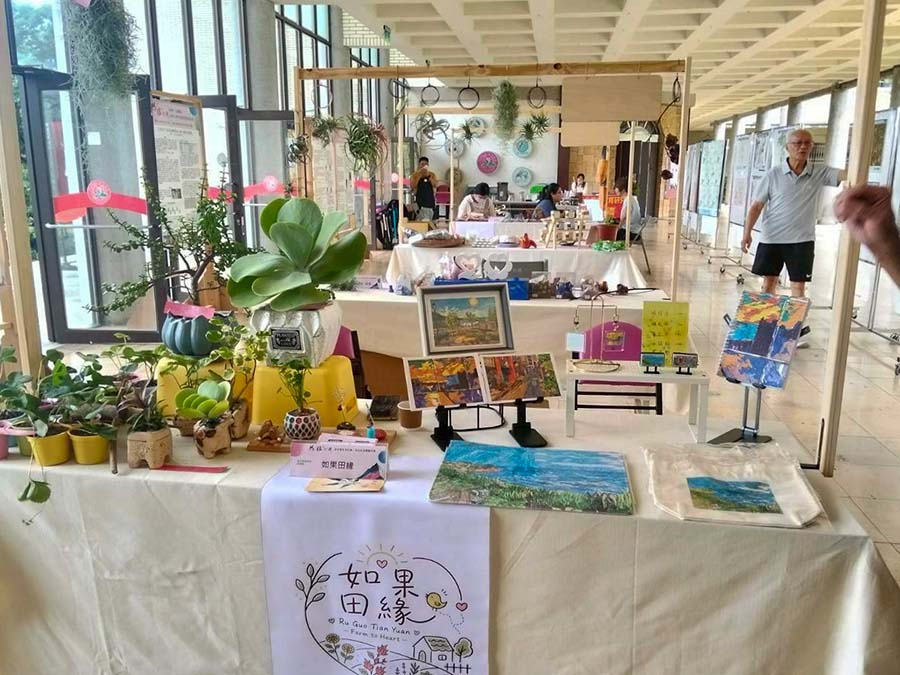
Alongside the academic conference, the event offered a series of exhibitions and hands-on activities. Among these, running from June 12 to 17, the “NPUST and Hakka Villages Mapping Exhibition” included the “Centennial Historical Map Exhibition of NPUST and Hakka Villages” and the “Centennial Map Exhibition of Liudui Hakka Villages.” Utilizing a “storytelling through maps” approach, the exhibition traced the context of Hakka villages, local memories, and industrial shifts. Concurrently, a Hakka Week experience and a graduate student entrepreneurship market were organized from June 12 to 13. The market gathered specialty booths featuring traditional practices like blue dyeing, botanical pounding dye, patchwork, pottery, and floral arts. It also offered free DIY workshops, allowing participants to experience the diverse charm of Hakka culture through hands-on creation, artisan retail, countryside goods, and curated lifestyle selections.