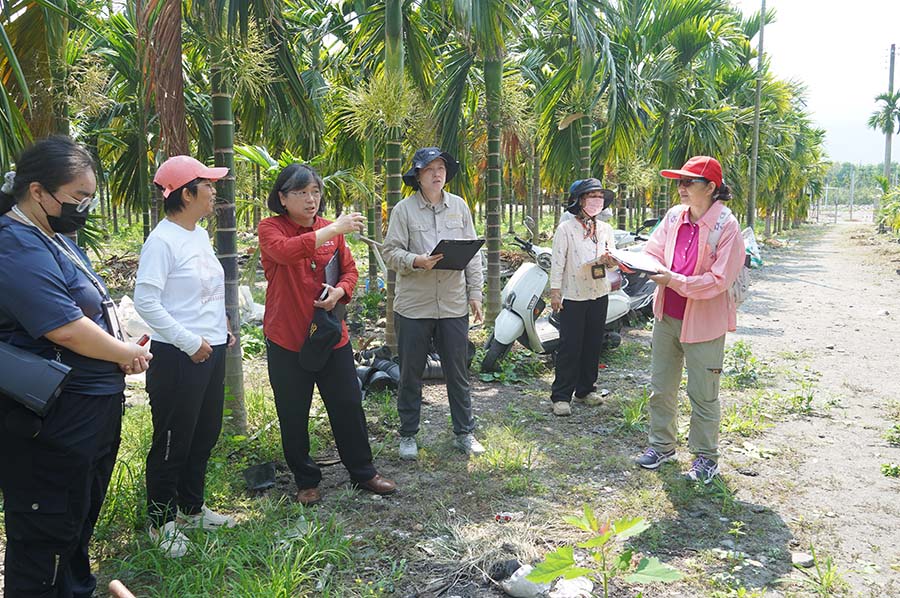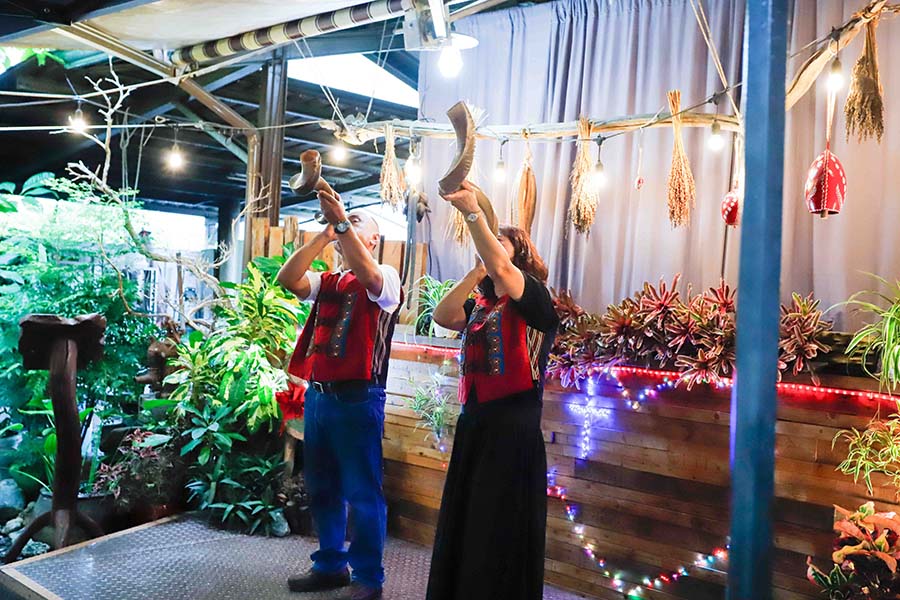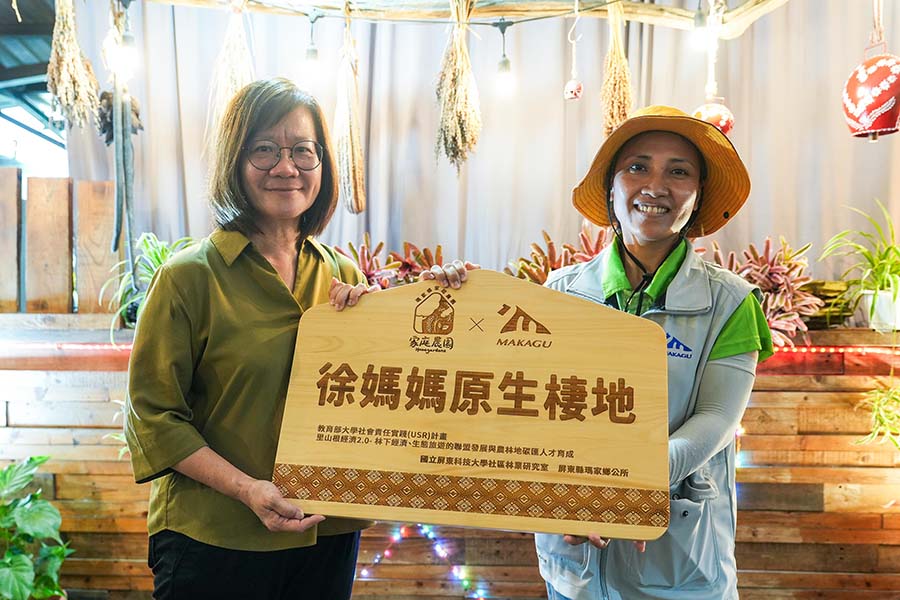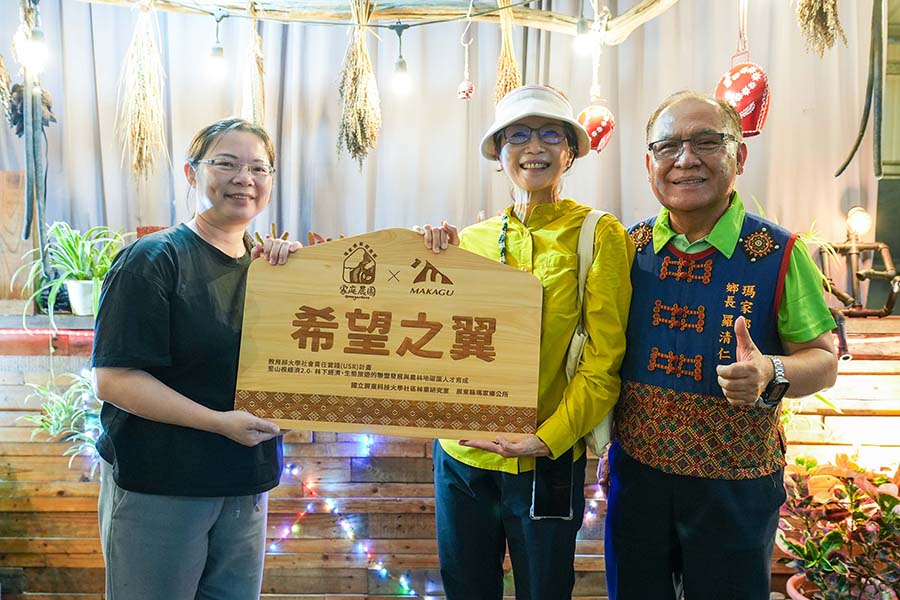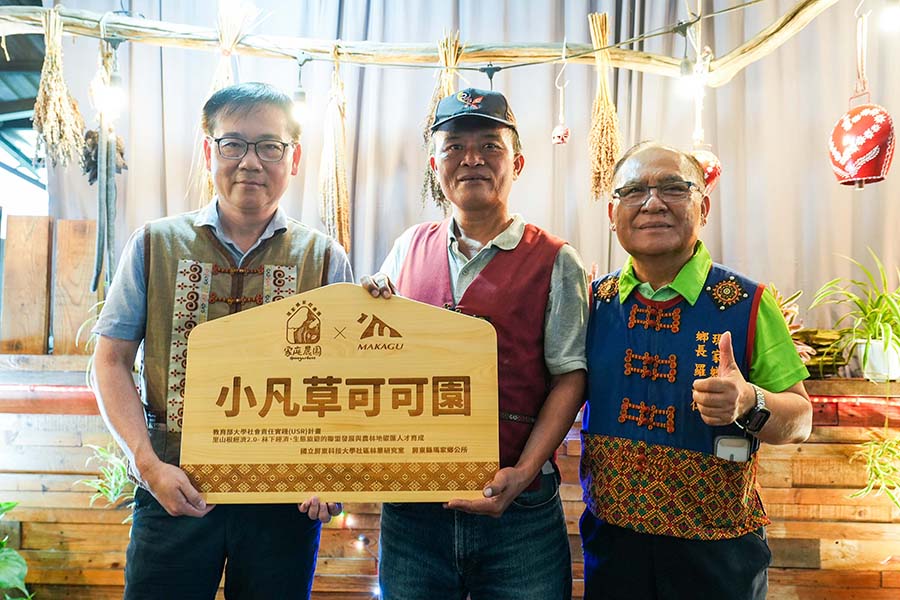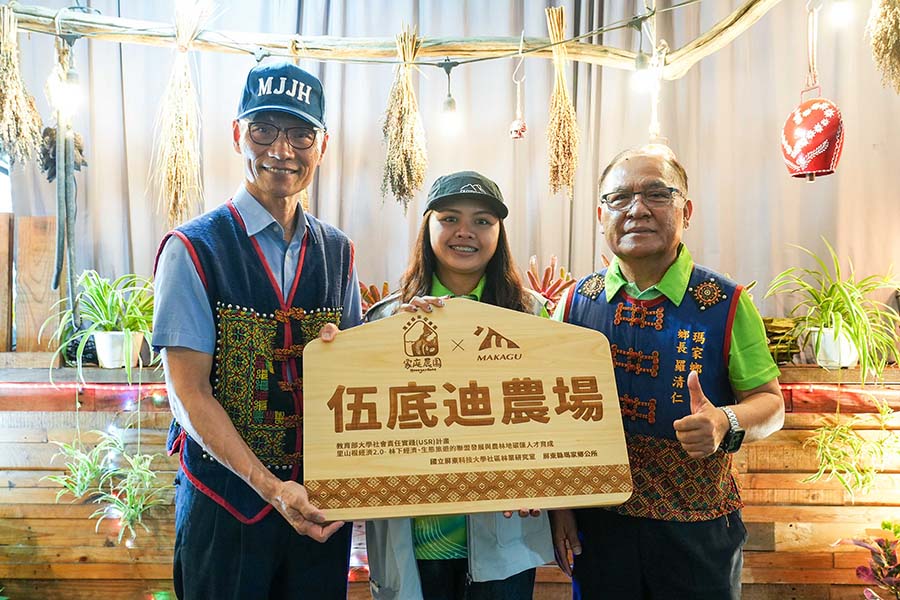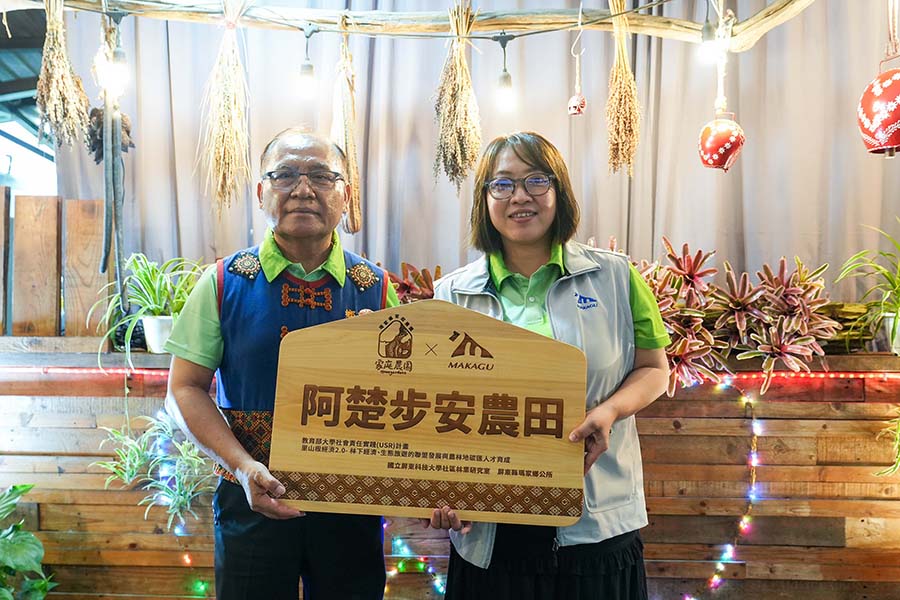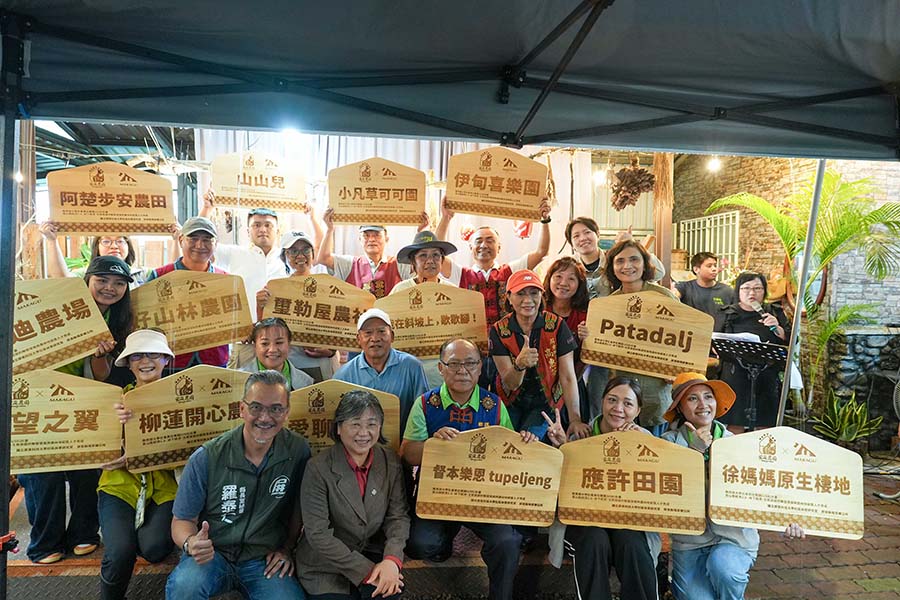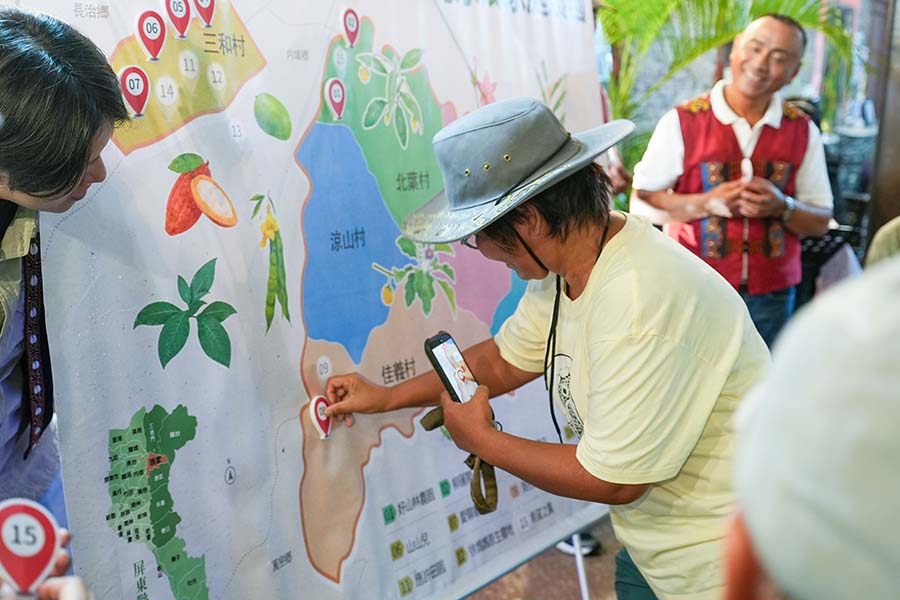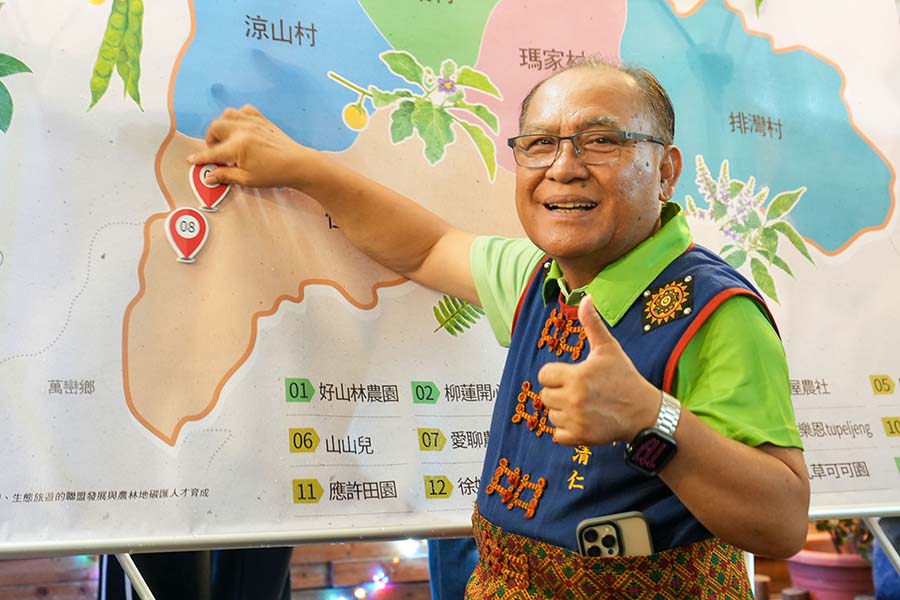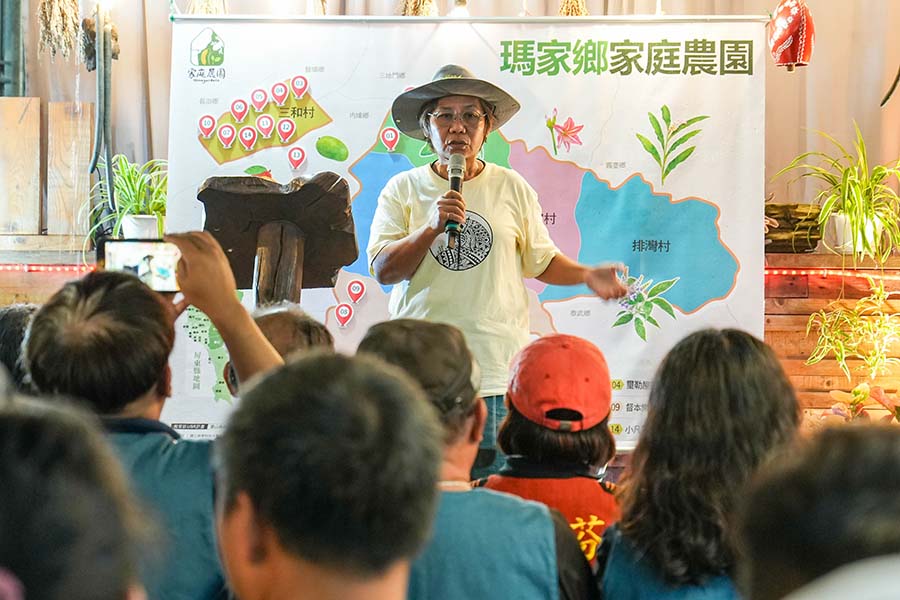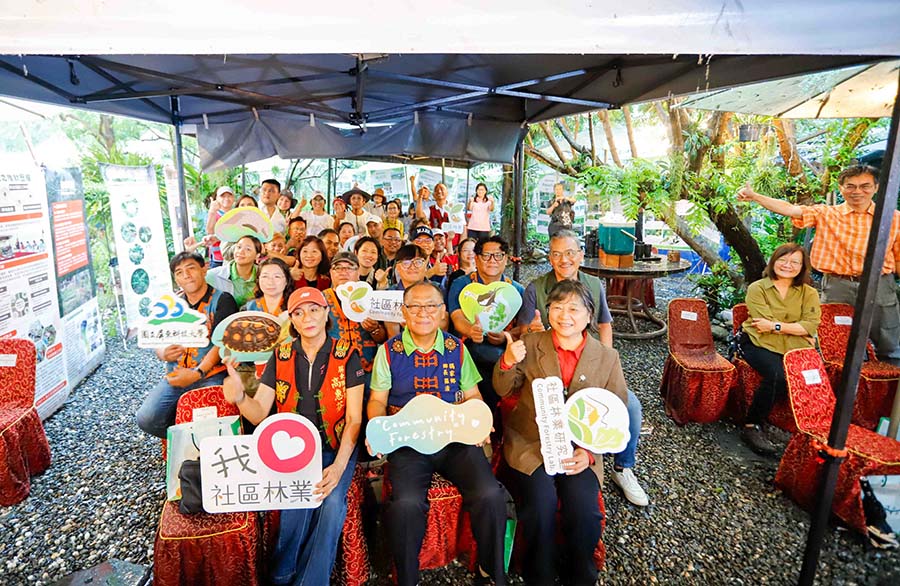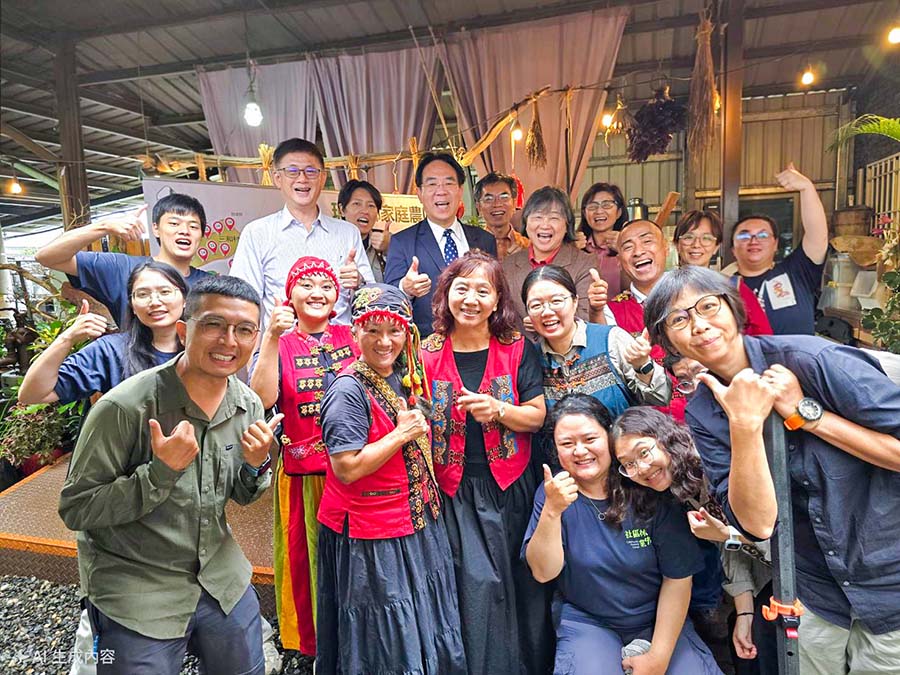
To enhance community resilience, food sovereignty, cultural preservation, and develop a “Satoyama grassroots economy,” National Pingtung University of Science and Technology (NPUST) has partnered with the Majia Township Office to vigorously promote the “Homegardens” initiative. Funded by the Ministry of Education’s University Social Responsibility (USR) program, the initiative draws comprehensive technical support from an expert team representing NPUST, the Pingtung Branch of the Forestry and Nature Conservation Agency (under the Ministry of Agriculture), the Kaohsiung District Agricultural Research and Extension Station, and the Taiwan Forestry Research Institute. Following two years of intensive local cultivation, uniquely characterized homegardens have blossomed across Majia Township. A plaque-unveiling ceremony alongside a food and agricultural education experience event was held this morning (the 12th) at 10:00 AM.
The event was attended by Majia Township Mayor Ching-Jen Lo; Tai-Jen Lo, Secretary of the Pingtung County Magistrate’s Office; Pingtung County Councilor Hui-Fen Kao; Hsiang-Ling Lin, Chief of the Business Planning Section of the Forestry and Nature Conservation Agency’s Pingtung Branch; Professor Mei-Hui Chen from the NPUST Department of Forestry; Professor Wen-Hua Chen and Professor Tsui-Ying Chang from the NPUST Department of Plant Medicine; as well as numerous local representatives and village chiefs. Together, they witnessed the official unveiling of 15 homegardens—a milestone step forward in Majia Township’s vision to become a “Seed-Saving Haven” and an “International Cittaslow.”
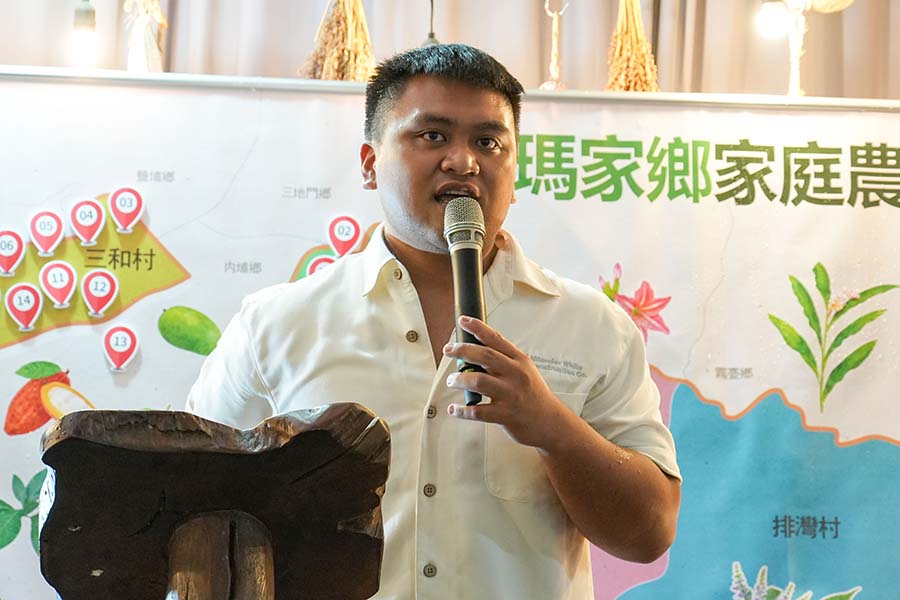
Mayor Lo of Majia Township stated that the township is currently making a full push to attain International Cittaslow certification. The core philosophy centers on deeply integrating environmental sustainability, cultural preservation, and slow travel to shape a globally recognized mountain town. Mayor Lo emphasized: “Homegardens are the most distinctive highlight of our slow town! They act not only as biodiversity conservation bases but will also serve as the core driver of the slow town’s ‘experience economy’ by offering garden tours, cultural commentary, and signature local cuisine to guide tourists into our indigenous villages, allowing them to profoundly feel the value of human-land coexistence.”
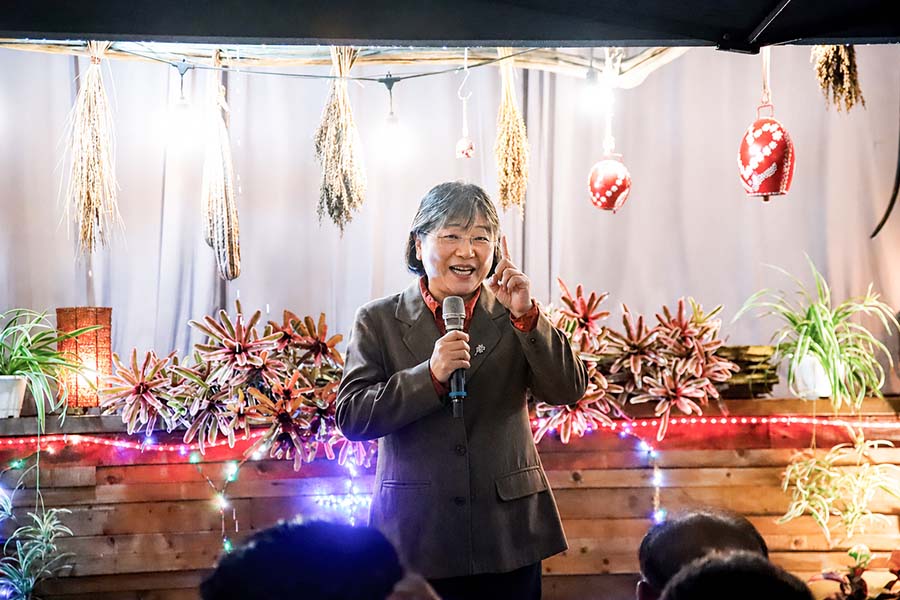
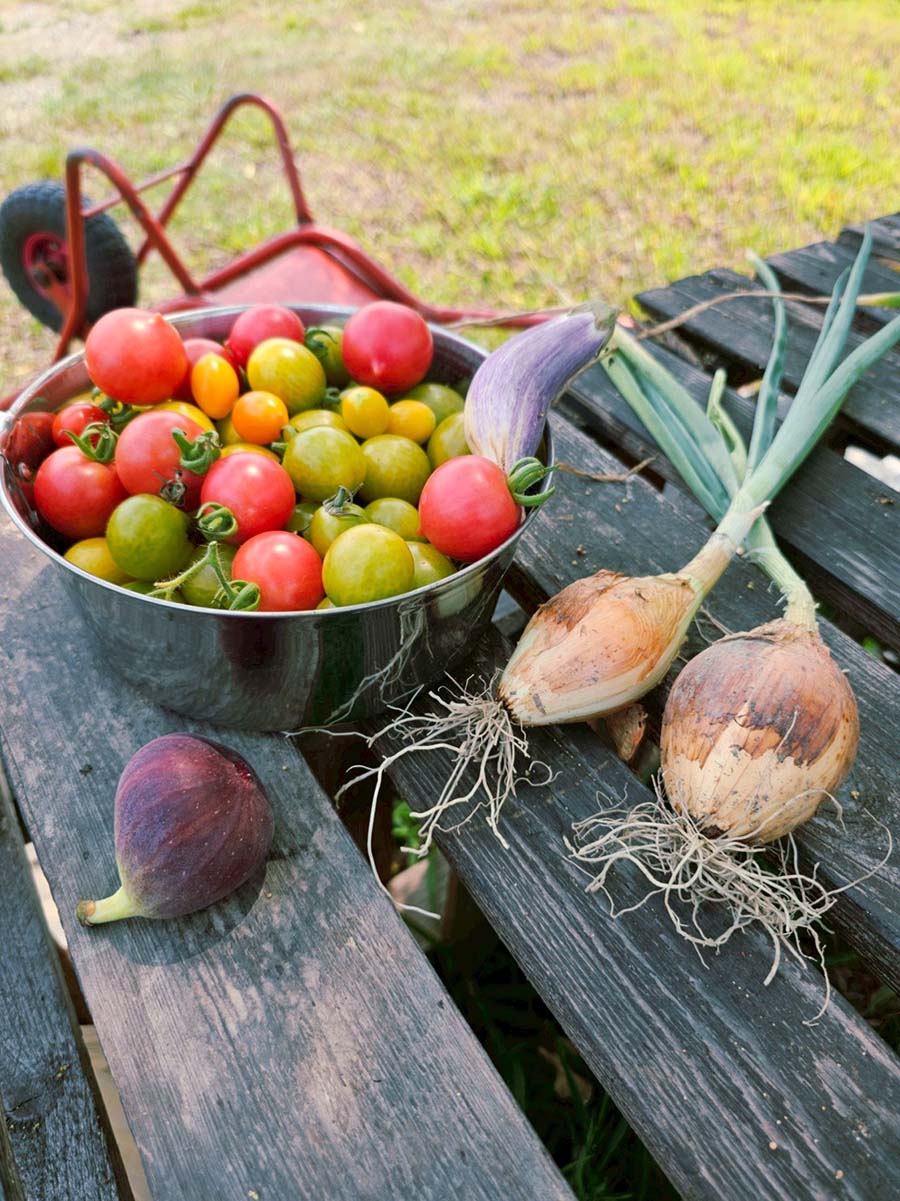
Professor Mei-Hui Chen, Chief Director of the “Satoyama Grassroots Economy 2.0” USR Project, explained that homegardens refer to dense, multi-layered agroforestry systems located around households or within walking distance. These spaces combine the cultivation of edible or useful trees and crops—a traditional farming method that integrates crops, forestry, livestock, poultry, and aquaculture into a unified system. More than just farming, it is a way of life that provides self-sufficiency and food security, nurtures a culture of mutual sharing, and sustains biodiversity and community resilience.
Several distinguished guests expressed high praise during the assembly. Secretary Tai-Jen Lo of the Pingtung County Government noted that homegardens allow modern people to relearn the ancient indigenous wisdom of coexisting with nature, bringing native ingredients back to the dining table and enriching contemporary food culture. Section Chief Hsiang-Ling Lin of the Forestry and Nature Conservation Agency (Pingtung Branch) highly commended Mayor Lo’s forward-looking vision. She pointed out that indigenous traditional knowledge is beautifully expressed within these homegardens, while perfectly aligning with the biodiversity targets pushed by her agency in recent years and echoing the global development trend of “the more local, the more international.”
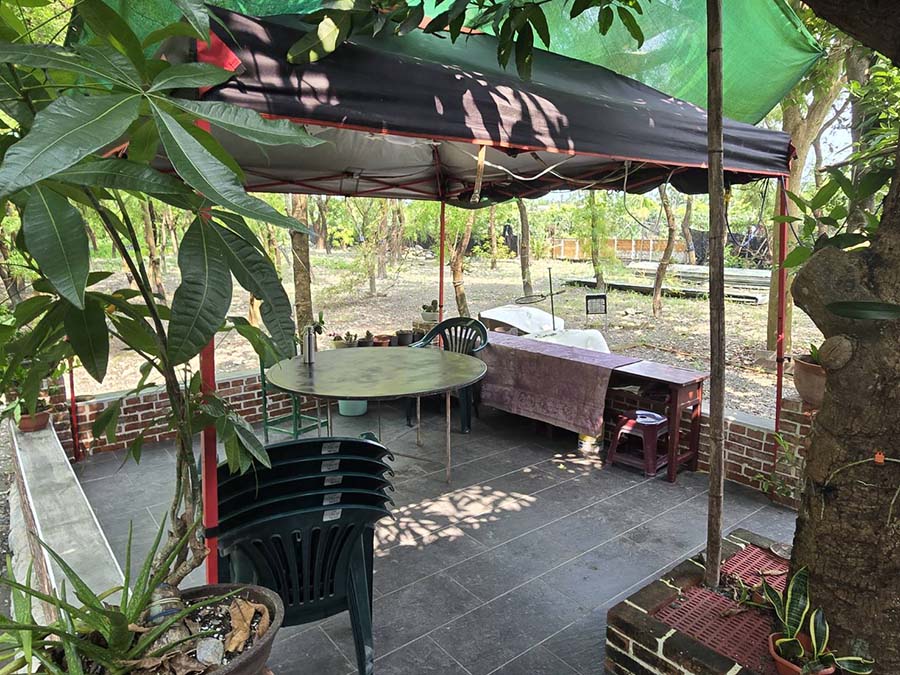
Kuo-Chung Tu and Hui-Mei Hsu, owners of the ” Joyful Eden Garden,” expressed that this land belongs to the entire community rather than just the two of them. Guided by a spirit of sharing, they hope everyone can enjoy the environment and experience the beauty of the land. They extended their gratitude to the NPUST professors and expert teams for helping them rethink land use, add value to this beautiful space, and ensure every visitor can find peace here.
Yueh-Yang Kuo, owner of the “San-San-Er Garden,” shared that the garden’s name originates from their indigenous tribal name, representing a family legacy spanning the millennium and honoring his identity as a child of the mountains. Despite many hardships, including times when the garden environment was affected by chemical pesticides or external human activities, he aspires to treat the land kindly through the homegarden model, satisfying the needs of all living organisms sharing this space.
Chiung-Ju Chiu, owner of the “I’m on the Slope Taking a Rest Garden,” expressed her desire to use her abilities to help others by utilizing natural materials like tree branches for agriculture. She noted that the most touching part of the creation process is seeing how much her family loves coming to her home to eat on weekends, where she can readily pick fresh vegetables from the backyard and enjoy a slow-paced life close to nature.
According to surveys conducted by the NPUST team, among the 15 homegardens in Majia Township, the largest spans 0.757 hectares (approximately 2,289 ping) and the smallest is 0.001 hectares (about 3 ping), with an average size of 0.212 hectares (about 366 ping). The plant diversity within the plots is immense, with a single garden recording up to 269 distinct plant species. The participating garden owners unanimously agree that homegardens possess ten core values, including “education and knowledge transmission, social-emotional connection, food security, physical and mental healing, and environmental beautification.” Professor Mei-Hui Chen emphasized that these gardens preserve precious local crop strains and ethnobotanical plants, which are crucial to maintaining village resilience. The homegarden production system, jointly built by industry, government, academia, and indigenous residents, demonstrates an innovative model that fuses seed-saving, culture, and the green economy.
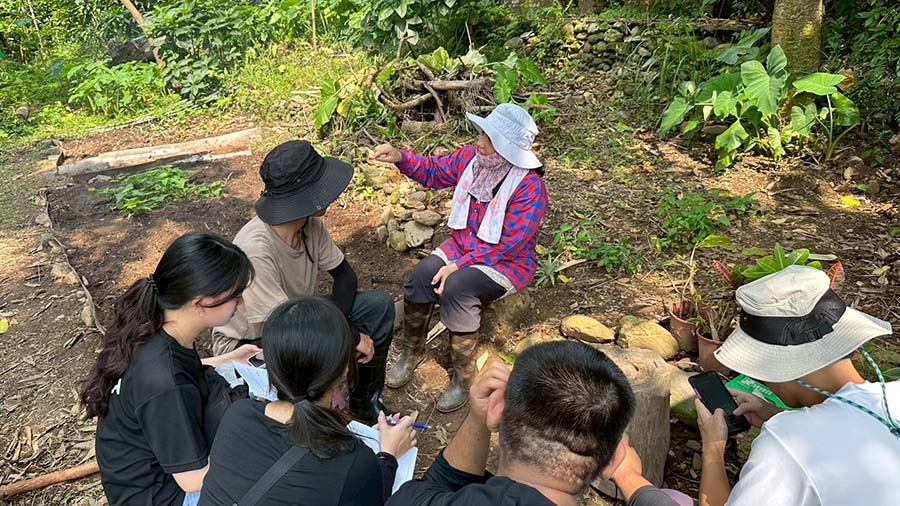
Ya-Li Huang, a researcher at the NPUST Research Center who is in charge of executive implementation, stated that the team has successfully developed mature food and agricultural education curricula by combining indigenous traditional knowledge, ethnobotanical applications, and local food culture. Through a five-senses experience—”look, smell, touch, taste, and do”—the public is provided with a meaningful encounter with the wisdom and practice of indigenous coexistence with the land. Moving forward, the project will further connect community commentary, specialty dining, and slow town tourist routes, transforming homegardens from simple production areas into multi-functional spaces featuring environmental education and indigenous slow-living experiences.
All 15 homegardens adopt eco-friendly agricultural management practices, reviving traditional mutual assistance mechanisms while safeguarding biodiversity. Through seedling exchanges, collaborative farming, and crop sharing among residents, the social labor force and cultural continuity of the village are reinforced.
In addition to Majia Township in Pingtung County, the NPUST Community Forestry Research Lab is concurrently expanding its roots in Wutai Township and Mudan Township (Pingtung); Liugui District and Neimen District in (Kaohsiung); Longqi District (Tainan); and various locales in Hualien County. The team hopes that through diverse strategies such as seed-saving, food and agricultural education, ecotourism, and under-forest economies, they will gradually construct a cross-regional green network of Taiwanese homegardens, injecting sustainable new vitality into local revitalization.