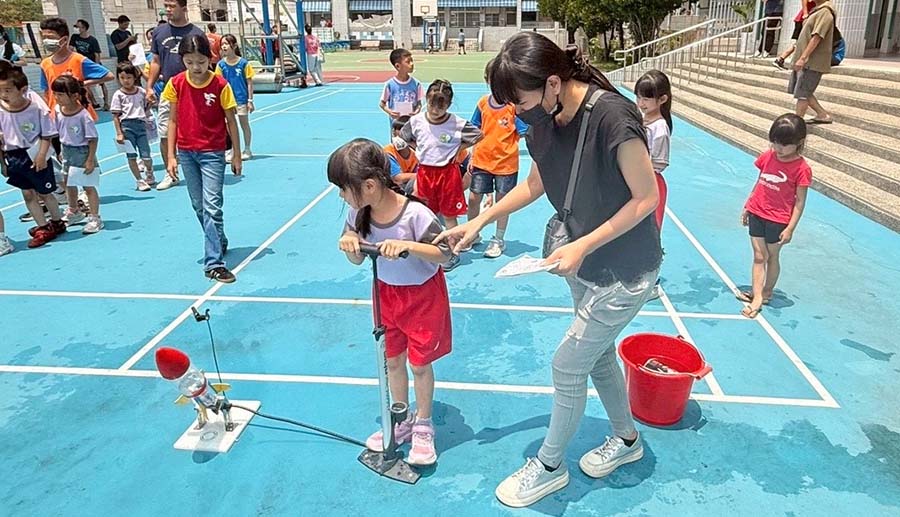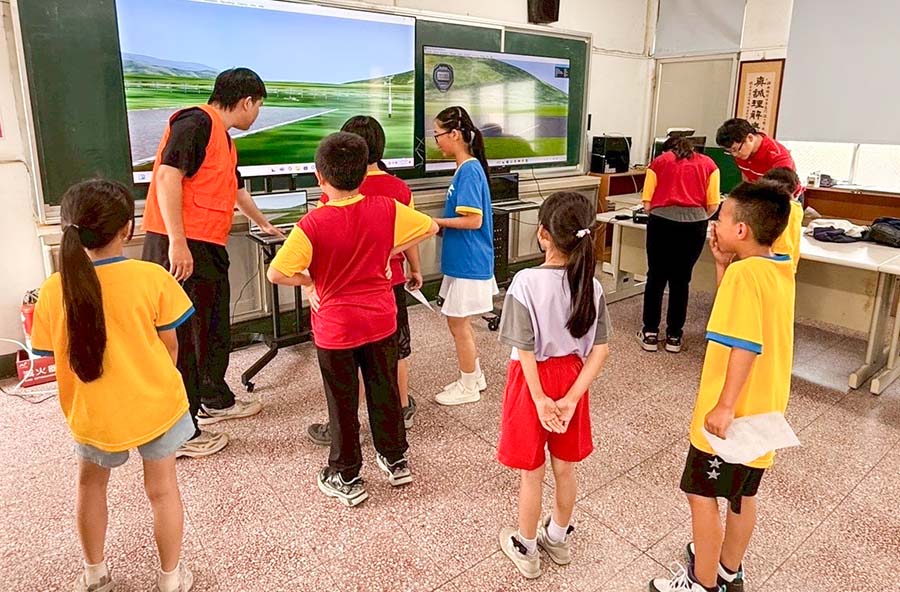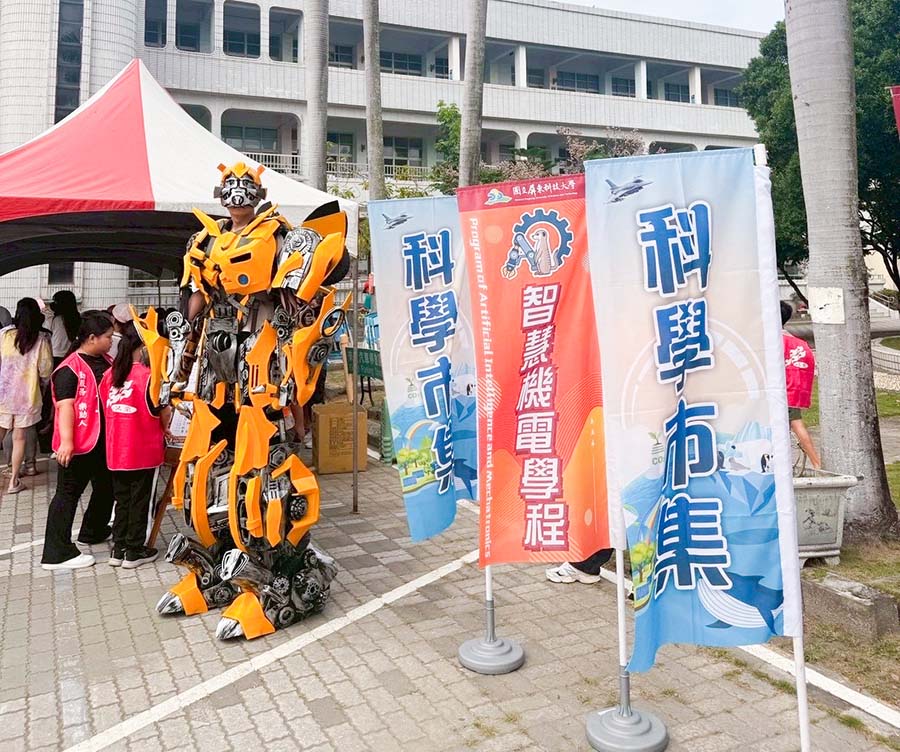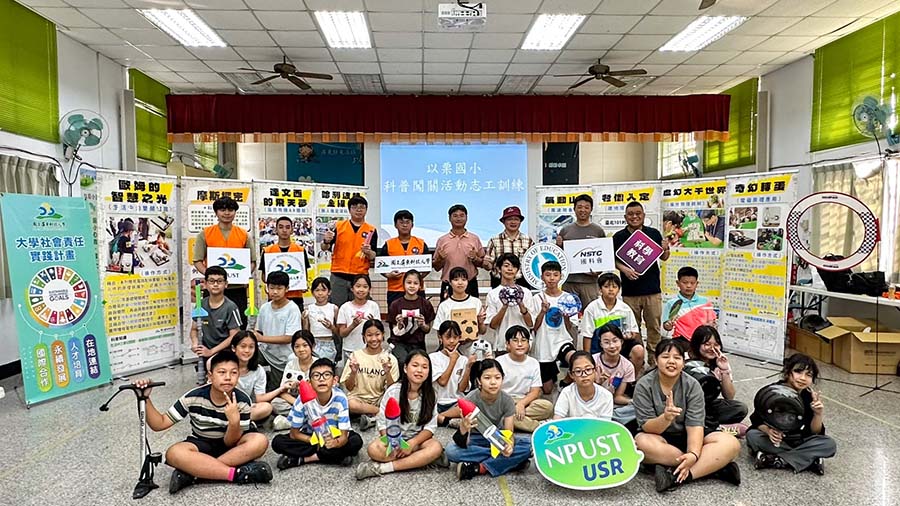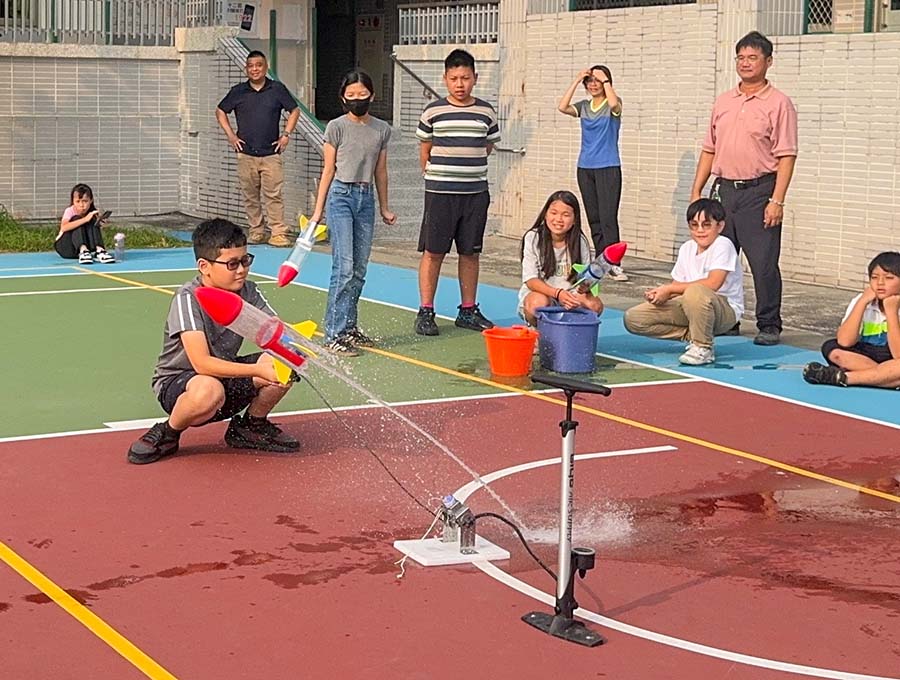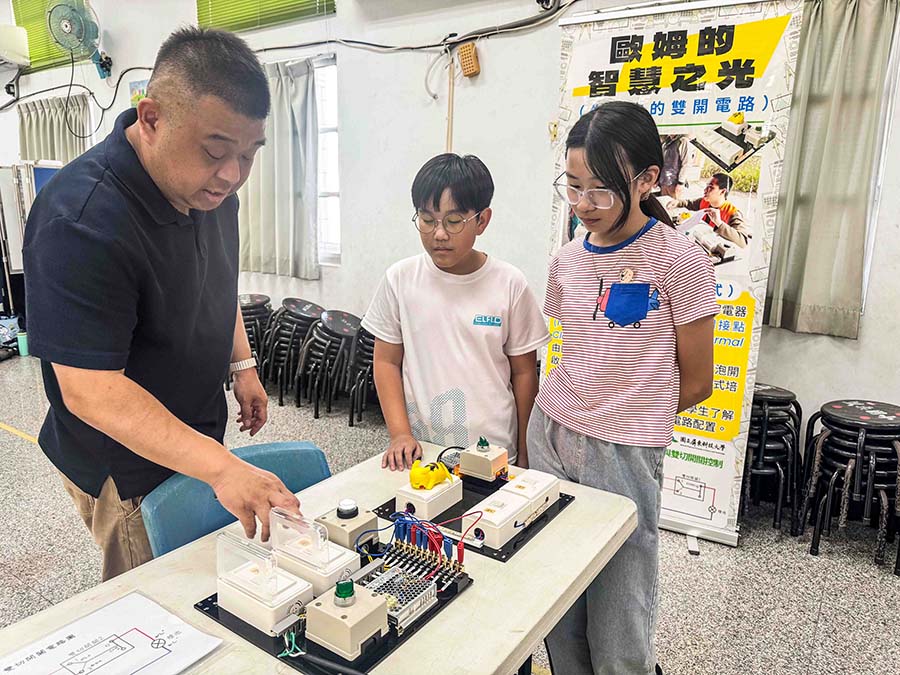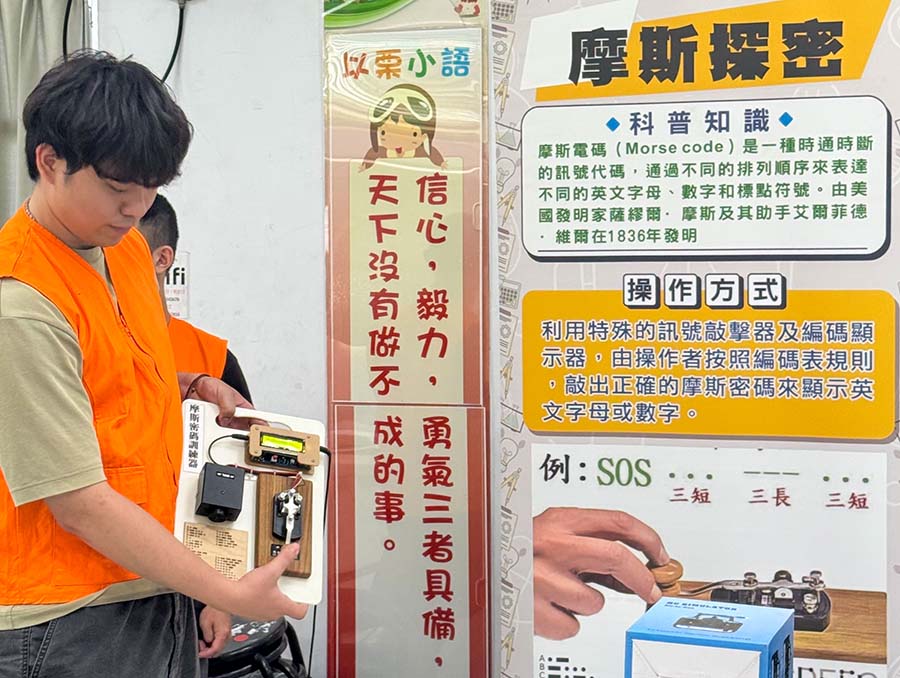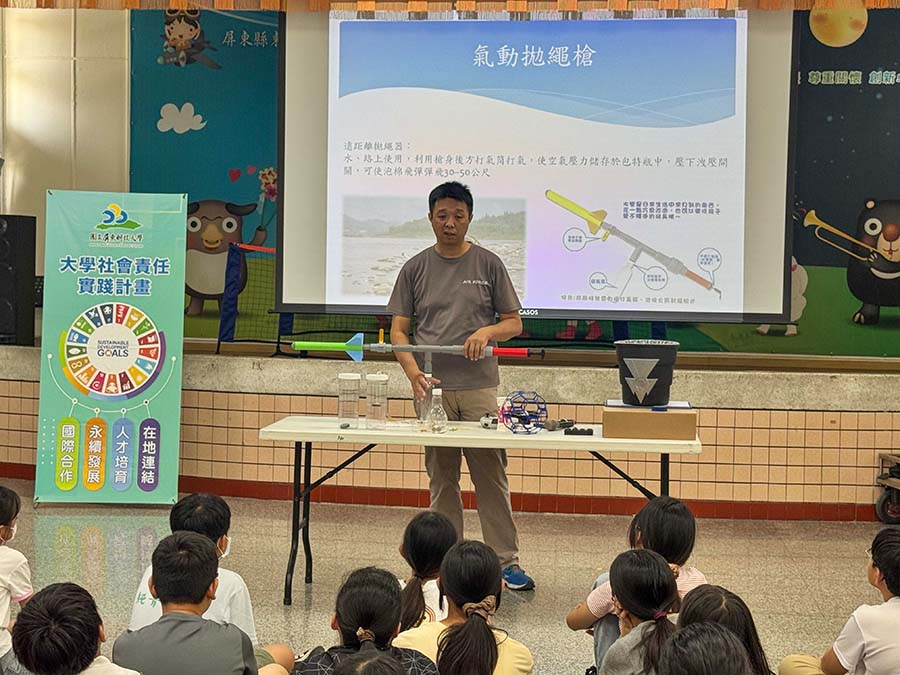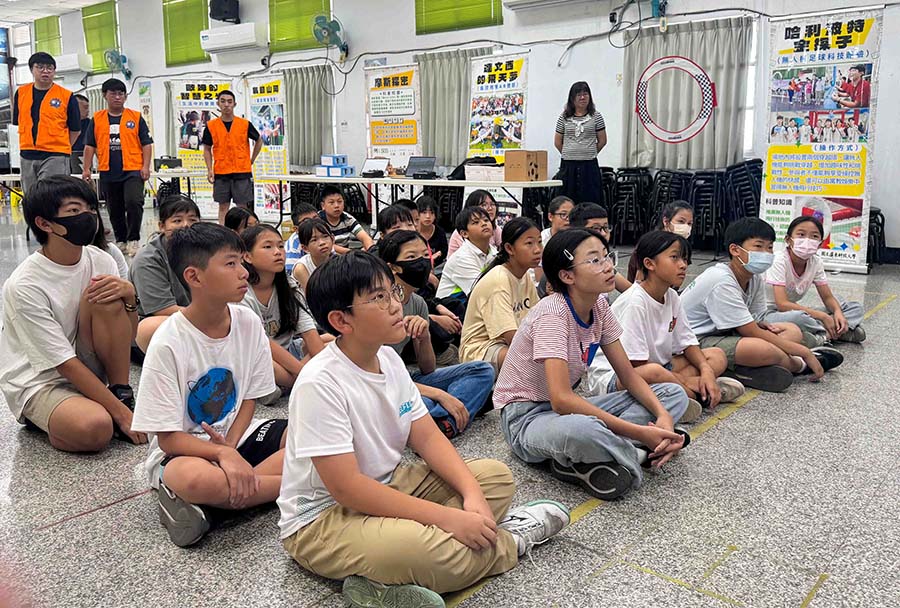
National Pingtung University of Science and Technology (NPUST) joined forces with the Air Force Institute of Technology and Chinese Culture University as part of a collaborative University Social Responsibility (USR) project. On May 1 (2026), the team participated in the 77th anniversary celebrations of Yi-Li Elementary School—formerly the Air Force Preparatory School in Donggang, Pingtung. The group organized a science fair to promote national defense awareness, aiming to cultivate scientific interest and aerospace technology knowledge at the grassroots level.
SOUTHERN TAIWAN DREAMS OF FLYING
NPUST’s USR project, titled “Southern Taiwan Dreams of Flying” focuses on popularizing science education. Using a strategy of “Scientific Cultivation and Popular Science Innovation,” the initiative targets elementary, middle, and high schools in the Kaohsiung and Pingtung area. The project also trains local seniors and retired teachers to assist in educational outreach.
By integrating with the local tourism industry, the program developed “Science-Based Creative Revitalization” itineraries. Their five-axis model—Education × Science × Industry × Community × Local Revitalization—ensures that learning extends beyond the classroom by transforming local industries into educational hubs and providing tourists with deeper, more meaningful experiences.
A LEGACY OF AVIATION AND LEARNING
Yi-Li Elementary School holds a significant place in aviation history; it was named in honor of Martyr Chou Yi-li of the famed Black Bat Squadron. To mark its 77th anniversary, the school hosted an “English Day” series alongside the science fair.
Professor Hudson Hsu from the Smart Mechatronics Bachelor Degree Program led a team of 11 specialists, with support from Associate Professor Chia-wei Hsu of Chinese Culture University and Major Li-kai Liu of the Air Force Institute of Technology. Together, they designed an interactive “Science Challenge Fair”, featuring several hands-on experience stations, including:
- Da Vinci’s Flying Dreams
- Ohm’s Light
- Pneumatic Line-Throwing Guns
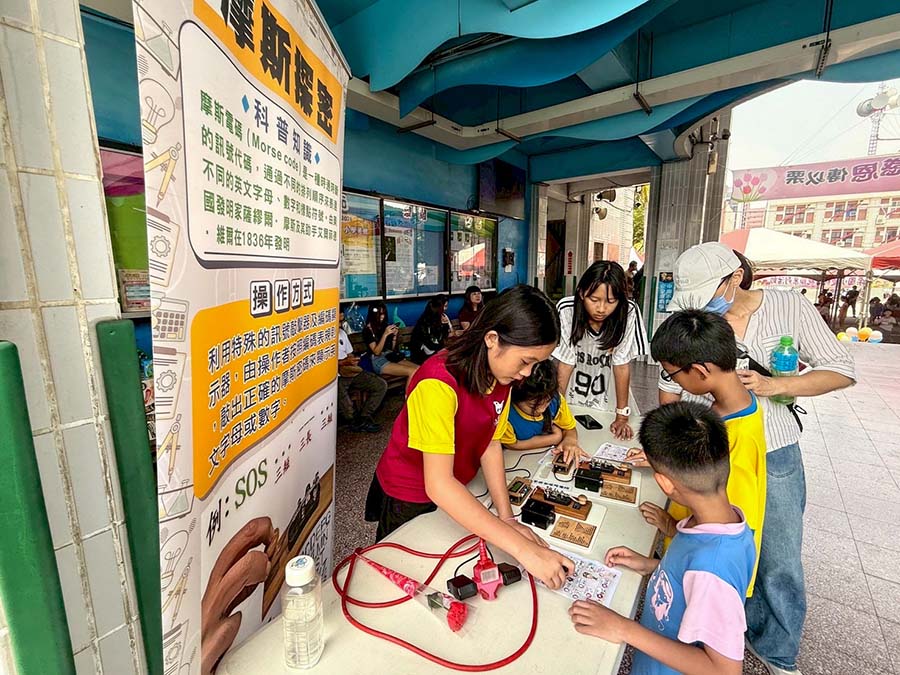
- Morse Code Secrets
- Aviation Soccer
In addition to these challenges, students explored military aircraft identification and a military history gallery. These “learning by doing” activities allowed children to grasp scientific principles through practical experiences while fostering dreams of future aviation and inspiring the next generation to take flight.