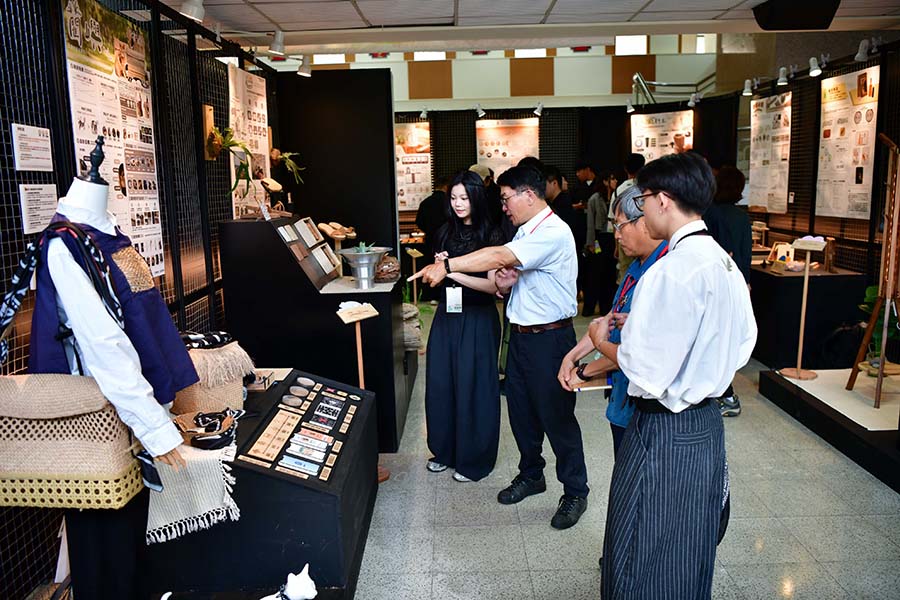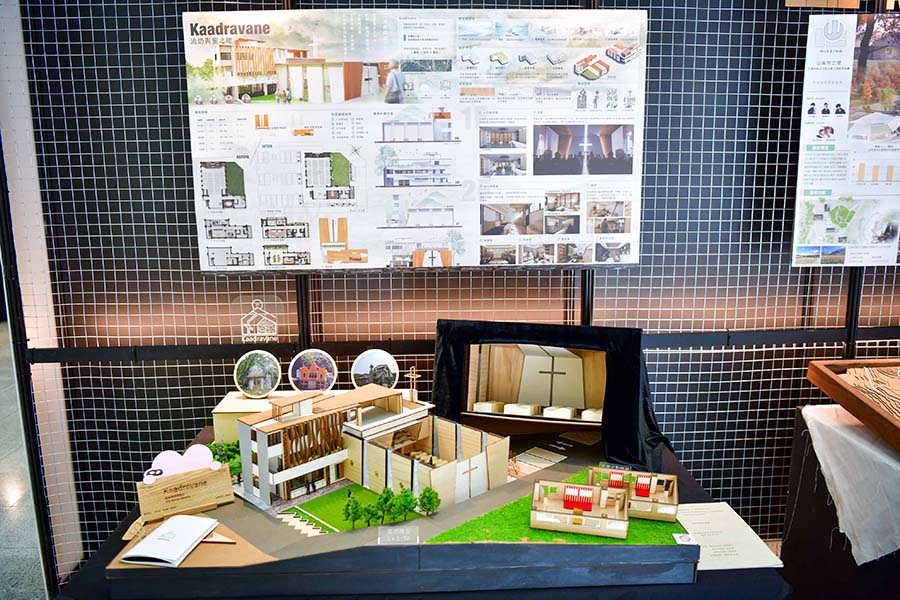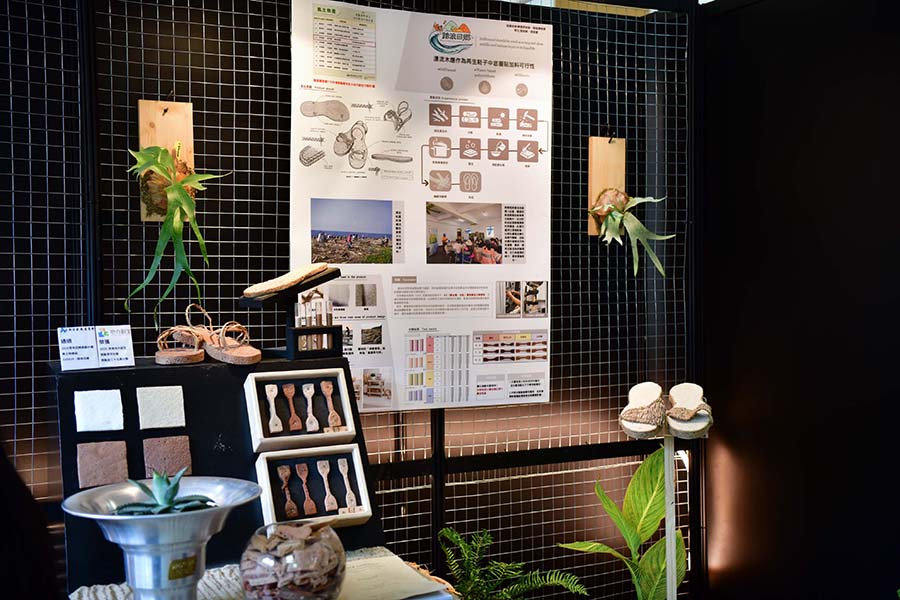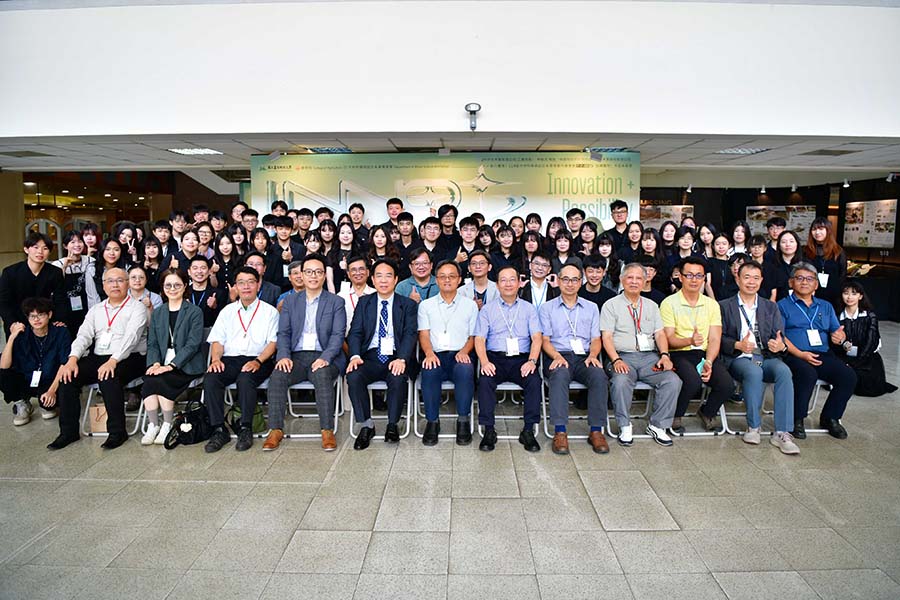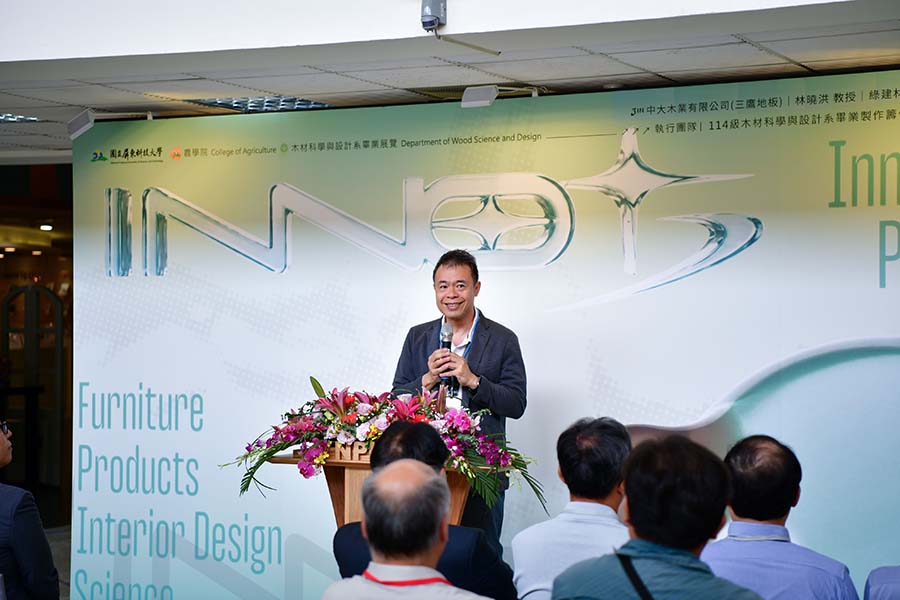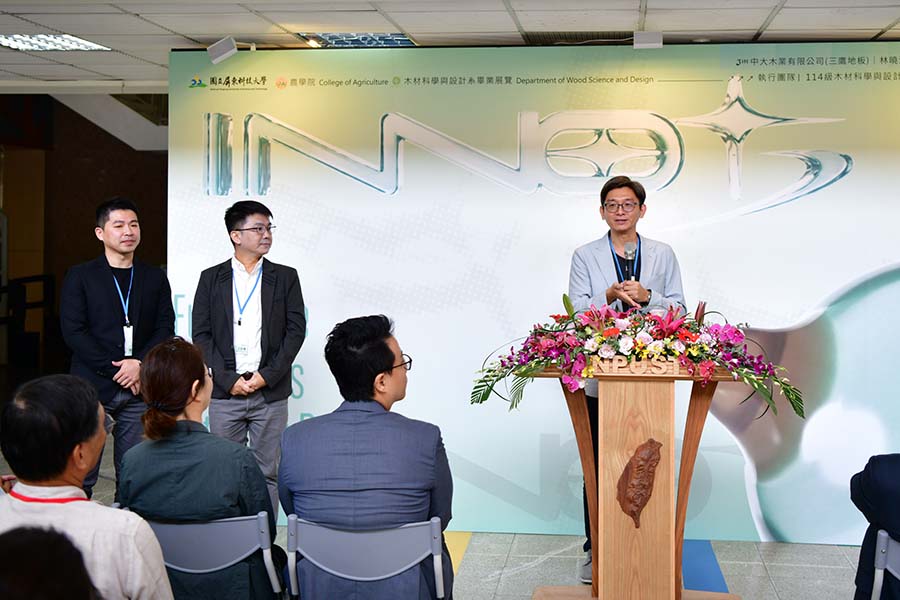
The Department of Wood Science and Design at National Pingtung University of Science and Technology (NPUST) officially launched its Class of 2026 Graduation Exhibition, entitled “INNO+”, at the campus Library and Exhibition Hall. The exhibition will run from April 25 to April 29, showcasing 30 sets of projects completed by students over the course of the academic year.
Spanning three major fields (Product and Furniture Design, Wood Science, and Spatial Design), this year’s cohort delivered outstanding work, with 5 projects shortlisted for the Youth Design Festival, 7 for the Golden Pin Design Award, and 1 for the National Student Practical Project Competition for Universities of Technology. Such achievements highlight the university’s strengths in the area of practical and innovative design.
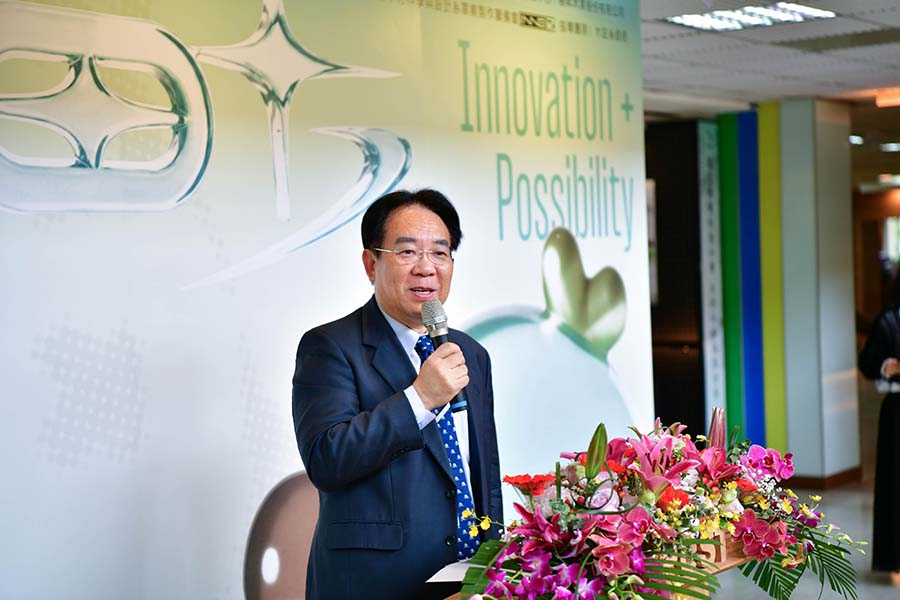
Chin-Lung Chang, President of NPUST, stated that the Department of Wood Science and Design integrates science and design with hands-on craftsmanship, and applies an educational philosophy that emphasizes cross-disciplinary integration. He interpreted the “plus” in “INNO+” as a representation of positive value—emphasizing the combination of positive thinking and artistic intuition. He expressed his hope that students would concretely apply their knowledge and skills to their creations. President Chang also announced that the department’s new Innovation and R&D Building is scheduled for completion this year, and will provide faculty and students with a superior learning environment and the technical resources to further strengthen teaching and research capabilities.
The theme “INNO+” reflects the idea that in a contemporary environment characterized by uncertainty and rapid change, design no longer relies on a single “standard answer.” Instead, it involves continuous exploration and response within blurred boundaries. “INNO+” does not refer to a fleeting moment of inspiration or a sudden leap, but rather a process formed through continuous practice, revision, and accumulation. It symbolizes an “incremental” design mindset—deepening understanding, strengthening practice, and persevering through uncertainty. By undergoing repeated trials and adjustments during the manufacturing process and learning from imperfections, students gradually shape their personal design language and transform it into a professional capacity that addresses the needs of the modern era.
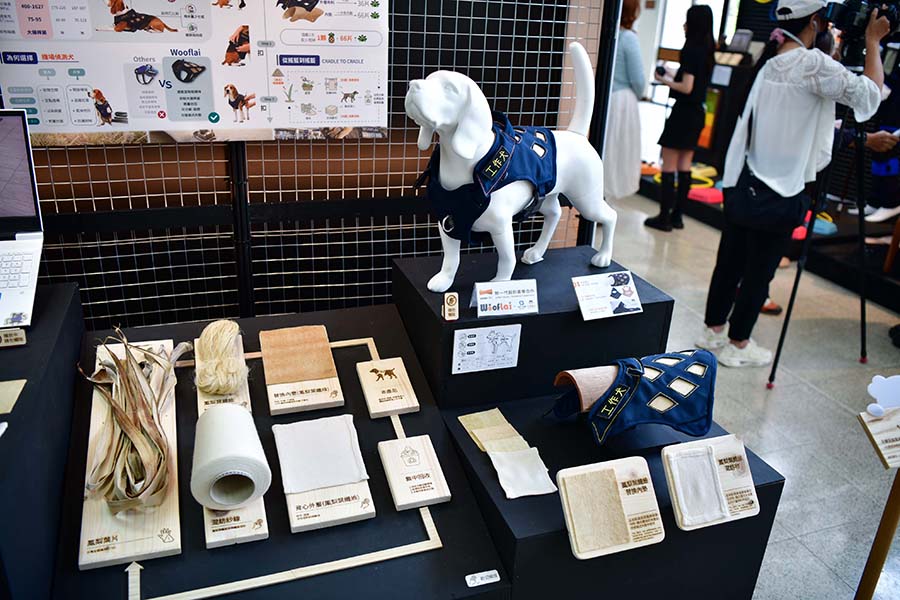
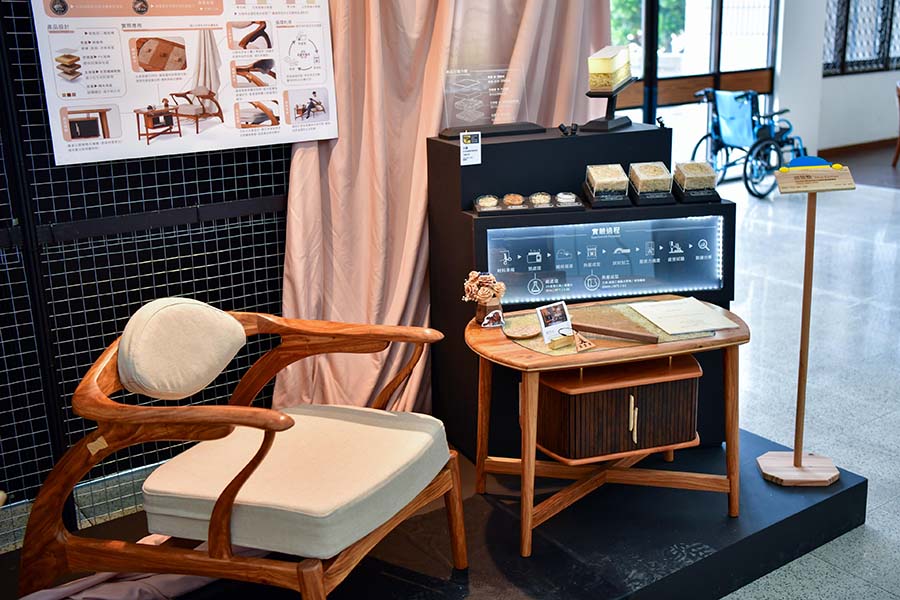
The exhibited works demonstrate diverse perspectives on material research and sustainable application. Notable examples include “assistive devices for service dogs” crafted from pineapple leaf fibers—offering breathability, tensile strength, and antibacterial properties; and “visual narratives centered on the Black Kite” that integrate picture books with wood-and-metal craft jewelry and spatial installations. Additionally, “eco-friendly furniture cushioning” utilizes natural fibers like sugarcane, coconut husk, and loofah to replace petrochemical materials, highlighting the significant potential for repurposing agricultural by-products.
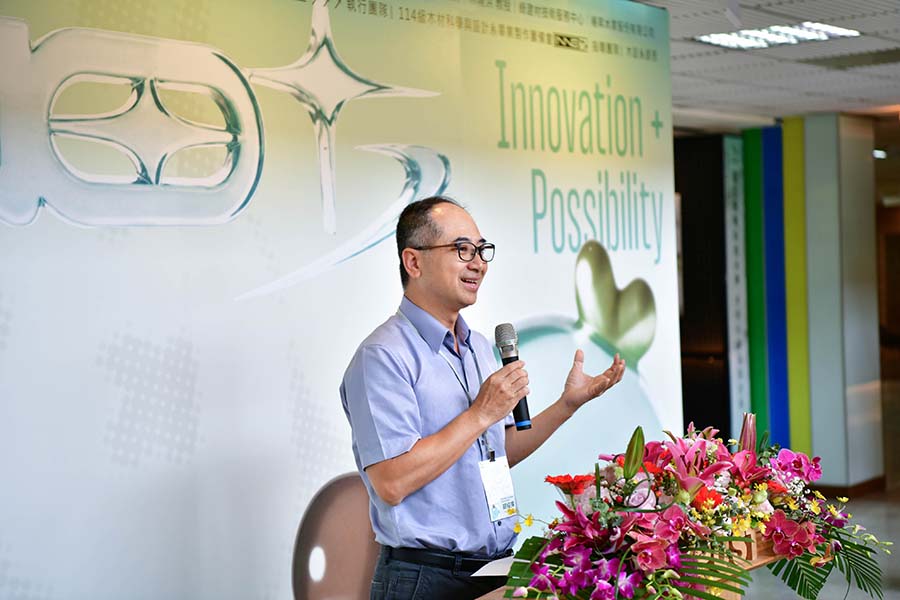
According to the Department of Wood Science and Design, the exhibition serves not only to present the results of students’ featured projects but also to cultivate integrated skills in spatial layout, visual communication, and audience interaction through the actual planning of the exhibition. In this way, students are able to further strengthen their professional capabilities and bridge the gap between the classroom and the workplace while also responding to global sustainability issues.