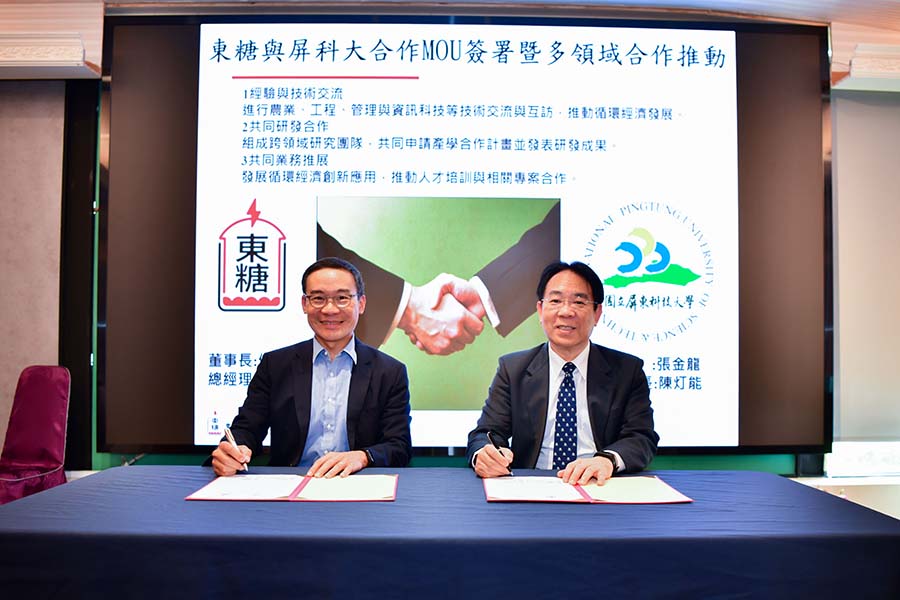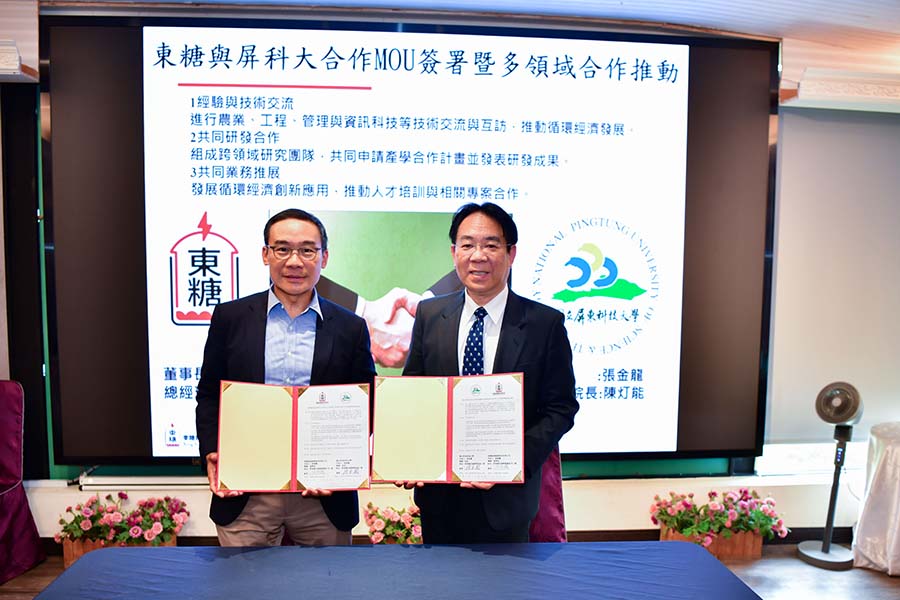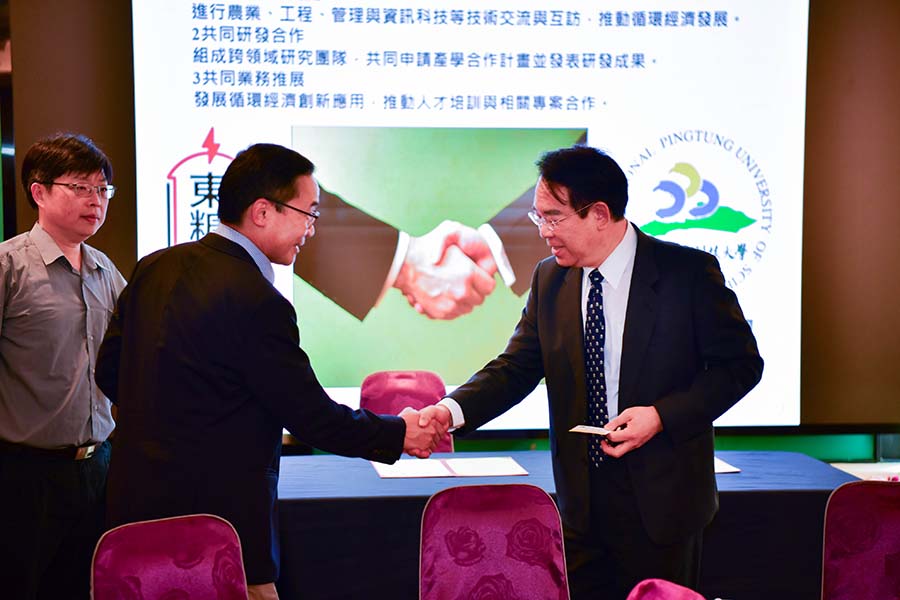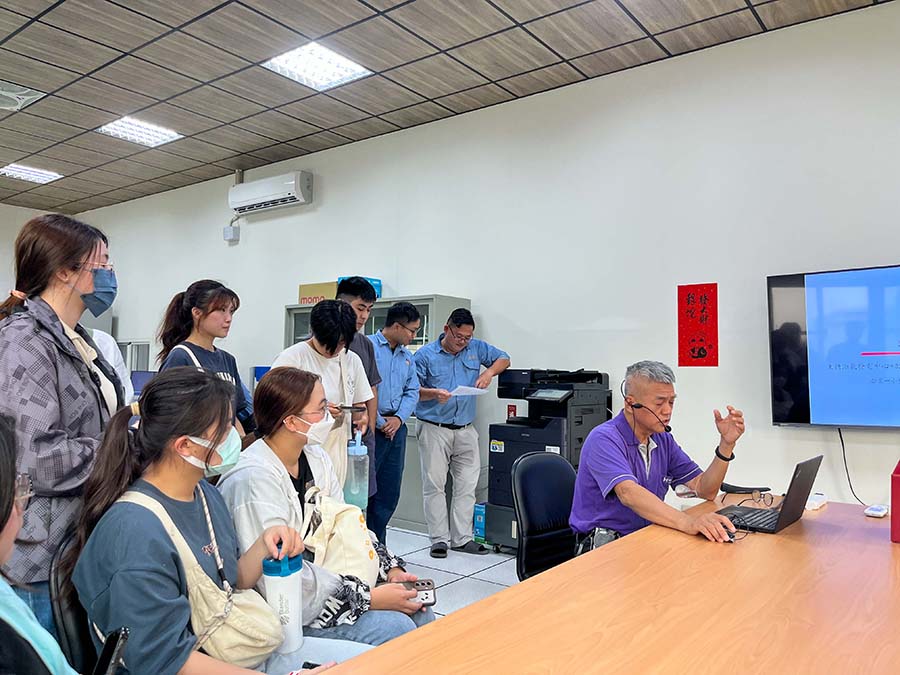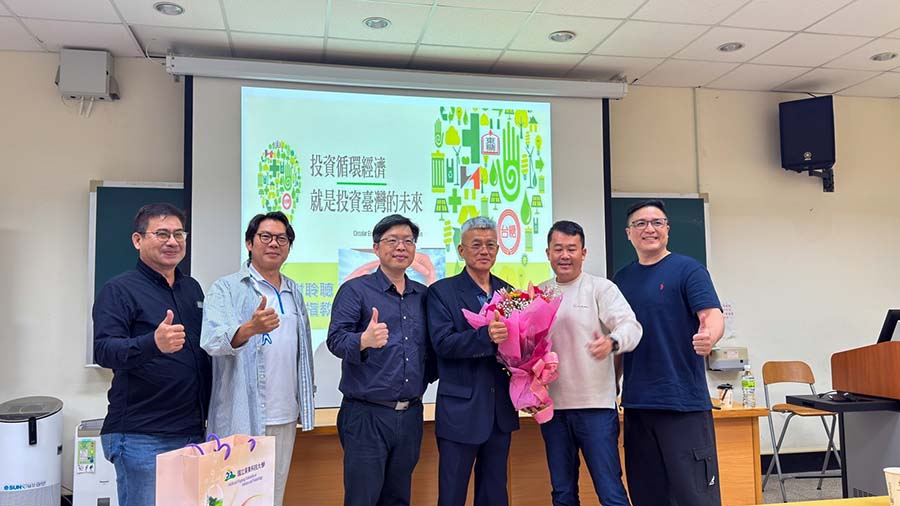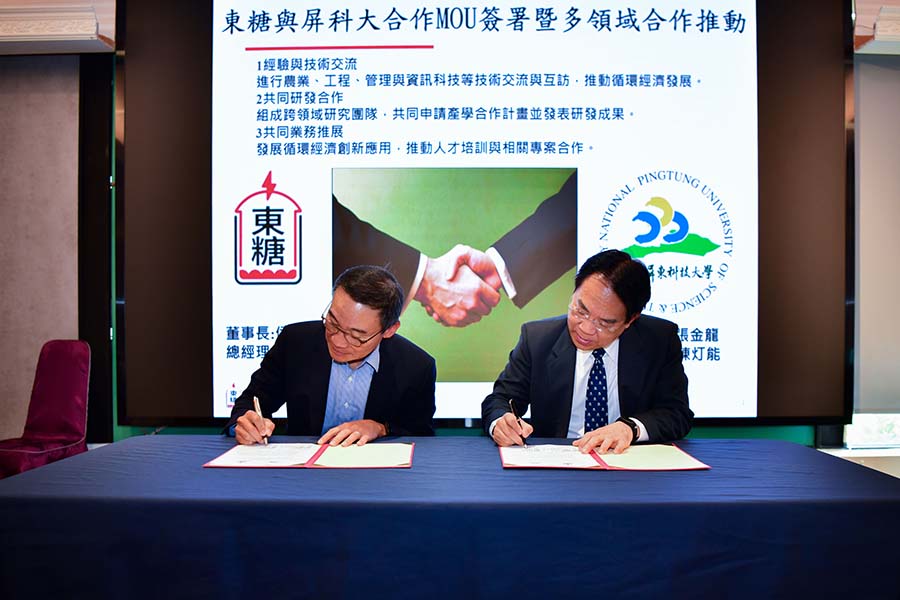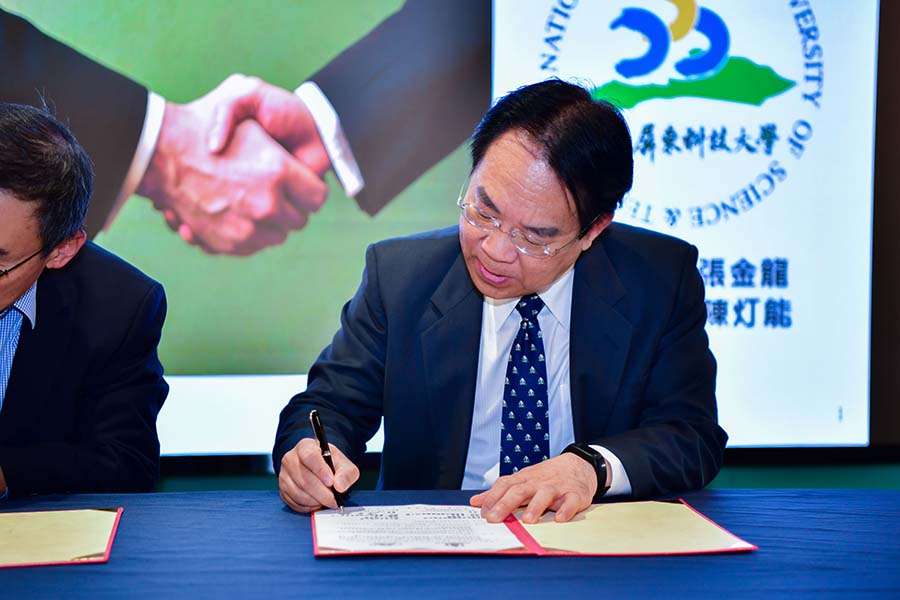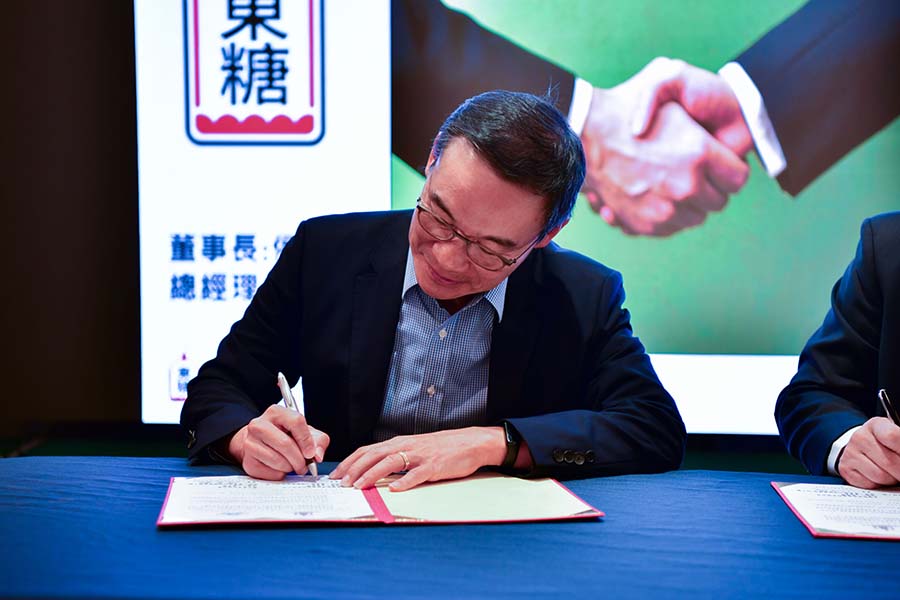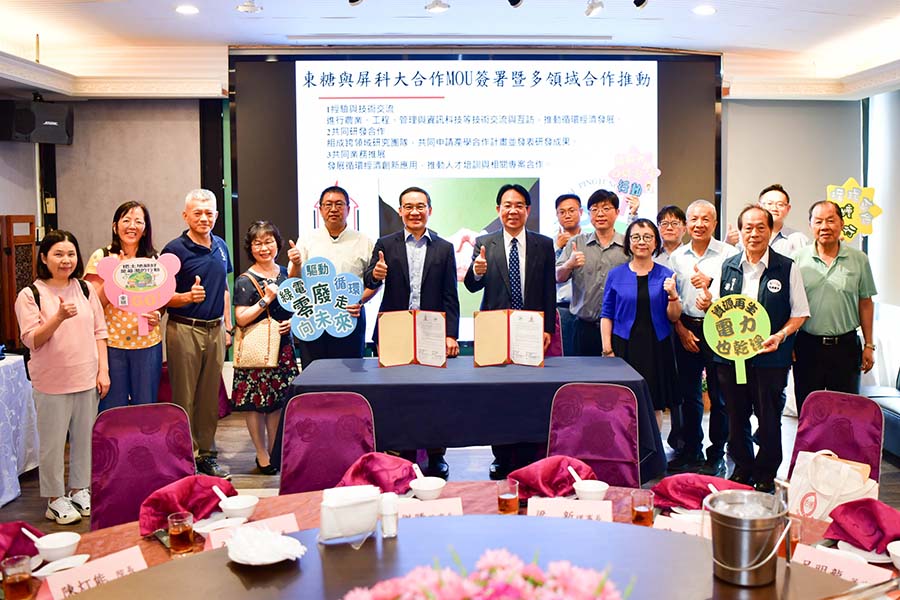
National Pingtung University of Science and Technology (NPUST) and Tung Sugar Energy Service Co., Ltd. (TSES) have officially signed a Memorandum of Understanding (MOU) for a strategic alliance. Represented by NPUST President Chin-Lung Chang and TSES Chairman Henry Ho, the partnership aims to respond to global net-zero emission trends and deepen the development of local green energy. By integrating academic R&D capabilities with industrial practical resources, the collaboration focuses on “Circular Economies” while cultivating professional talent for Taiwan’s sustainable development and green energy industries.
Three Pillars of Cooperation
Through the strategic alliance, both parties will collaborate across three primary dimensions. The first dimension of “Experience and Technical Exchange” will focus on leveraging NPUST’s strengths in agriculture, engineering, management, and information technology to facilitate mutual visits and professional consultations. The second, which is centered on “Joint Research and Development” will lead to the formation of interdisciplinary research teams to specialize in biomass energy, circular economy technologies and joint industry-academic research projects. Finally, in the area of “Business Promotion”, the parties will integrate resource and make use of shared facilities to promote student training, internships, and seminars. This will ensure a seamless transition from academics to employment and helps implement technical applications in real-world scenarios.
Driving Regional Green Development
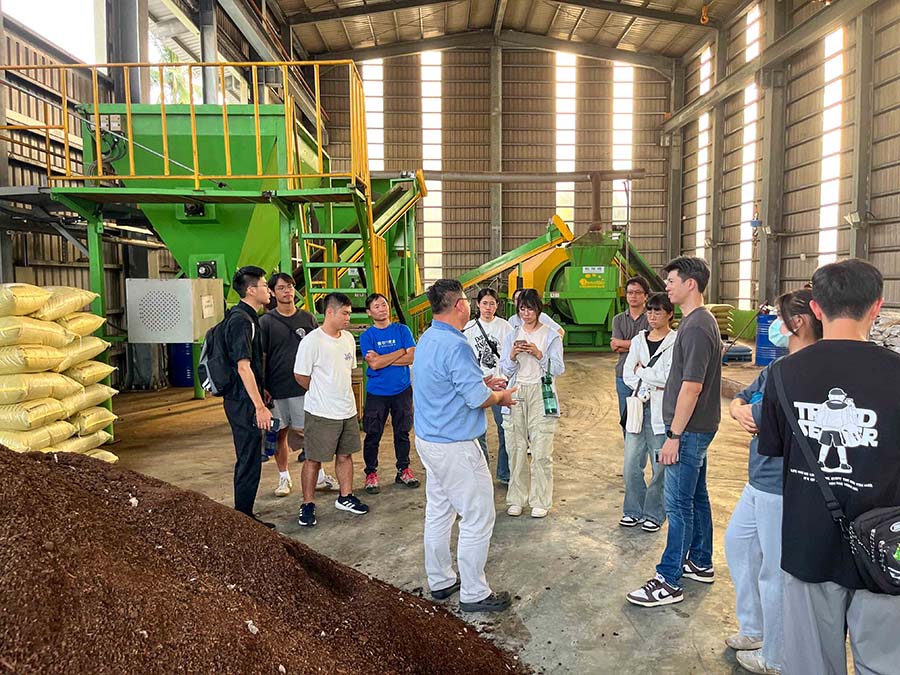
TSES is a joint venture between Tung Ho Steel and Taiwan Sugar Corporation (Taisugar). The company established Taiwan’s first professional biogas power plant—the Tung Sugar Biogas Center—in Neipu, Pingtung. This facility serves as a model for circular economies by converting agricultural and food waste into green electricity and organic fertilizer.
As both organizations are located in Neipu Township, Pingtung County, the geographical proximity makes the alliance highly effective. The partnership is expected to drive the regional green energy industry forward, creating a sustainable development model that serves as both a local anchor and a national benchmark for circular and green economies in Taiwan.