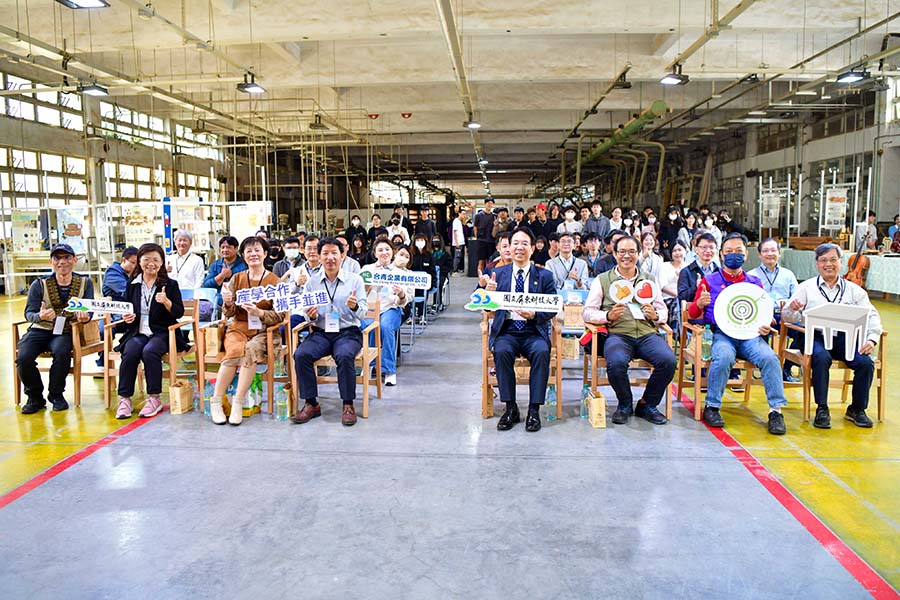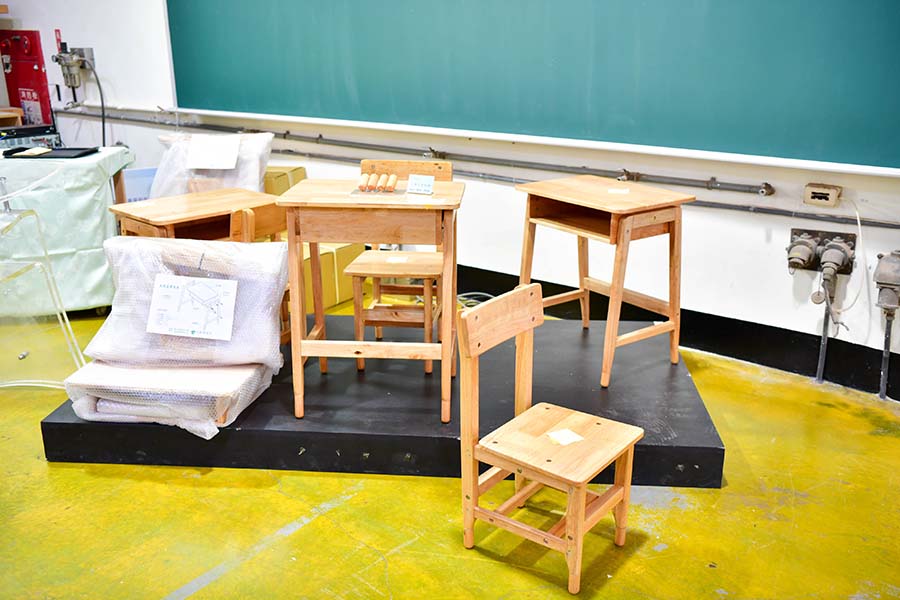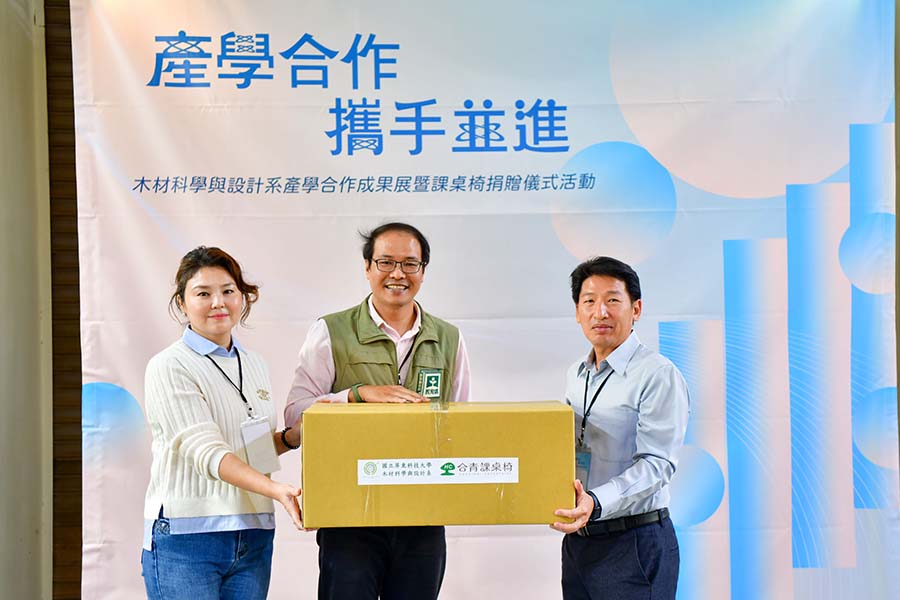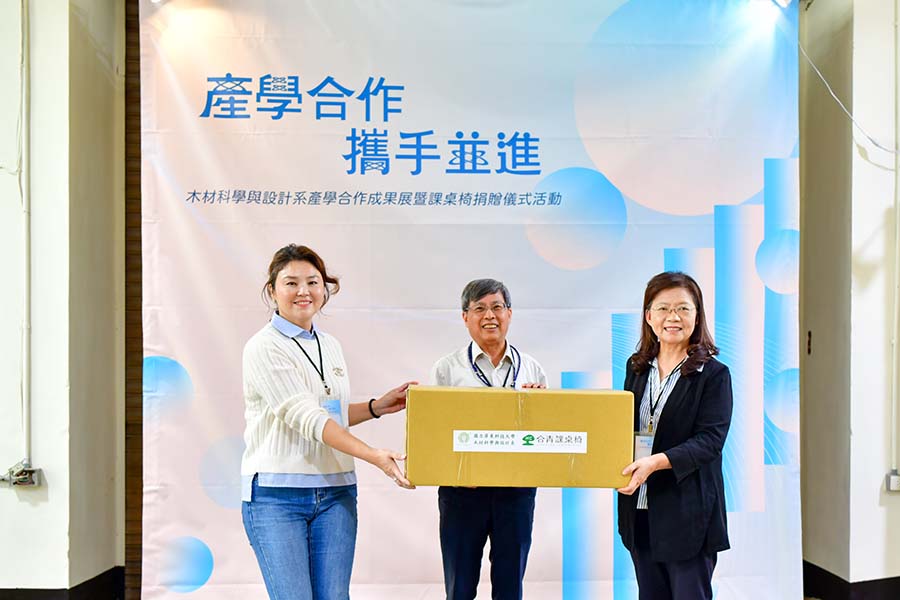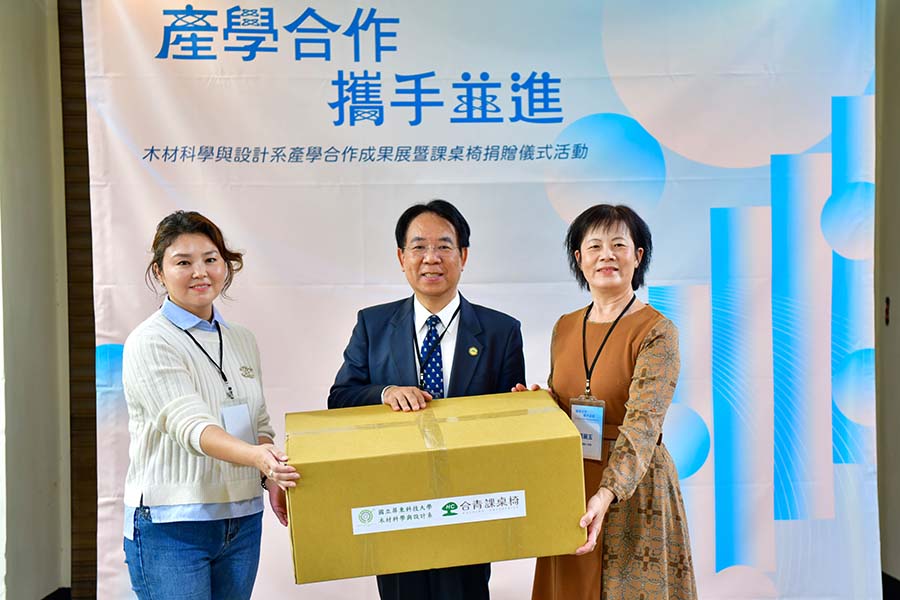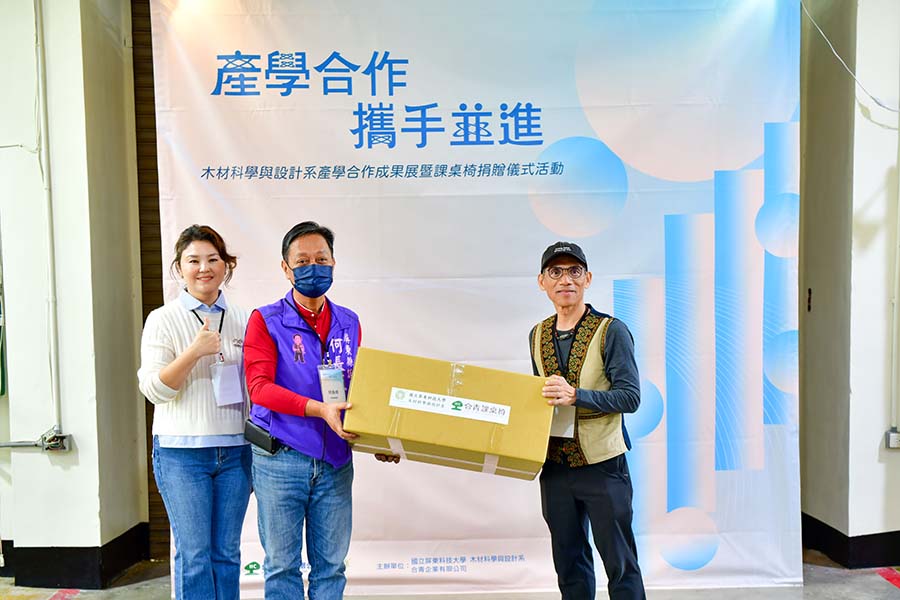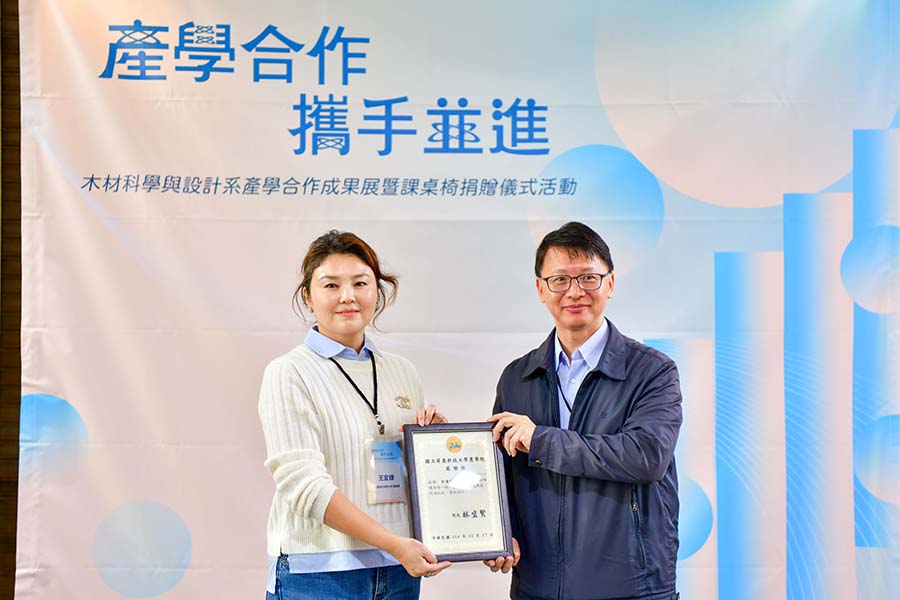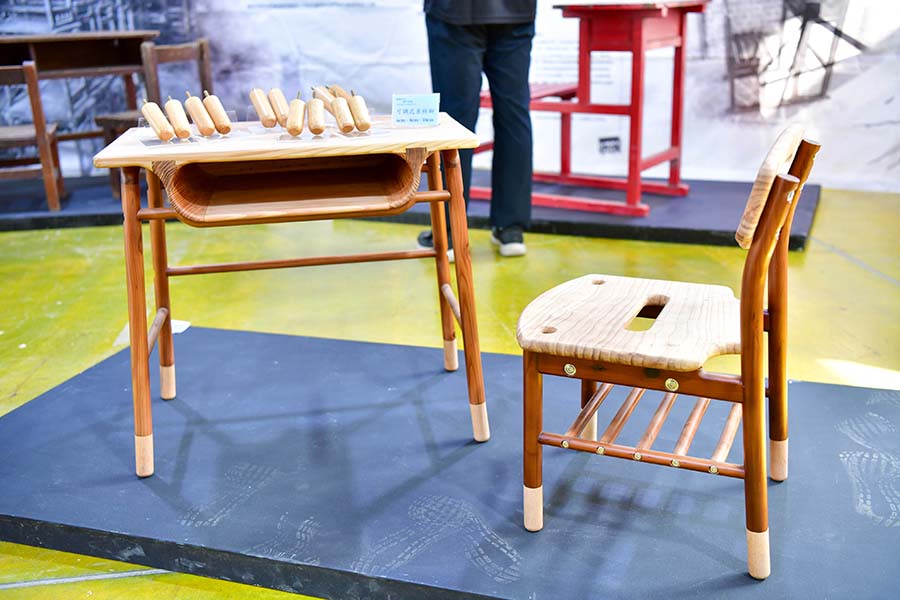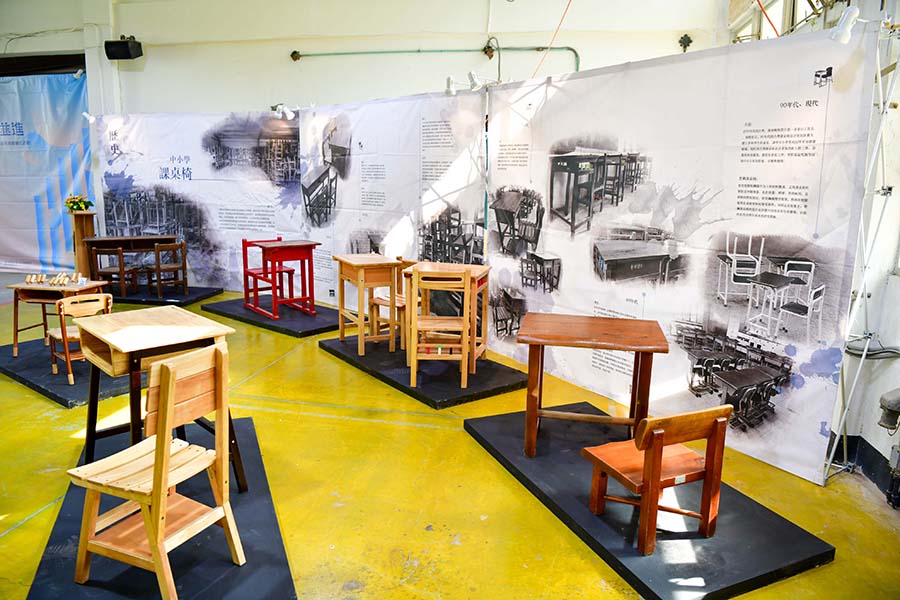
National Pingtung University of Science and Technology (NPUST) has strengthened its ties with the private sector through a significant collaboration between the Department of Wood Science and Design and Ho Ching Enterprise Co., Ltd. As part of the “Wood R&D Project for Educational Spaces”, the partnership resulted in the donation of 150 sets of newly designed, aesthetically functional desks and chairs to four rural primary schools in Pingtung County: Taiwu Elementary School, Donggang Elementary School, Fanhua Elementary School, and Guang-an Elementary School. The initiative aims to improve local learning environments while fulfilling University Social Responsibility (USR).
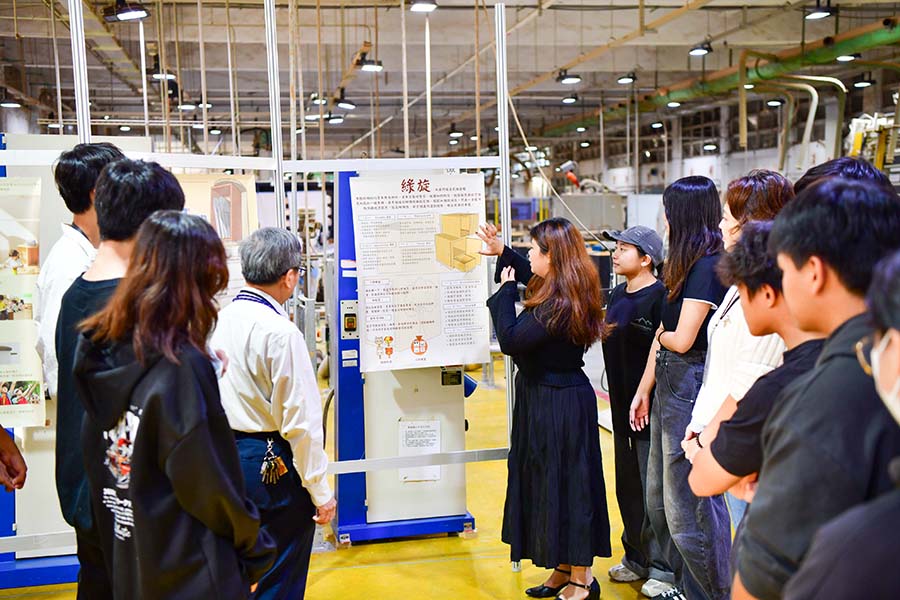
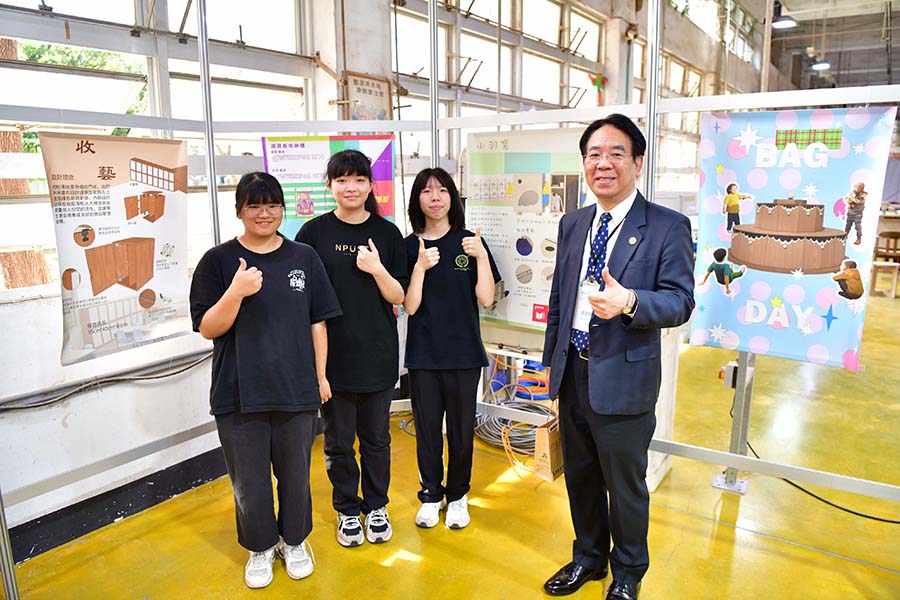
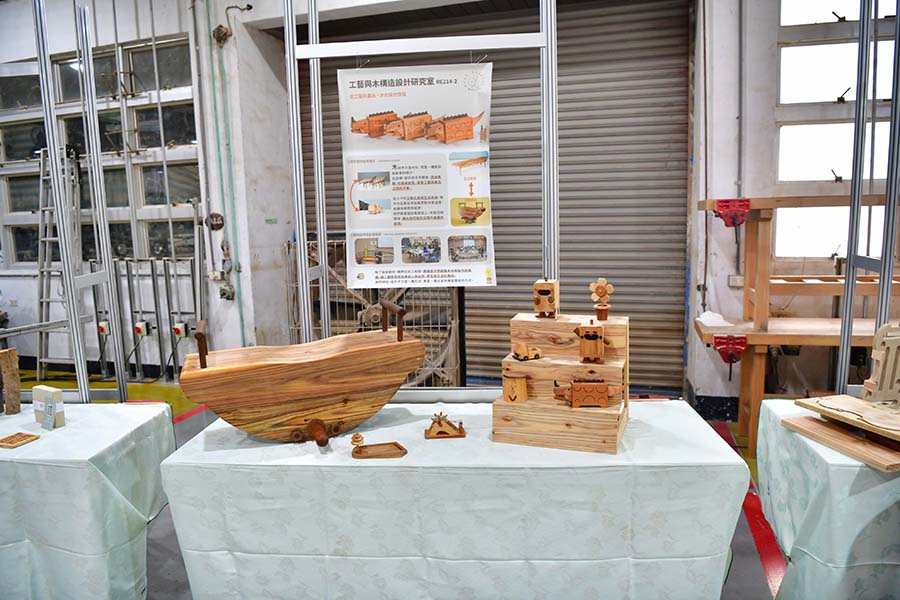
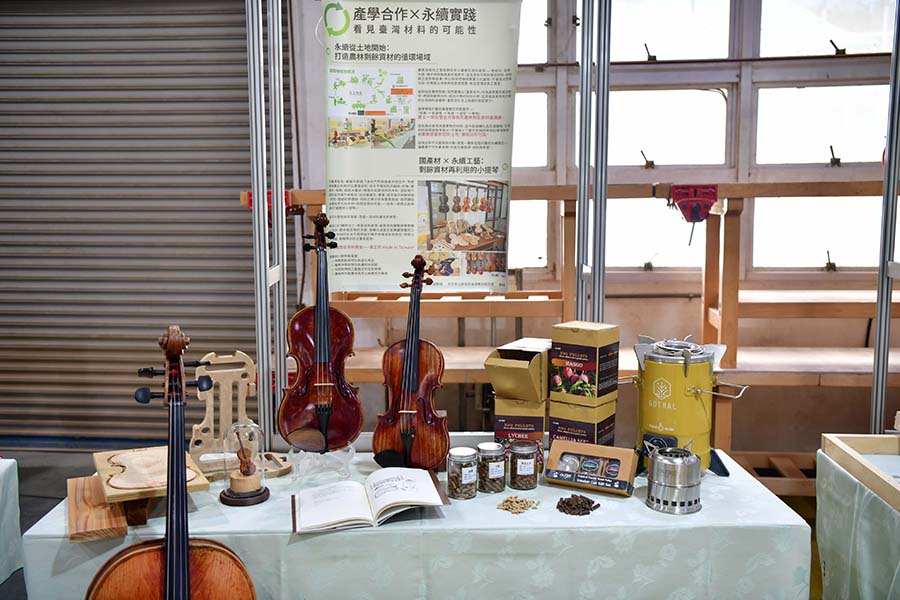
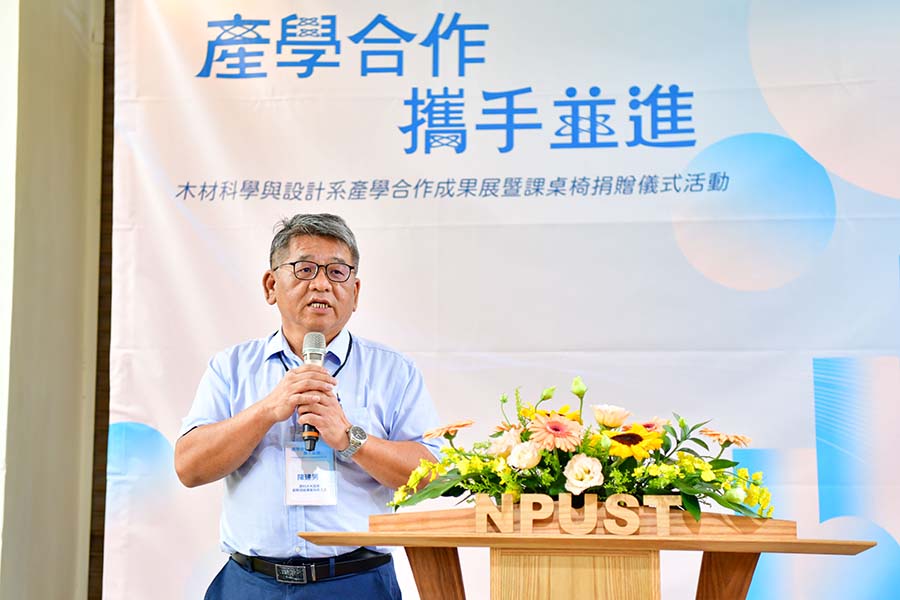
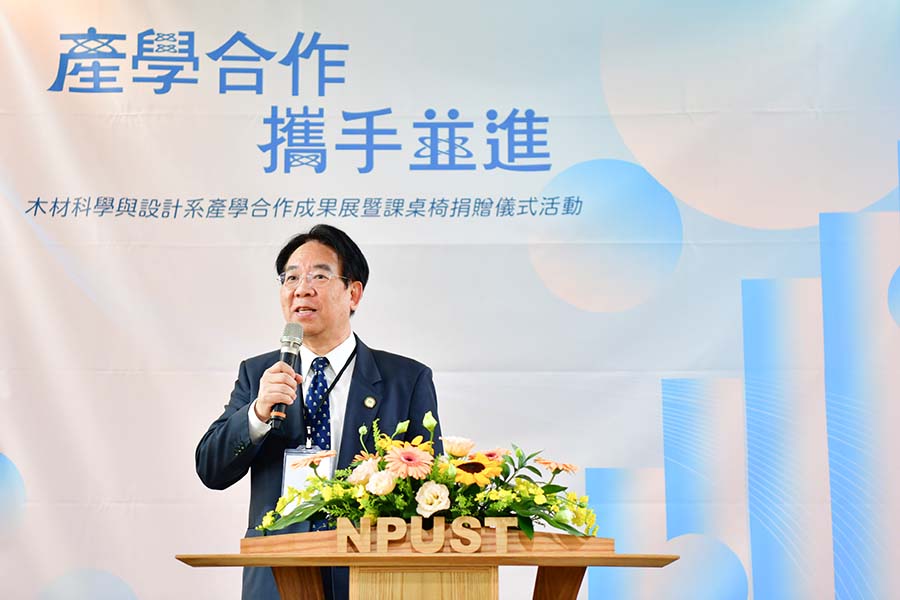
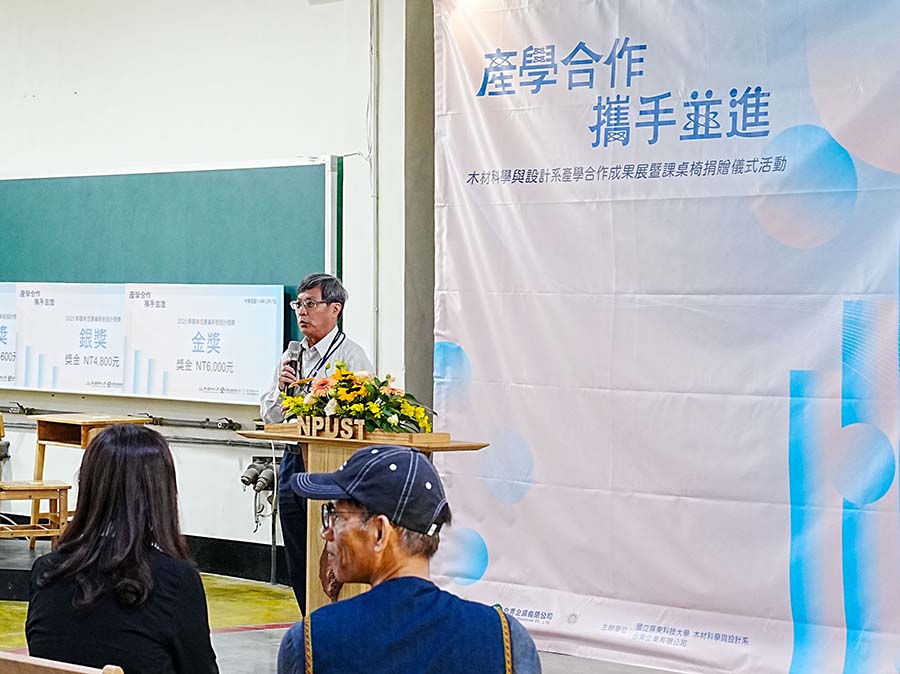
To mark the occasion, the university hosted the 2025 “Book Nest” Innovation Design Competition Award Ceremony and Wood Science and Design Department Industry-Academia Collaboration Achievement Exhibition. During the event, faculty members presented various research outcomes, including campus furniture design, sustainable timber utilization, and spatial improvement strategies. NPUST President Dr. Chin-Lung Chang emphasized the university’s commitment to “integrating theory with practice,” noting that true learning occurs when students engage with real-world industrial environments. He expressed gratitude to the Pingtung County Government and Ho Ching Enterprise for providing a platform where students can realize their professional potential.
Ho Ching Enterprise Co., Ltd. stated that their donation reflects a long-term commitment to improving educational aesthetics. By partnering with NPUST, the company has gained insight into the creativity and practical skills of the younger generation, fueling plans to develop more user-friendly furniture for public spaces. Representatives from the recipient primary schools expressed deep gratitude, highlighting that the donation symbolizes a unified effort between academia and industry to support basic education. Moving forward, the Department of Wood Science and Design intends to continue leveraging wood science and sustainable design to bridge the gap between industry, education, and community welfare.