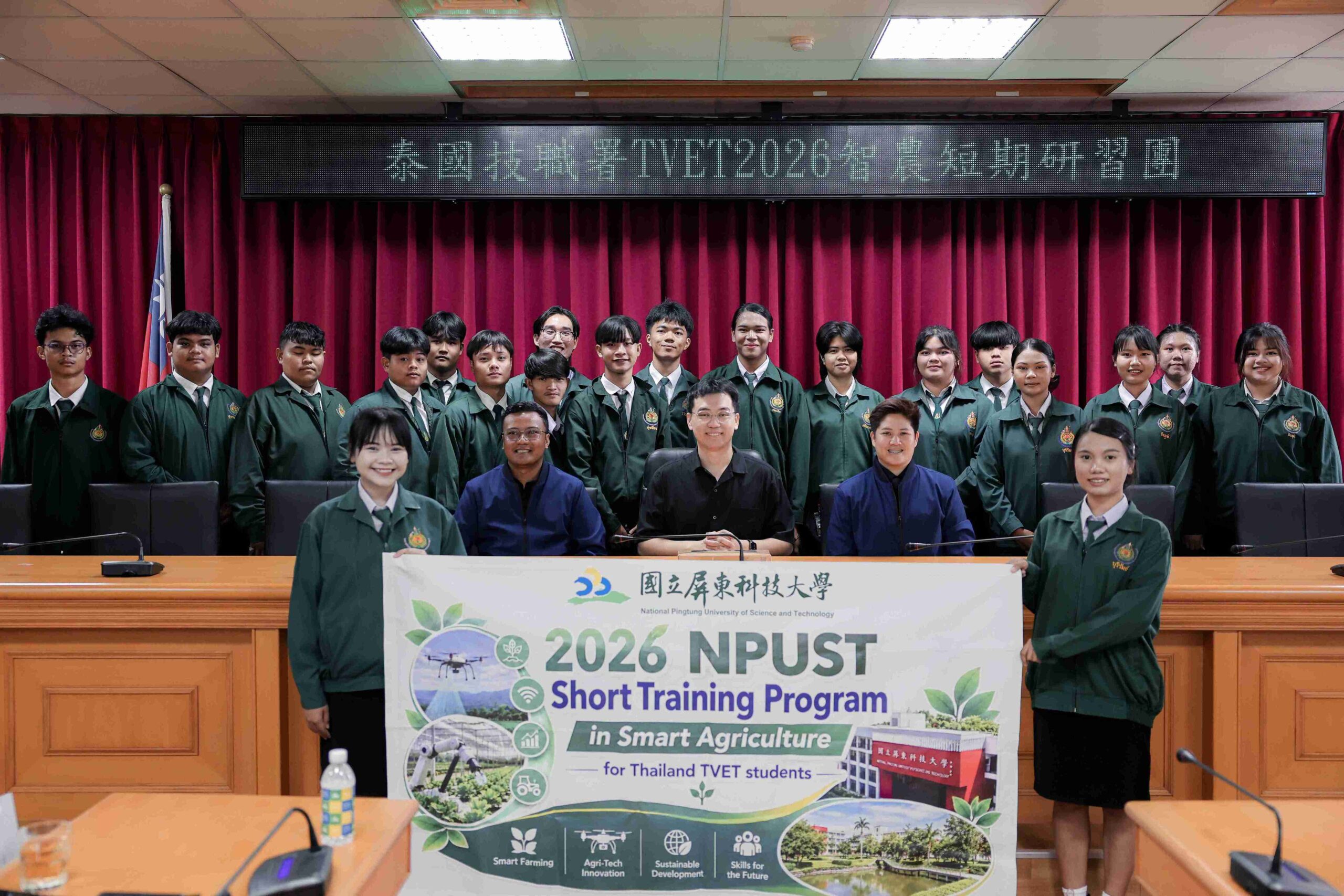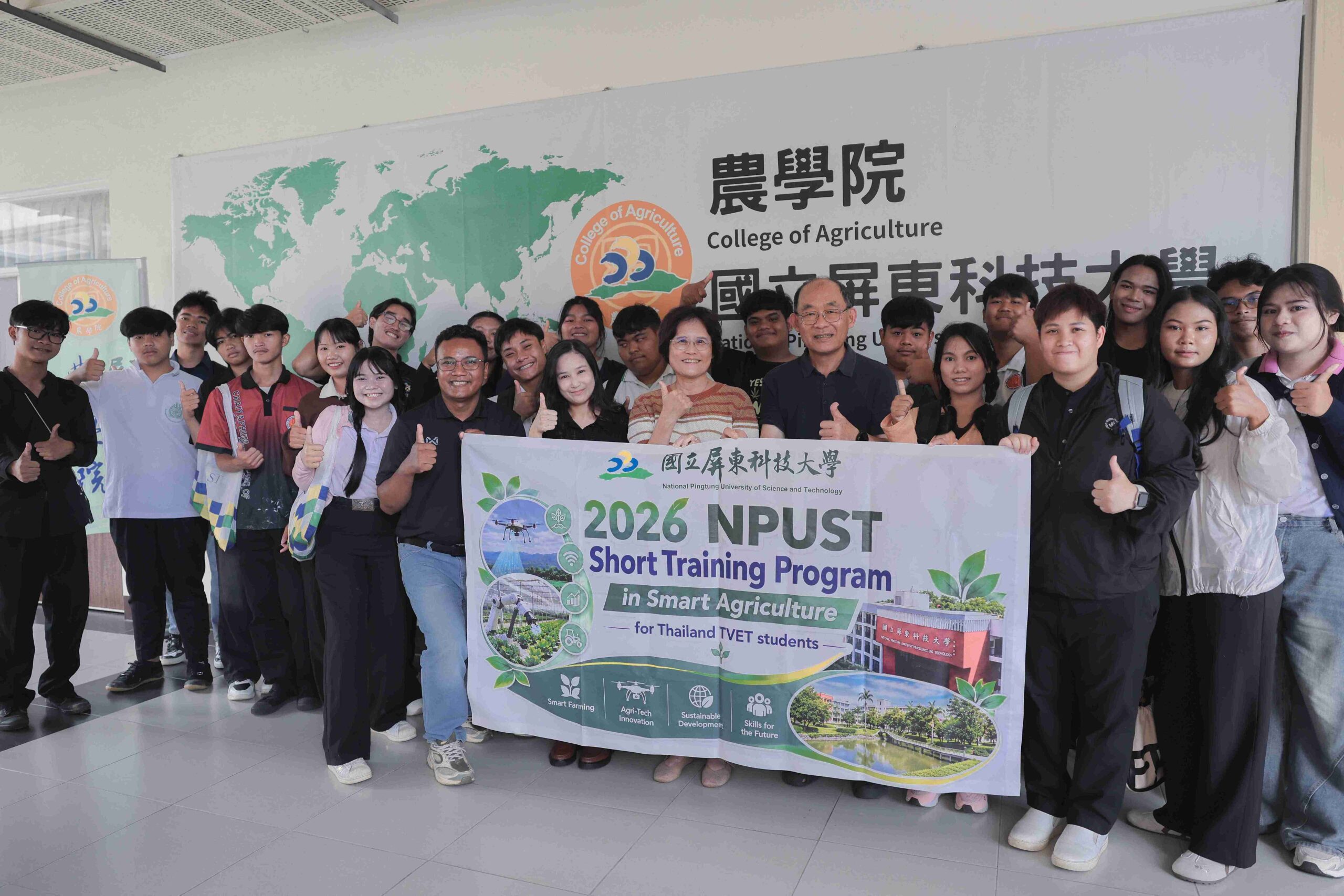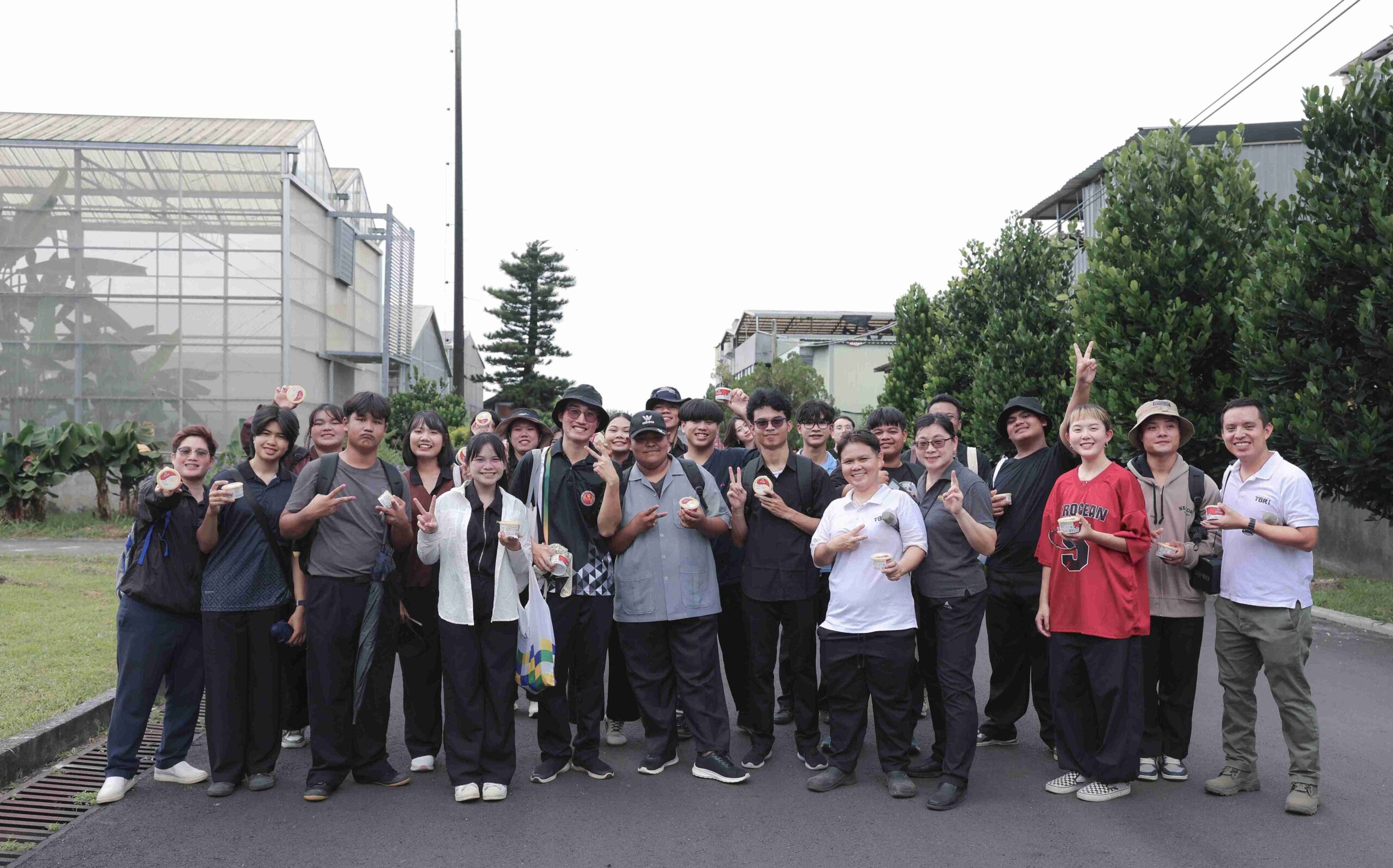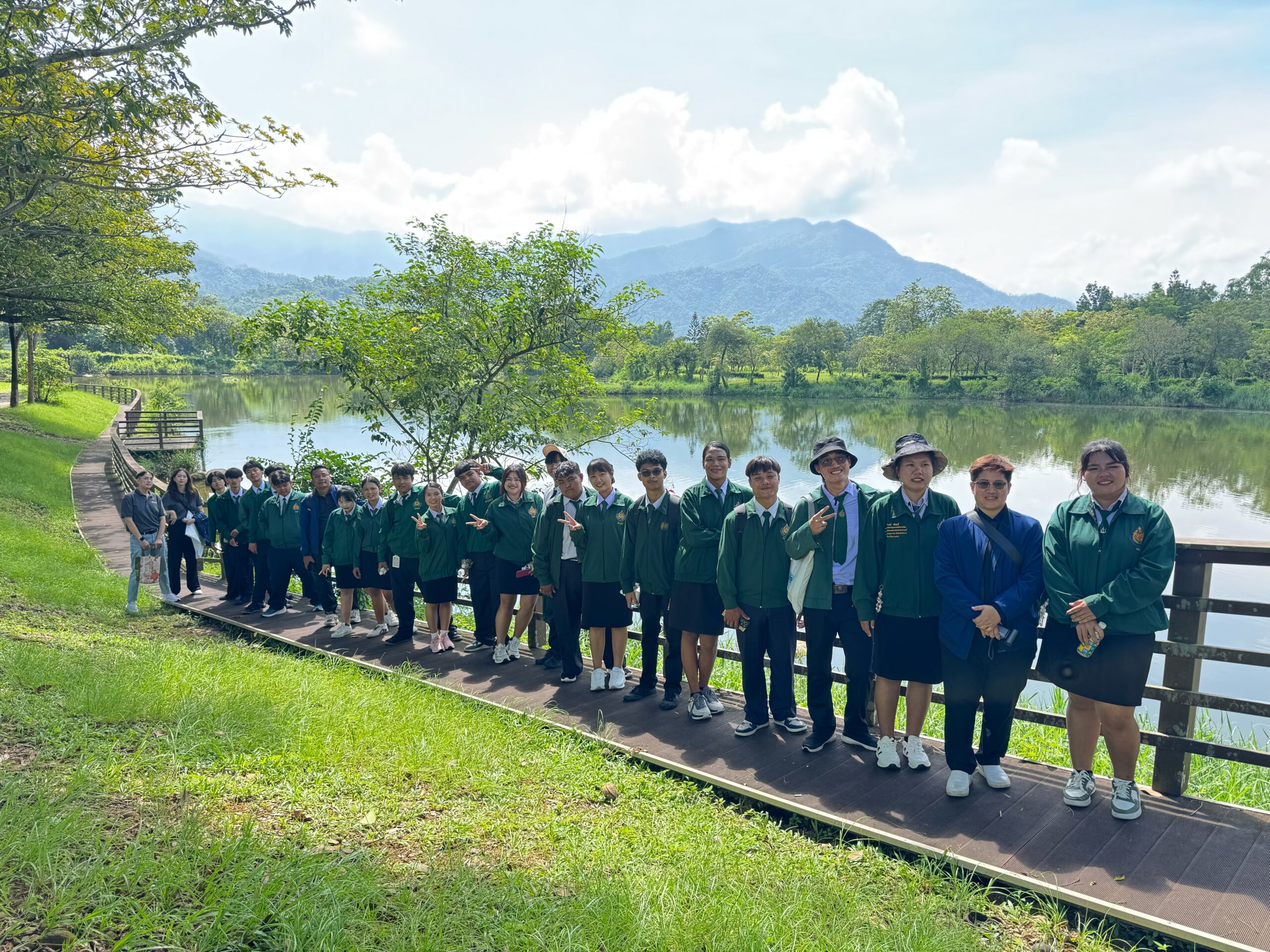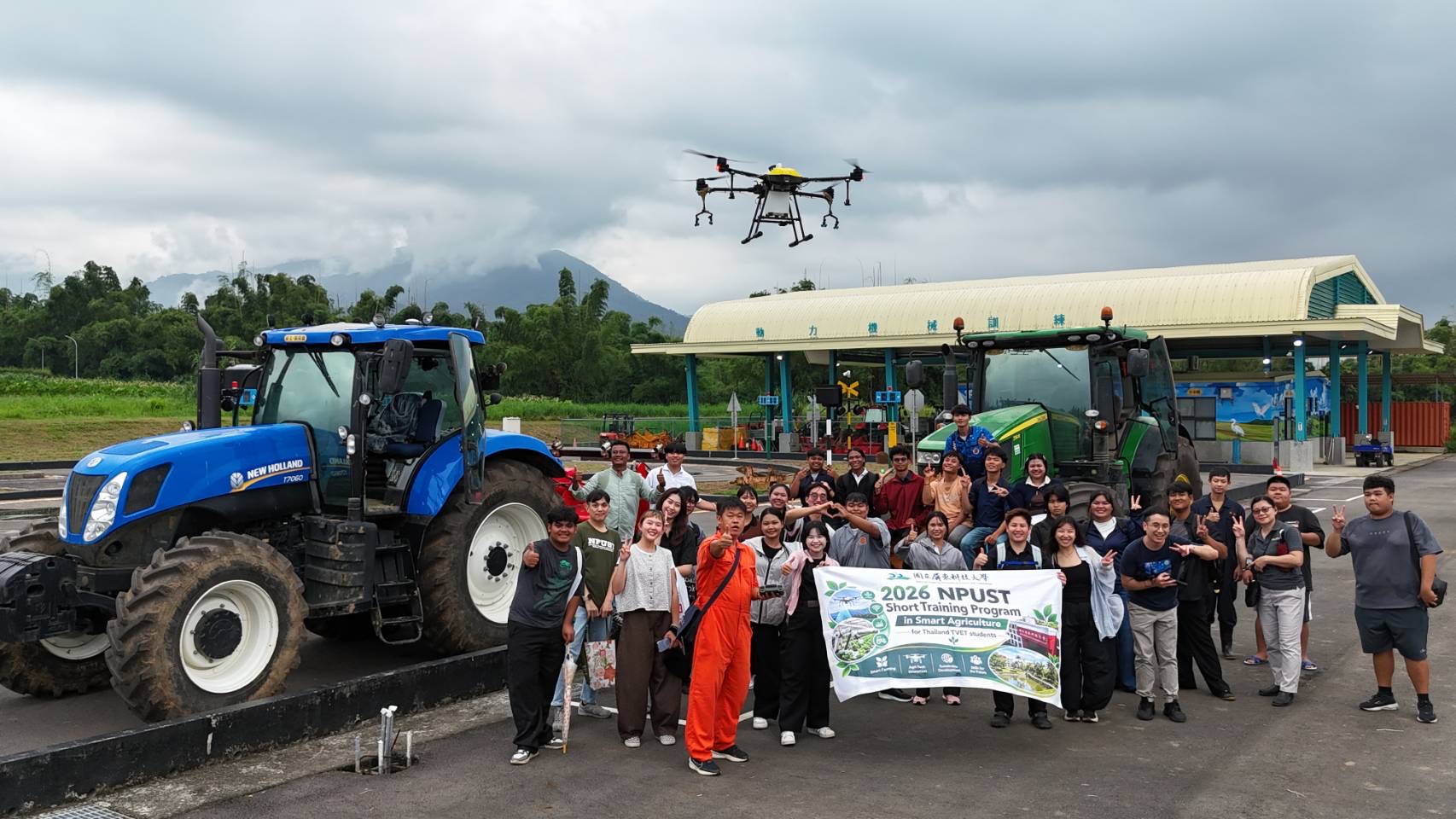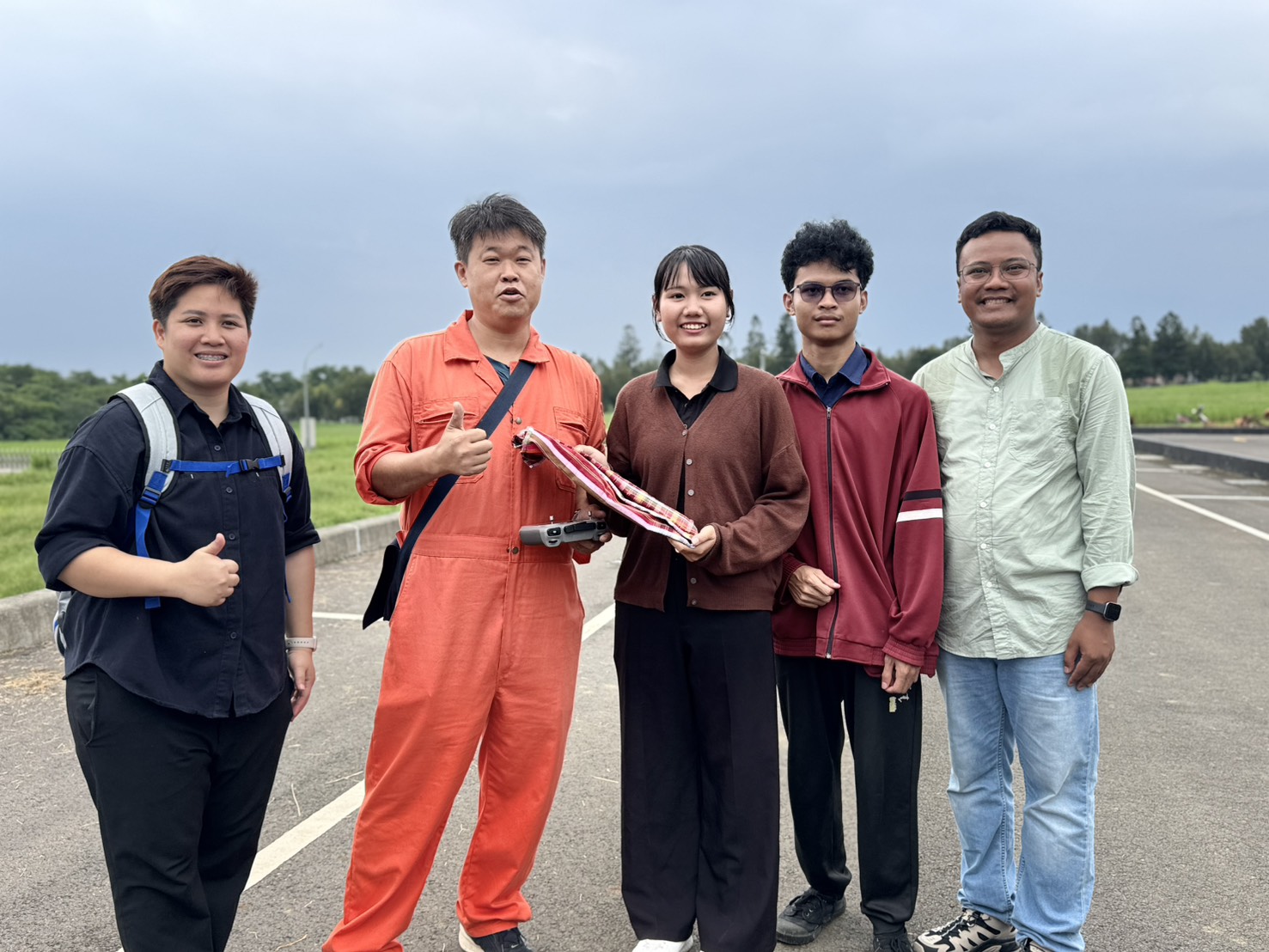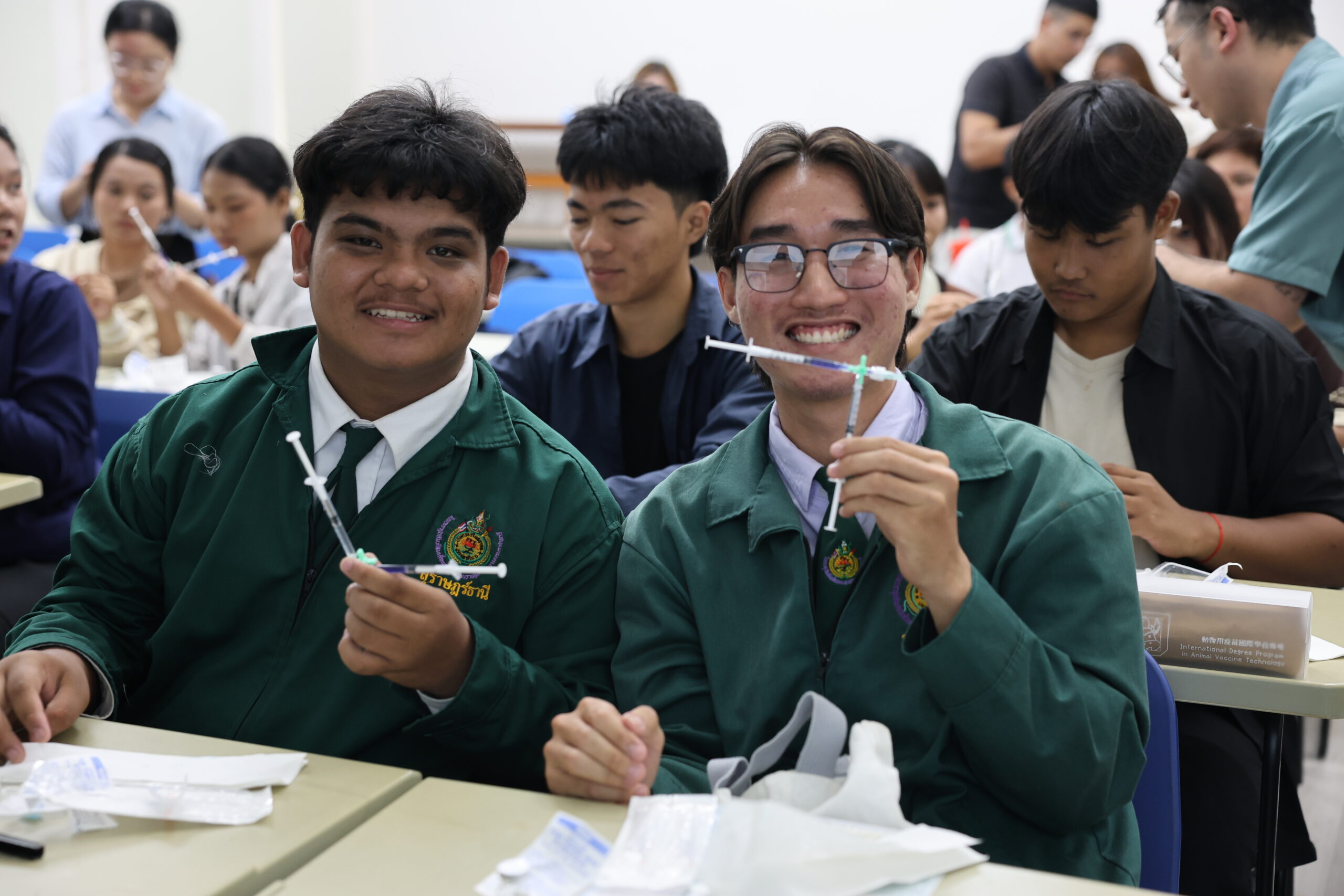
Under appointment by Thailand’s Office of the Vocational Education Commission (OVEC), the NPUST Taiwan-Thailand Education Center hosted the “Smart Agriculture and Technology Professional Training and Experience Program for Thai Vocational Students” from September 9 to September 22 (2026), to drive international agricultural talent exchanges and deepen Taiwan-Thailand vocational ties. A total of 20 students and 2 teachers from various agricultural and technical colleges across Thailand traveled to Taiwan for the 14-day study and exchange program. Combining professional courses in smart agriculture with industrial, academic, and cultural visits, the program provided Thai youth with an in-depth understanding of Taiwan’s agricultural technology and vocational education features.
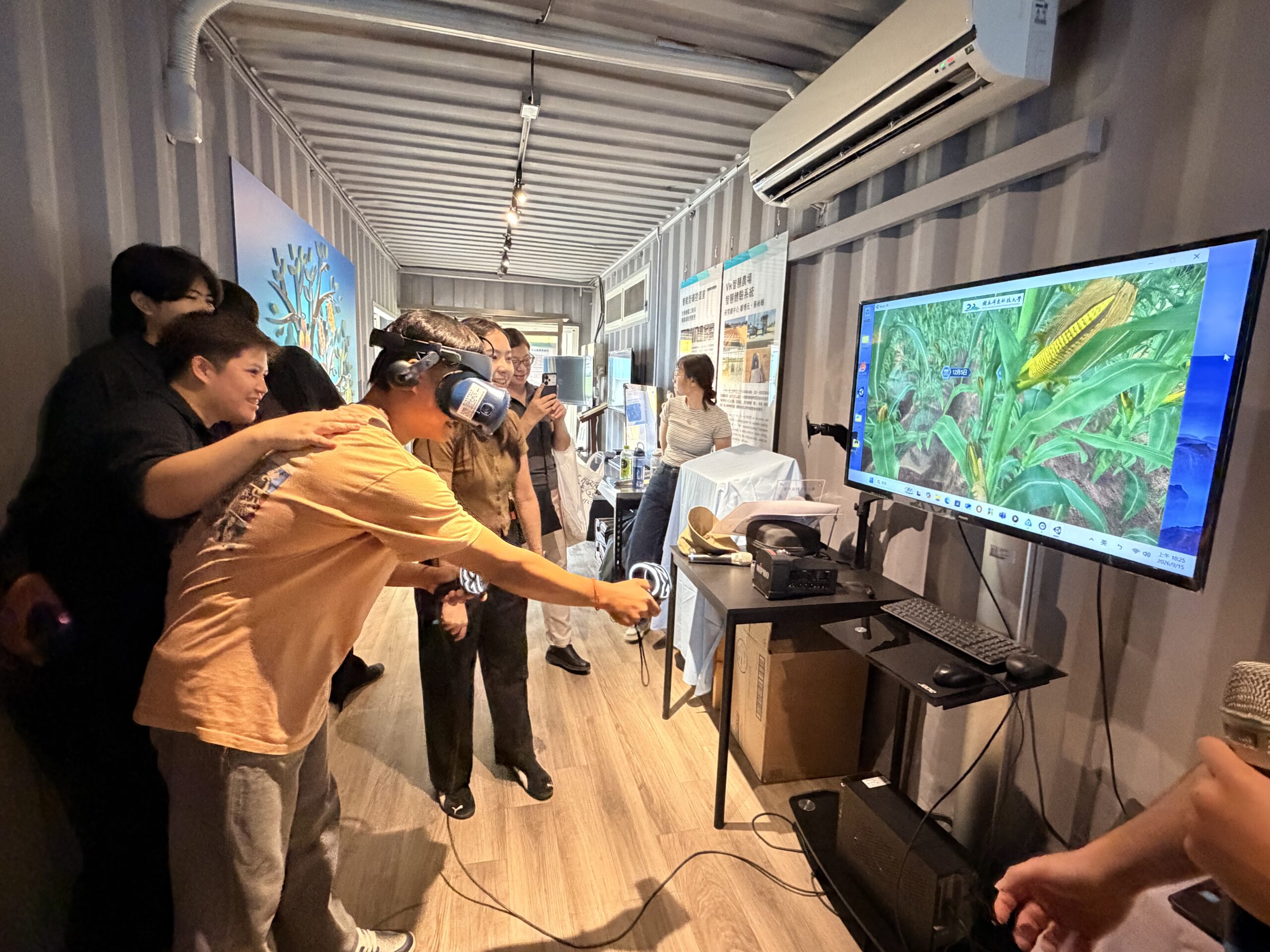
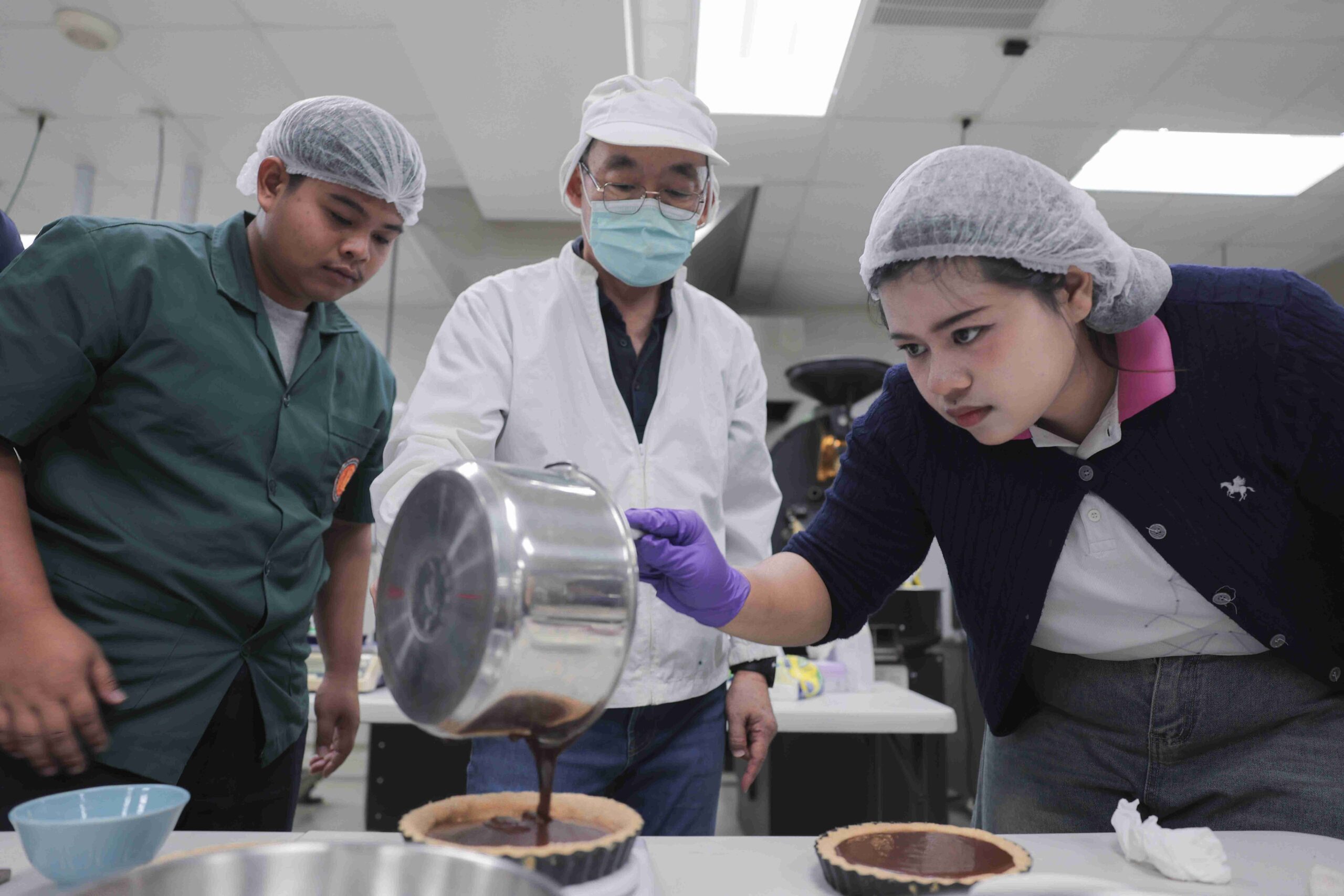
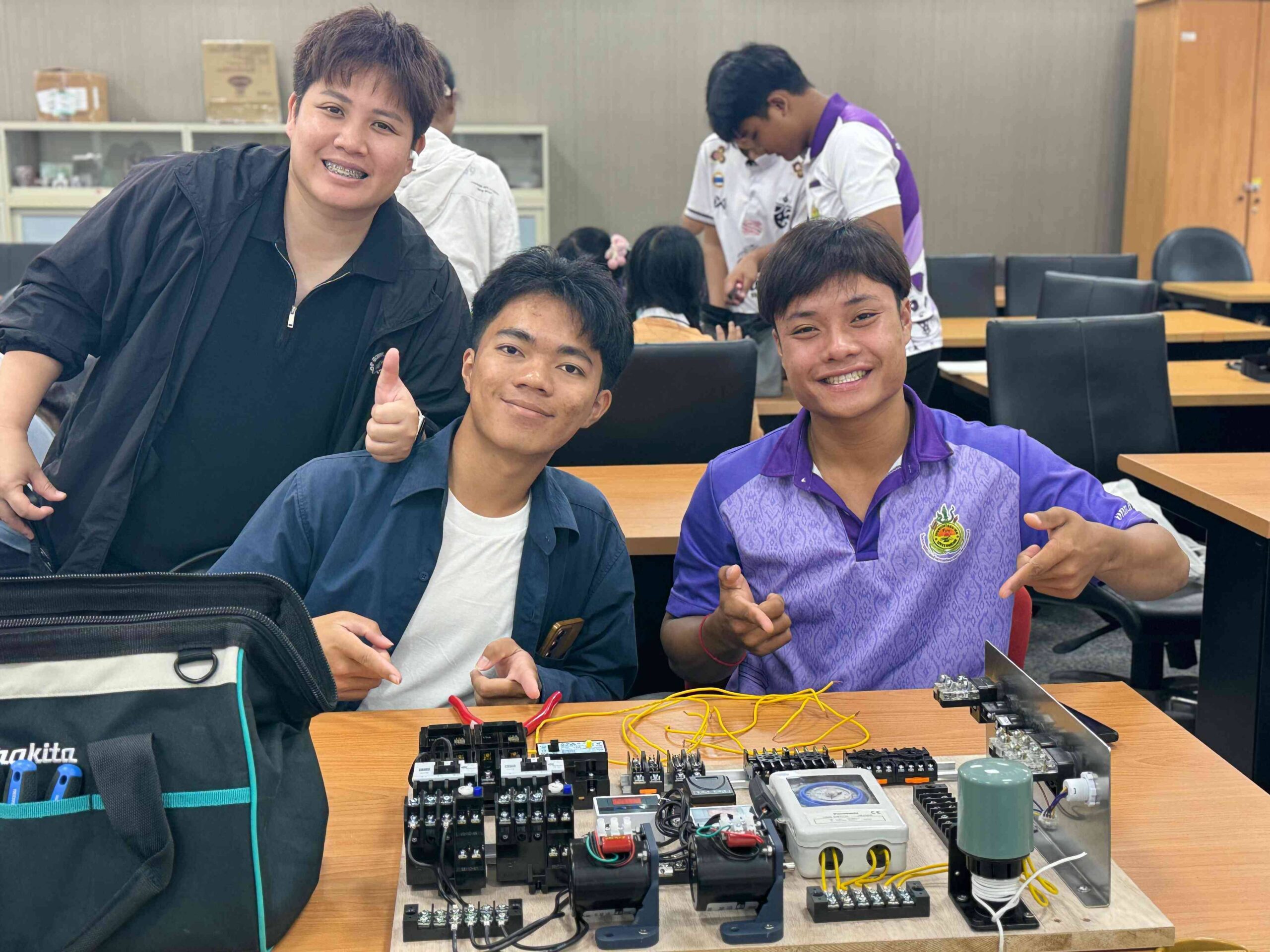
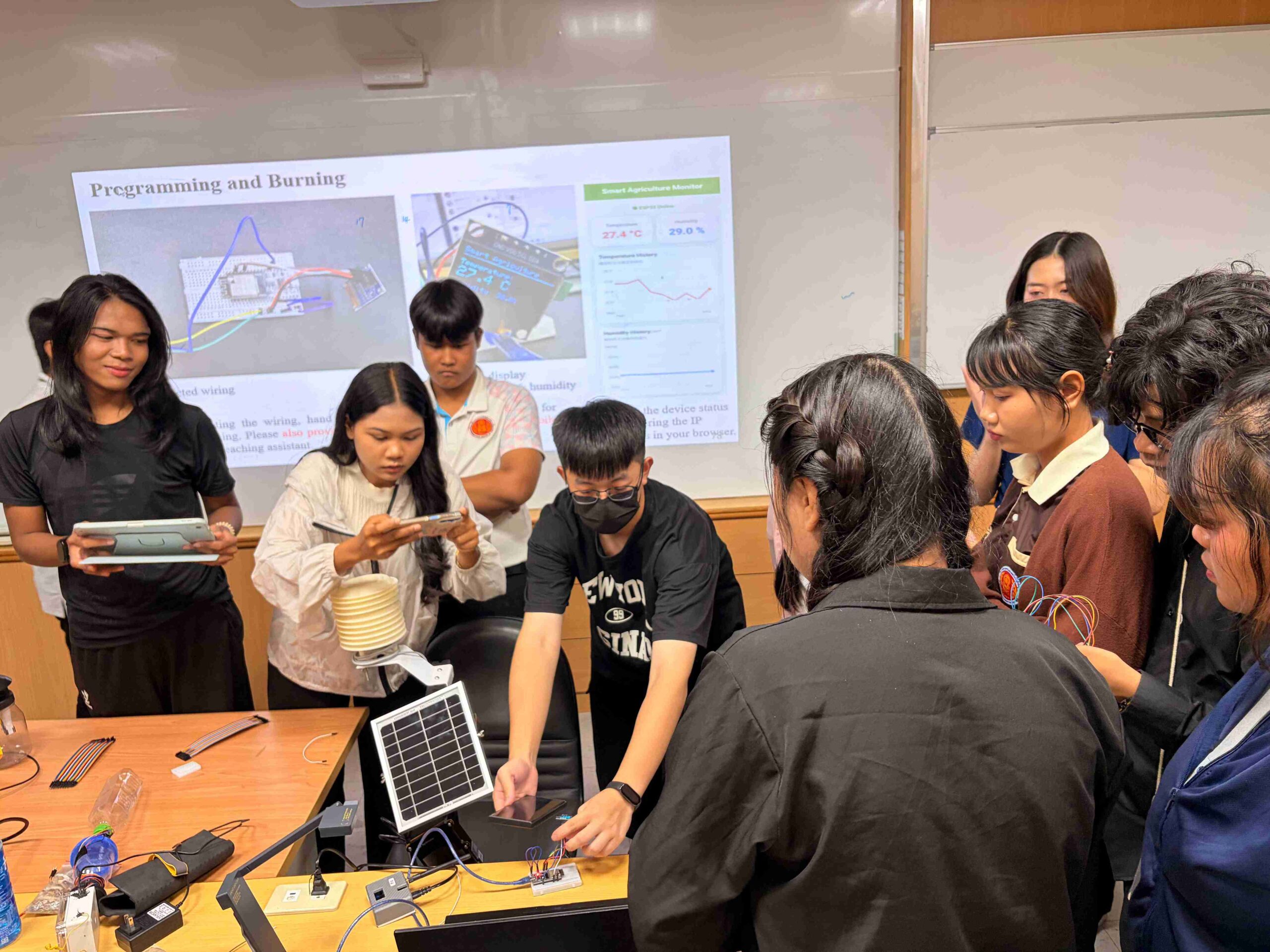
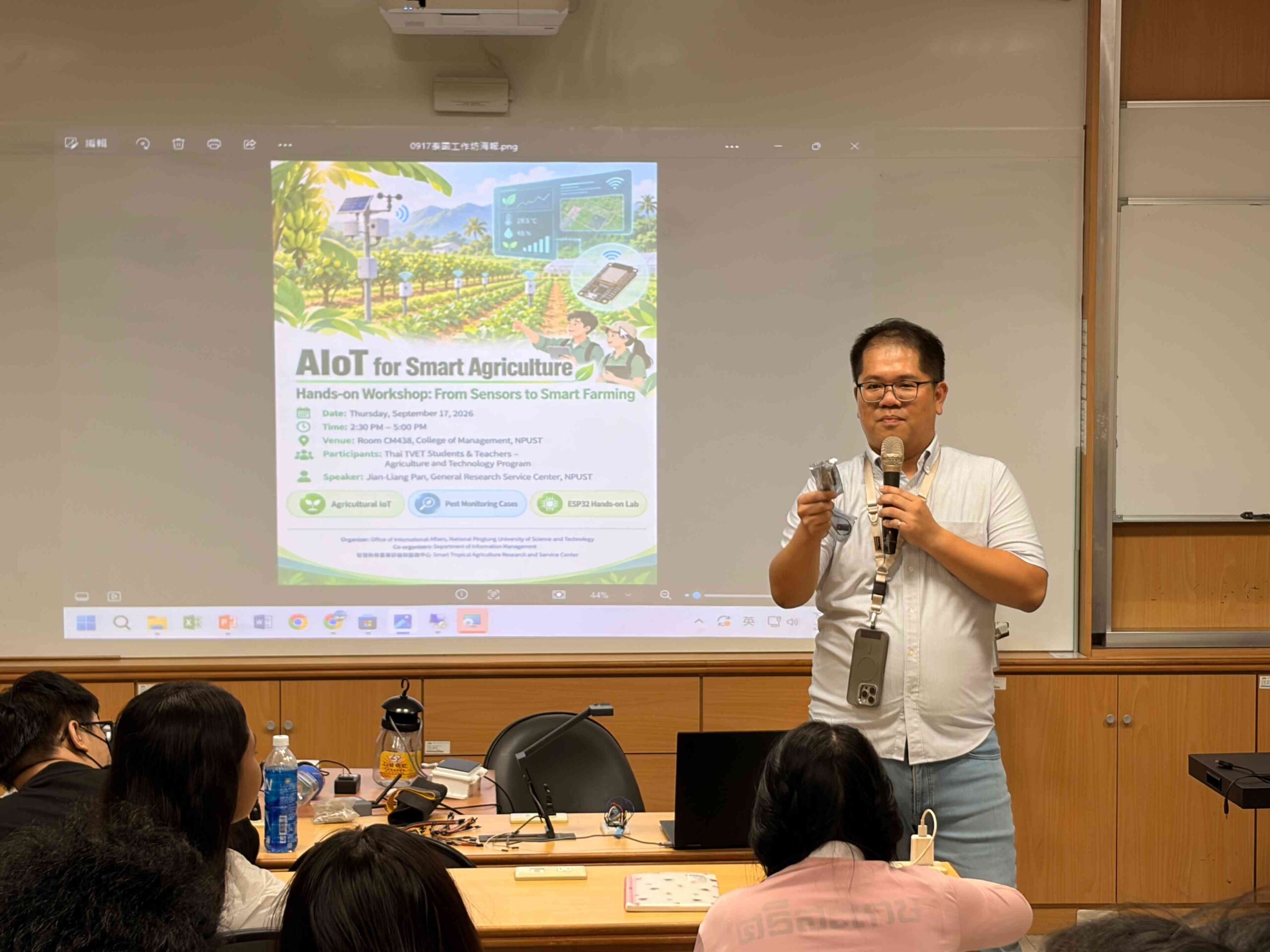
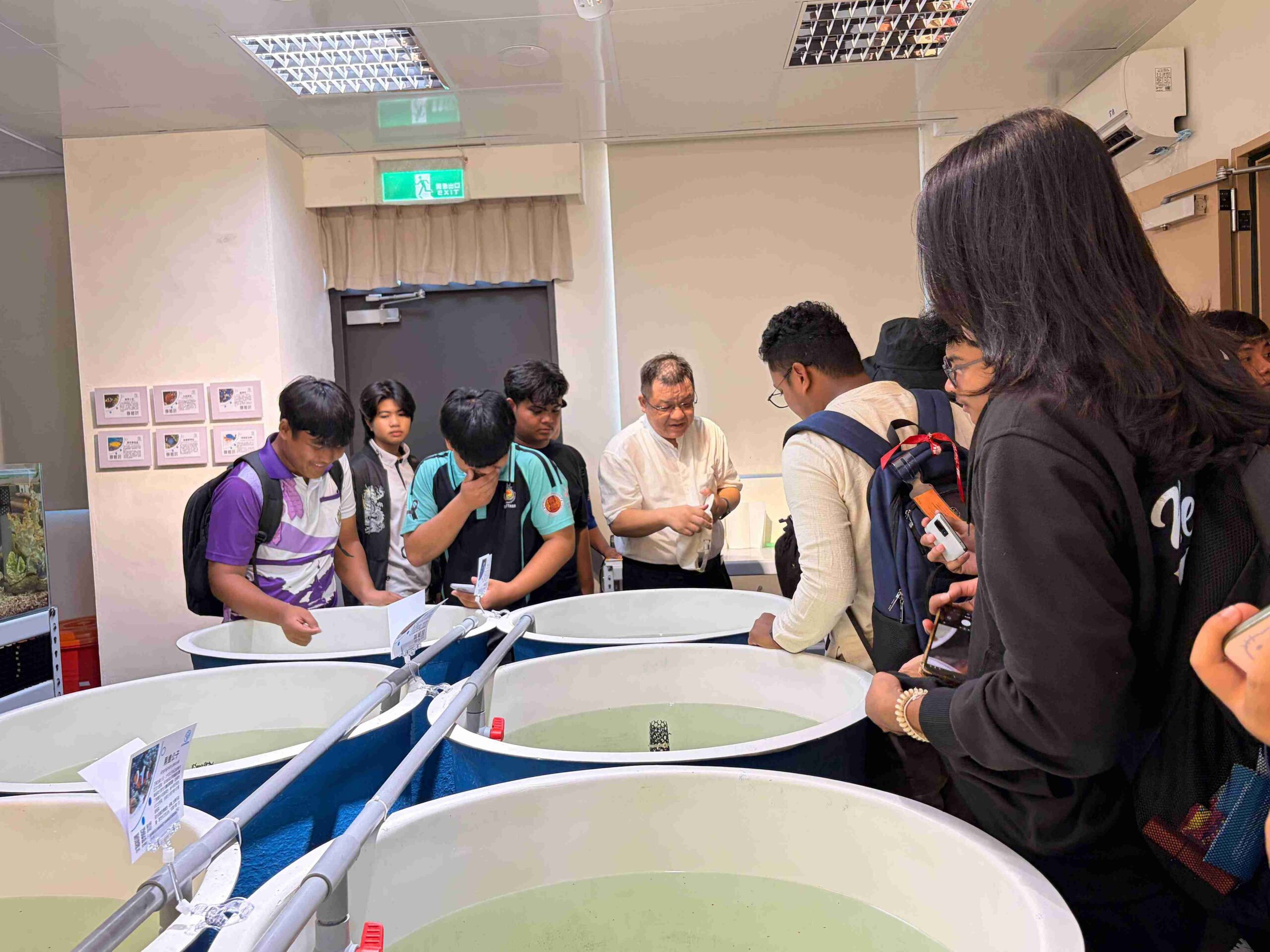
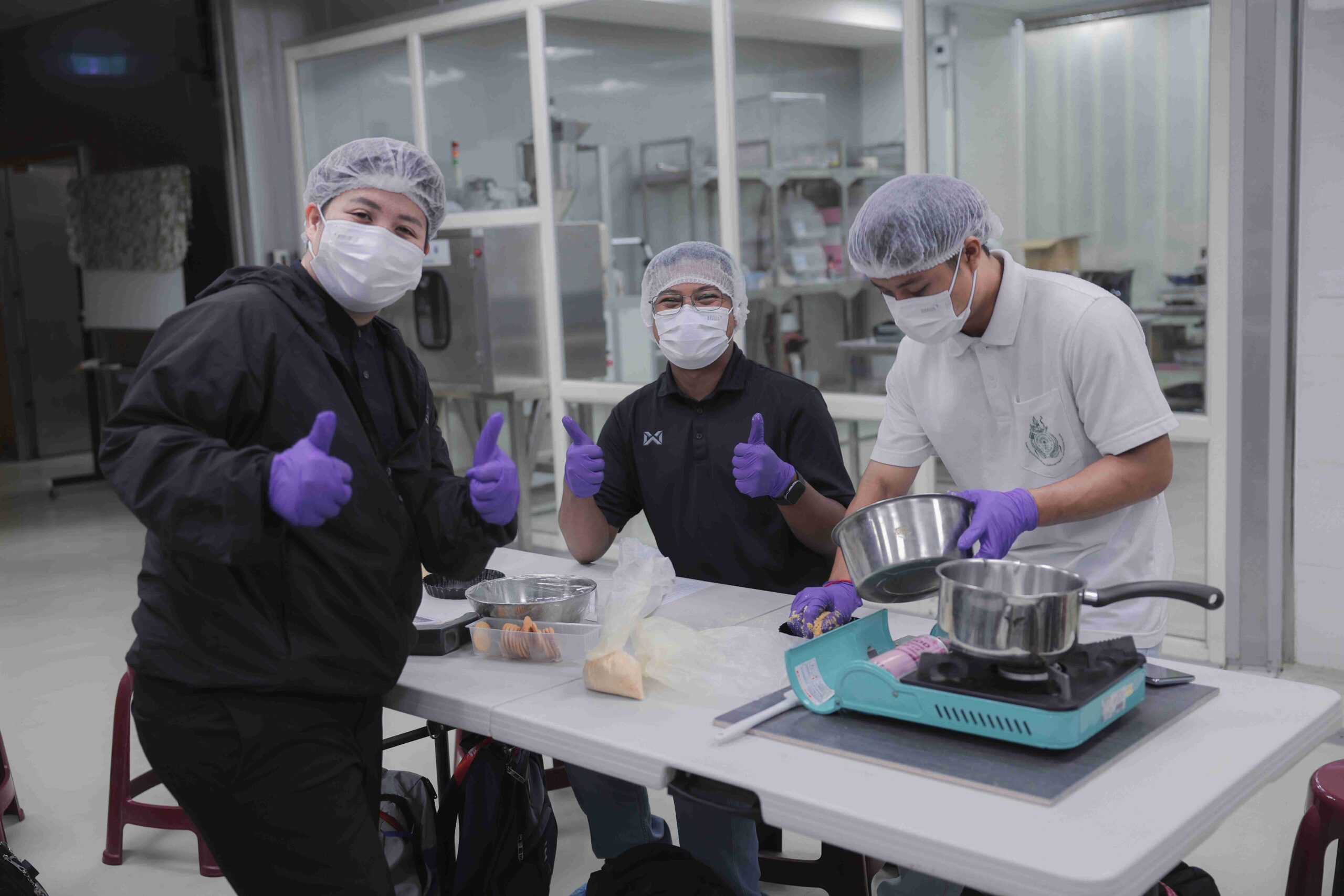
The members in the visiting delegation hailed from agricultural and technical colleges in various regions of Thailand, including Roi Et, Maha Sarakham, Si Sa Ket, Chonburi, Ratchaburi, Nakhon Sawan, Chaiyaphum, Surat Thani, Buriram, and Sing Buri. Throughout the training period, NPUST fully leveraged its strengths in agricultural technology and practical teaching by planning diverse courses—such as “Agricultural Sustainability, Smart Agriculture Development, Agricultural Machinery Operation, Aquaculture, Sustainable Agriculture Practices, Smart Food System Innovation, and AIoT Smart Agriculture.” The programs empowered Thai students to transition from traditional practices to smart agricultural applications by helping them understand how to integrate technology into production processes while also addressing climate change and agricultural sustainability issues.
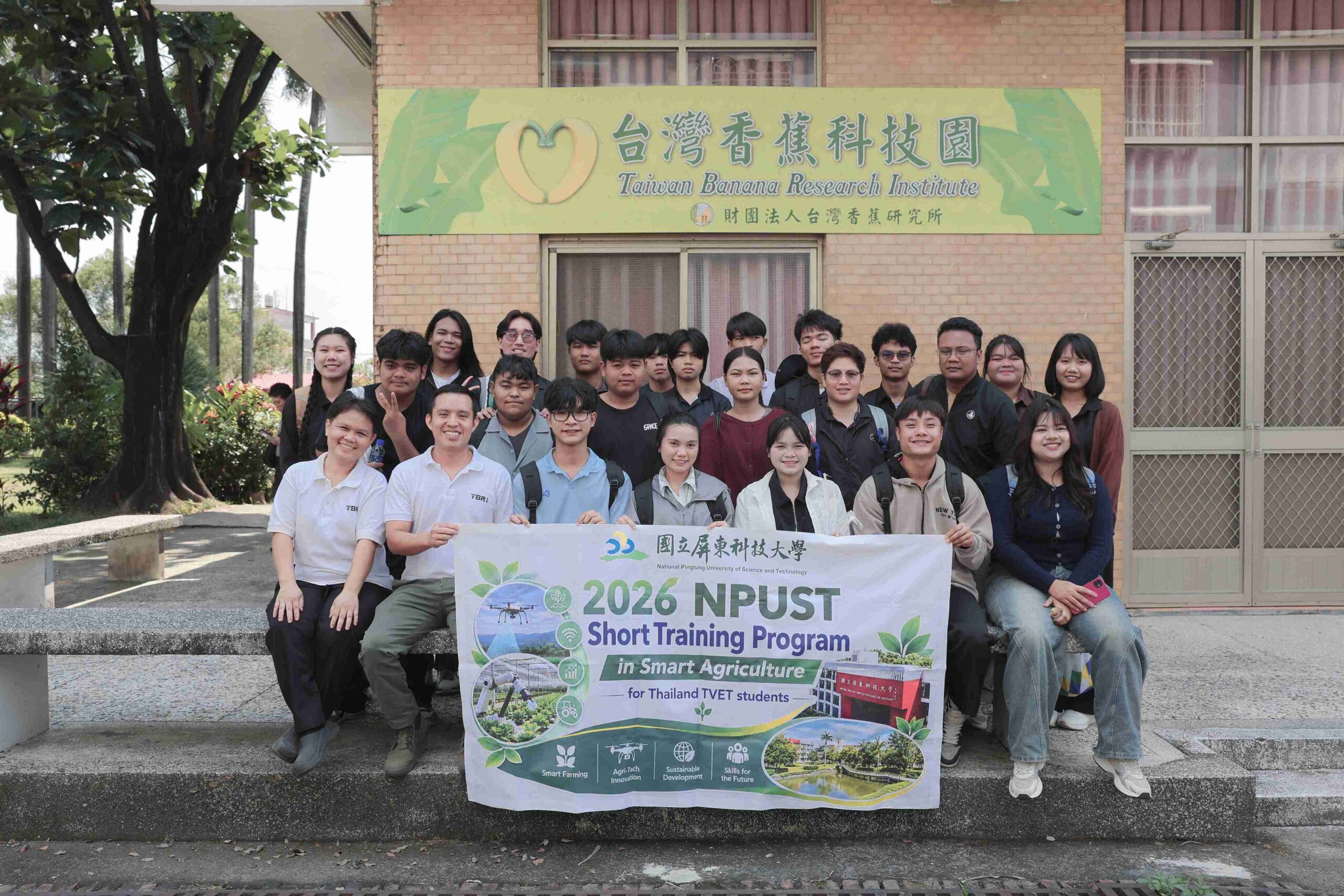
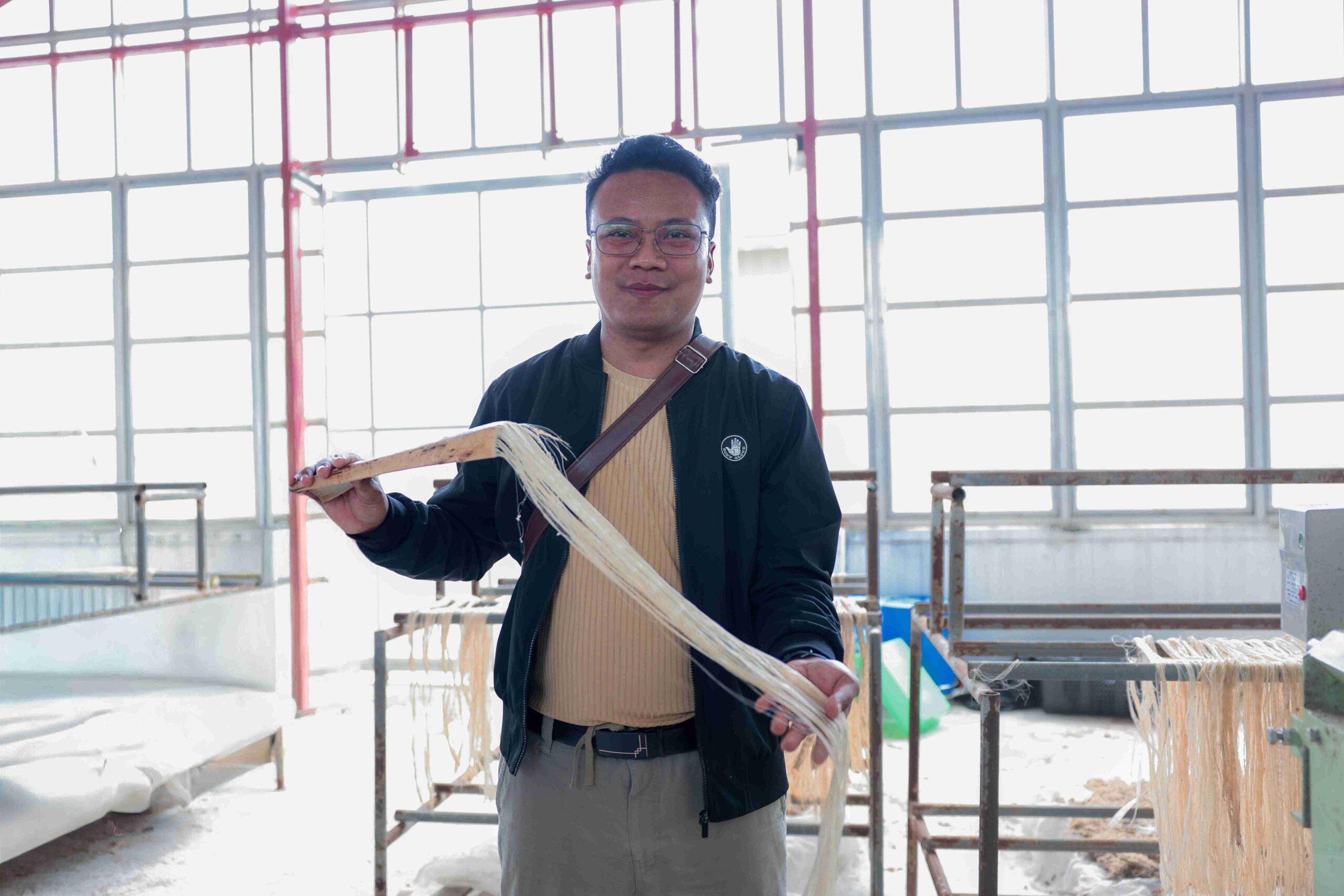
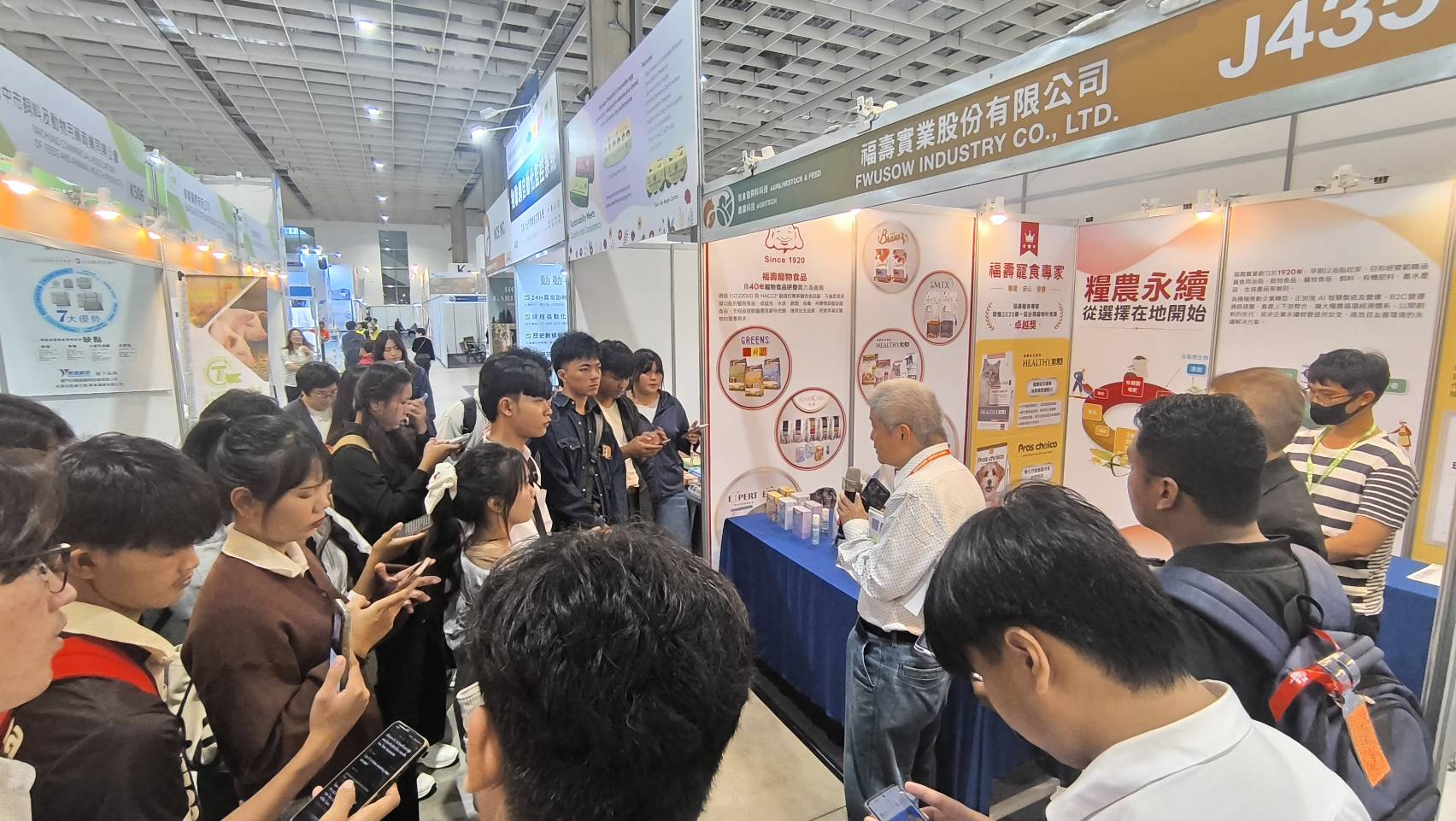
In addition to professional on-campus courses, the program placed a special emphasis on practical experiences and industrial connections. During “Taiwan Smart Agriweek” at the Taipei Nangang Exhibition Center, the students explored Taiwan’s smart agriculture technologies and industrial developments. The group also had a chance to visit the “Taiwan Banana Research Institute” in Jiuru Township and the “Pingtung Agricultural Biotechnology Park” in Changzhi. The visits allowed Thai students to gain firsthand insights into Taiwan’s agricultural research, biotechnology, and industrial applications, effectively bridging classroom knowledge with real-world practice.
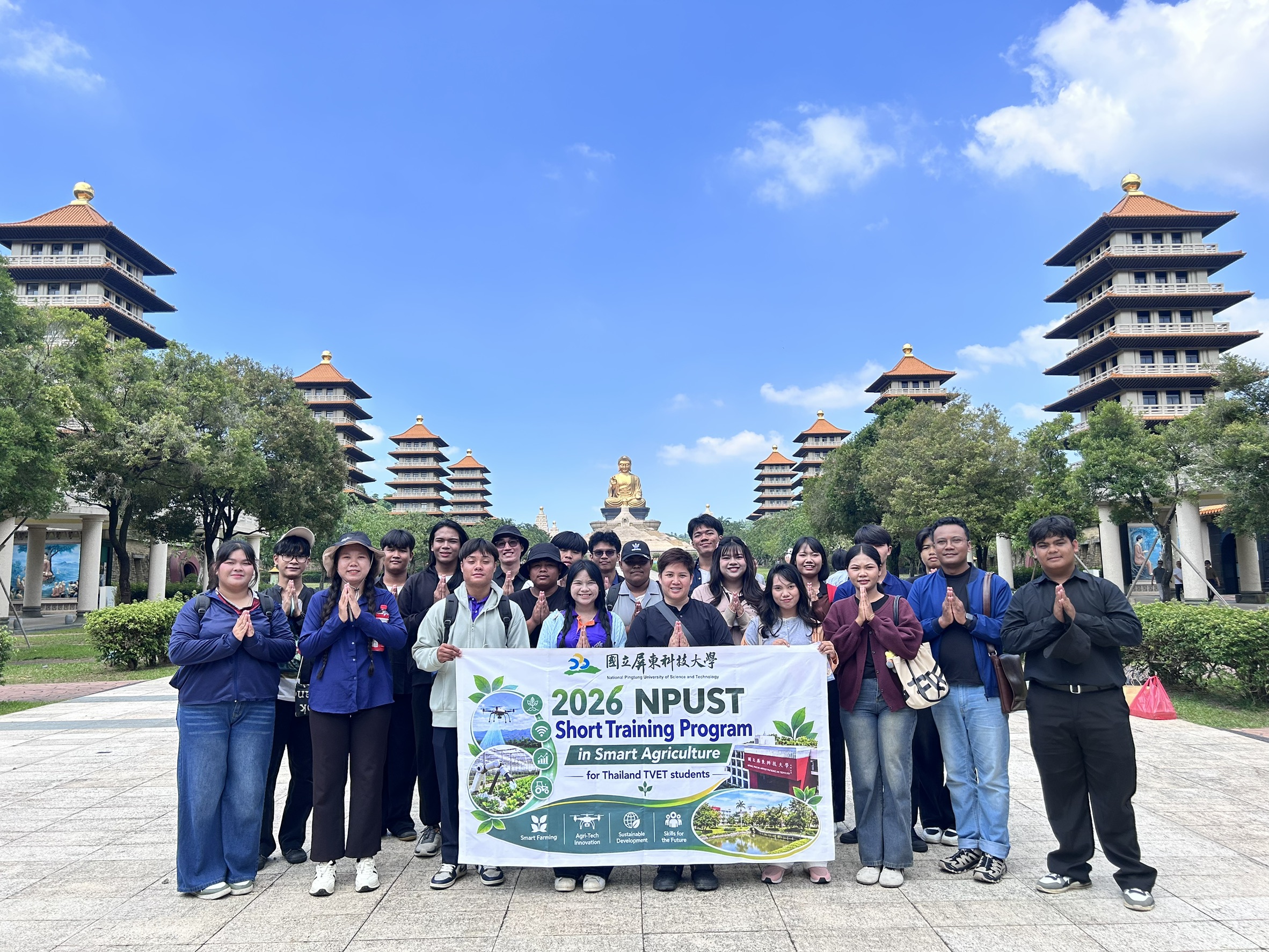
Furthermore, to expand students’ understanding of Taiwan’s higher education, the itinerary included visits to other universities and key scientific and cultural landmarks across various cities. Through interactions with Taiwanese teachers and students and immersive experiences on different campuses, the Thai visitors gained exposure to the diverse development of Taiwan’s higher and vocational education. This also laid a solid foundation for future bilateral student exchanges, short-term study programs, and educational cooperation. By personally experiencing the local features, lifestyles, and cultural landscapes of different regions in Taiwan, participants deepened mutual understanding and friendship throughout the exchange process.
NPUST has long been committed to promoting international educational cooperation and continuously deepening exchanges with the Thailand vocational education system. The program not only provided Thai students with opportunities to experience Taiwan’s smart agricultural technology and practical education, but also established a platform for youth exchange between Taiwan and Thailand through a well-rounded design of “classroom learning, practical visits, inter-school exchanges, and cultural experiences.” Hopes are that the participating students will bring the knowledge and experience gained back to Thailand, serving as ambassadors for agricultural innovation and Taiwan-Thailand educational exchanges in the future.