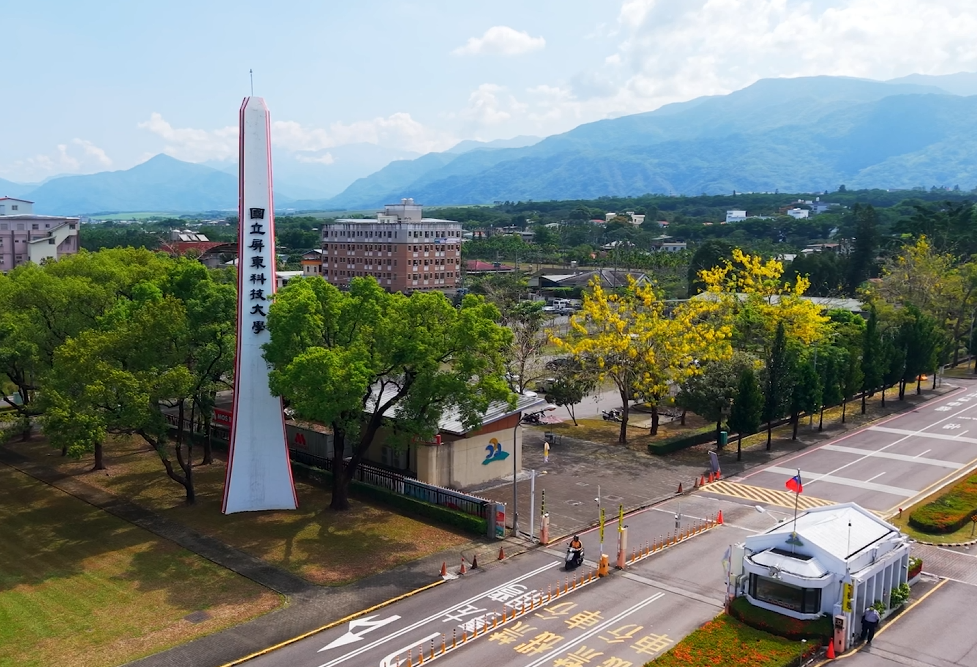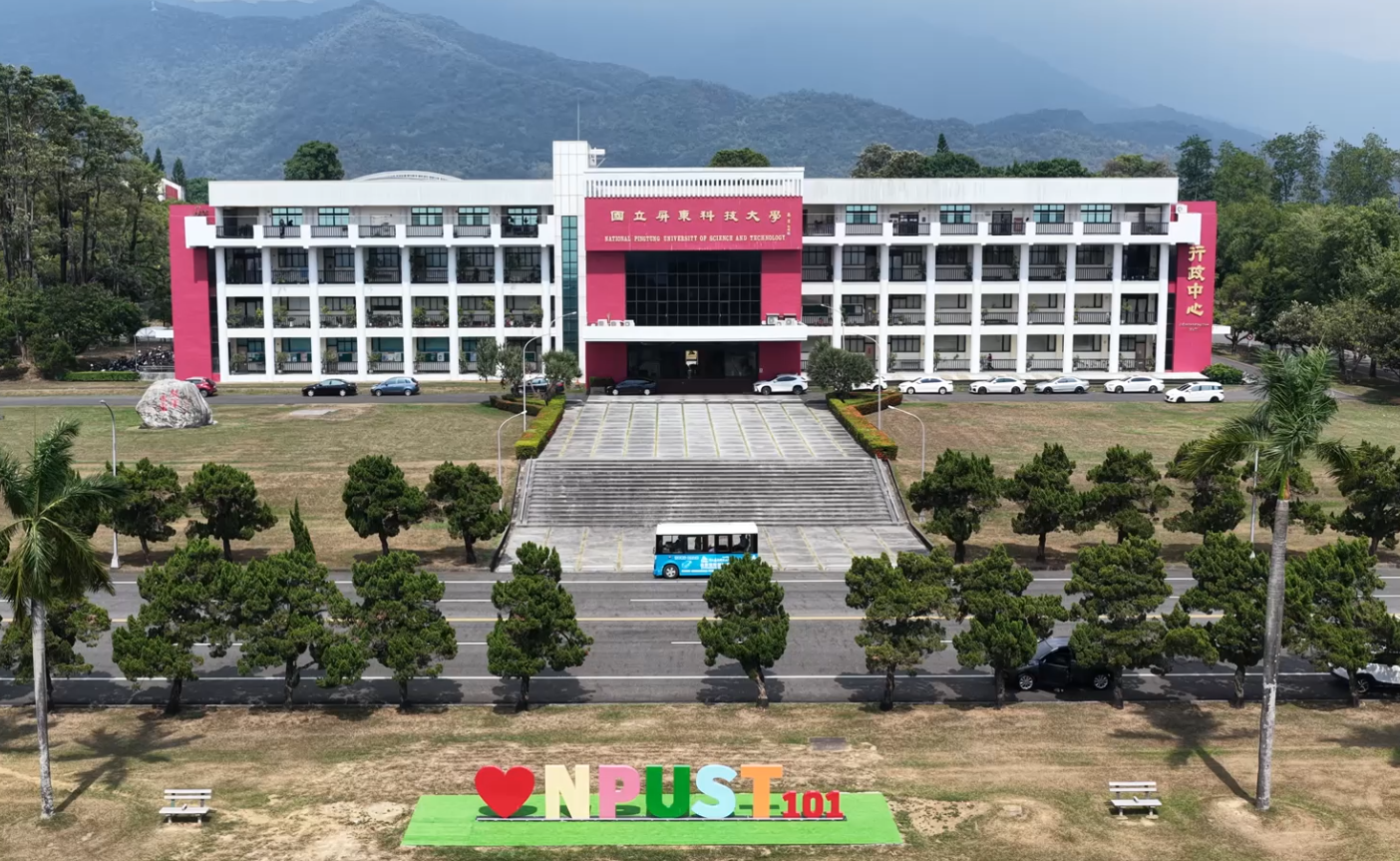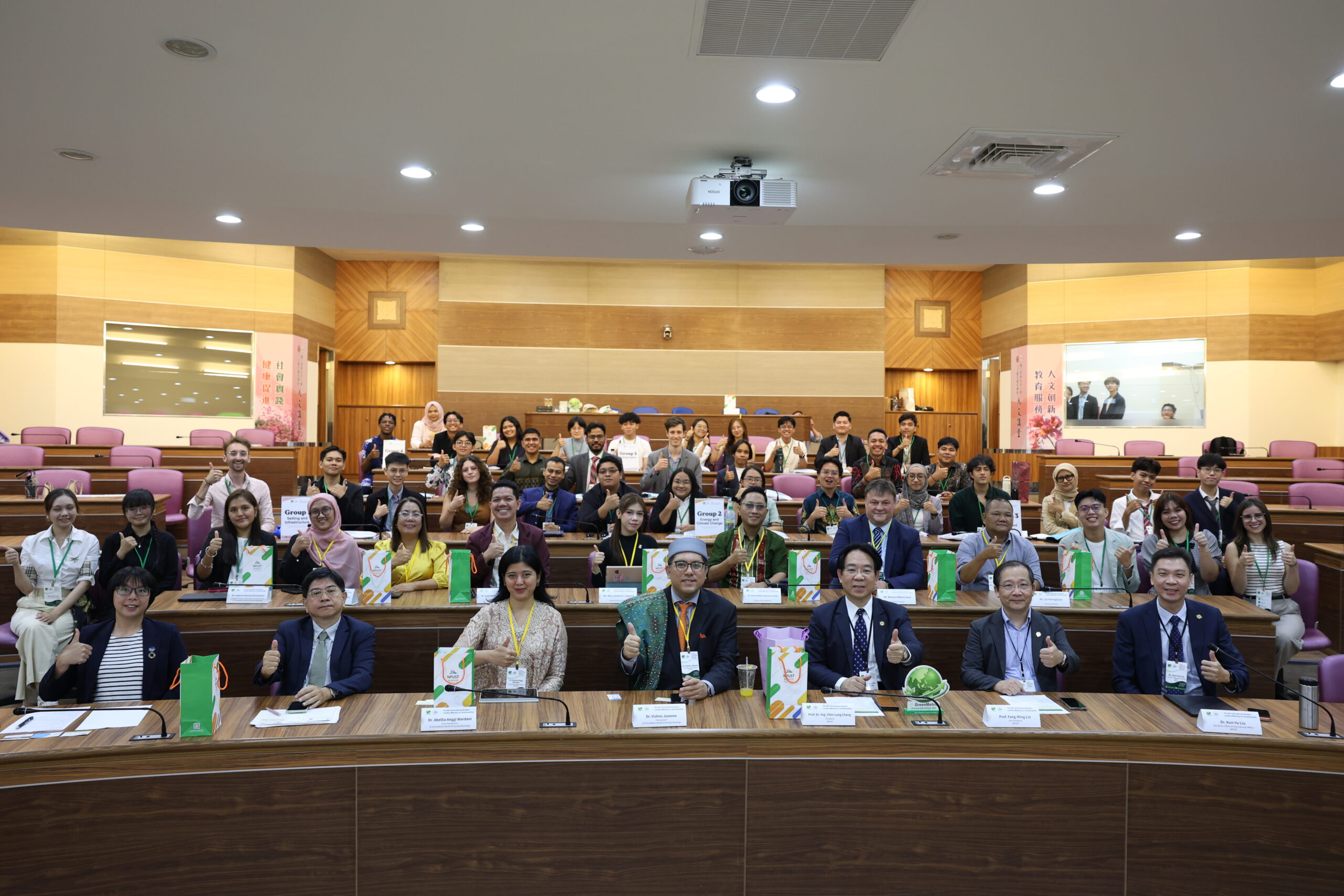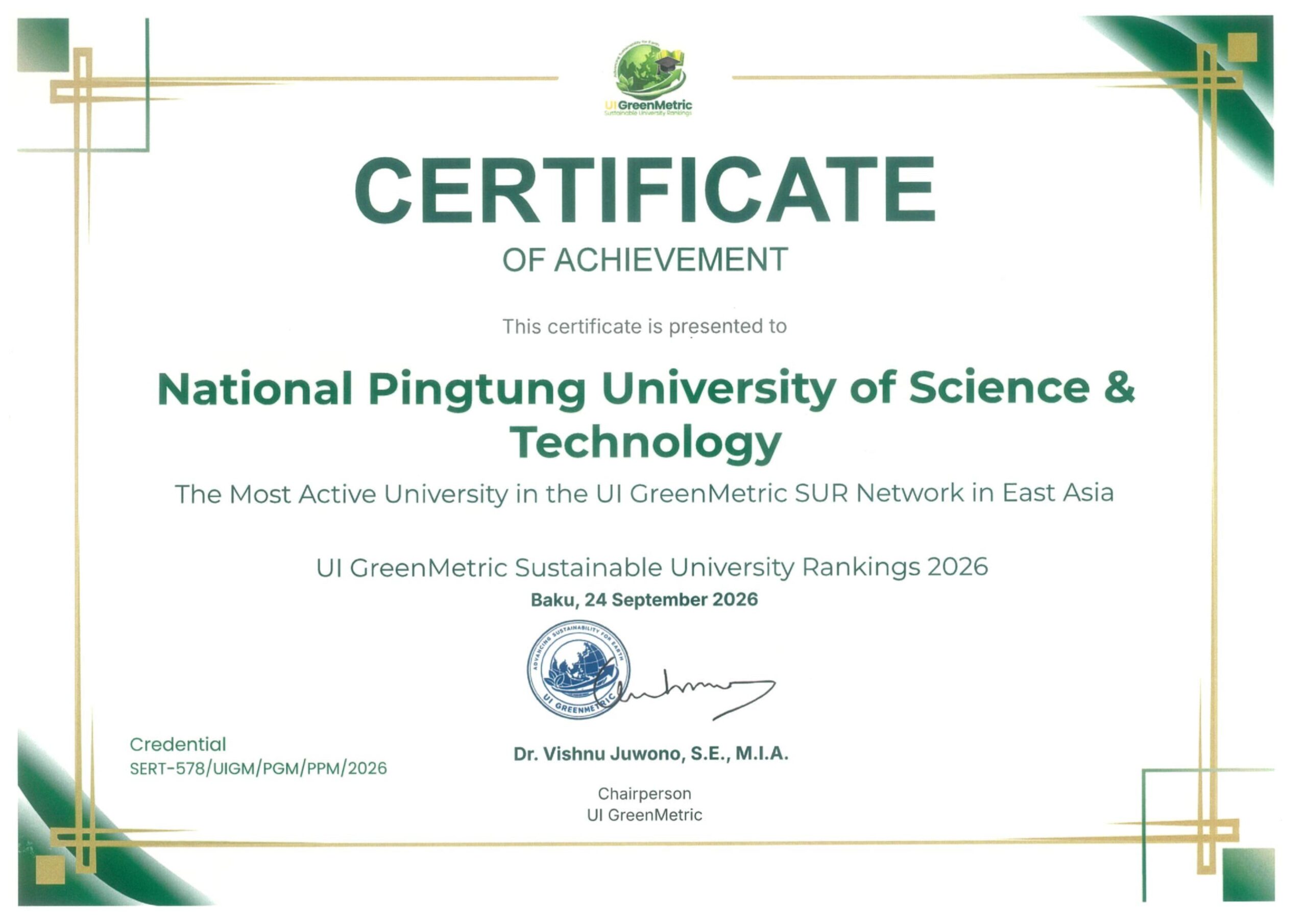
National Pingtung University of Science and Technology (NPUST) has once again achieved outstanding results in sustainable higher education. The 2026 UI GreenMetric Sustainable University Rankings (UIGM SUR) were announced on September 24 at the Rankings Announcement and Awards Ceremony held at the Azerbaijan State Oil and Industry University.
A total of 2,016 universities from 110 countries participated in this year’s rankings. NPUST scored 9,347.5 points, placing 19th globally and first in East Asia, while retaining its position as the No. 1 university in Taiwan for the 13th consecutive year. The university also climbed two places from 21st globally last year and received the distinction of “East Asia’s Most Active University.”
The 2026 rankings officially adopted the name UI GreenMetric Sustainable University Rankings (UIGM SUR) and were organized around the theme “Advancing Sustainable Campuses through Governance, Digitalization, and Integrated Performance.” The assessment covers seven criteria: Setting and Infrastructure; Energy and Climate Change; Waste; Water; Transportation; Education and Research; and Governance and Digitalization, for a total of 10,000 possible points.
NPUST achieved its highest overall score to date, receiving full marks in both Waste and Education and Research. The results highlight the university’s long-term commitment to resource circularity, sustainability research, and talent development.
Since 2014, NPUST has ranked first in Taiwan in the UI GreenMetric rankings and has continued to integrate sustainable development into its university governance. In order to assist with the gradual development of campus carbon-management and net-zero transition mechanisms the university also established a Sustainable Development Office in 2020. In 2024, NPUST completed its first campus greenhouse gas inventory in accordance with the ISO 14064-1:2018 standards and obtained third-party verification.
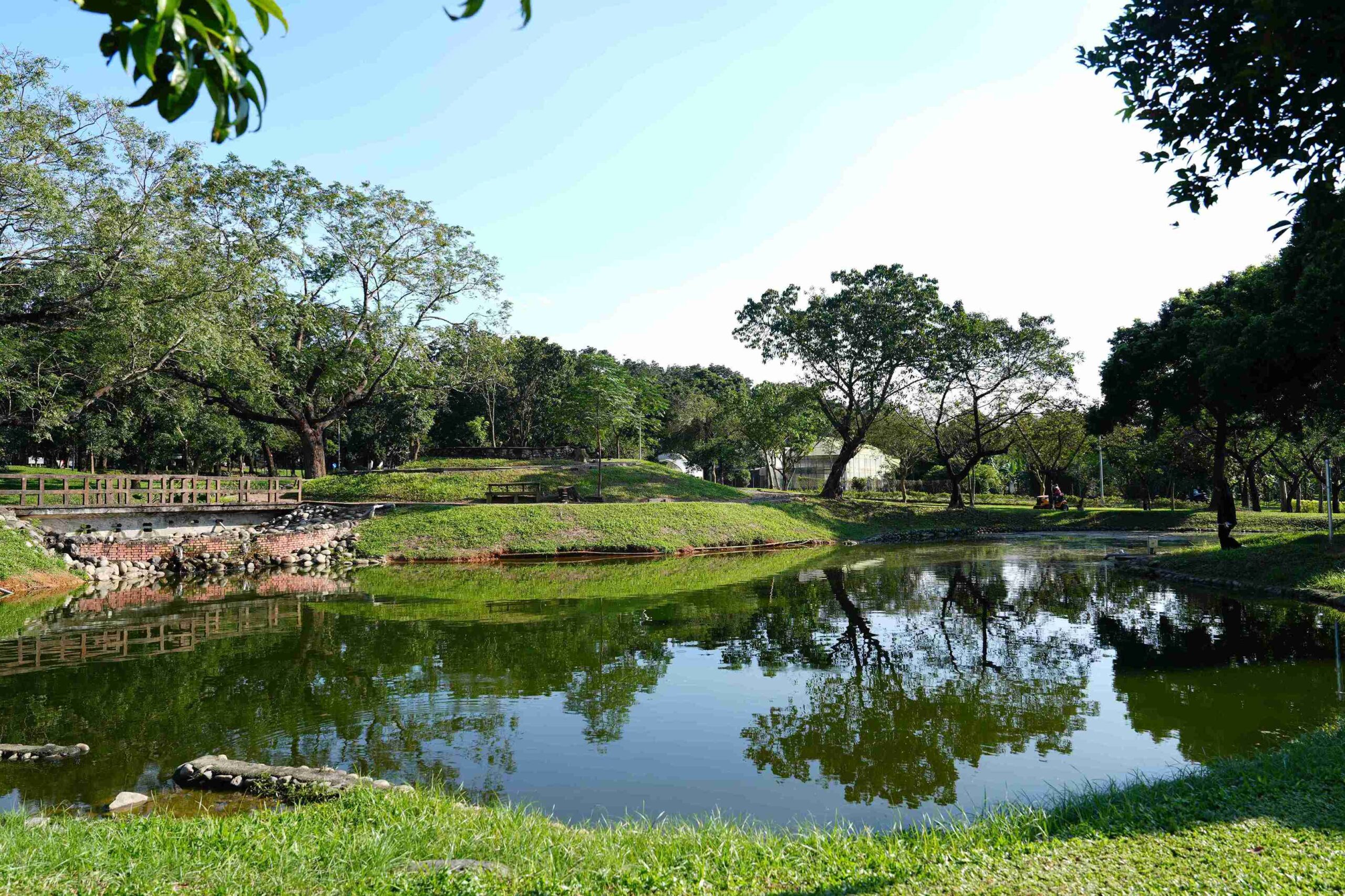
All campus lighting has now been converted to LED, while the university continues to promote green buildings, renewable energy, and energy-saving measures. Campus wastewater is also fully recycled with zero discharge, reducing the need for approximately 180,000 cubic meters of secondary-quality water each year and promoting the circular use of water resources.
Leveraging its expertise in agricultural technology, NPUST has expanded its sustainability initiatives beyond the campus and into industry and society. The university’s College of Agriculture established the Office for the Promotion of Net Zero and Carbon Sink Tropical Organic Agriculture in 2022, which promotes research on agricultural carbon reduction and carbon sinks.
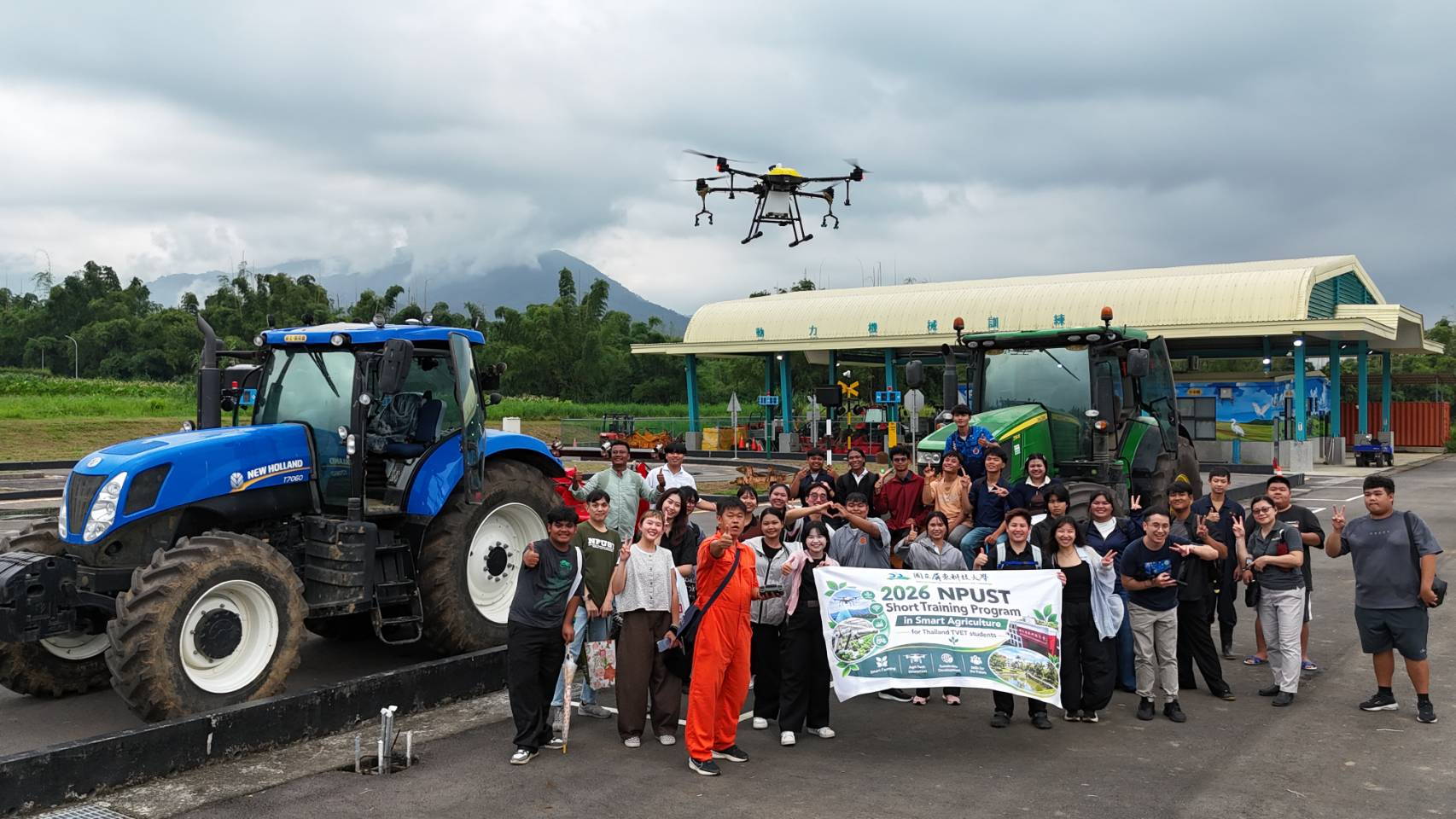
NPUST is driving the agricultural sector’s net-zero transformation through research into carbon-emissions inventories across farming, forestry, fisheries, and livestock, alongside initiatives in circular by-product reuse and low-carbon transportation. Building on these sustainability efforts, the Center for Technological Agriculture—which opened in 2024—merges smart technology R&D with talent development to further boost farming productivity and climate resilience.
In 2025, NPUST signed a memorandum of understanding with the Ministry of Environment and the Ministry of Agriculture to establish a Sustainable Energy and Climate Change Research and Development Demonstration Center. Through appropriate green biomass technologies, the initiative will convert livestock manure and wastewater into usable resources, maximizing the sustainable utilization of biomass while creating long-term environmental and economic value.
Looking ahead, NPUST will continue to place the United Nations Sustainable Development Goals (SDGs) at the heart of its efforts, deepening sustainable governance, net-zero transformation, green technology, sustainable education, and university social responsibility. By combining its strengths in agricultural technology with interdisciplinary research, NPUST will work with higher education institutions and industry partners in Taiwan and abroad to strengthen local communities, connect the campus with industry, and engage internationally. Through these efforts, the university aims to continue cultivating talent and creating meaningful impact for sustainable development in Taiwan and around the world.