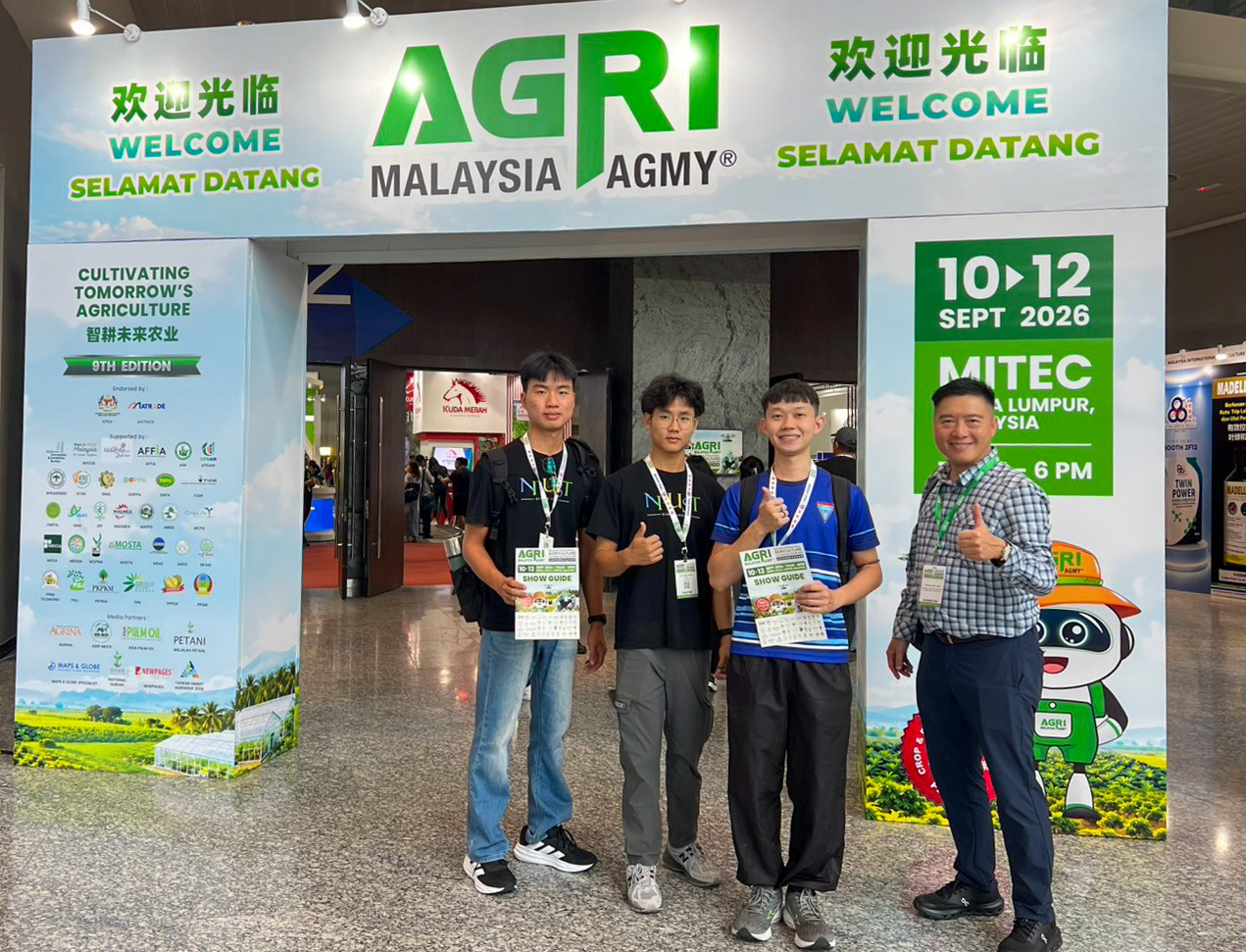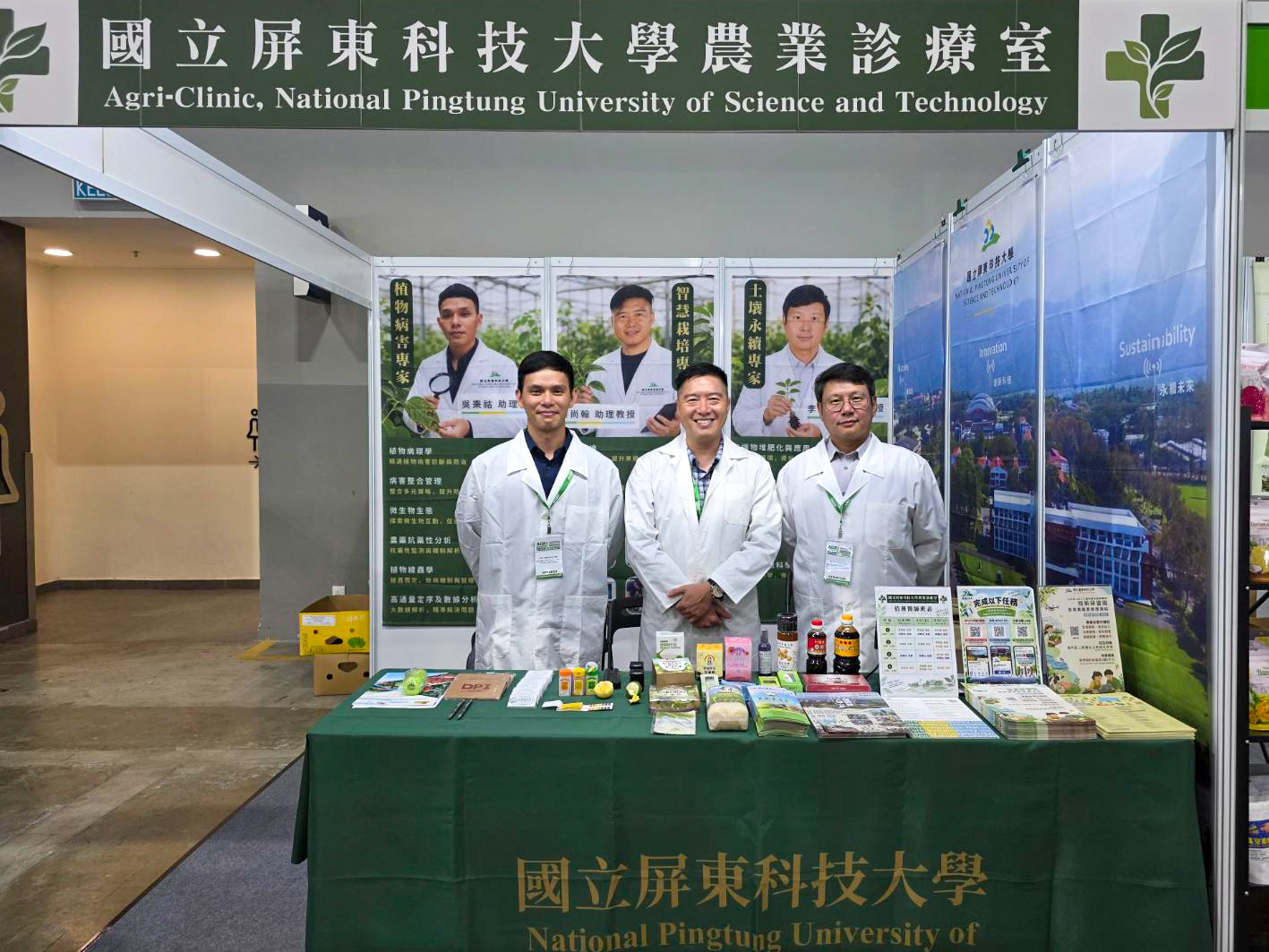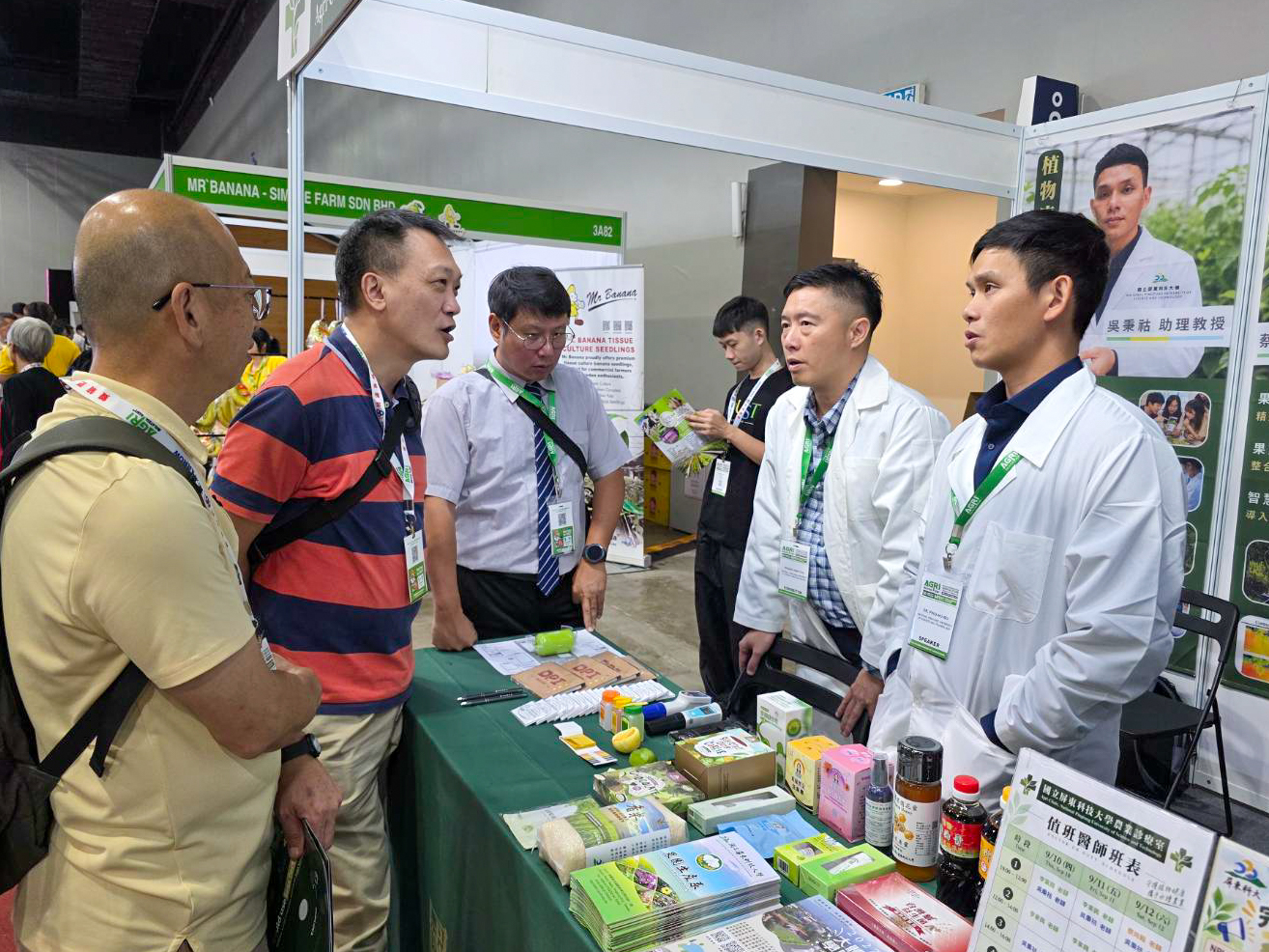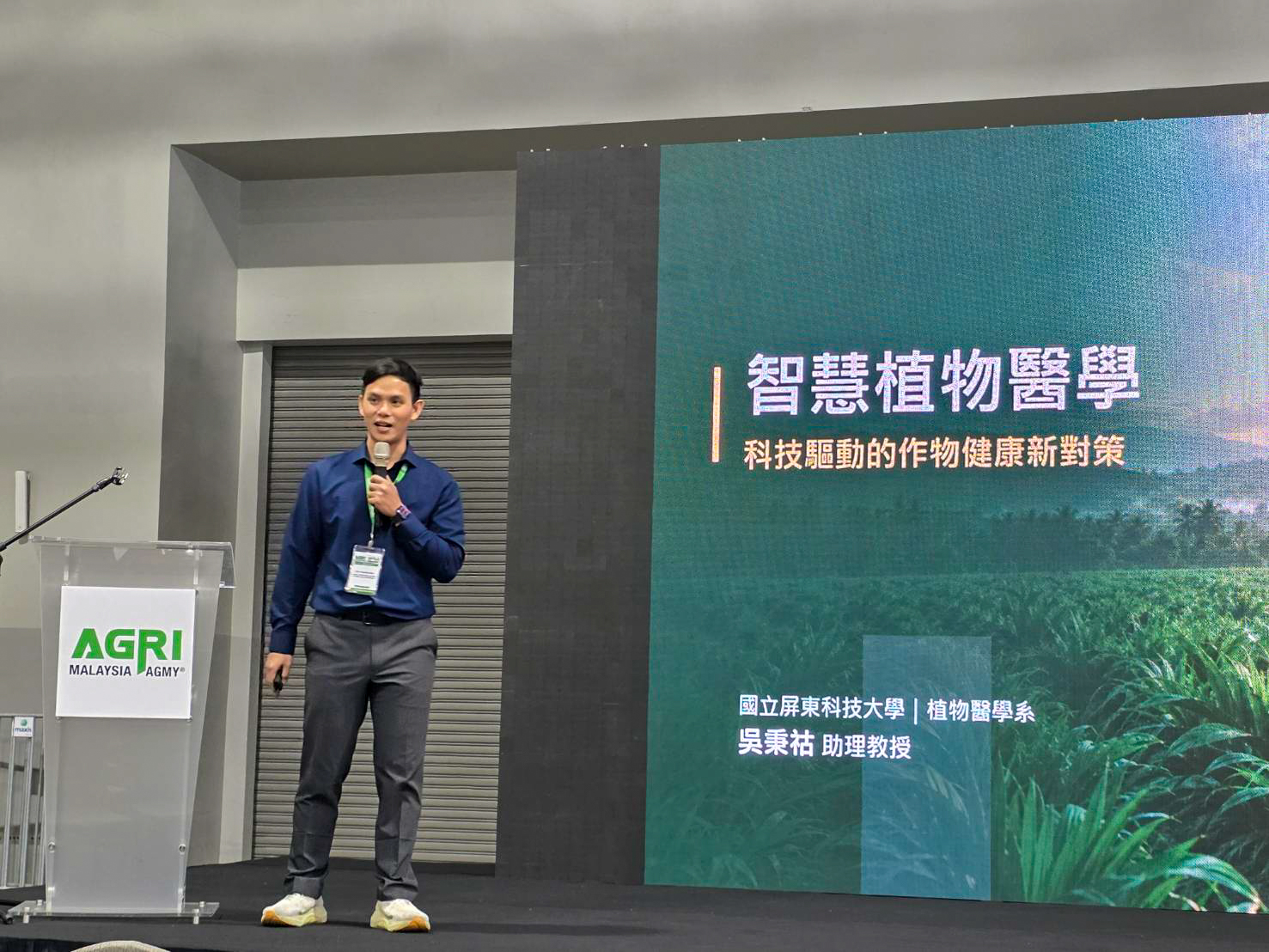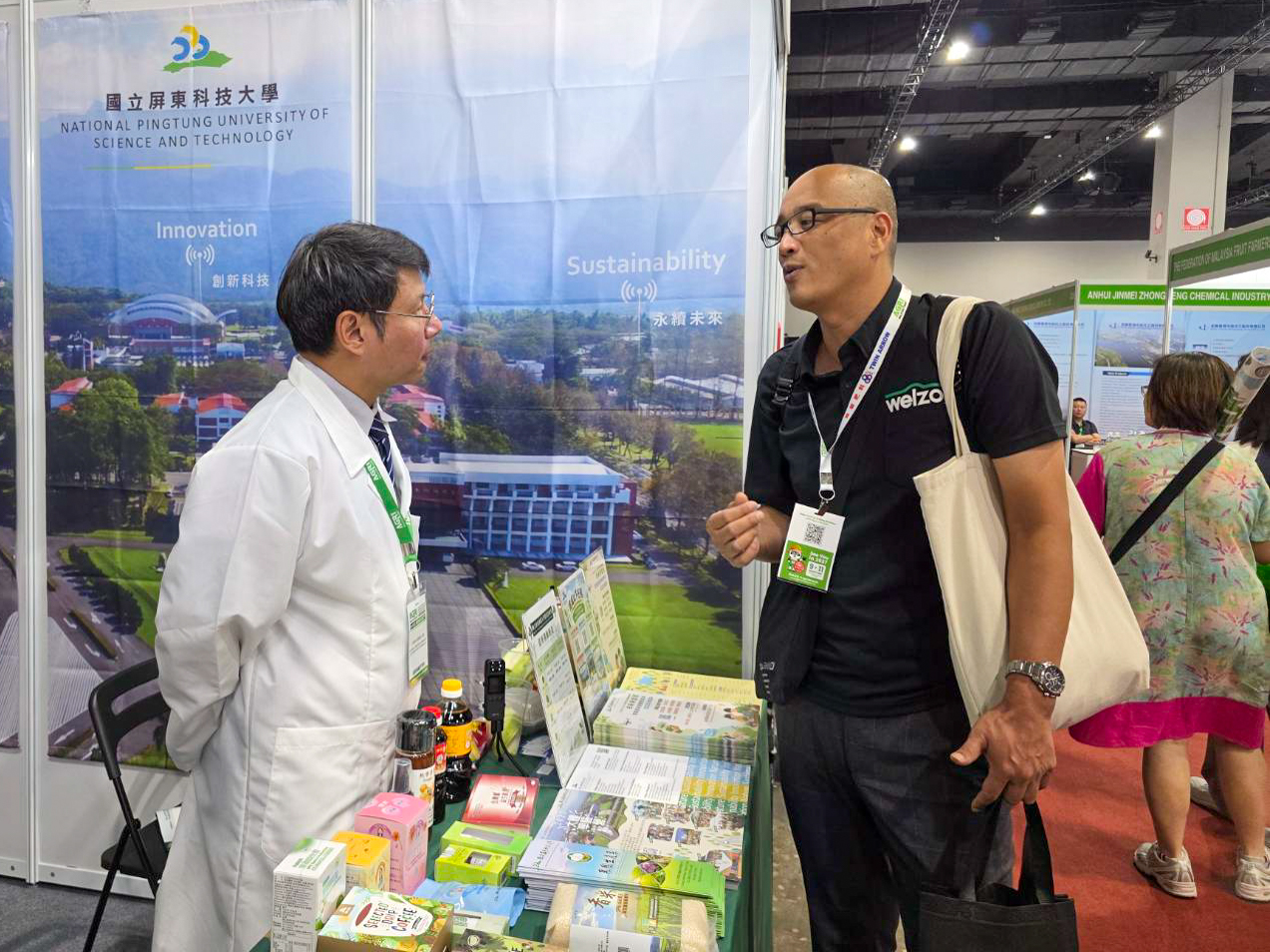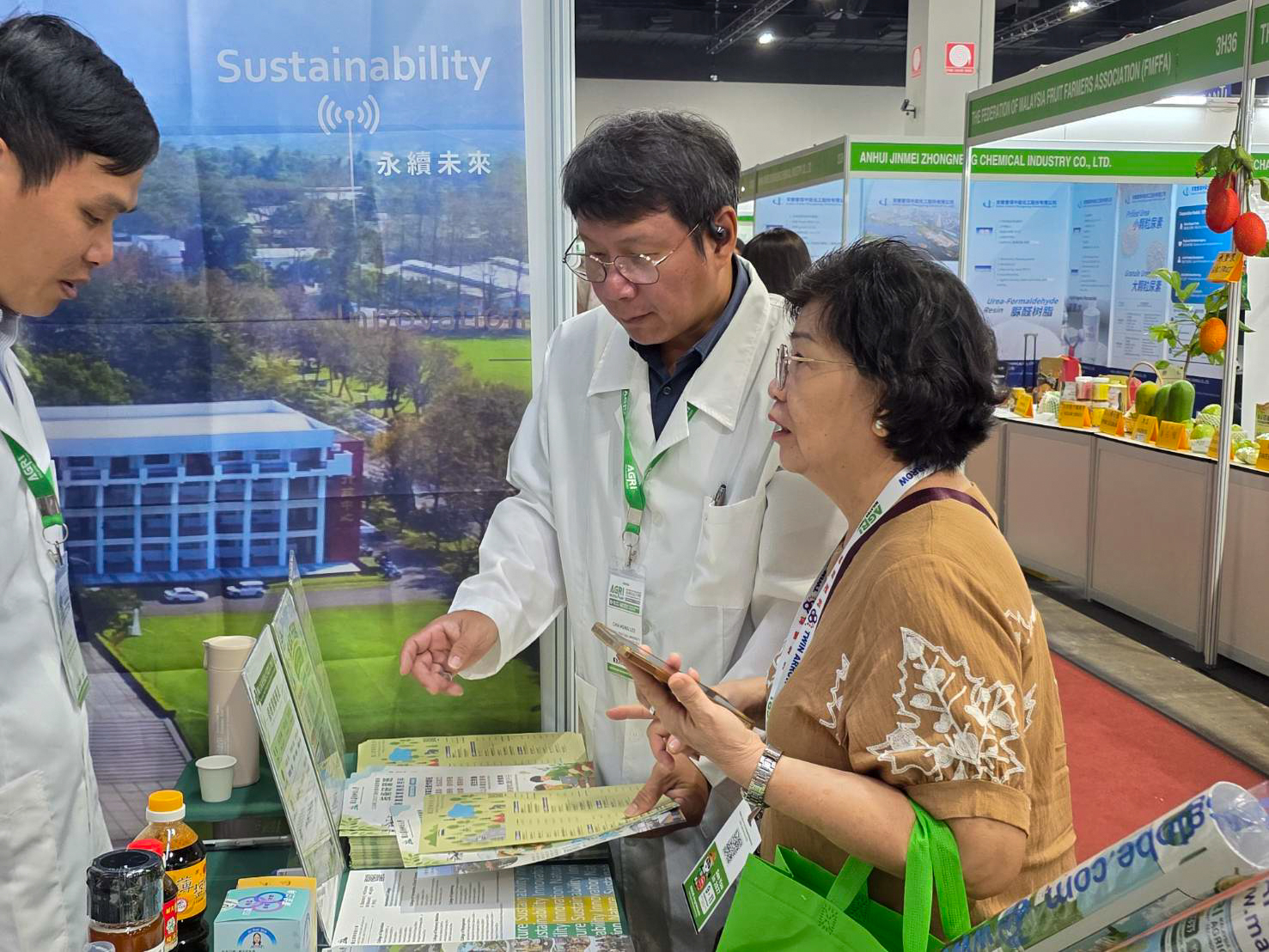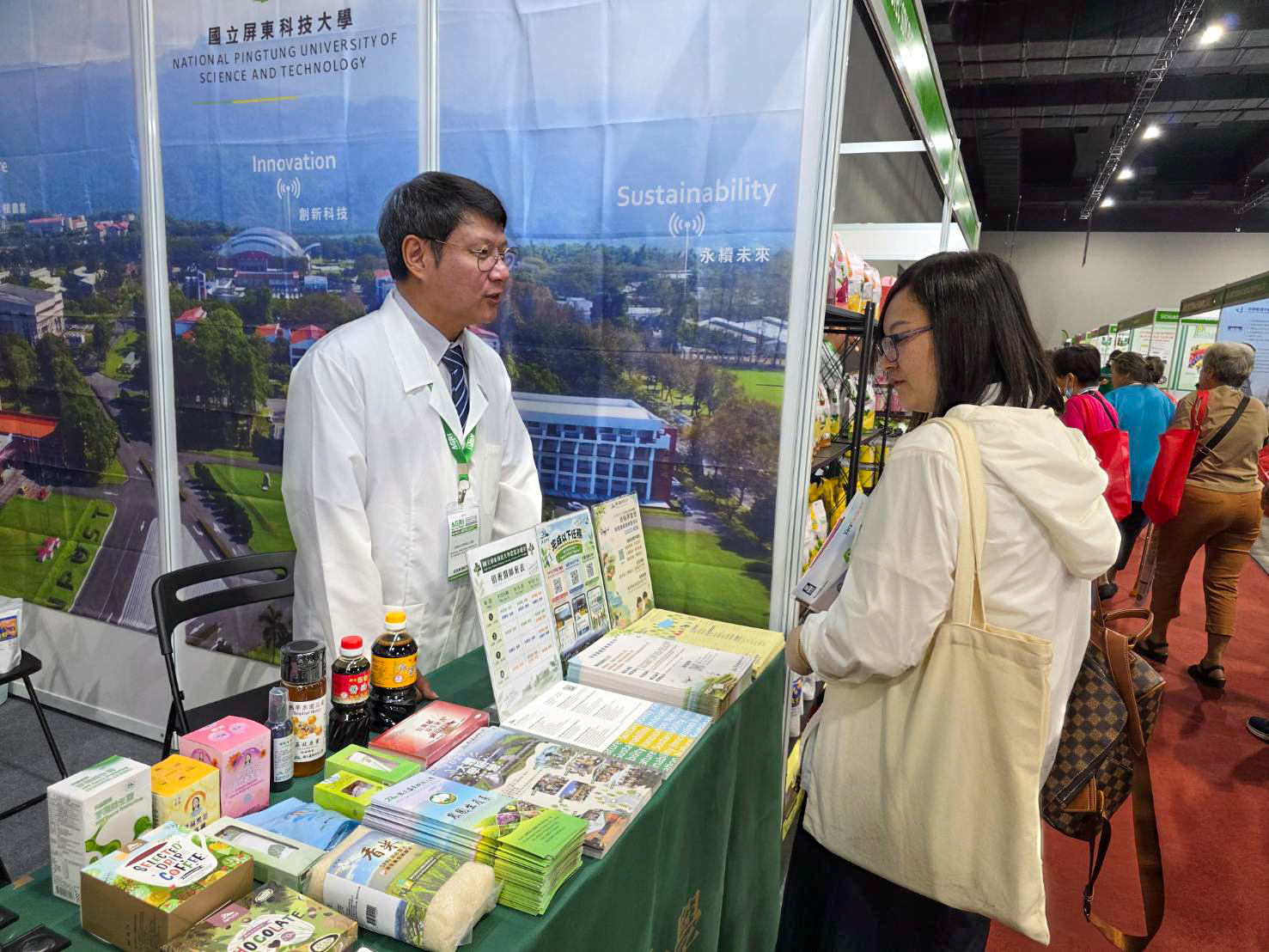
Actively expanding international exchanges and overseas student recruitment, National Pingtung University of Science and Technology (NPUST) participated in Agri Malaysia 2026 in early September. Centered around the theme of an “Agricultural Clinic,” the university showcased its achievements in agricultural technology, plant medicine, smart agriculture, and practical teaching. The occasion provided an opportunity for NPUST to demonstrate the diverse energy of Taiwan’s agricultural education and introduce its robust expertise and hands-on characteristics to Malaysia’s agricultural industry, educational institutions, and youth.
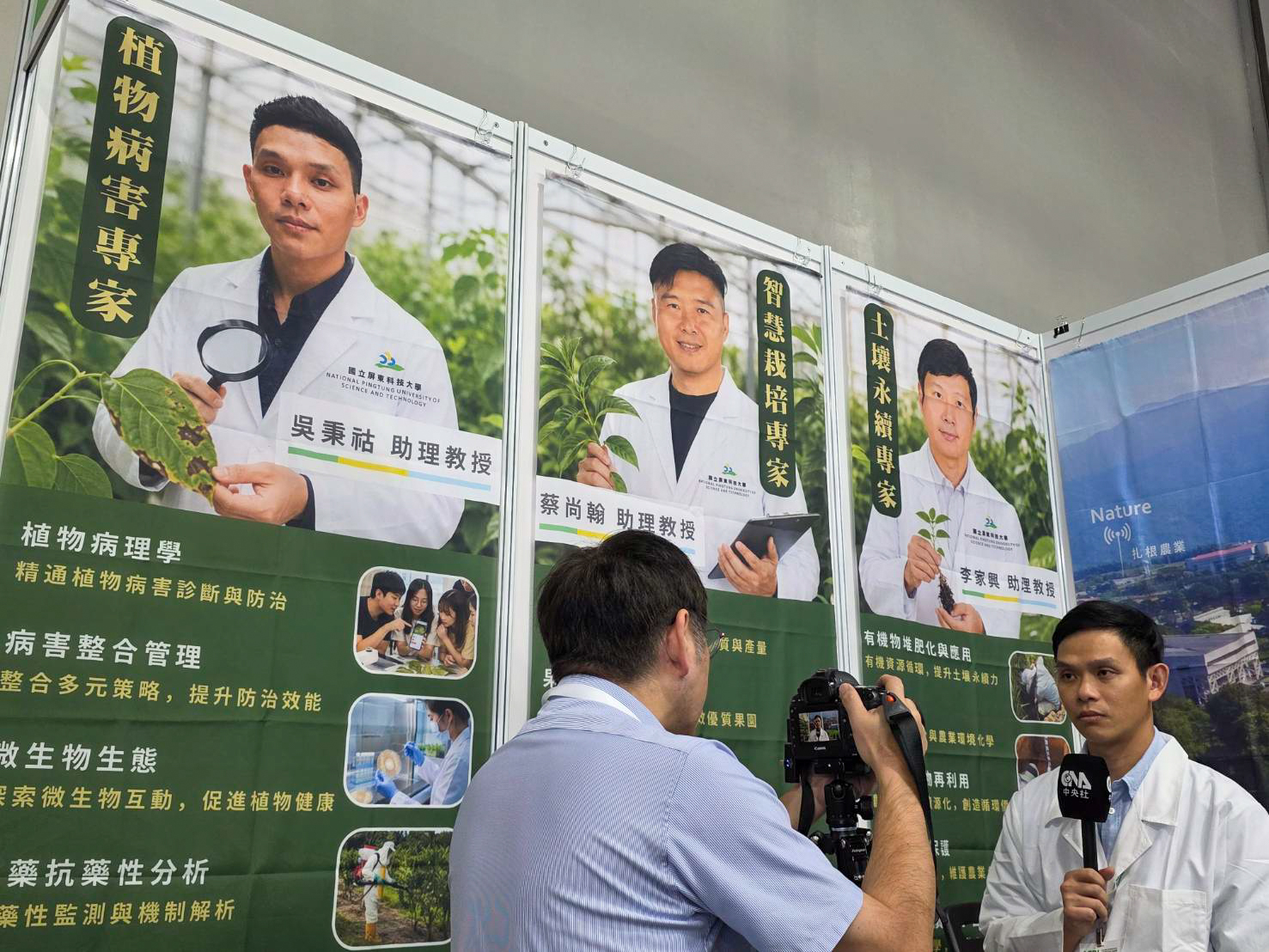
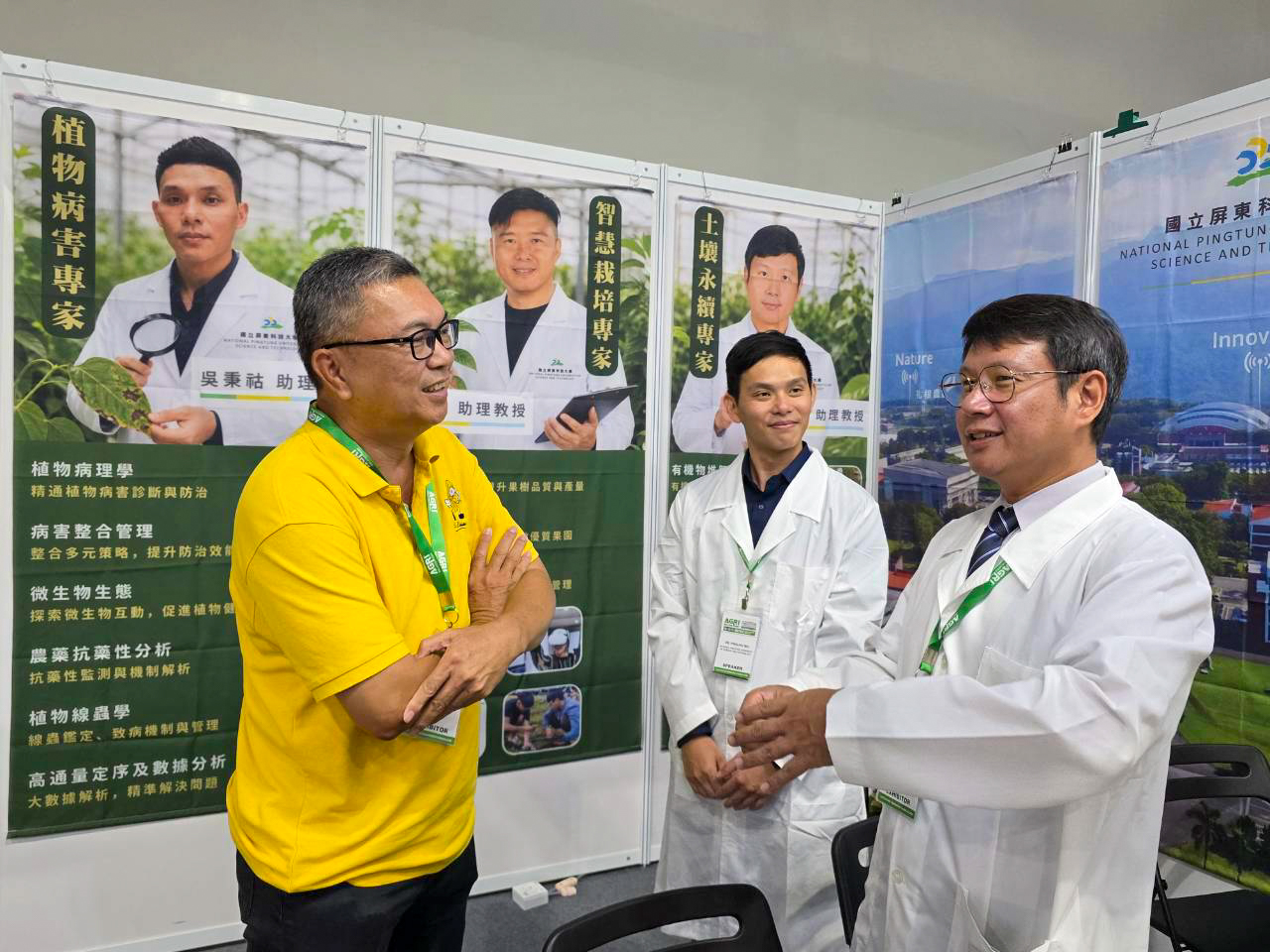
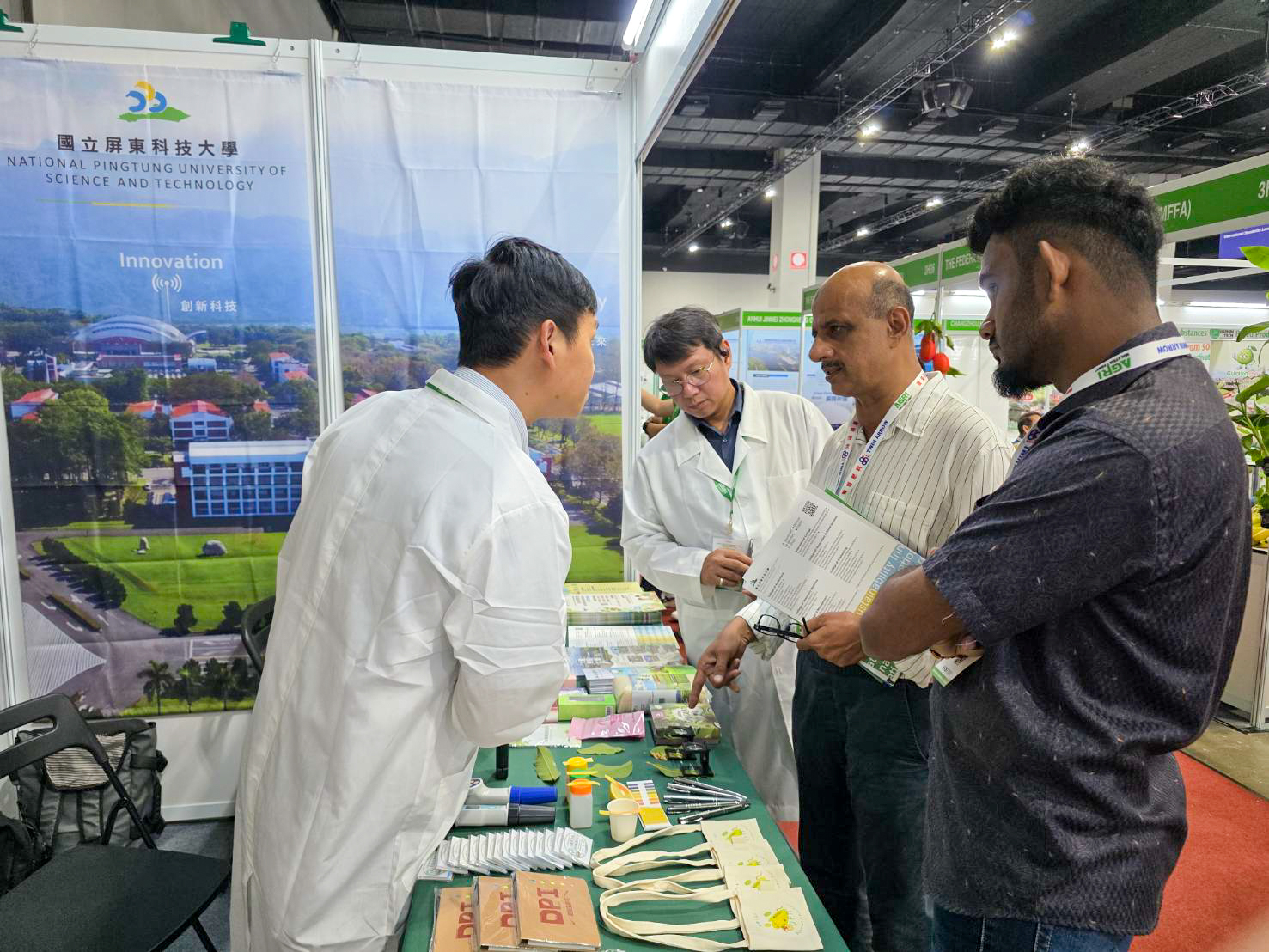
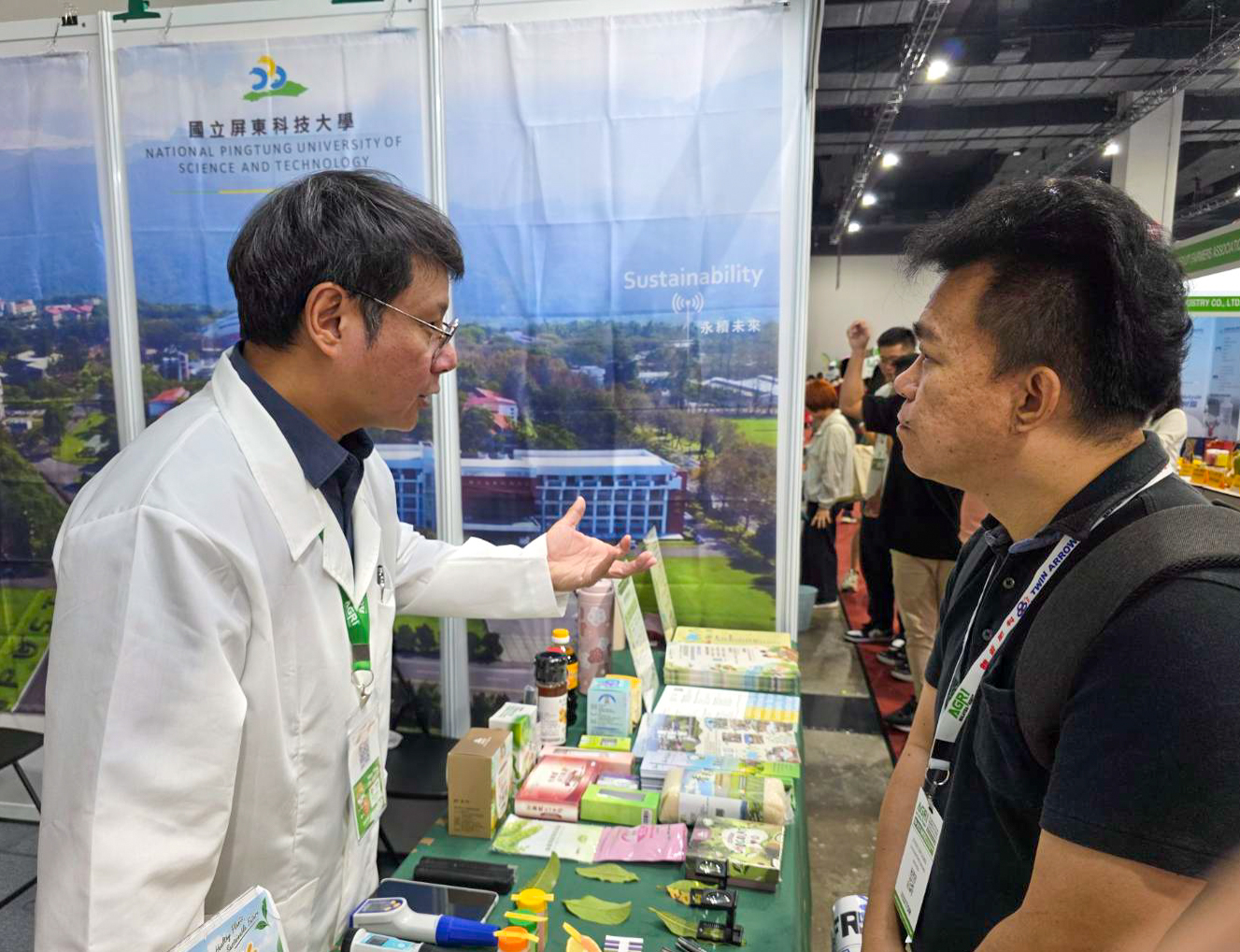
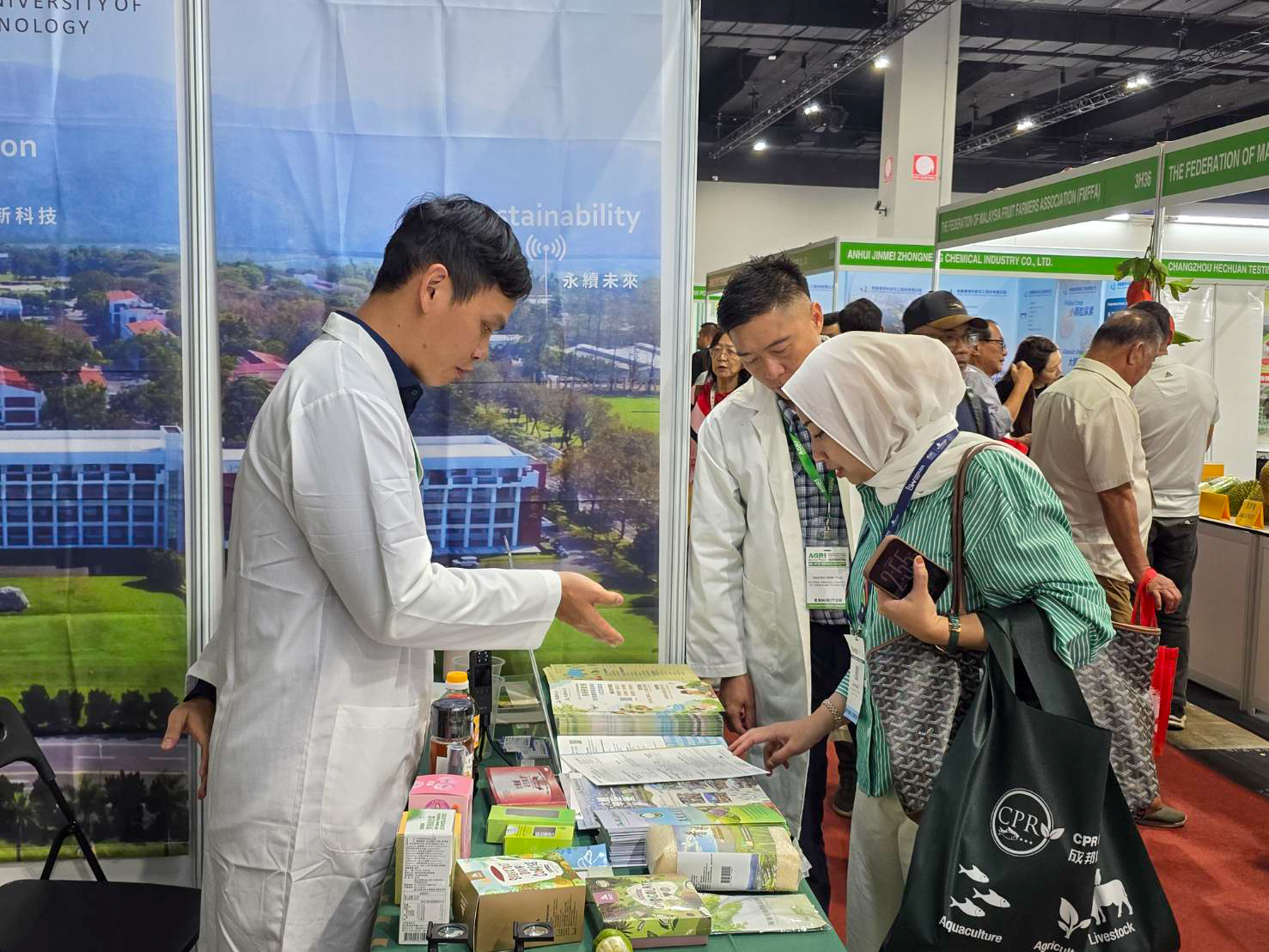
The delegation from NPUST was composed of five members, including Assistant Professor Chia-Hsing Lee from the Department of Plant Industry and Assistant Professor Ping-Hu Wu from the Department of Plant Medicine, along with Cooperation Director Shang-Han Tsai, Administrative Assistant Hsiu Chu Lee, and Project Assistant Eason Ku from the Office of International Affairs. The team set up an “Agricultural Clinic” exhibition booth providing insights into plant disease diagnosis, soil sustainability, smart agriculture, and practical applications. Through professional explanations and on-site interactions, Malaysian visitors and agricultural professionals gained a deeper understanding of NPUST’s specialties in agricultural tech and talent cultivation, and alumni farmers received help with various field-related issues.
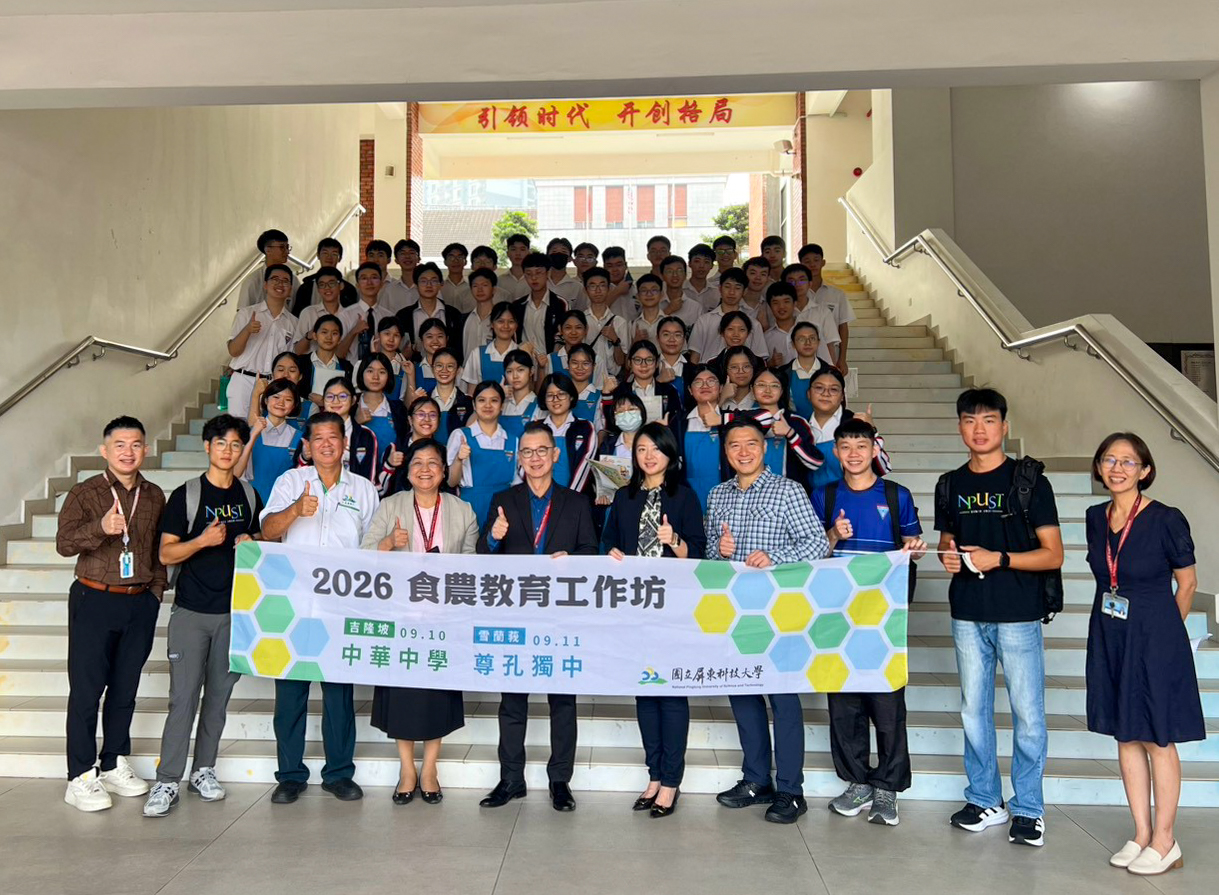
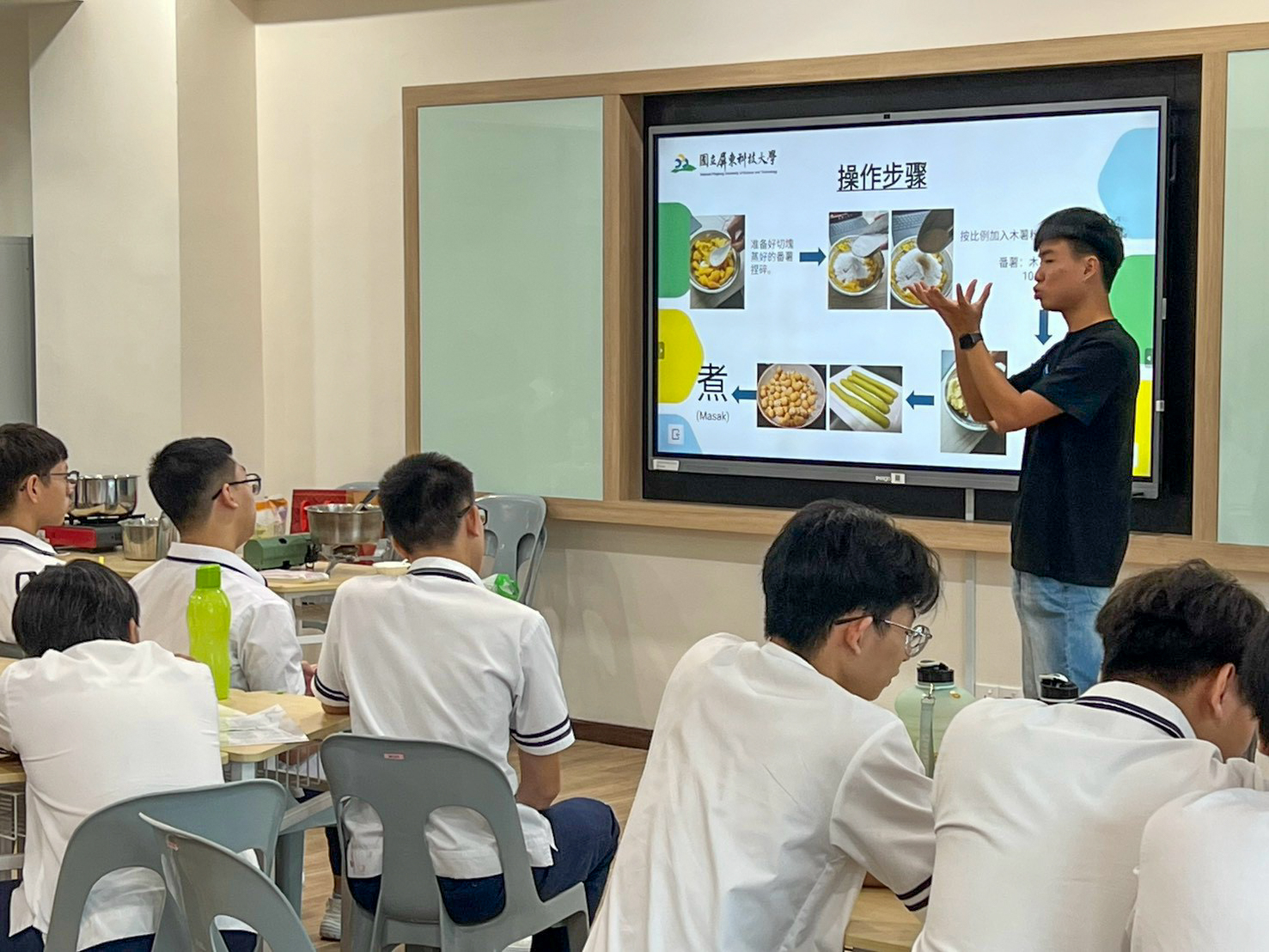
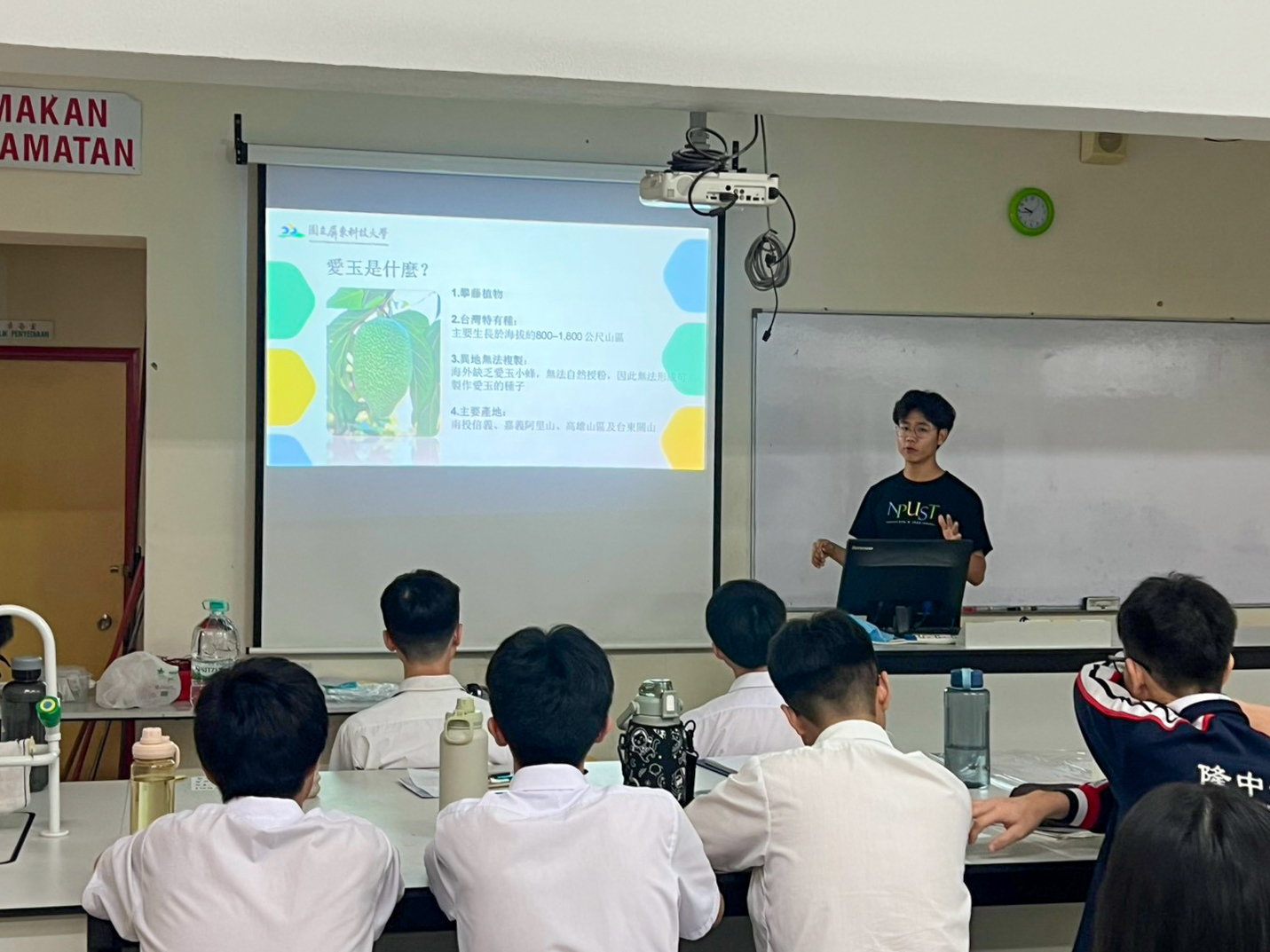
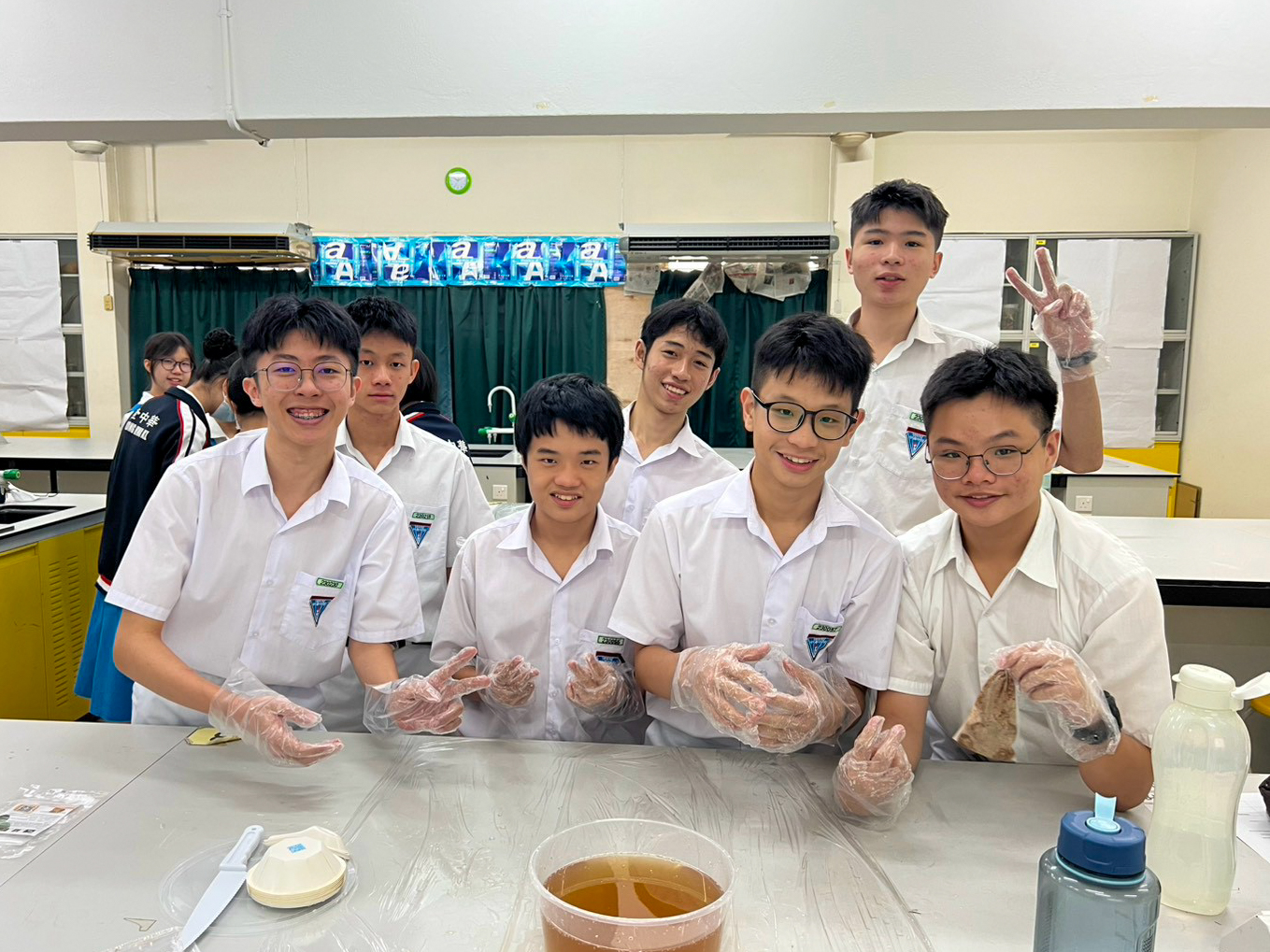
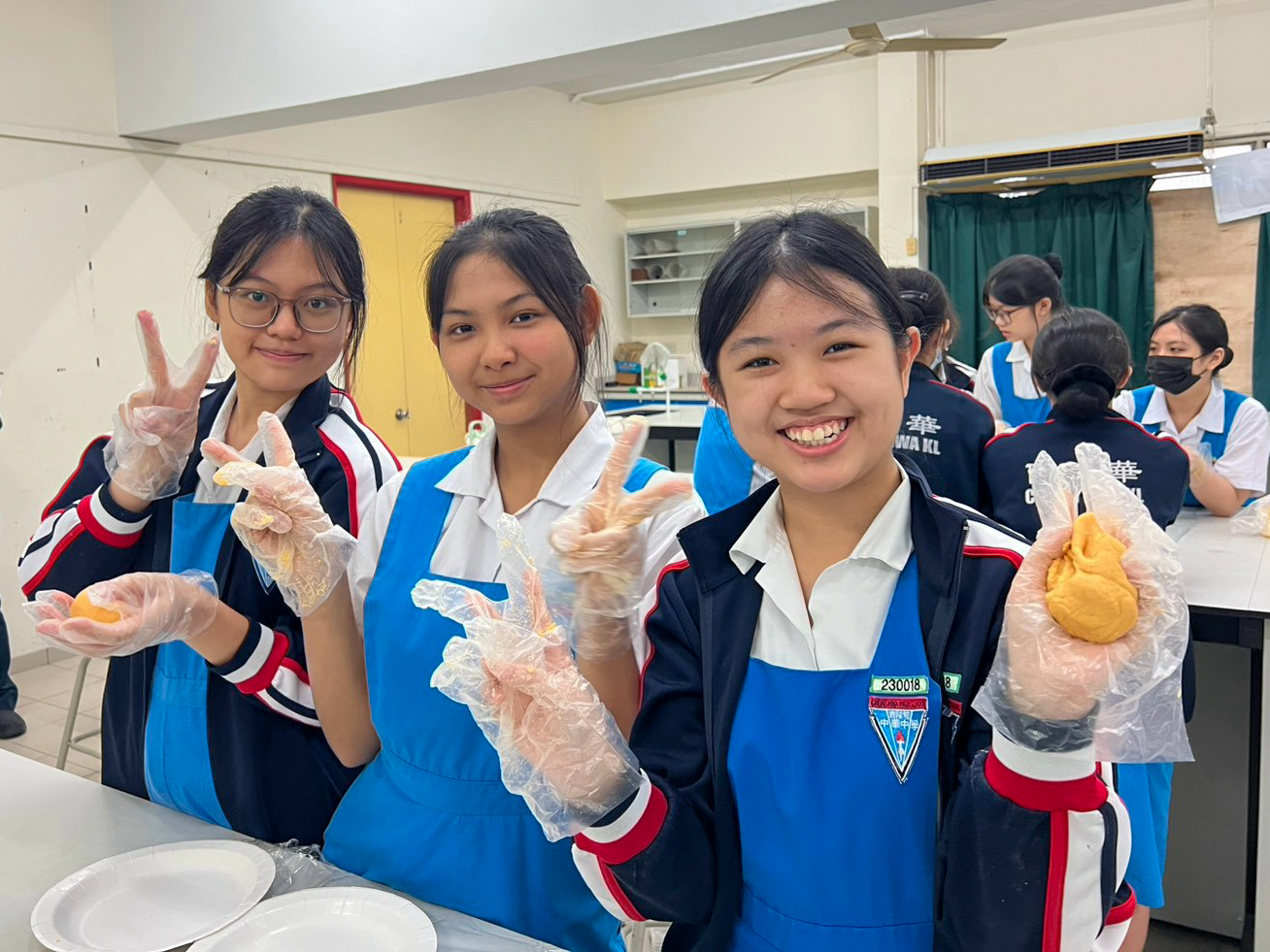
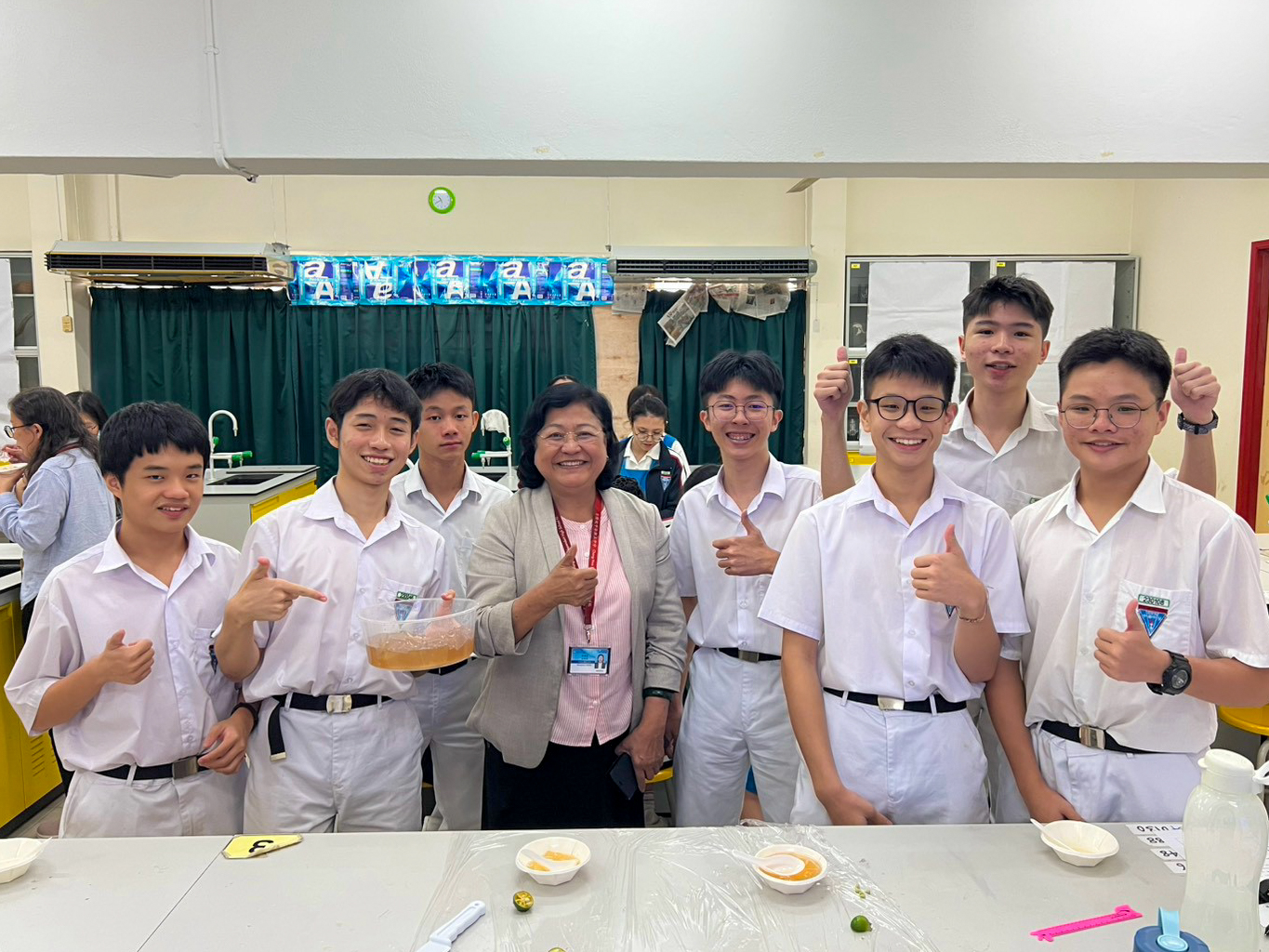
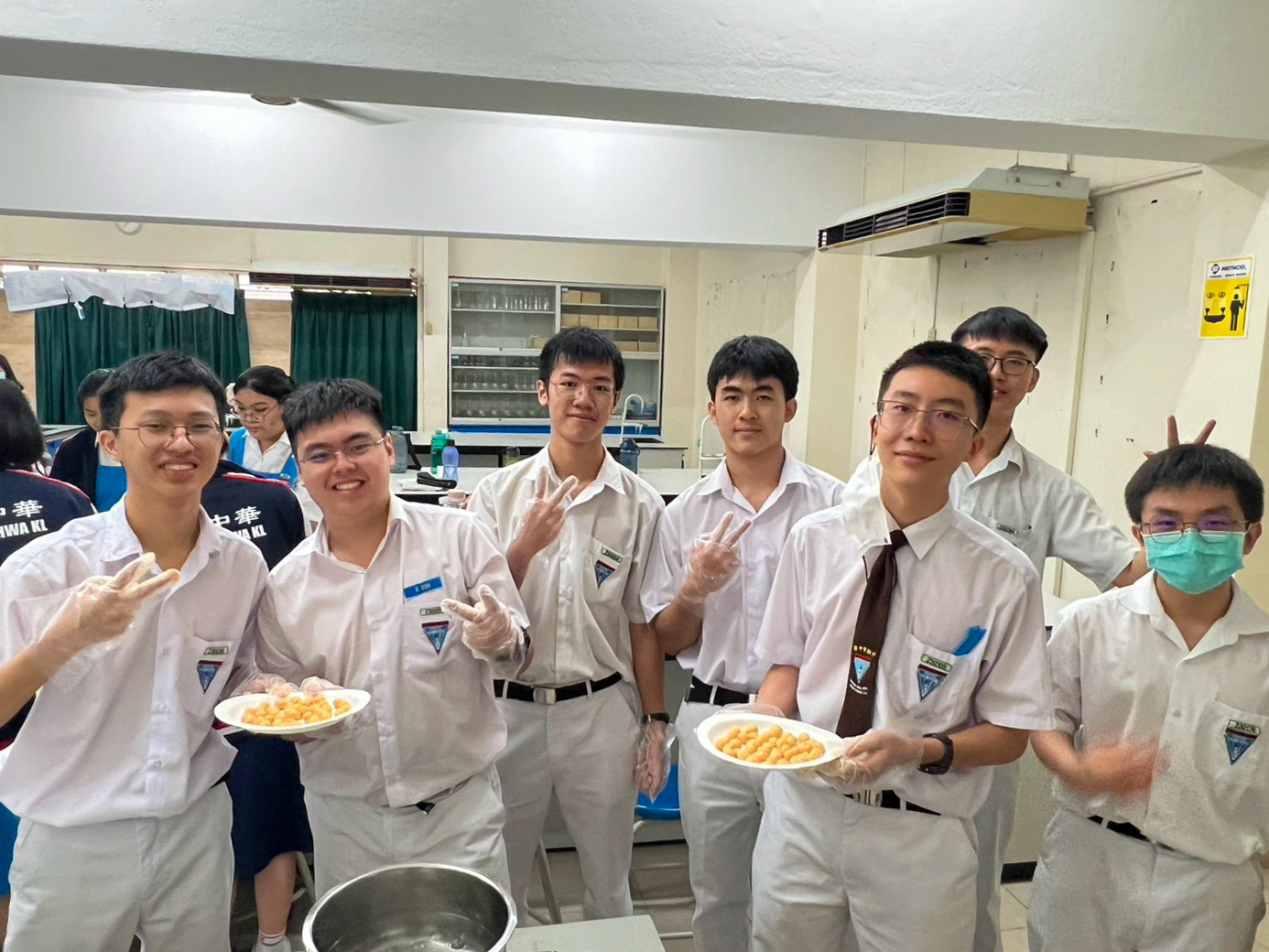
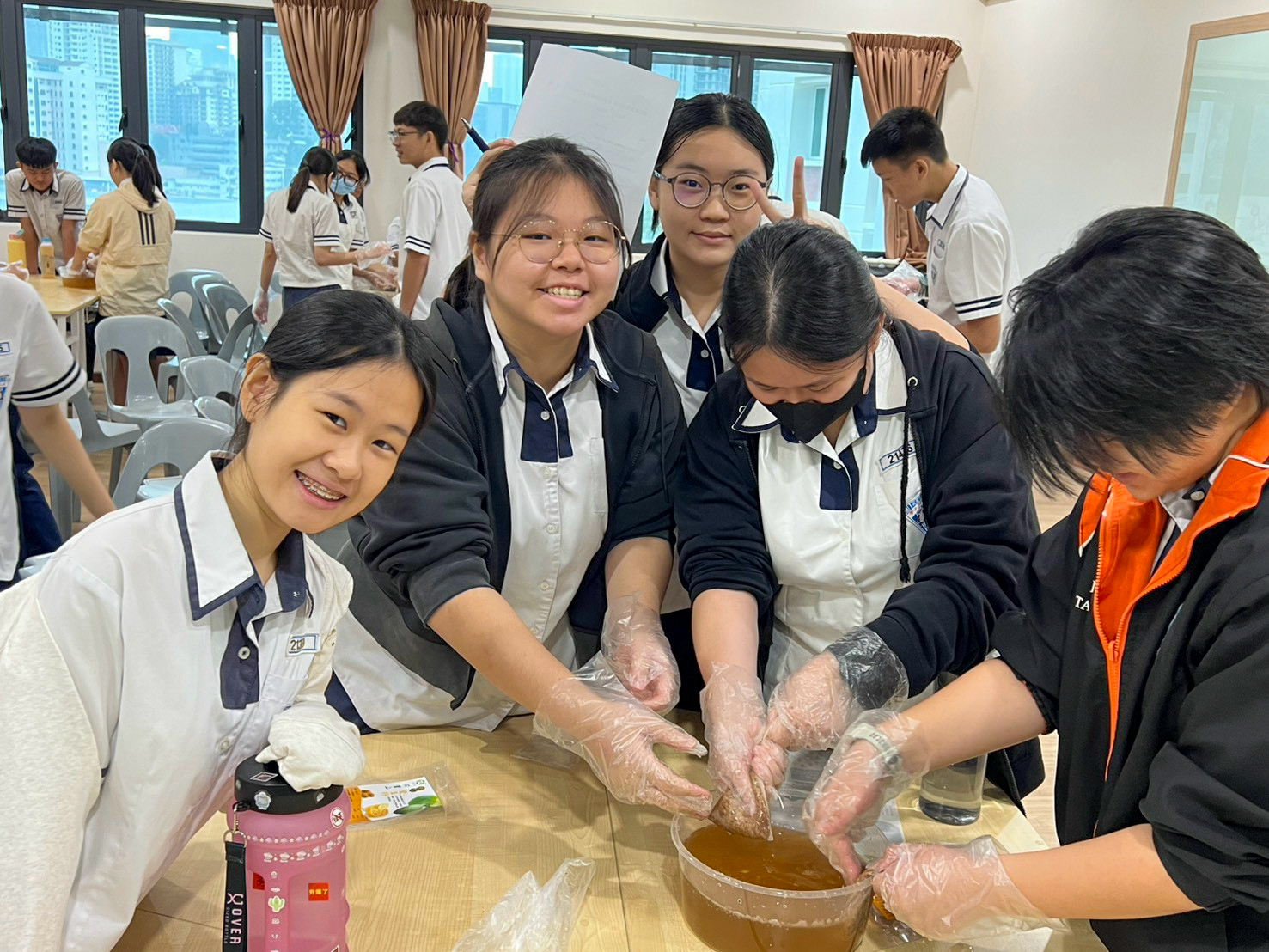
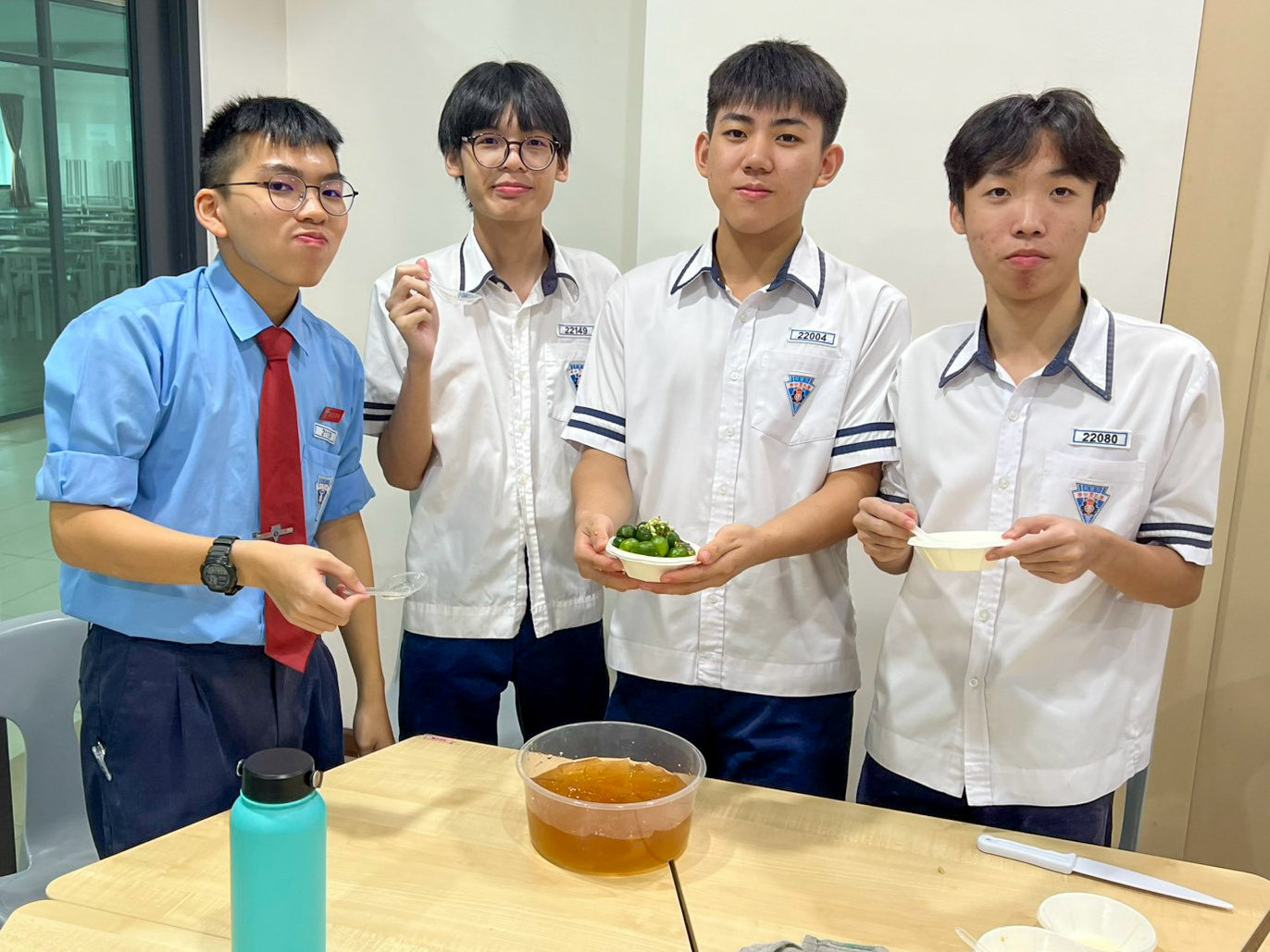
In addition to participating in the agricultural technology exhibition, the Office of International Affairs actively brought agricultural education into Malaysian high schools. Cooperation Director Shang-Han Tsai and Project Assistant Eason Ku, accompanied by three Malaysian students studying at NPUST (Teh Yong Kang, Lew Yi Xun, and Sam Yi Jun), visited Kuala Lumpur Chung Hua Independent High School and Confucian Independent High School to conduct educational activities.
Featuring specialty agricultural products from Taiwan, students explored the connection between food and agriculture through hands-on experiences and agricultural knowledge sharing. The three Malaysian NPUST students also presented their study experiences so that the participants could get a better understanding of university life in Taiwan and NPUST’s learning environment.
Agri Malaysia 2026 provided an invaluable platform to showcase the university’s research achievements, foster Taiwan-Malaysia agricultural exchanges, drive international recruitment, and strengthen overseas educational networks. Building on its exceptional agricultural resources and international experience, in the future, NPUST will continue expanding its networks in Malaysia. By doing so, the university seeks to introduce itself to overseas youth and elevate Taiwan’s agricultural education globally.