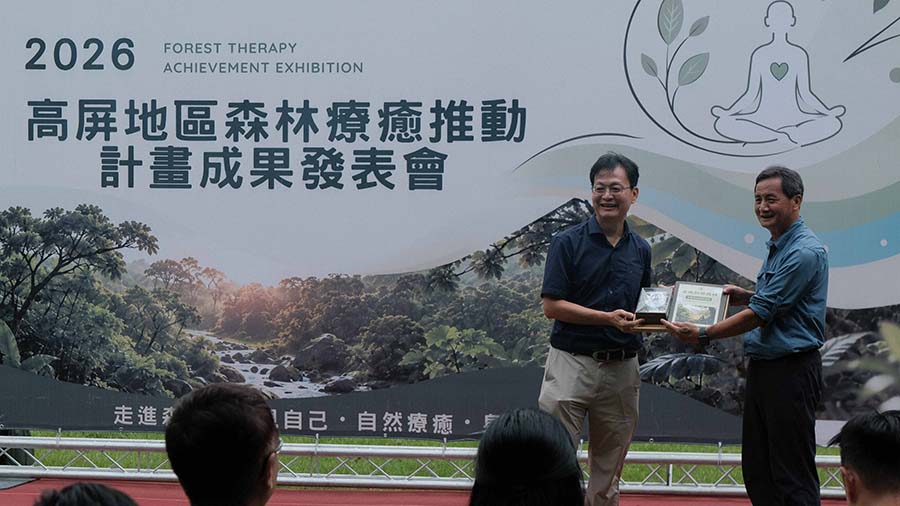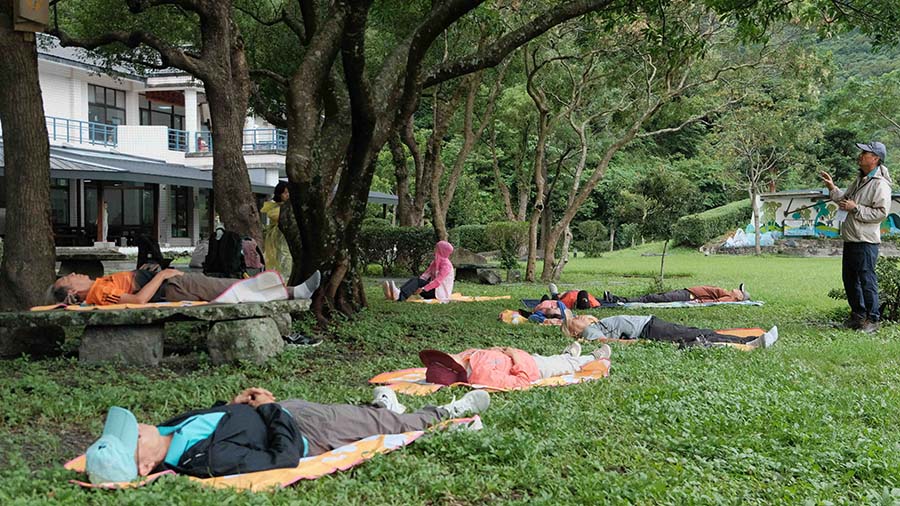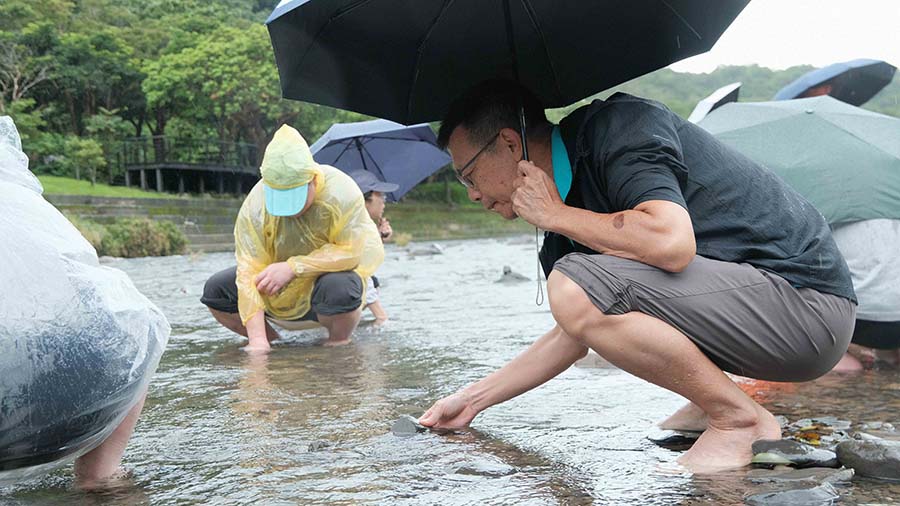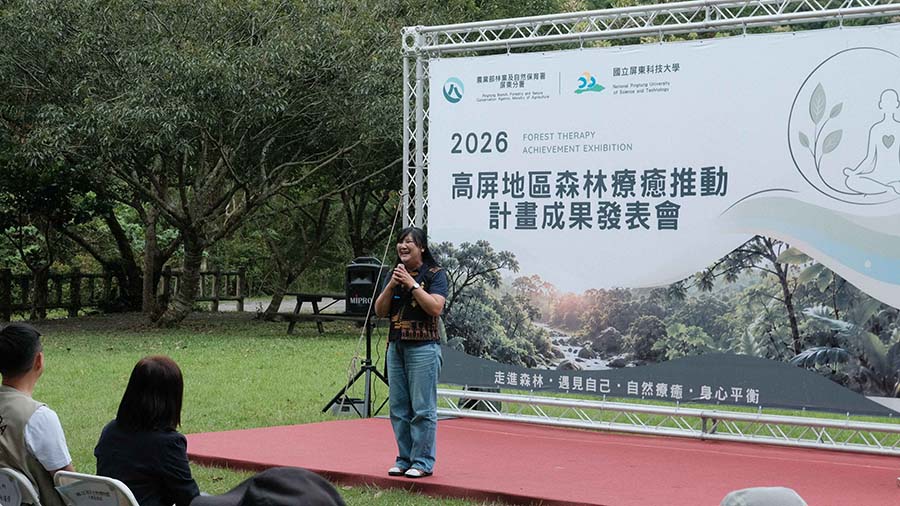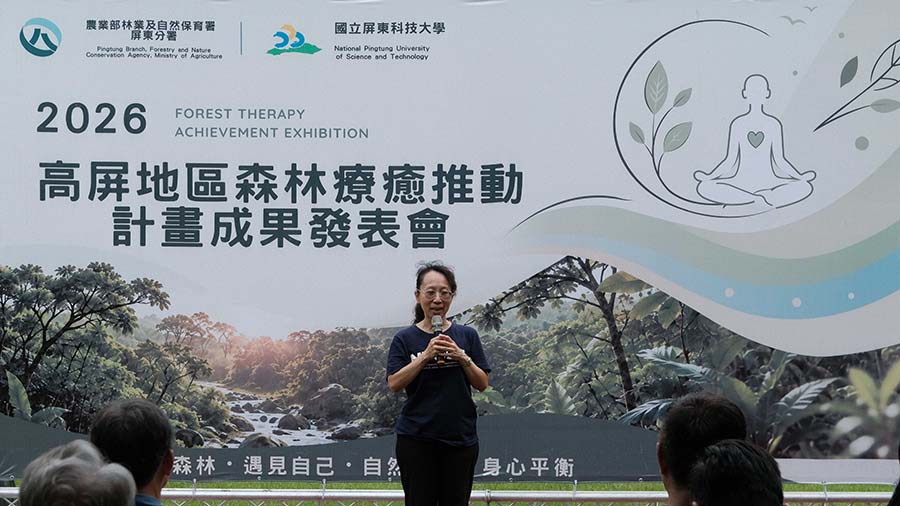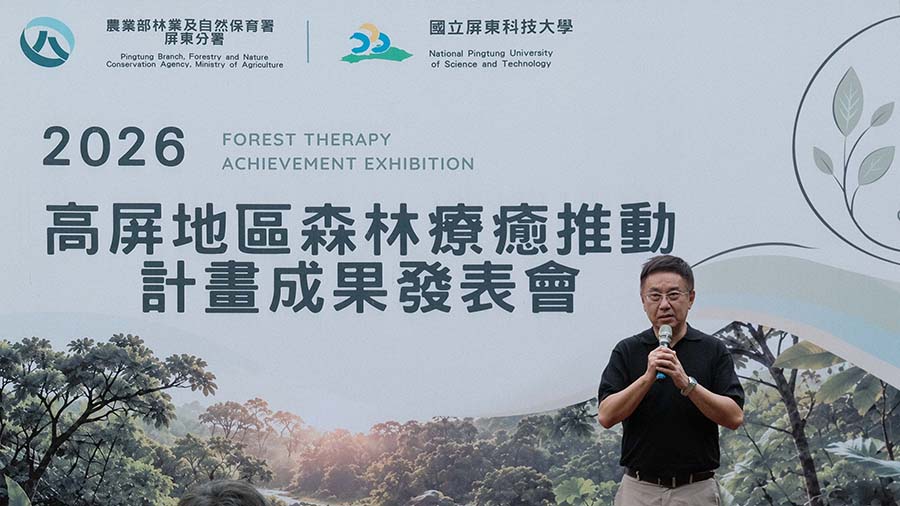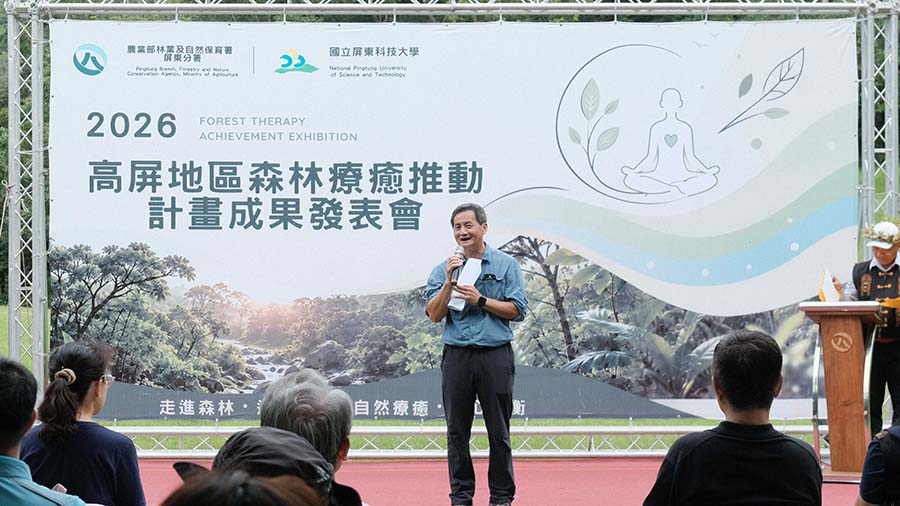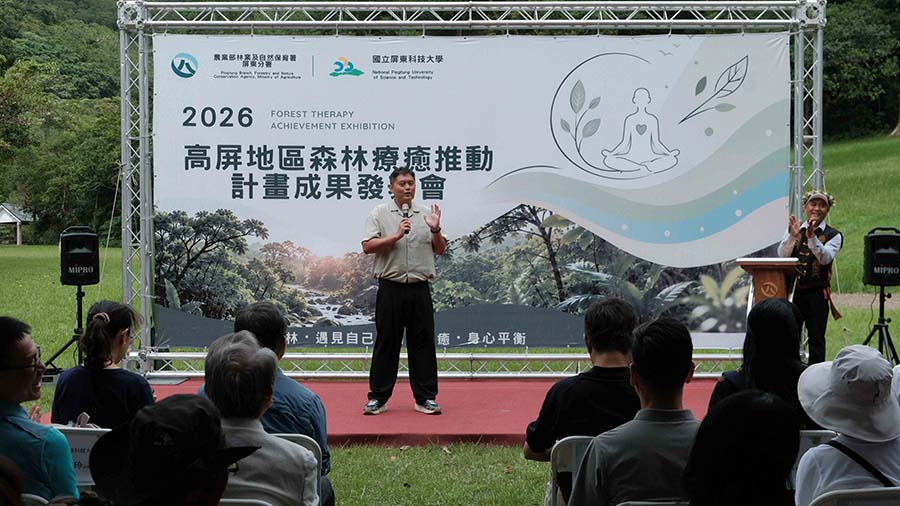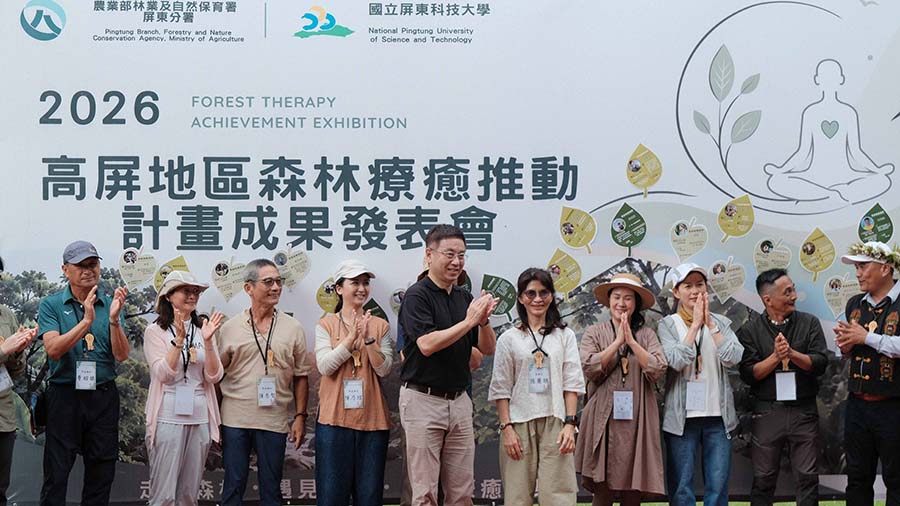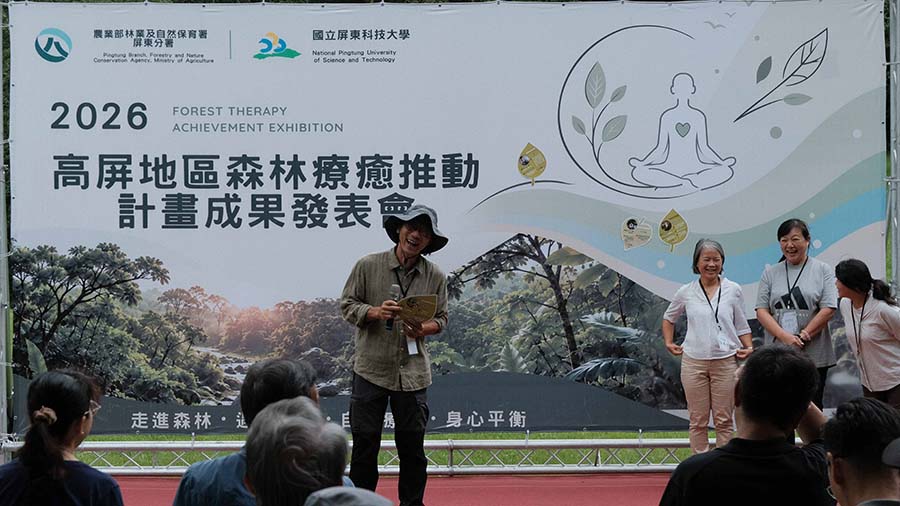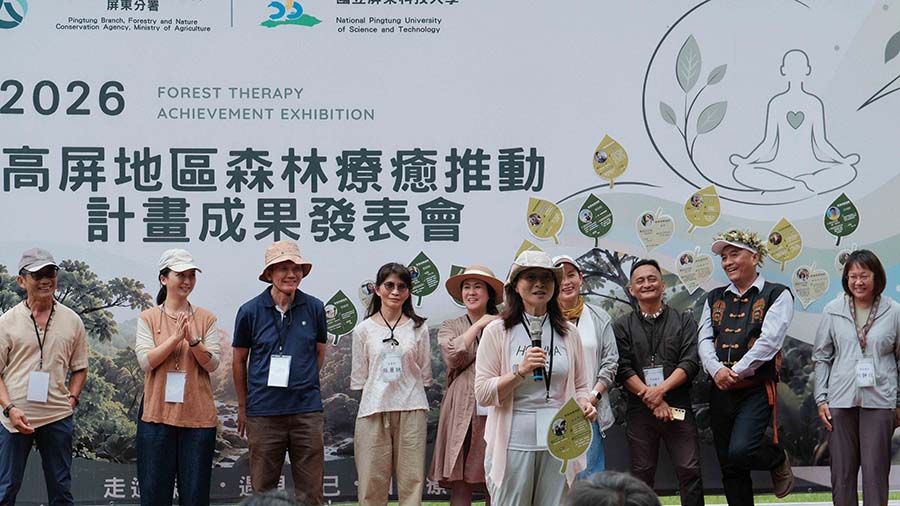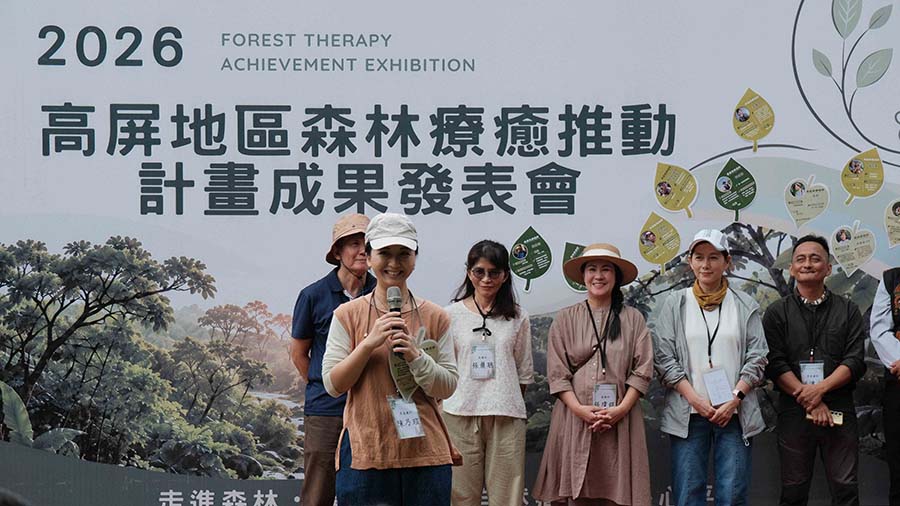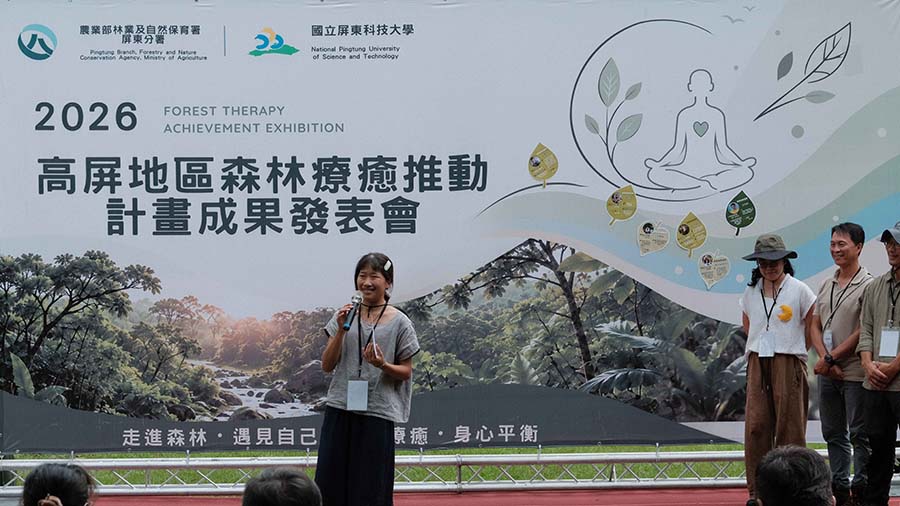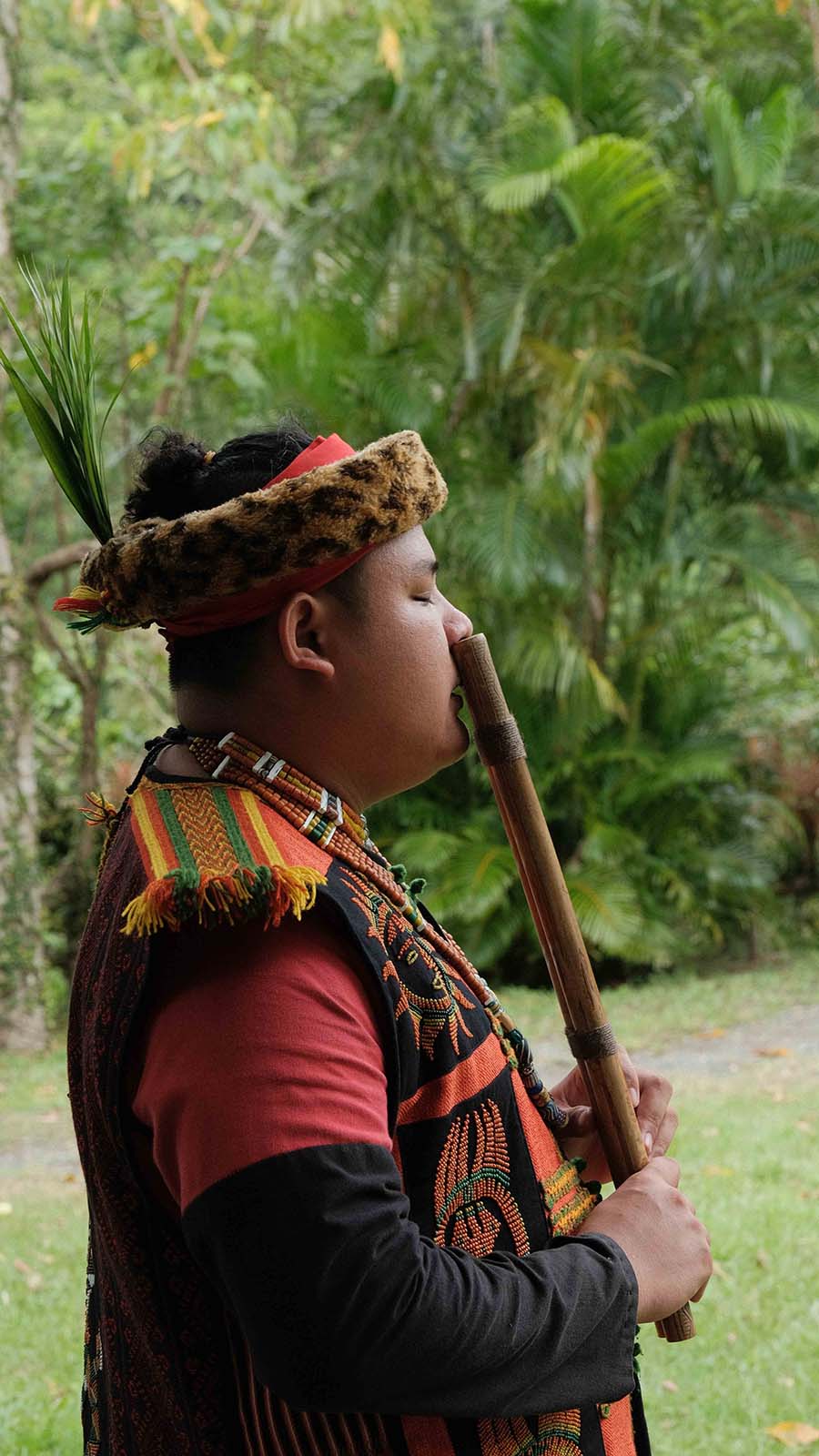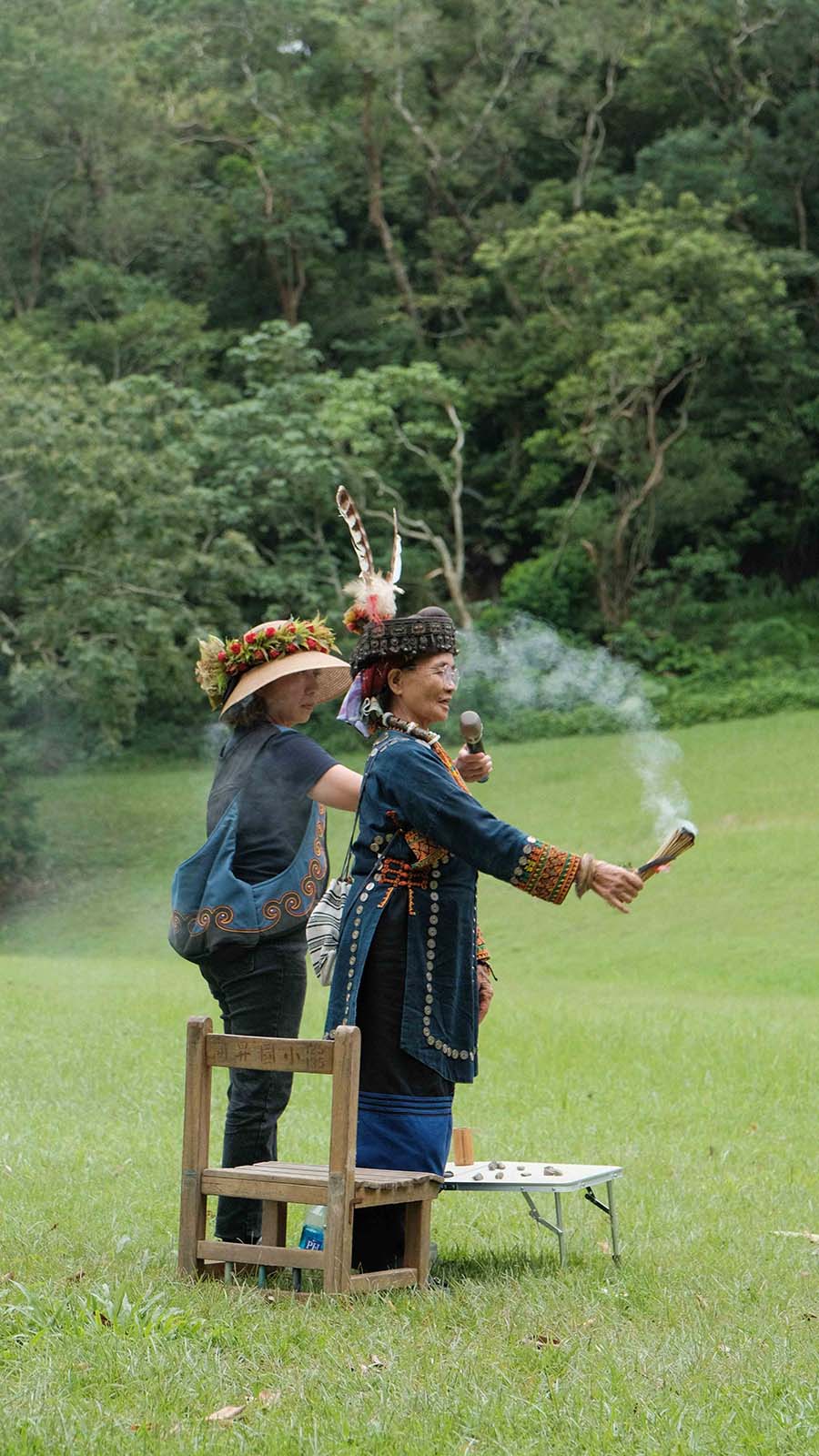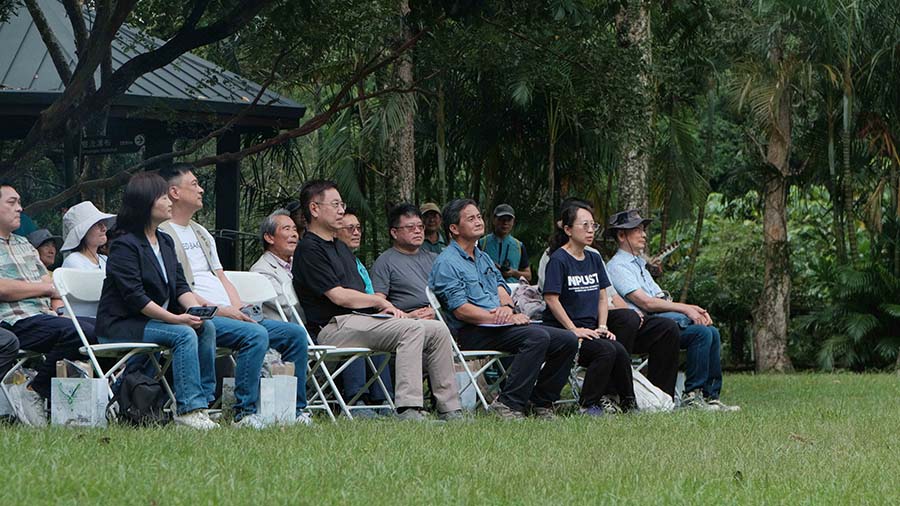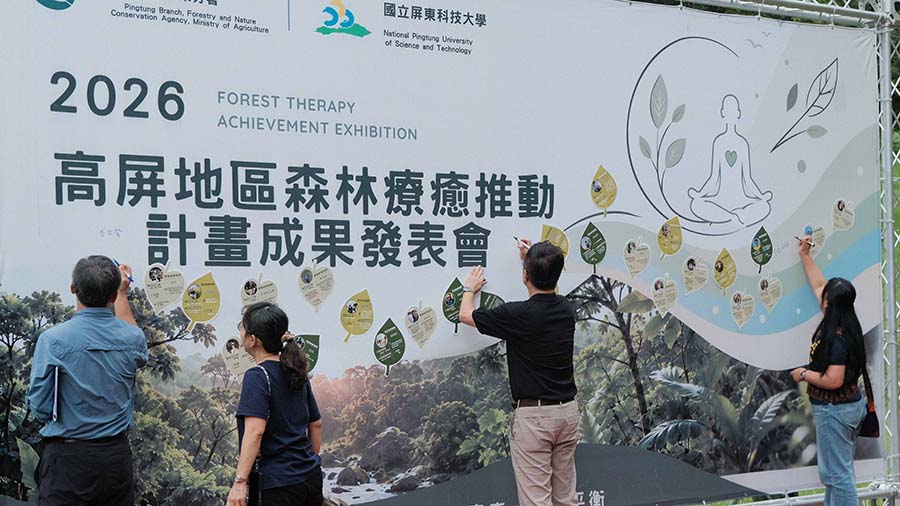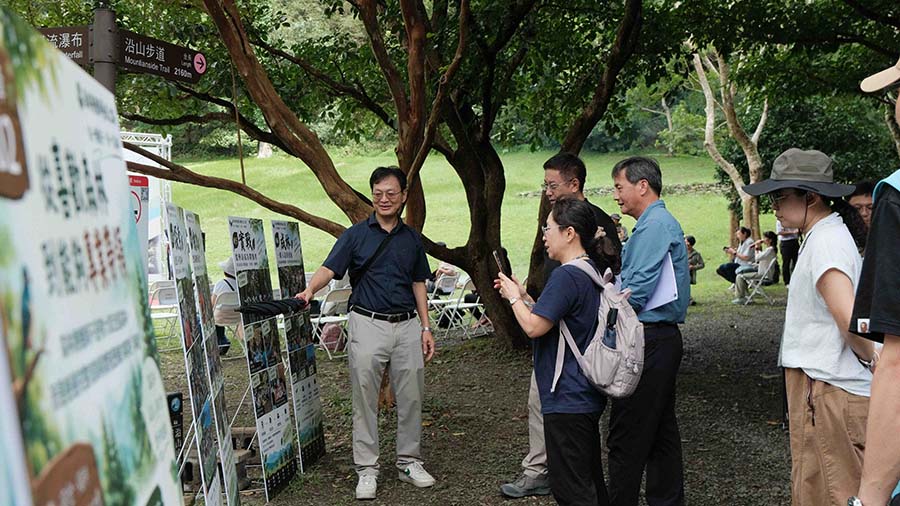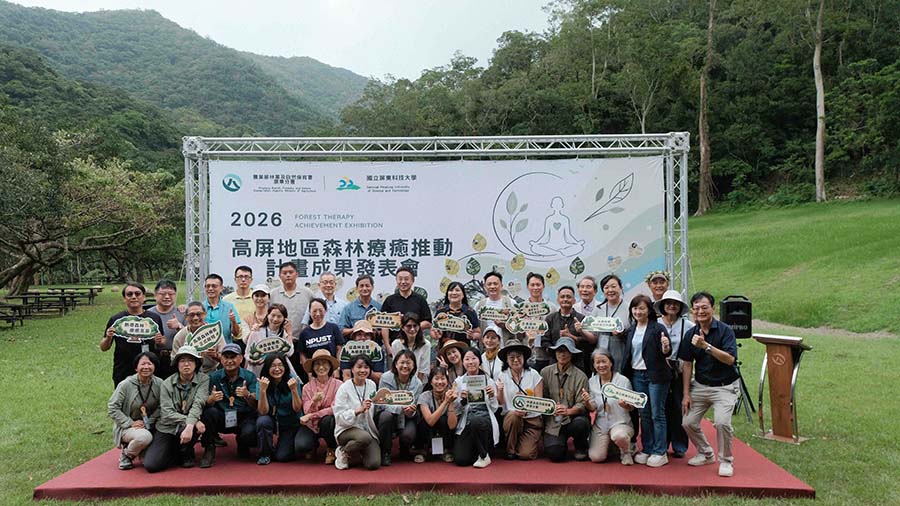
To actively promote forest-based health and well-being, sustainable forest management, and the development of mountain-village industries, the Pingtung Branch of the Forestry and Nature Conservation Agency (FNCA) joined forces with the Department of Forestry at National Pingtung University of Science and Technology (NPUST) to hold a presentation on the results of the “Kaohsiung–Pingtung Forest Therapy Promotion Project.” The event was held on September 11, 2026, on the “Sunshine Lawn” at Shuangliu National Forest Recreation Area.
Under the theme “Let the Forest Be the Starting Point for Health,” the event showcased key achievements from the project to promote forest therapy in the Kaohsiung–Pingtung region, including the training of forest therapy professionals, the design of distinctive therapeutic programs, and the development of forest therapy sites. It provided a comprehensive overview of major milestones in the development of tropical forest therapy in Taiwan and highlighted how forest therapy can help stimulate regional economic development while supporting the sustainable management of forest resources.
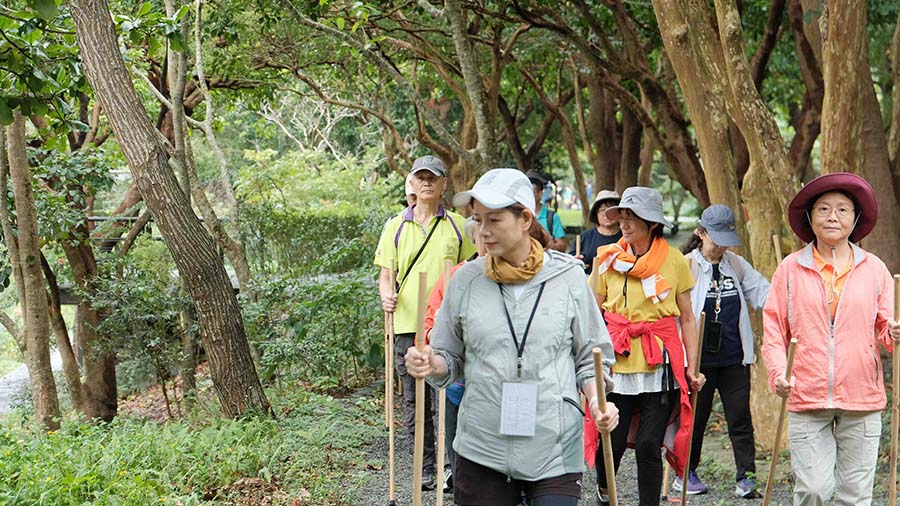
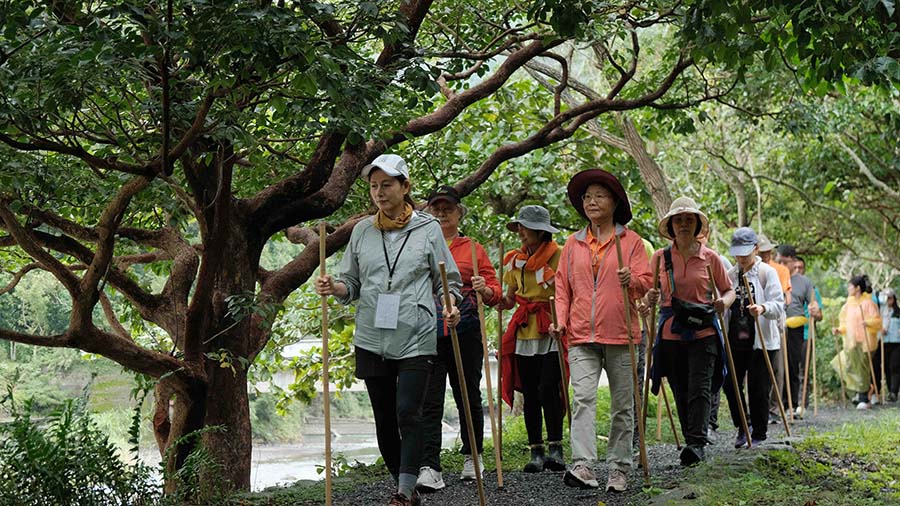
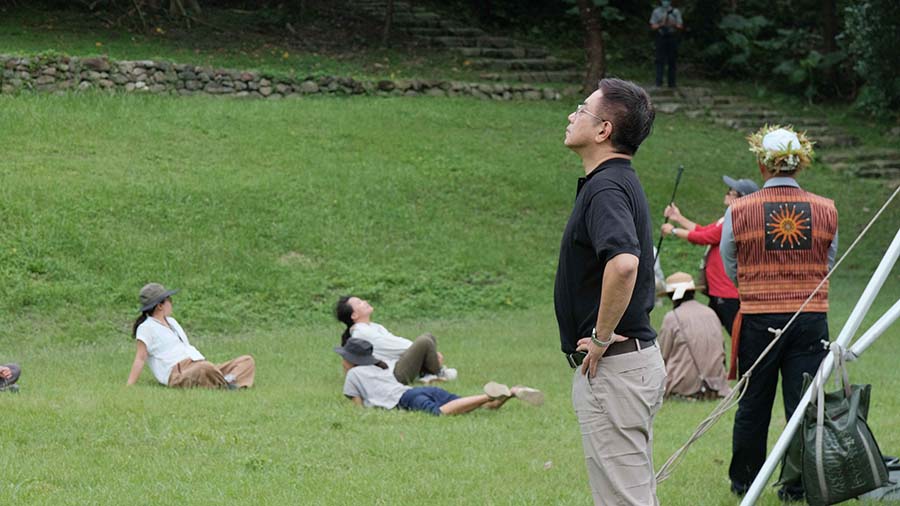
The event also featured presentations by forest therapists, displays of project results, guided forest therapy experiences, and a forest-inspired lunch. Participants were introduced to several distinctive forest therapy sites, including Shuangliu, Kenting National Forest Recreation Area, Linhousilin Flatland Forest Park, and mountain villages in the Kaohsiung–Pingtung region. Together, these sites demonstrate the rich ecological resources and therapeutic qualities of Taiwan’s tropical forests.
The Forest Therapy Promotion Project is the result of close cross-disciplinary collaboration between the Pingtung Branch of the FNCA and NPUST’s Department of Forestry. Led by Associate Professor Kai-An Lo and a team of professional instructors, the program incorporates the FNCA’s forest therapist certification curriculum to establish a professional talent-development system for the region.
To date, the program has successfully trained 30 forest therapists from diverse professional backgrounds, including psychologists, social workers, environmental education practitioners, Indigenous community workers, and teachers. With plenty of hands-on field training, the rigorous credit-based coursework covers such subjects as forest ecology, mental health, and outdoor first aid. With their training, these professionals will serve as an important driving force in the future development of forest therapy sites at Shuangliu, Kenting, Linhousilin Flatland Forest Park, and in mountain villages throughout the Kaohsiung–Pingtung region.
Looking ahead, the Pingtung Branch of the FNCA will continue to draw on NPUST’s expertise in forestry to expand forest therapy beyond national forest recreation areas into local communities and Indigenous villages. Through cross-sector collaboration spanning forest management, health promotion, tourism, and local development, the initiative aims to make forests an important natural resource for public health and a key force for promoting local revitalization and sustainable development.
NPUST will likewise continue to fulfill its University Social Responsibility (USR) mission by working with government agencies and local communities to advance sustainability. Together, they hope to encourage more people to enter the forest, connect with nature, and experience firsthand the restorative power of Taiwan’s tropical forests for both body and mind.