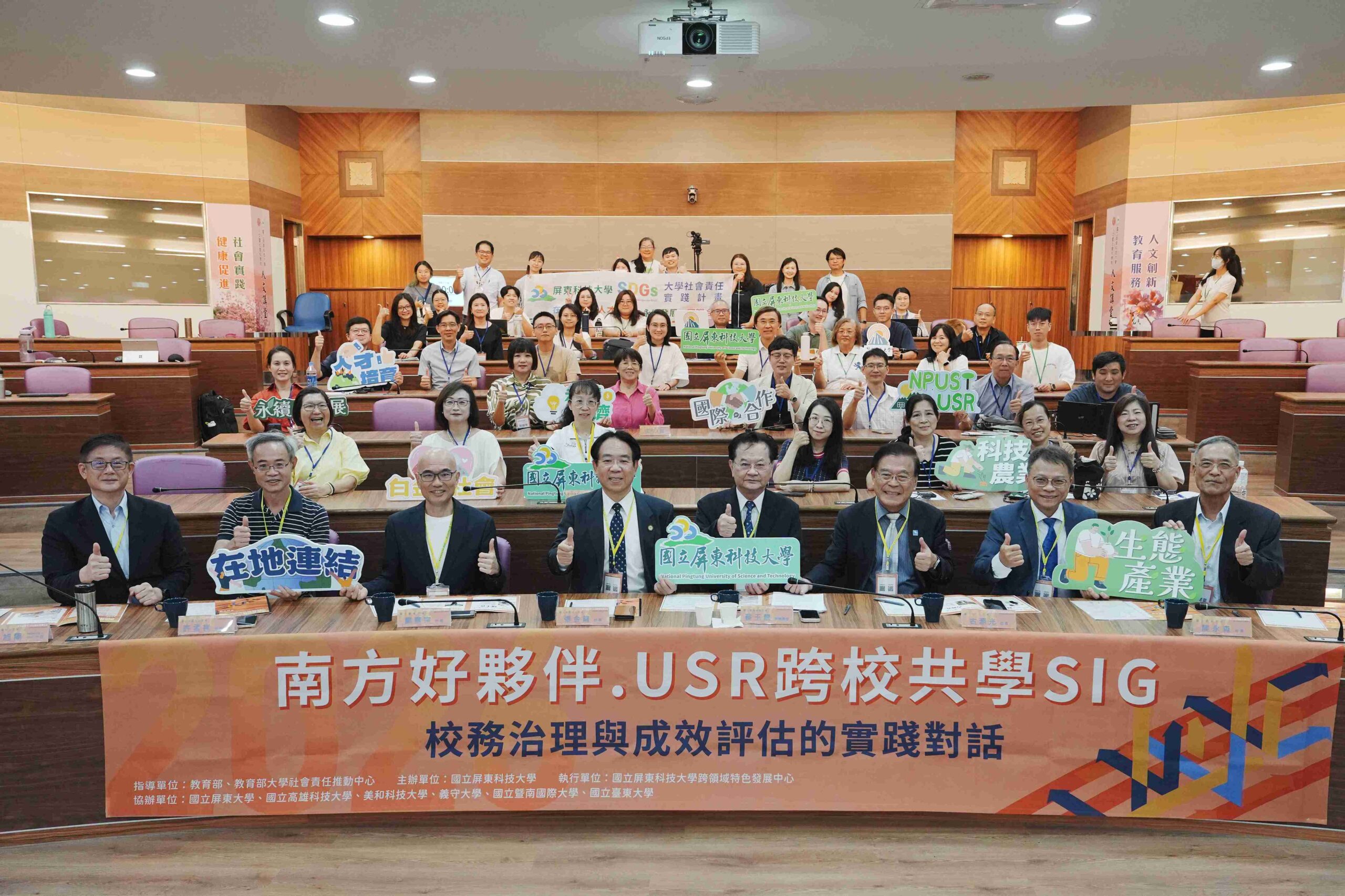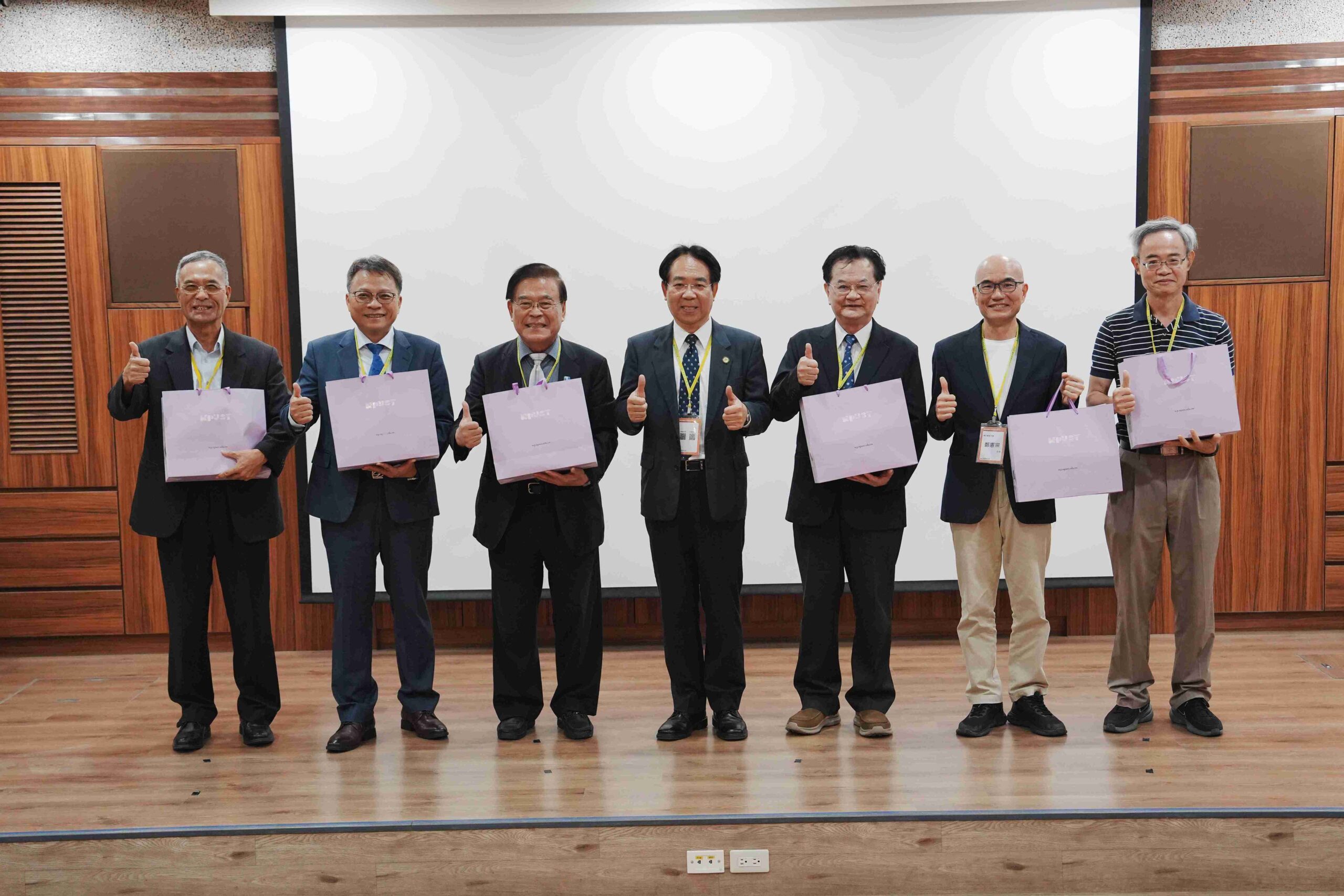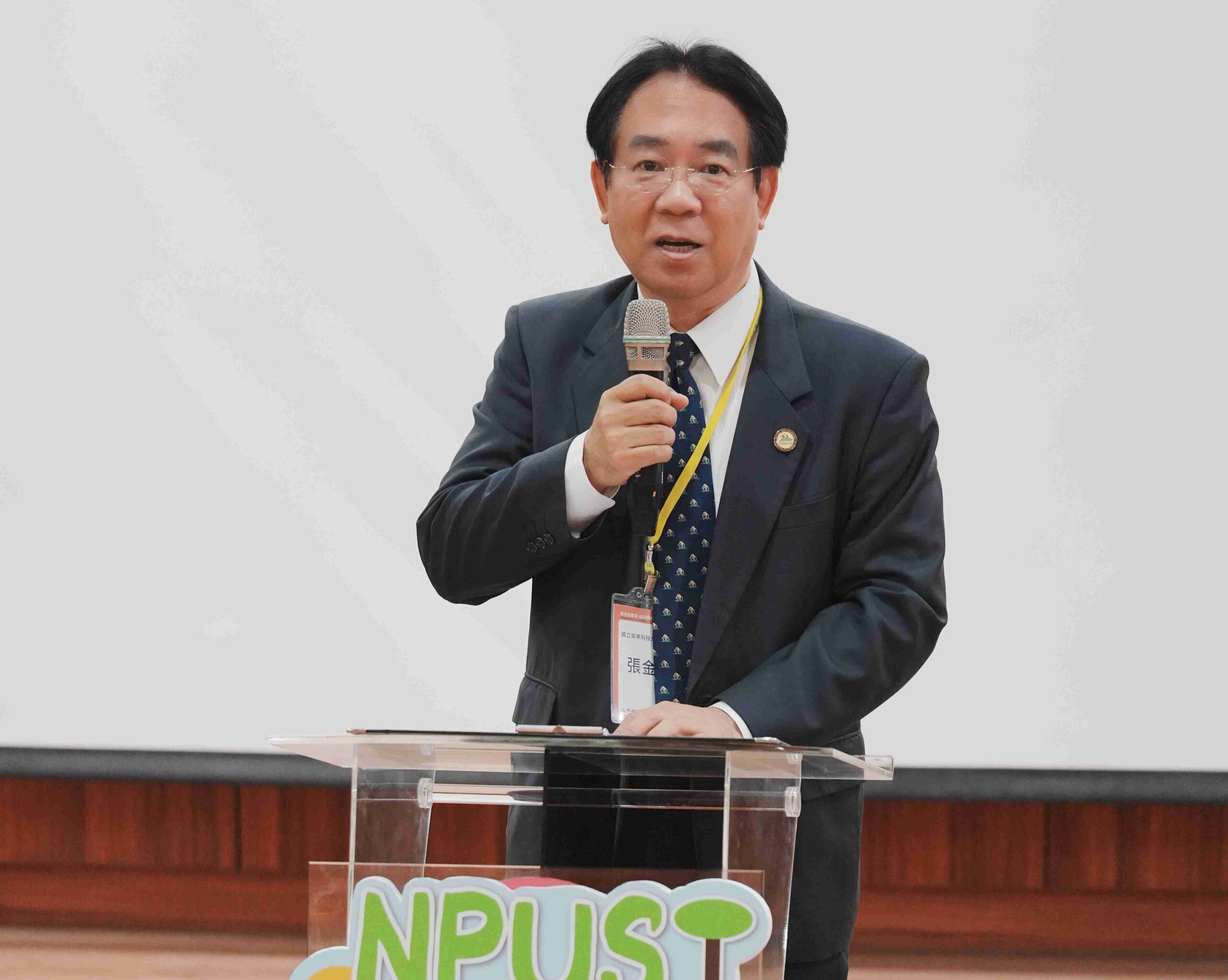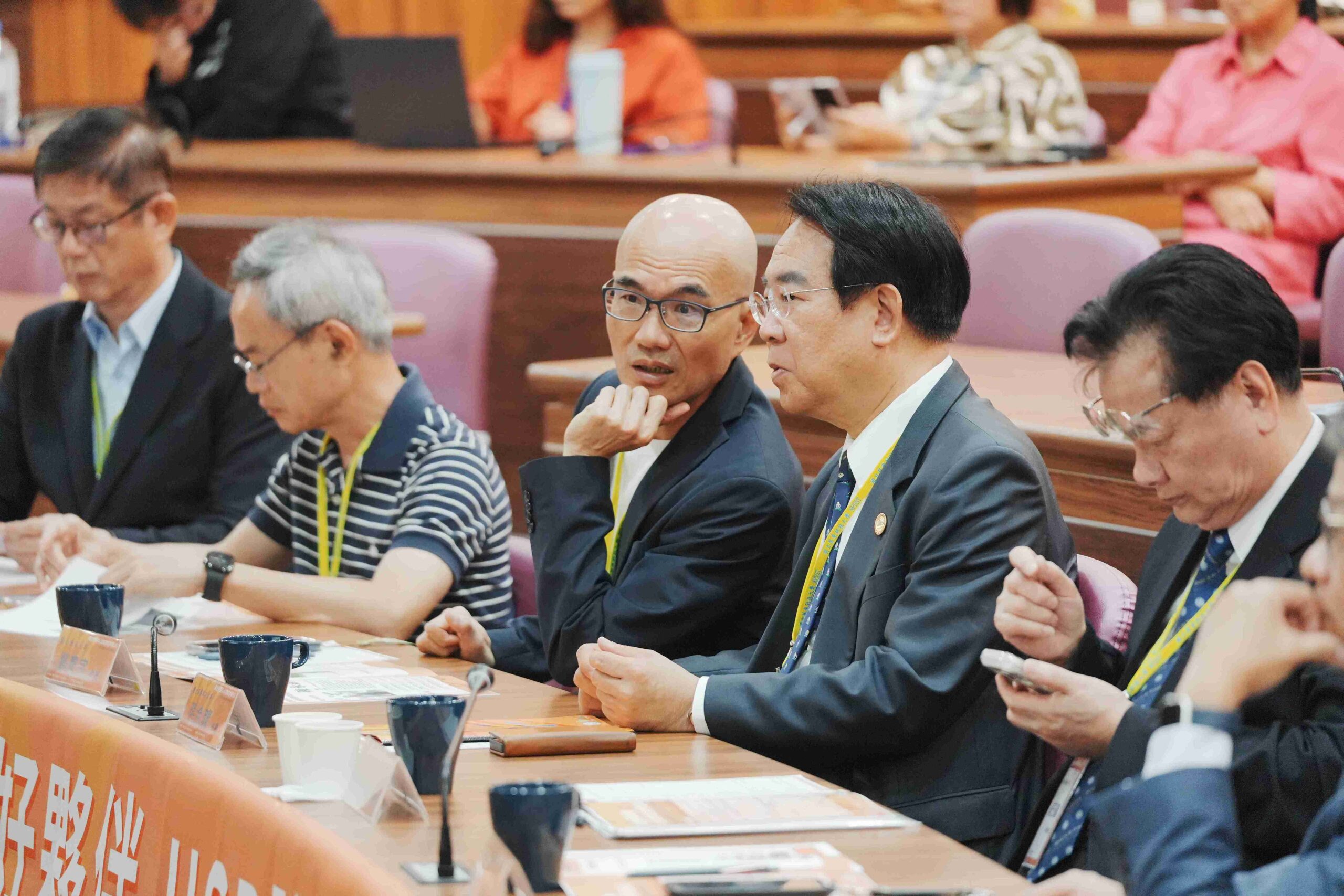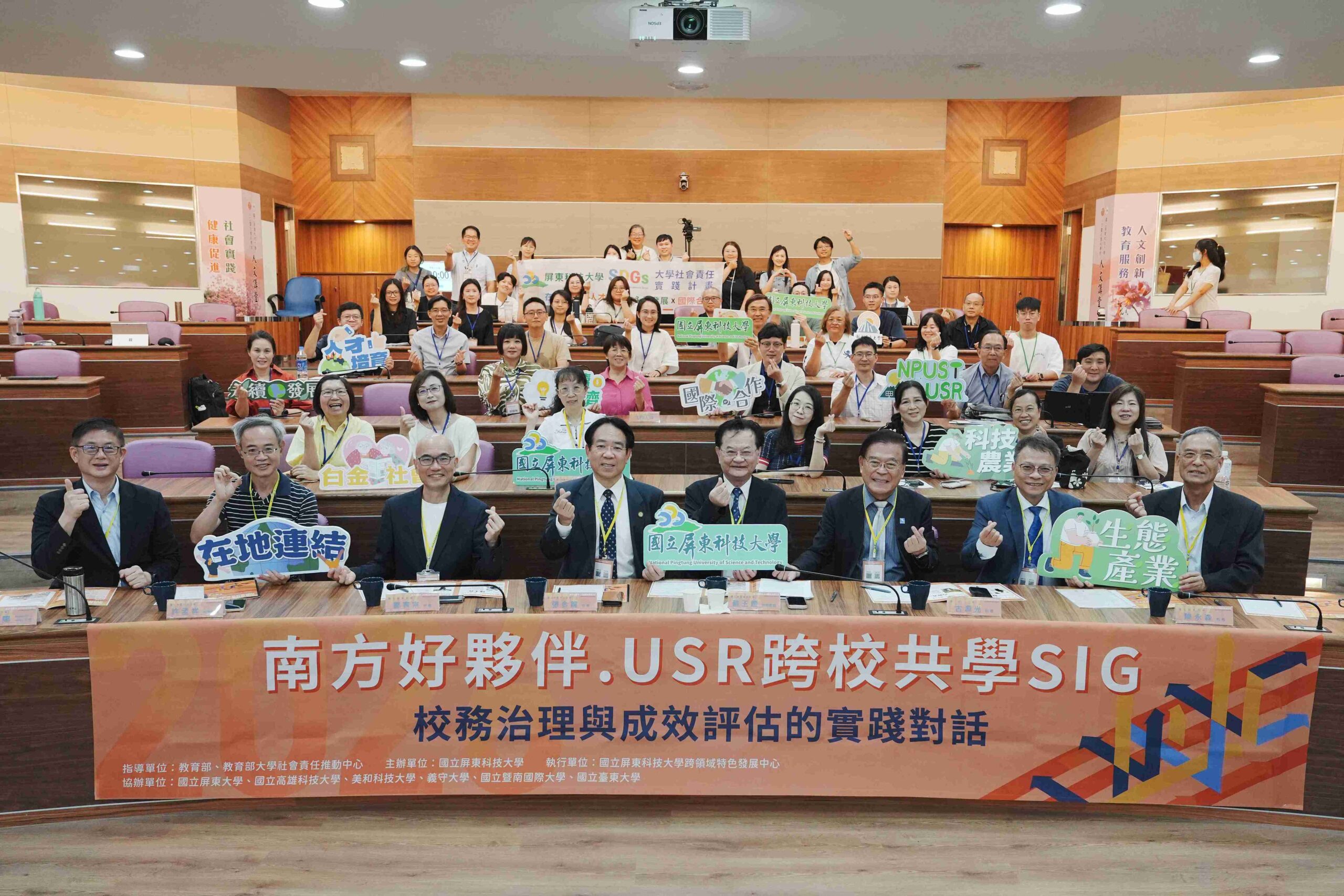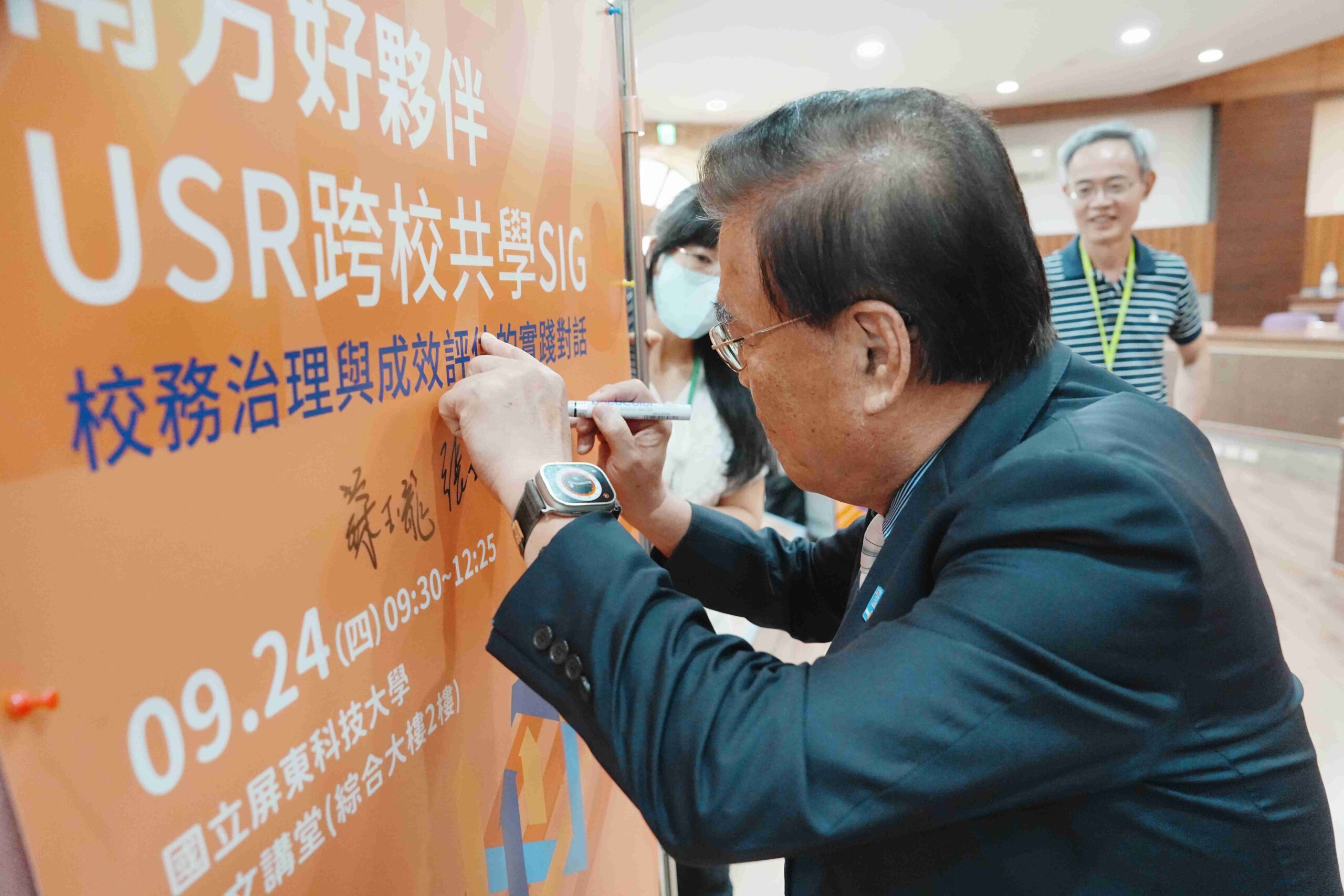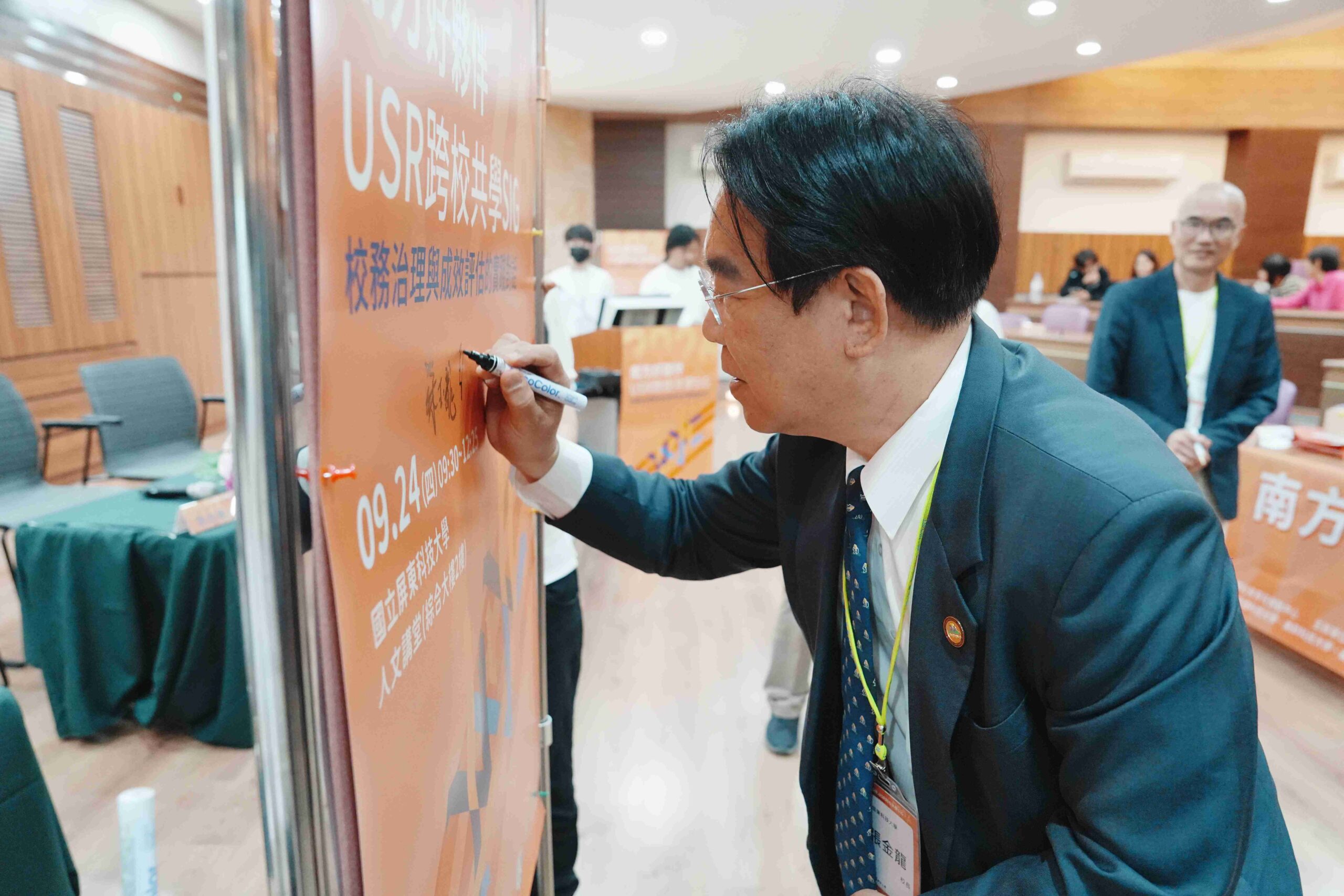
To deepen University Social Responsibility (USR) institutional governance and cross-school collaborative learning, the Center of Interdisciplinary Feature Development at National Pingtung University of Science and Technology (NPUST) hosted the “Good Southern Partners – USR Cross-School Learning SIG: Practical Dialogue on Institutional Governance and Impact Evaluation” on September 24 (2026). NPUST President Chin-Lung Chang invited presidents from five institutions—National Pingtung University, National Taitung University, I-Shou University, and Meiho University—along with USR partners to gather at NPUST to exchange insights on how USR can be integrated into institutional development, performance evaluation, and regional collaboration.
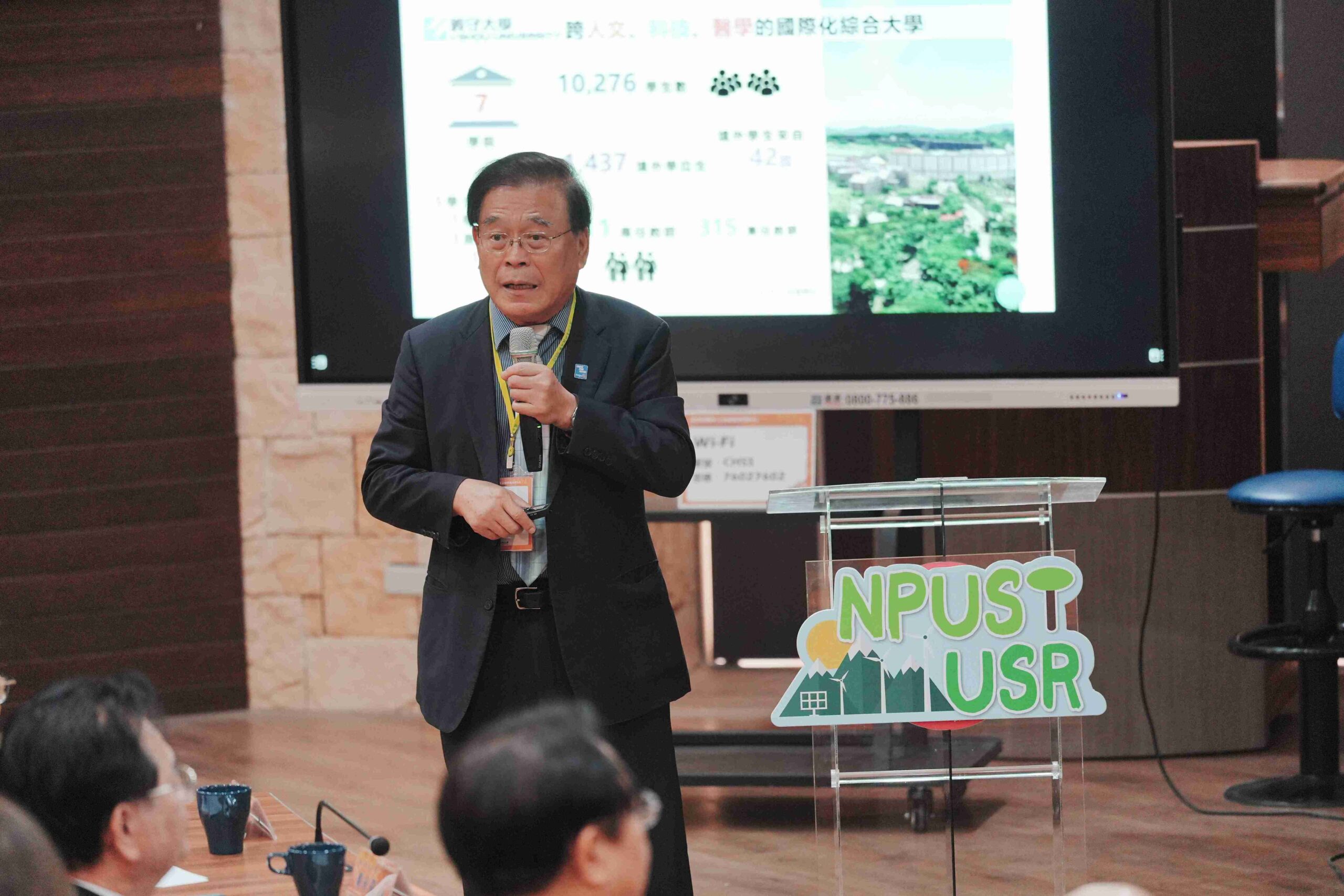
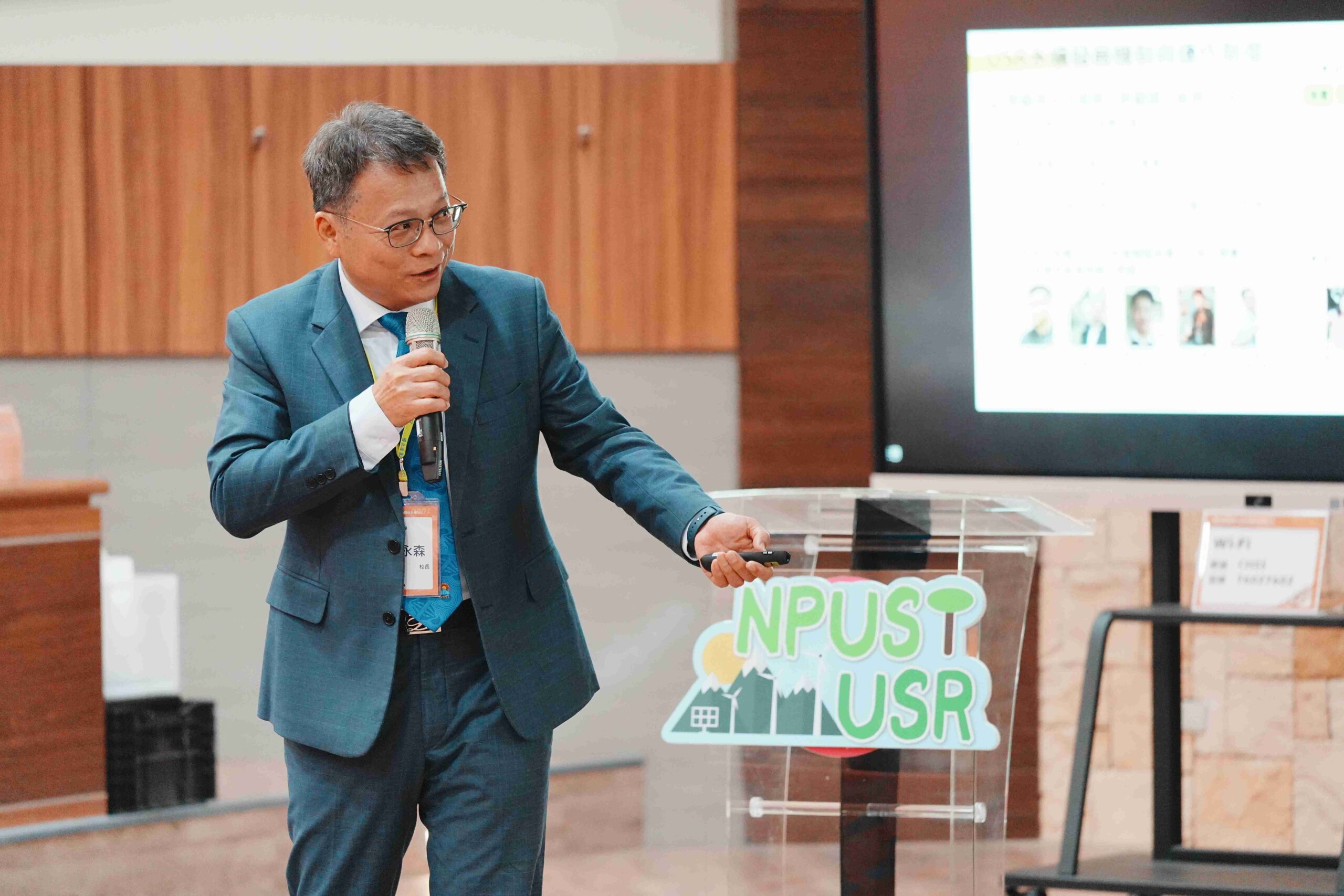
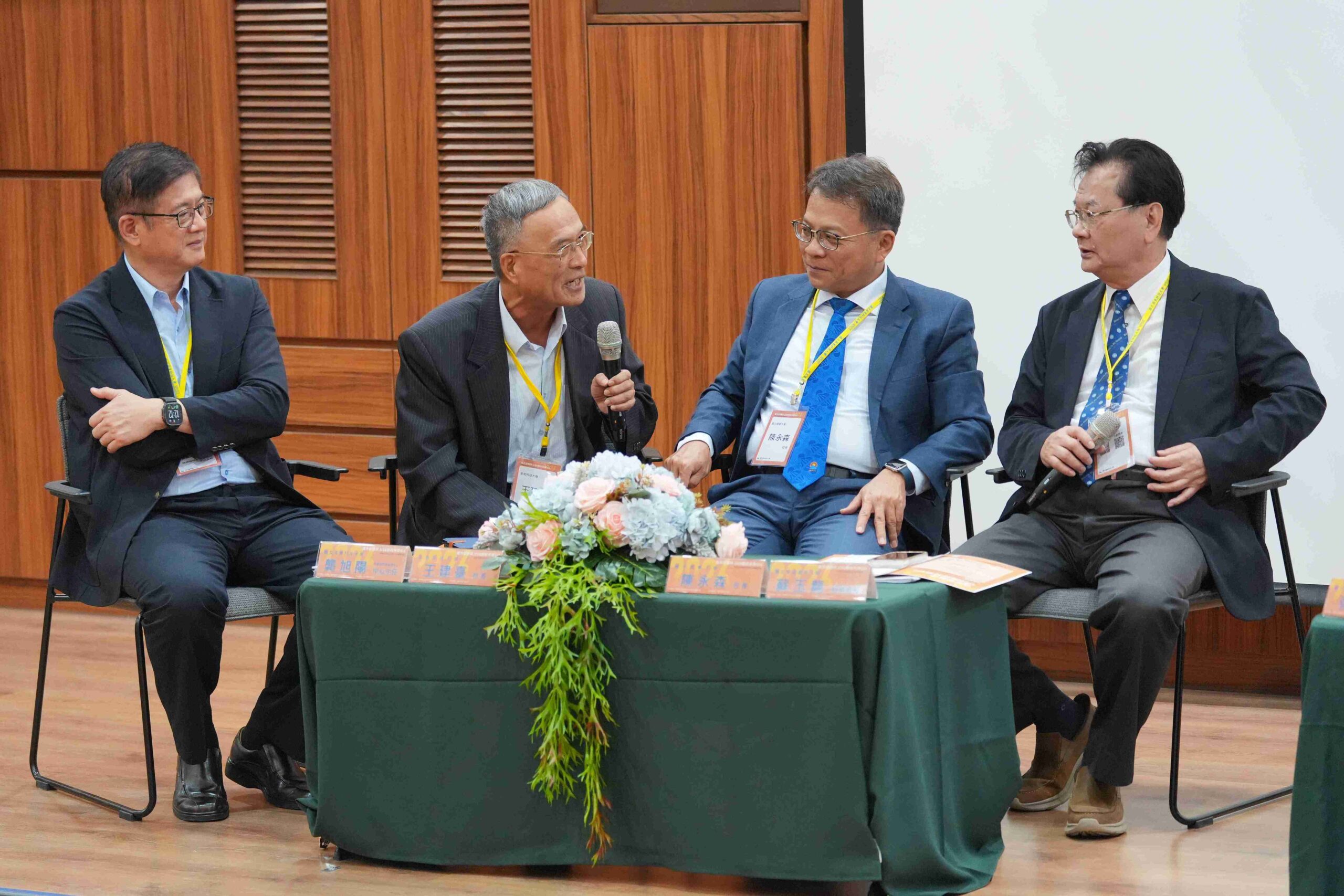
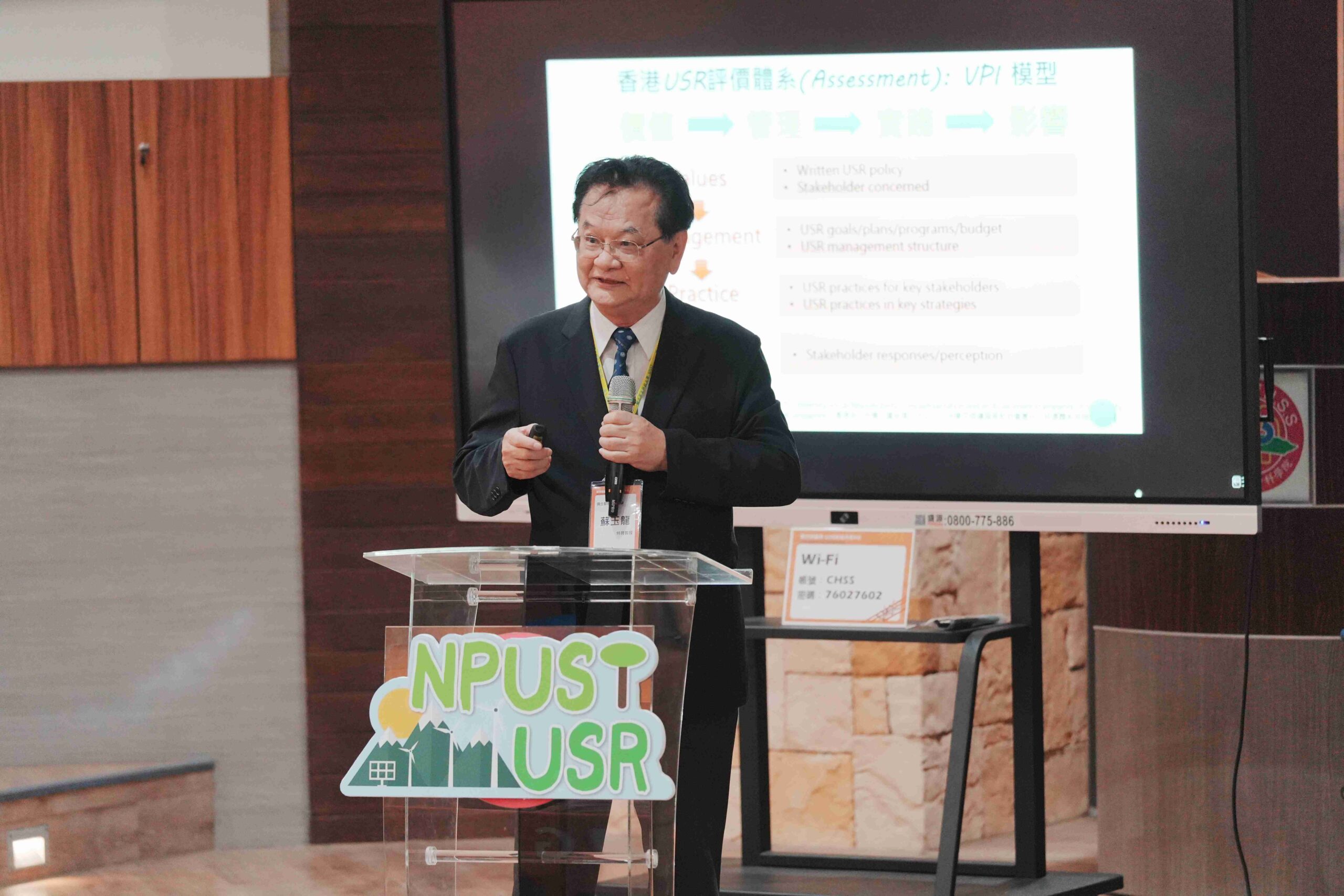
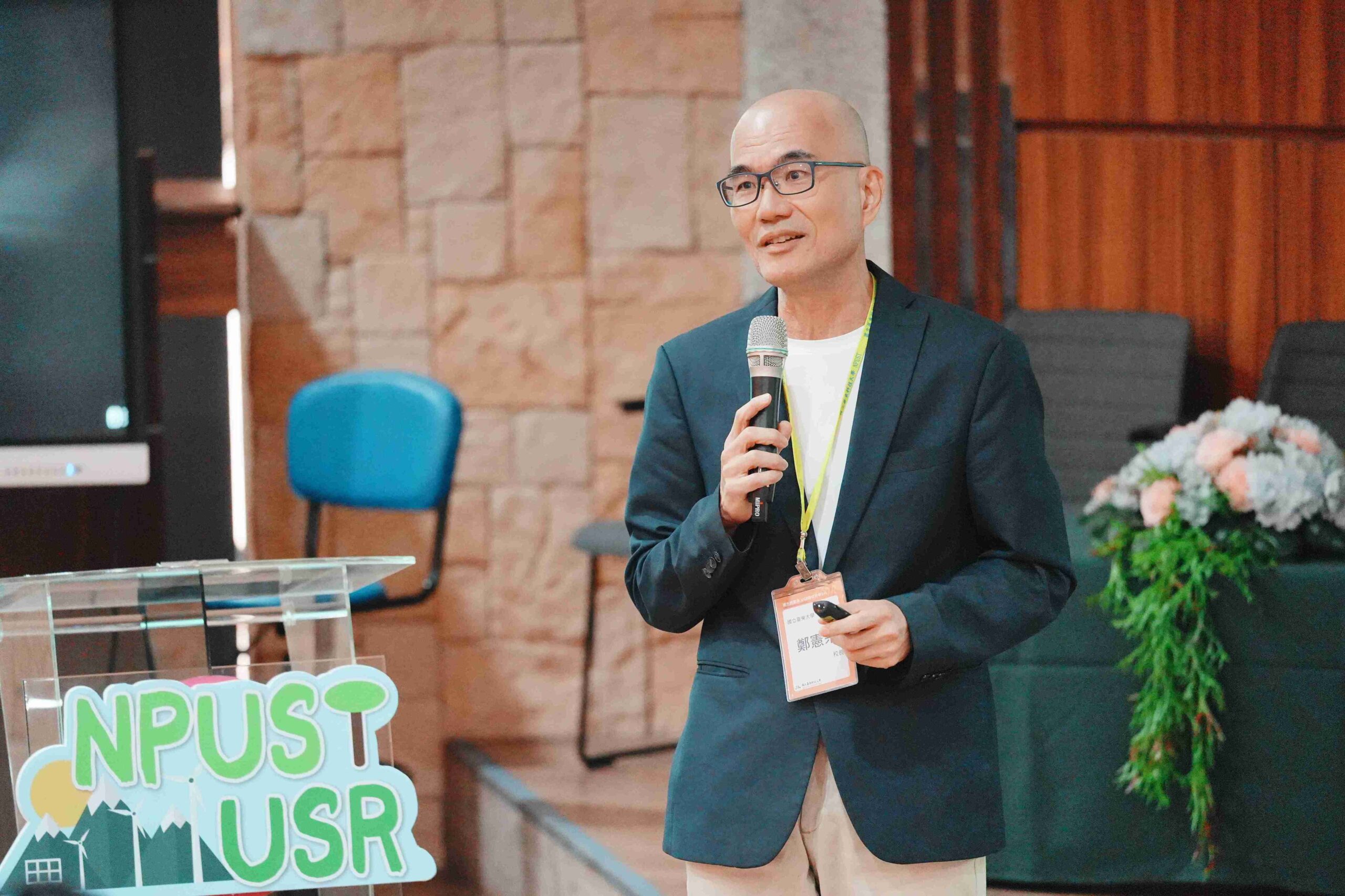
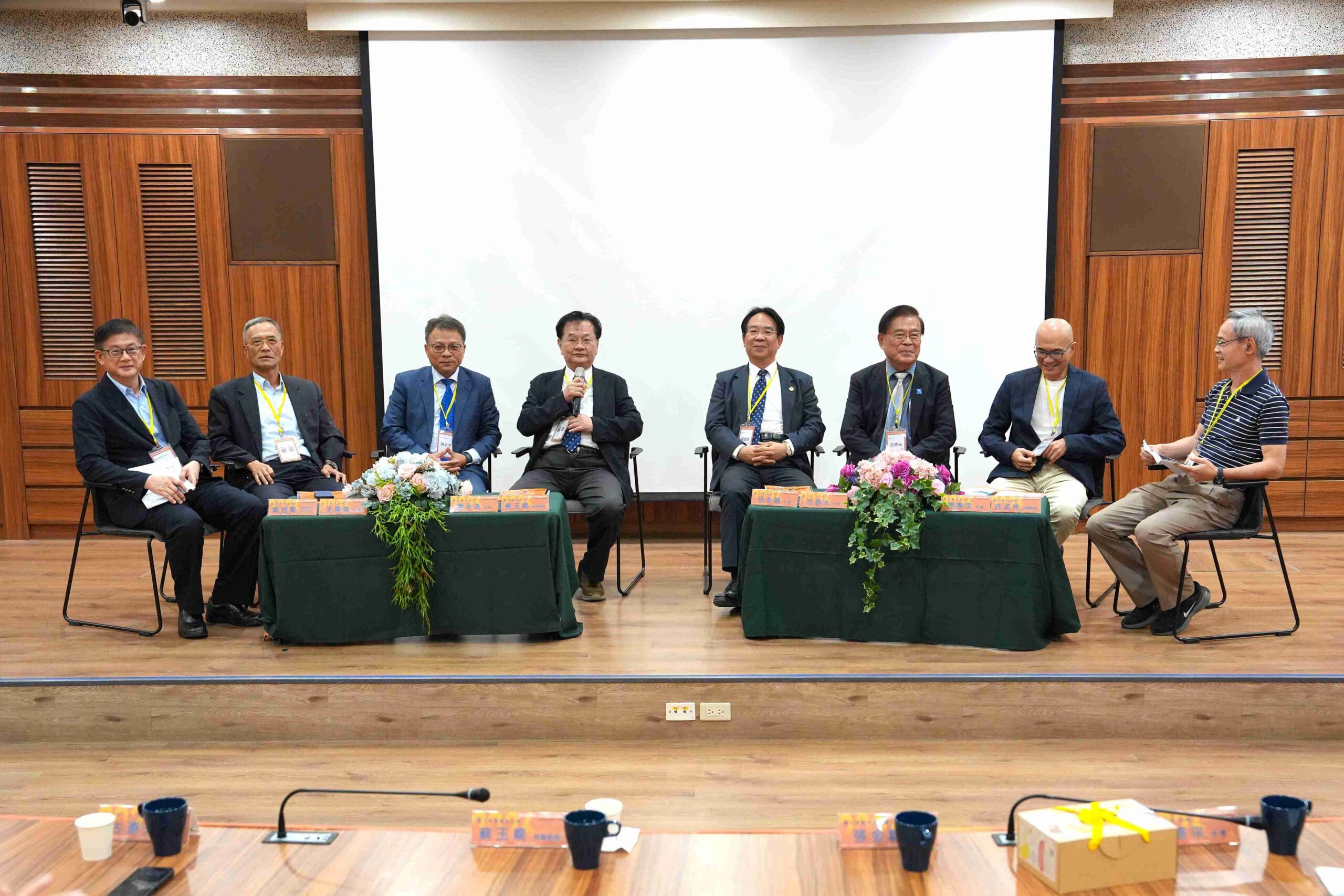
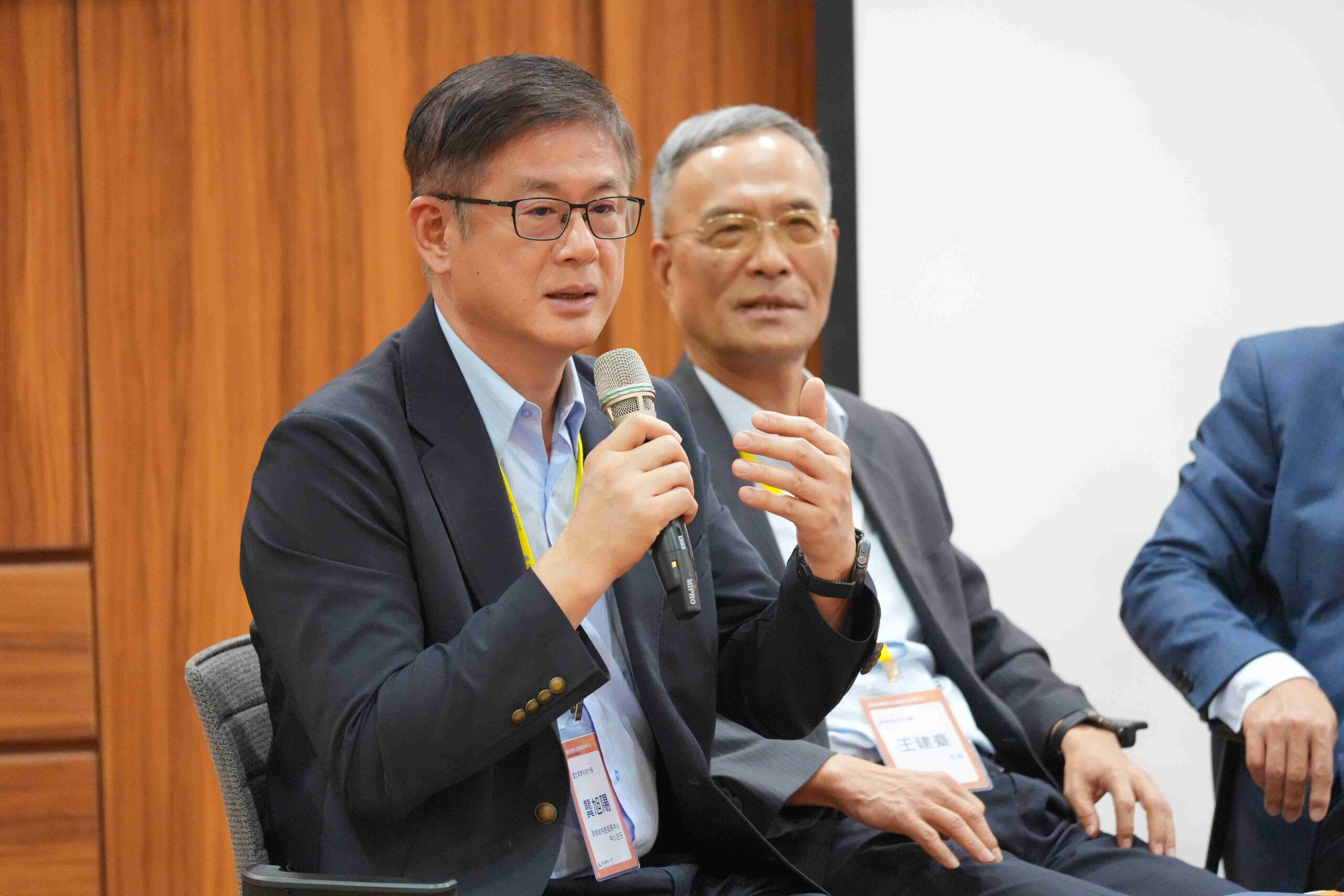
The event featured keynote speeches delivered by Distinguished Professor Yuhlong Oliver Su from National Chi Nan University and Distinguished Professor Meng-Hsiang Hsu from the National Kaohsiung University of Science and Technology. NPUST President Chin-Lung Chang, National Pingtung University President Robert Y.S. Chen, National Taitung University President Sheng-Tzong Cheng, and I-Shou University President Yuan-Kuang Guu participated in the “Practical Dialogue on Institutional Governance and Impact Evaluation,” while Meiho University President Chien-Tai Wang also attended the comprehensive panel discussion and networking session. Director Hsu-Yang Kung of NPUST’s Center for Interdisciplinary Characteristics Development shared the university’s hands-on experience in promoting USR internally. Through expert perspectives, dialogues among the five presidents, and practical exchanges, participants collectively explored how to embed social responsibility into the universities’ long-term development plans and amplify local and regional impacts through structural frameworks, resource allocation, and cross-school collaboration.
Rooted in its agricultural heritage, NPUST centers its institutional development on four main pillars: “Technological Agriculture, Ecological Industry, Platinum Society, and Sustainable Economy.” The university connects teaching, research, talent cultivation, industrial connections, and local practice while continuously advancing a green sustainable campus. By further weaving concepts of sustainability—ranging from energy conservation and environmental management to ecological preservation—into teaching, research, governance, and social practice, NPUST has progressively shaped an institutional culture centered on sustainable development. Consequently, USR has become a vital pathway for the university to leverage its professional expertise to address societal needs, accumulate hands-on experience through local engagement, and continuously refine its practices.
With its USR practices gaining depth, NPUST is using structural and governance mechanisms to build upon local practical outcomes, while gradually shifting its performance review focus from “how much was done” to “what changes were brought about.” In recent years, the university has continuously introduced evaluation methodologies such as SROI (Social Return on Investment) to comprehend the impacts generated by USR across student learning, local development, and social value, feeding these evaluation results back into teaching, research, and resource allocation. T
The “Good Southern Partners” Cross-School Learning SIG is helping expanded NPUST’s vision from single-institution governance to regional collaboration. Facing demographic shifts, industrial transformation, environmental sustainability, local revitalization, and cultural preservation, universities can leverage their unique educational characteristics, professional strengths, and long-term field cultivation to jointly address local and regional development needs through experience sharing, resource pooling, and professional mutual support. Moving forward, NPUST will continue to deepen USR implementation, expand cross-school exchanges and cooperation, and transition progressively from “cross-school collaborative learning” to “cross-school co-creation”, aiming to amplify the social impact of USR and jointly promote regional sustainable development and shared prosperity.