The National Pingtung University of Science and Technology (NPUST) University Social Responsibility (USR) project, titled “Shaping the Cultural Resilience and the Sustainable Economic Development of a Healthy Makatao Agricultural Industry” views the accelerated promotion of Makatao culture as one of its core axes for root-level education. In the first half of this year (2026), the initiative connected the NPUST Non-Profit Kindergarten, Shin Sheng Elementary School, Ailiao Elementary School, and NPUST general education classes, guiding everyone from young children and elementary school students to university students into Laopi to infuse fresh vitality into the sustainable transmission of Laopi’s Makatao culture.
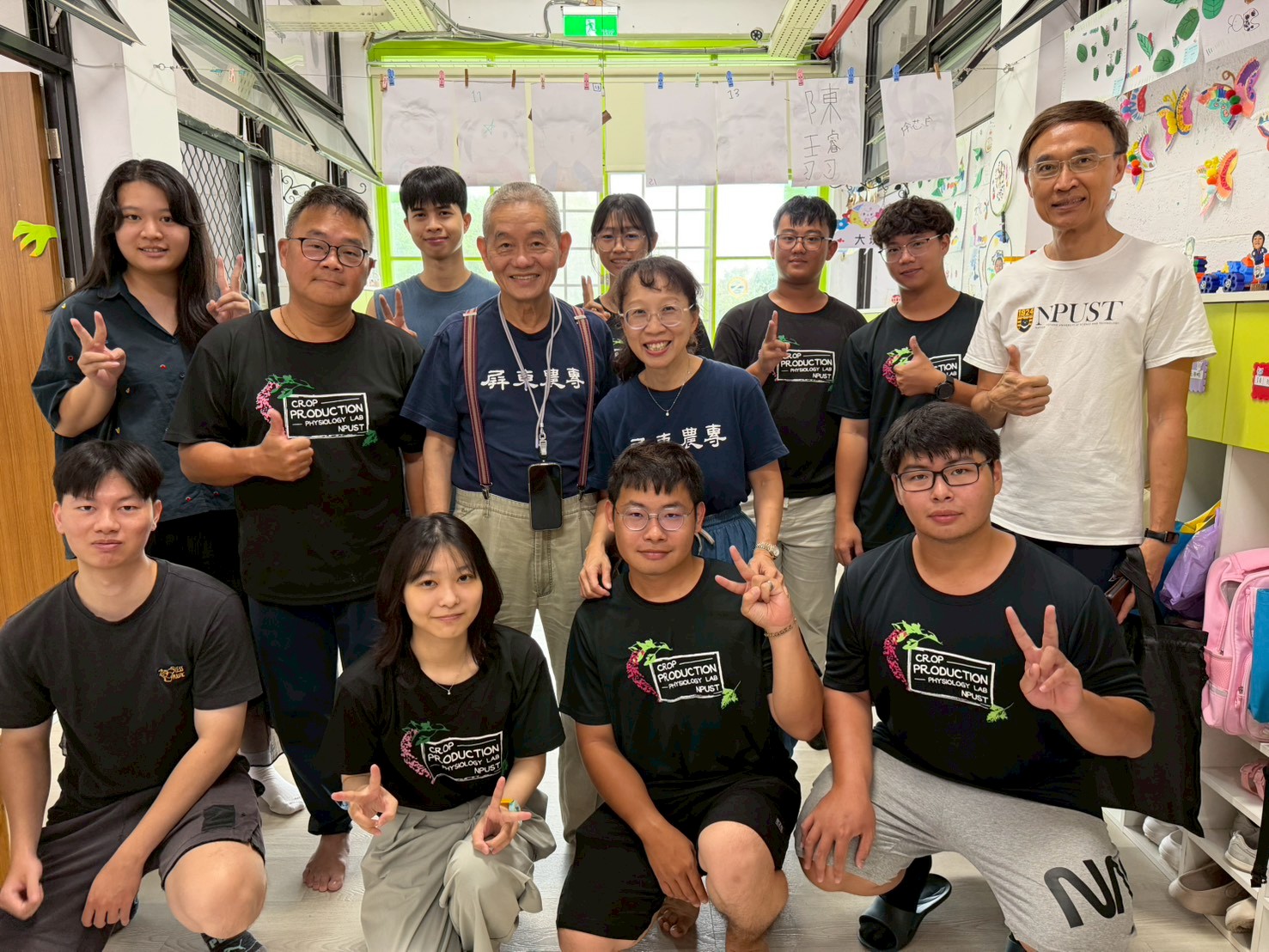
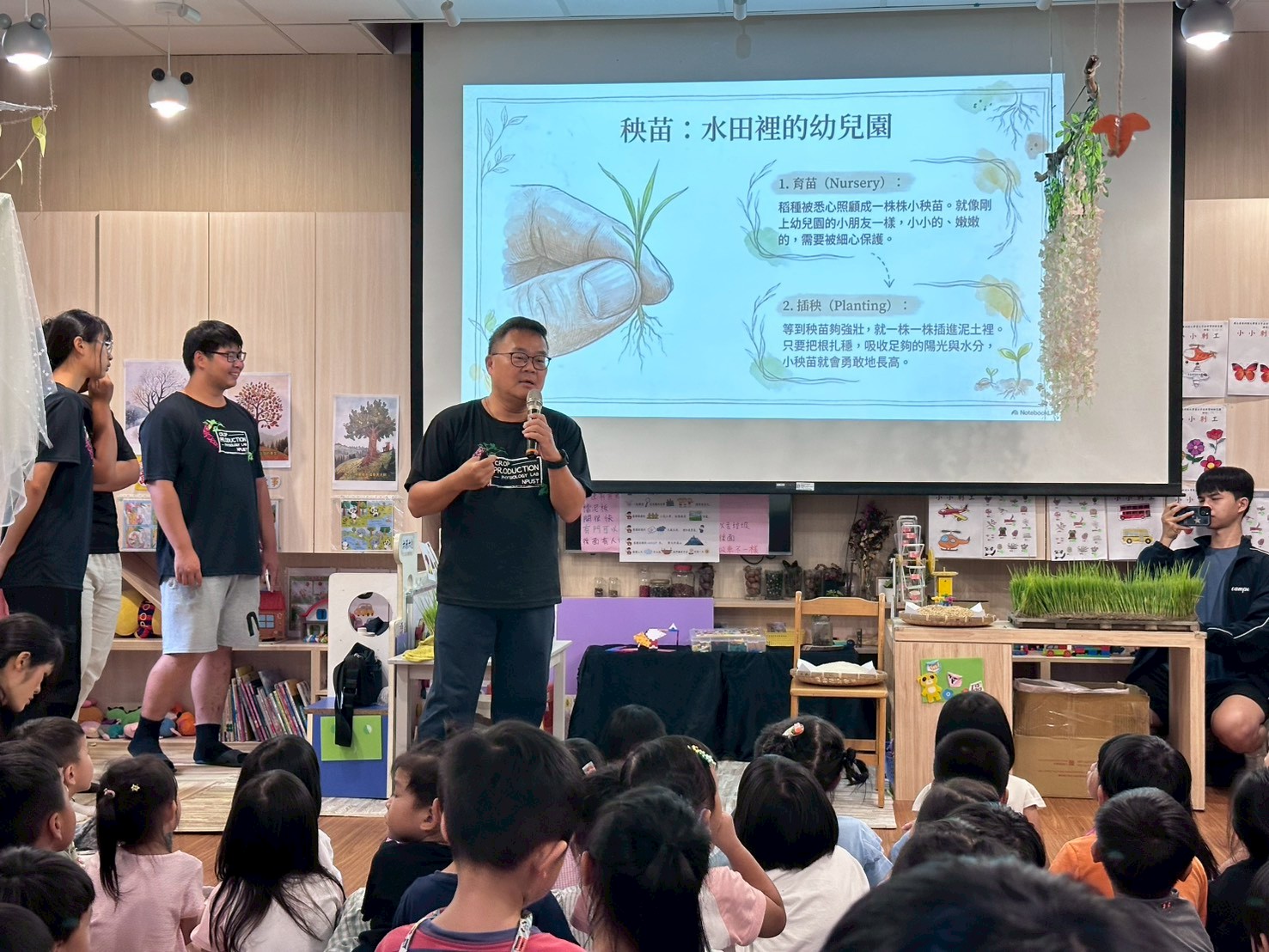
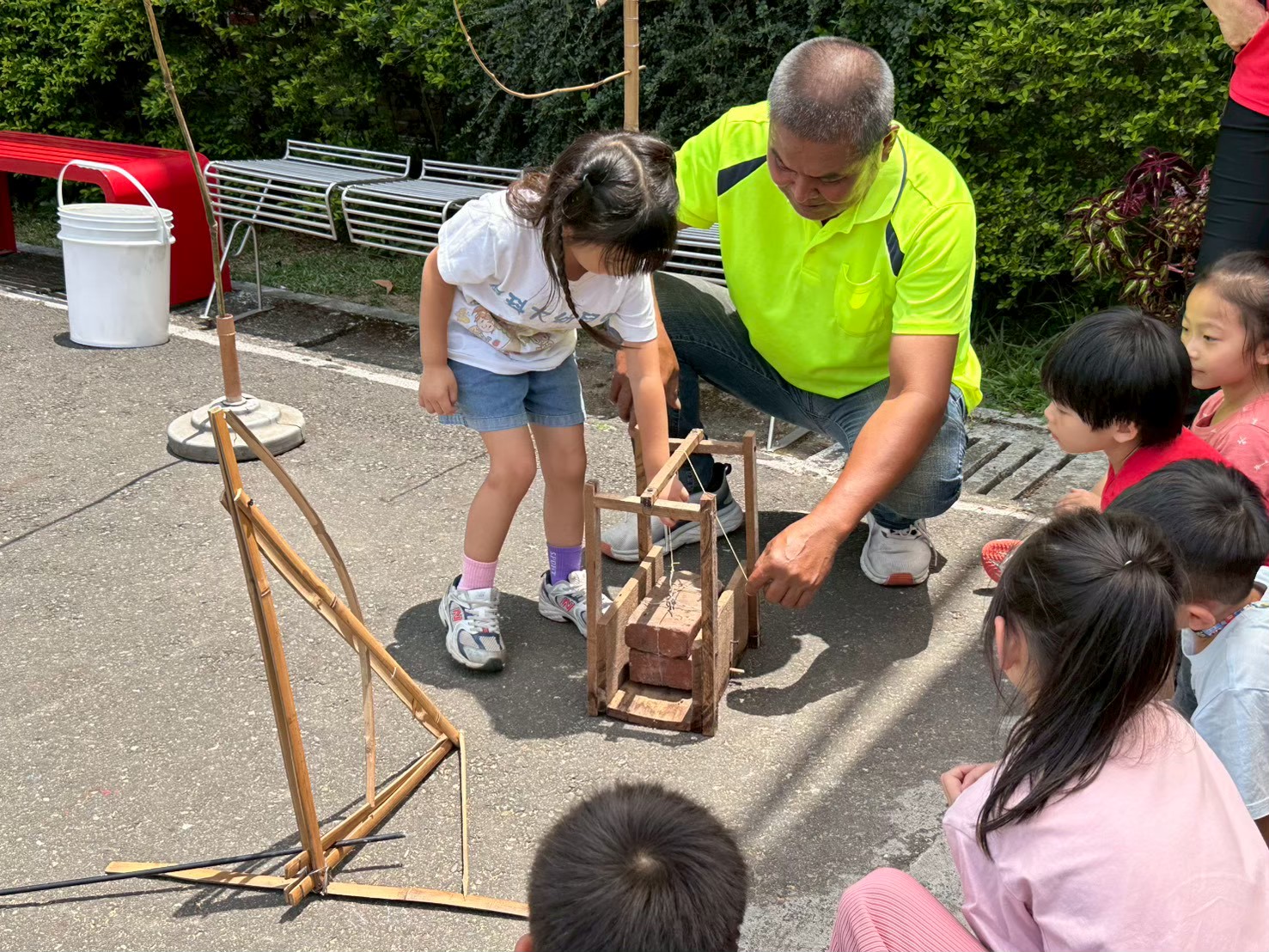
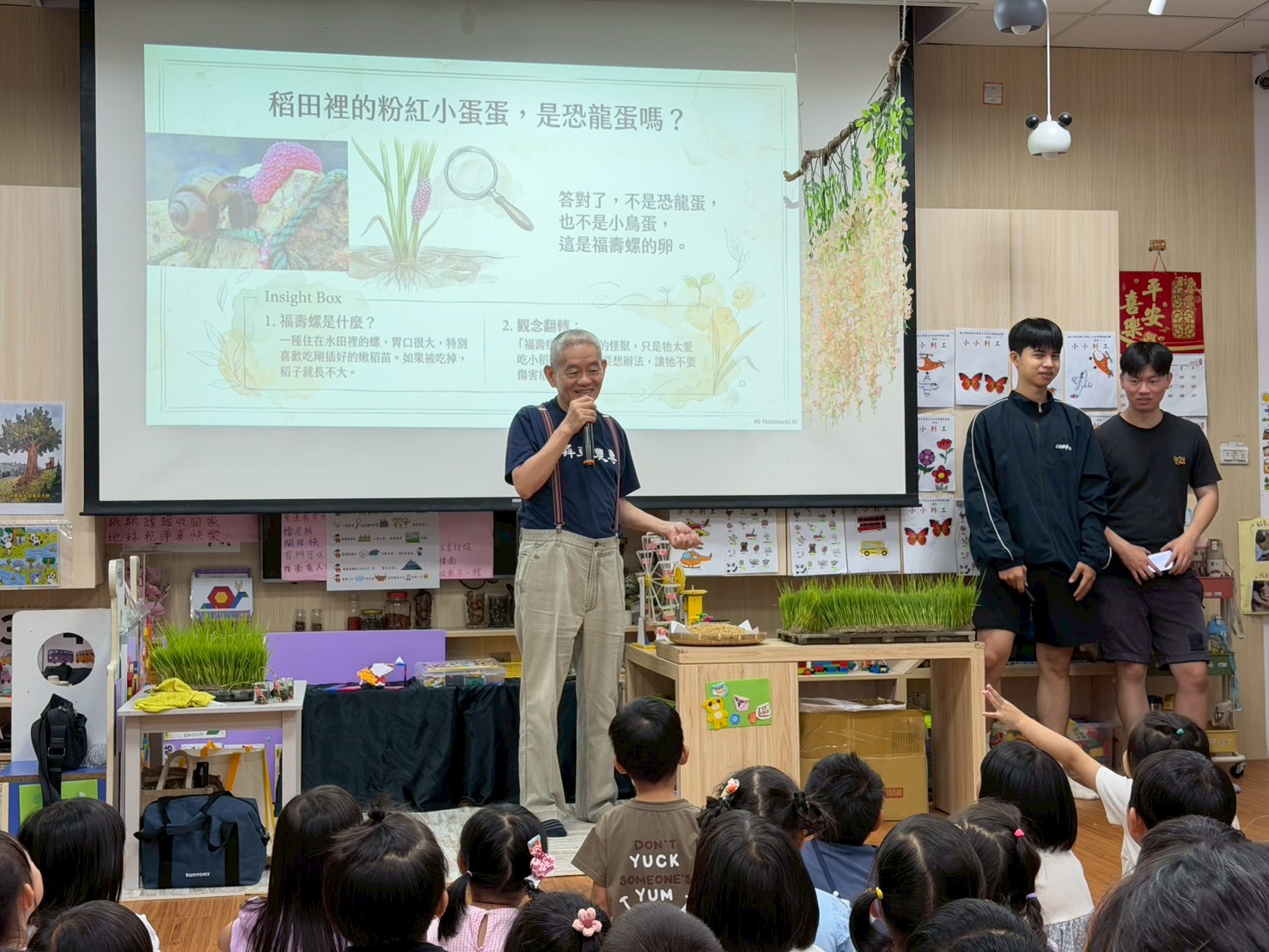
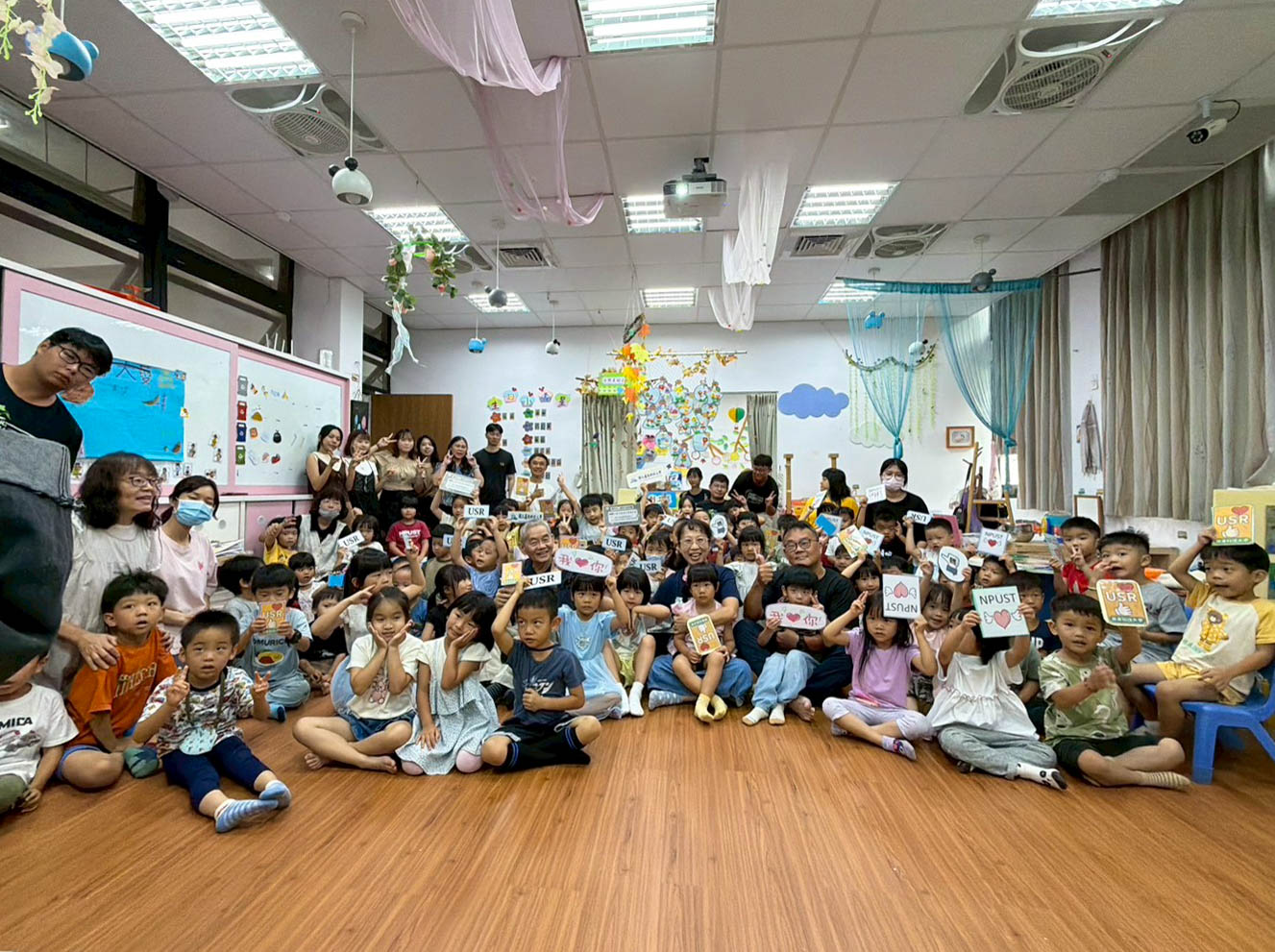
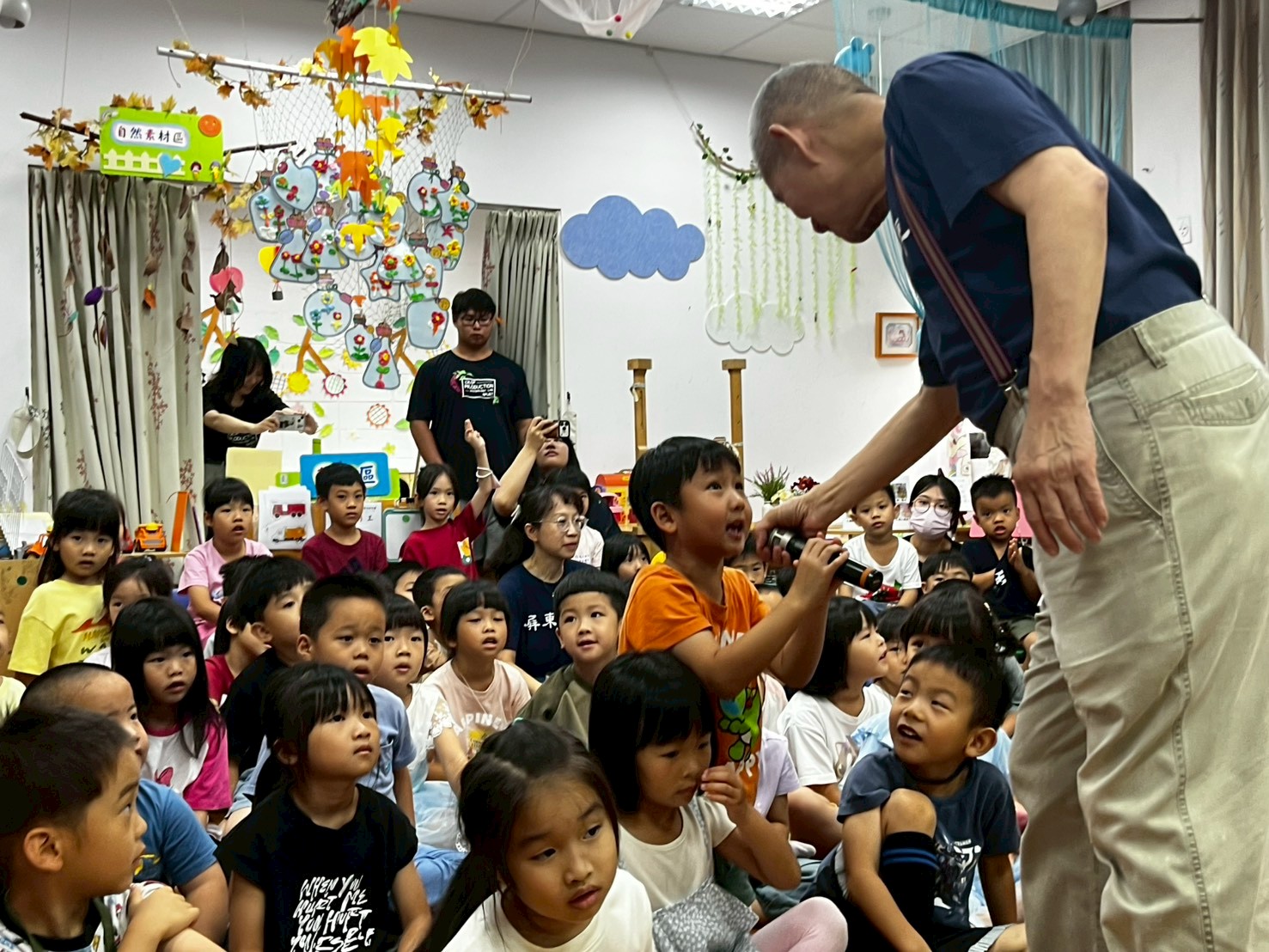
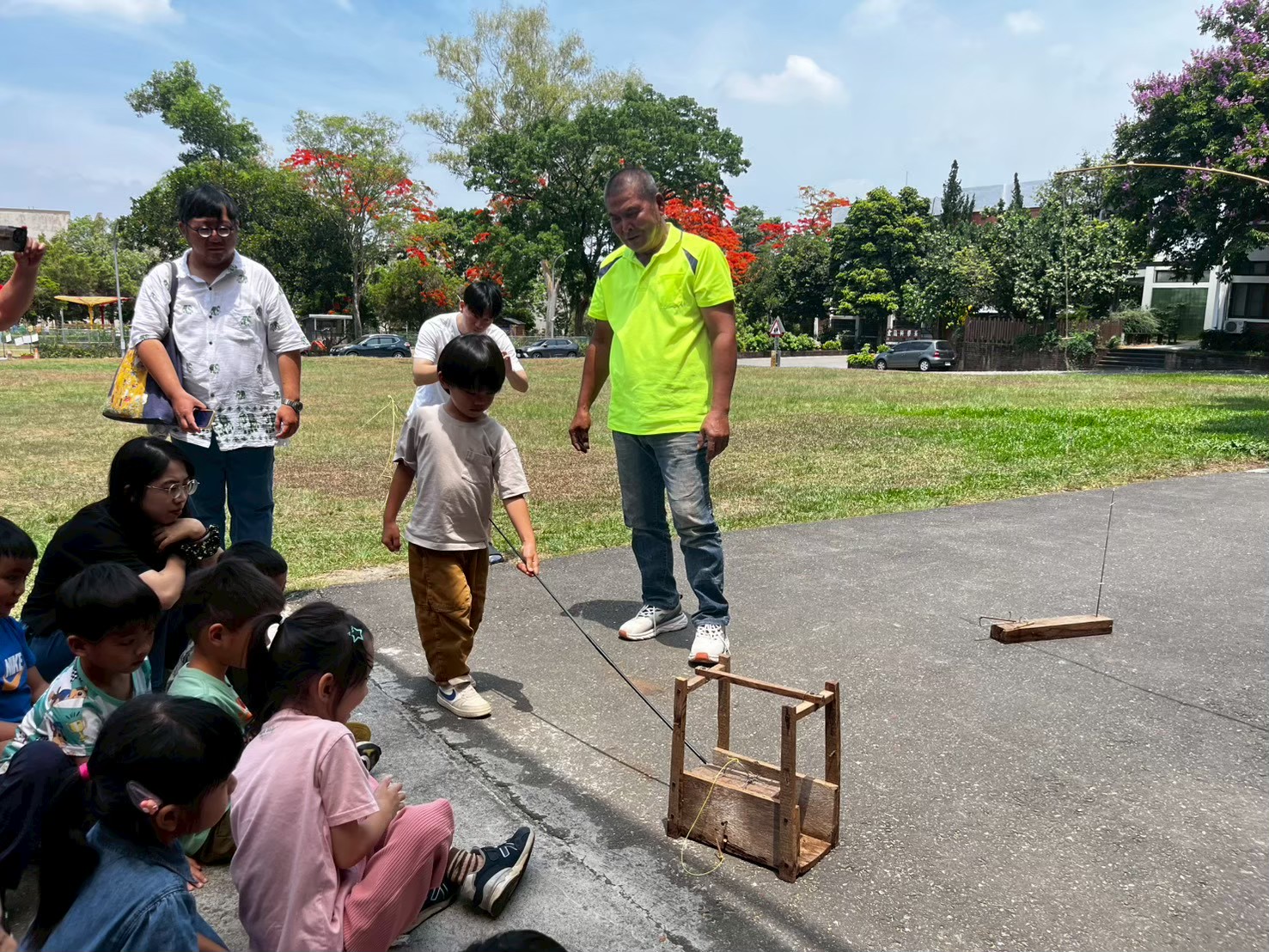
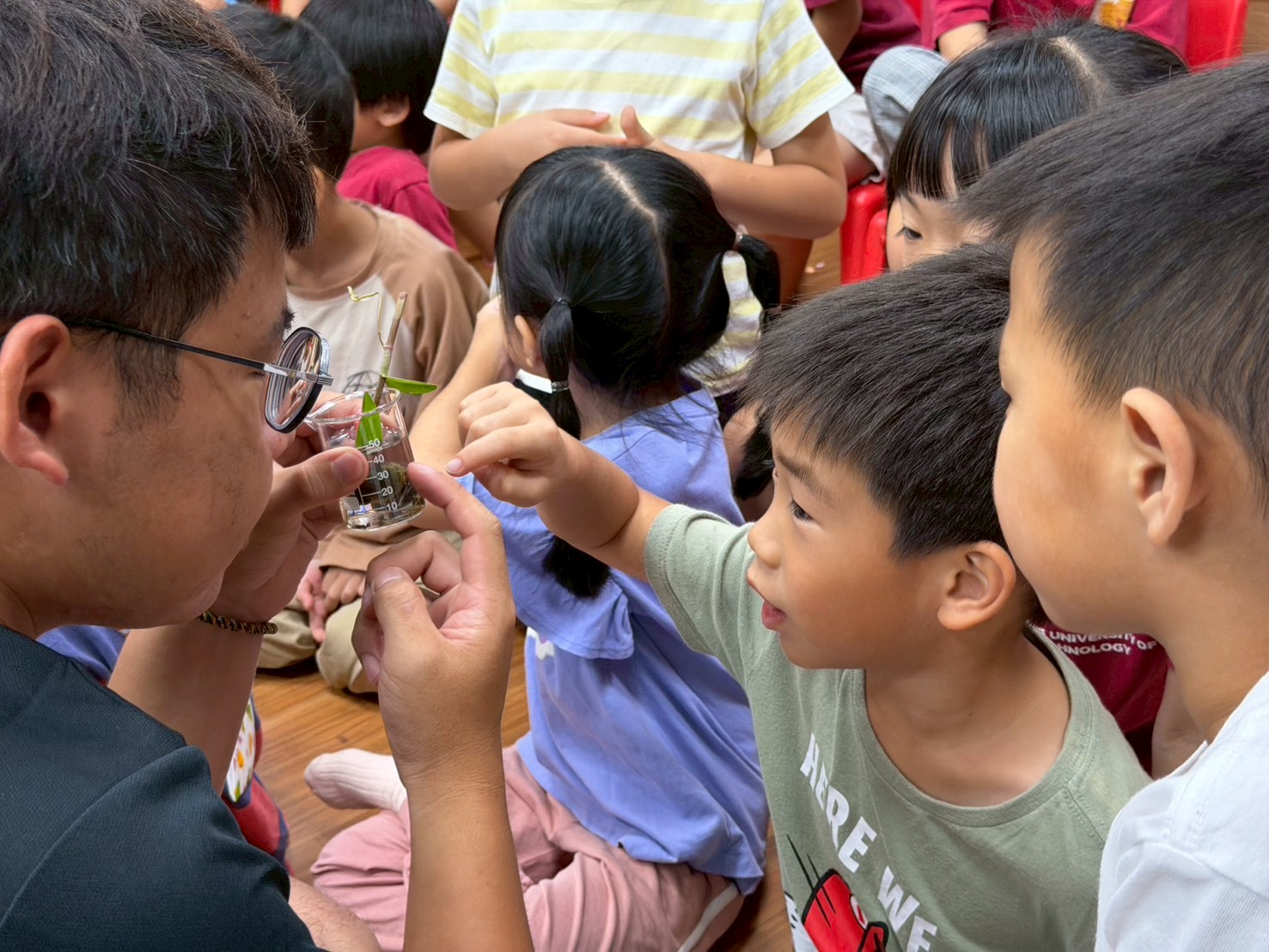
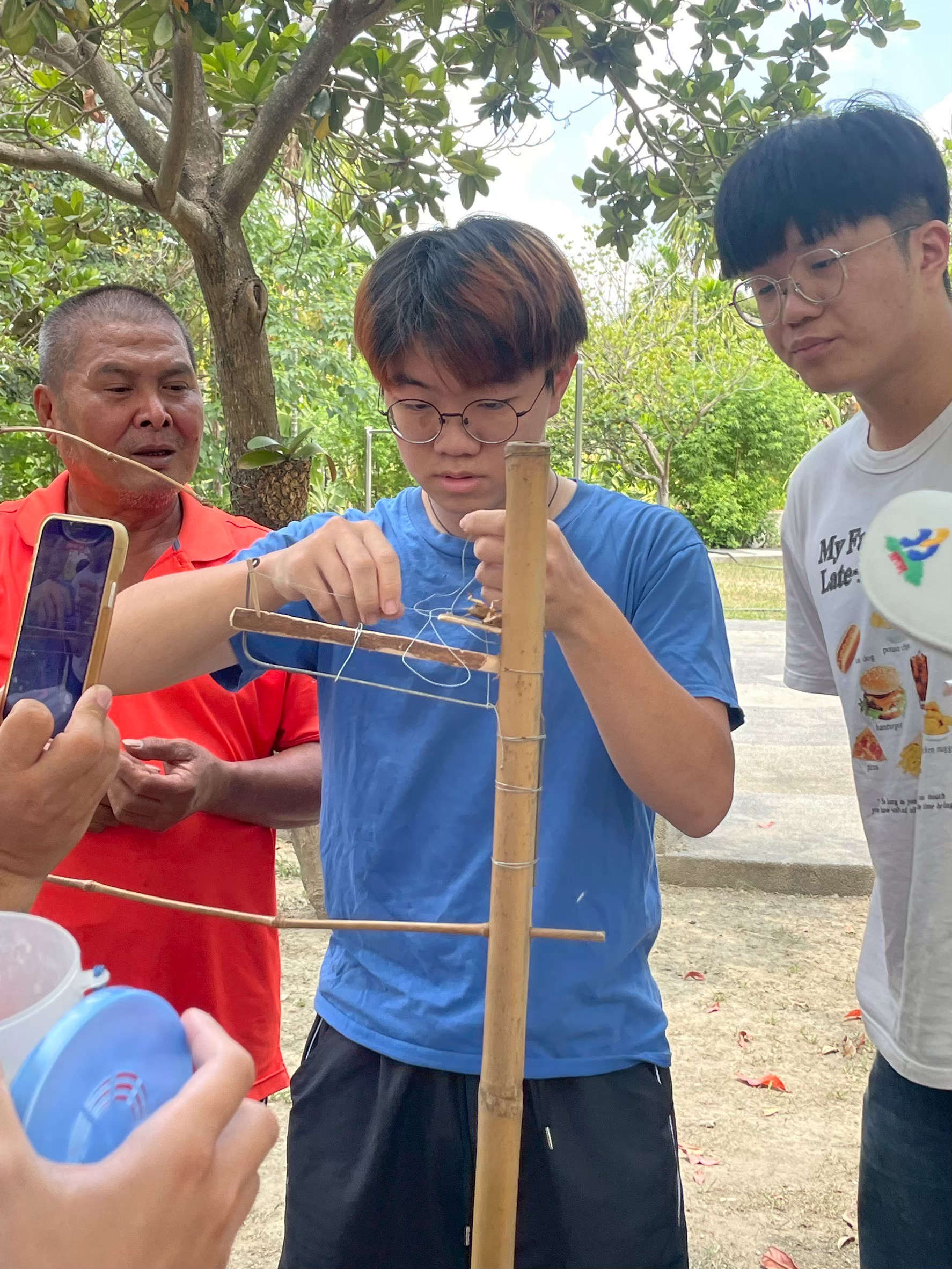
In the kindergarten series of courses, “The Rice Promise of Gulingpu” and “Makatao Hunting Wisdom” served as core themes. “The Rice Promise of Gulingpu” was designed by a rice cultivation team led by Professor Yun-Yang Chao from the Department of Plant Industry. From seedling cultivation and rice planting to paddy field ecology, the course helped children understand the life journey of a grain of rice from the feild to the table. Ben-Chuan Liao, Vice Chairman of the NPUST Alumni Association, was also invited to participate. As an entrepreneur who loves growing rice and who has a deep passion and extensive experience in rice cultivation, Vice Chairman Liao used an engaging and lively approach to teach the children about the hazards that golden apple snails pose to rice seedlings, and he shared about eco-friendly ways to protect the fields. Meanwhile, the “Makatao Hunting Wisdom” sessions were led by Yen-Pao Pan, a Laopi Makatao community builder. “Big brother Yen-Pao” used child-friendly language to explain the principles and uses behind hunting tools, and the children were guided to hands-on experience with simple setups.
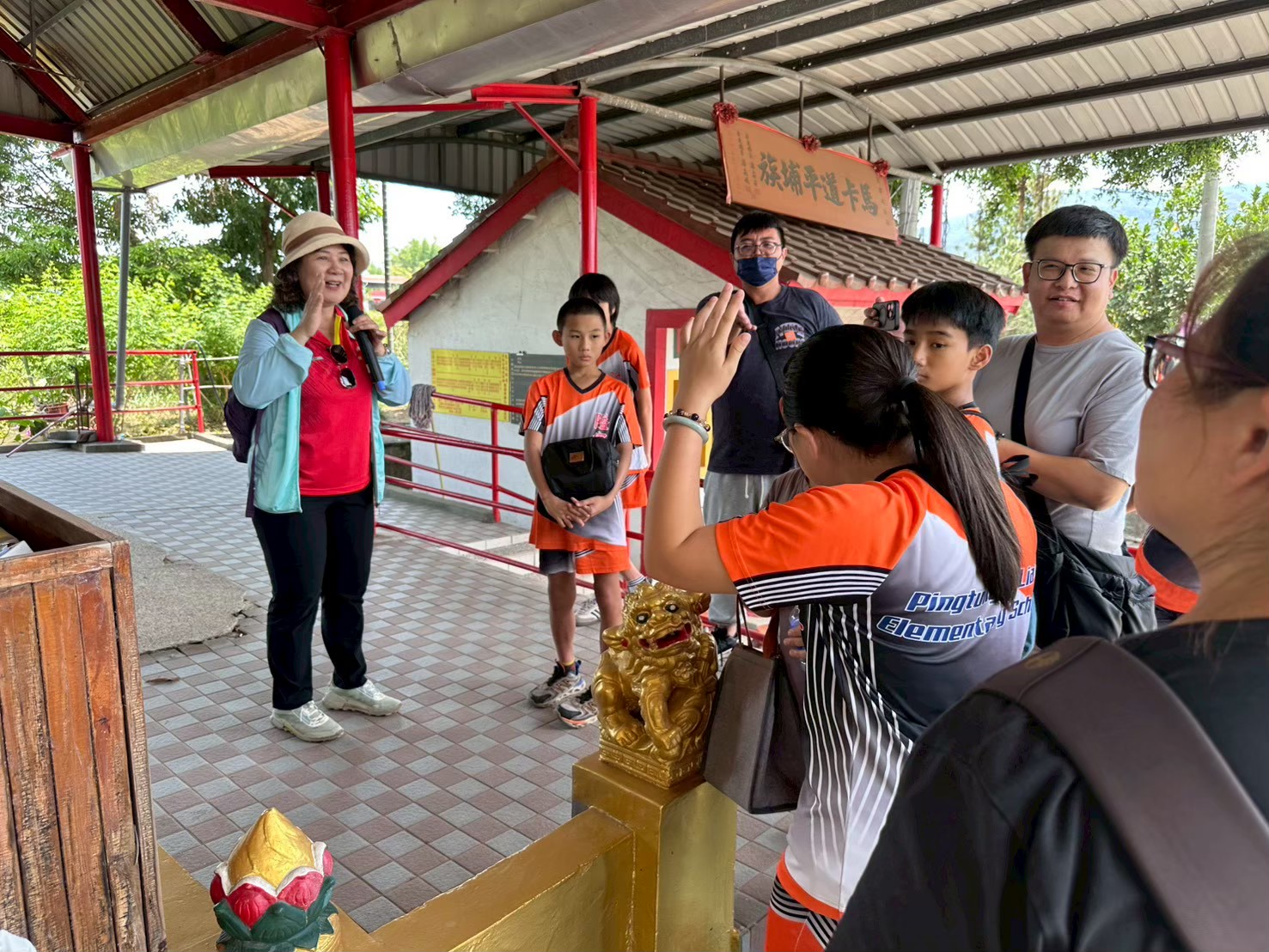
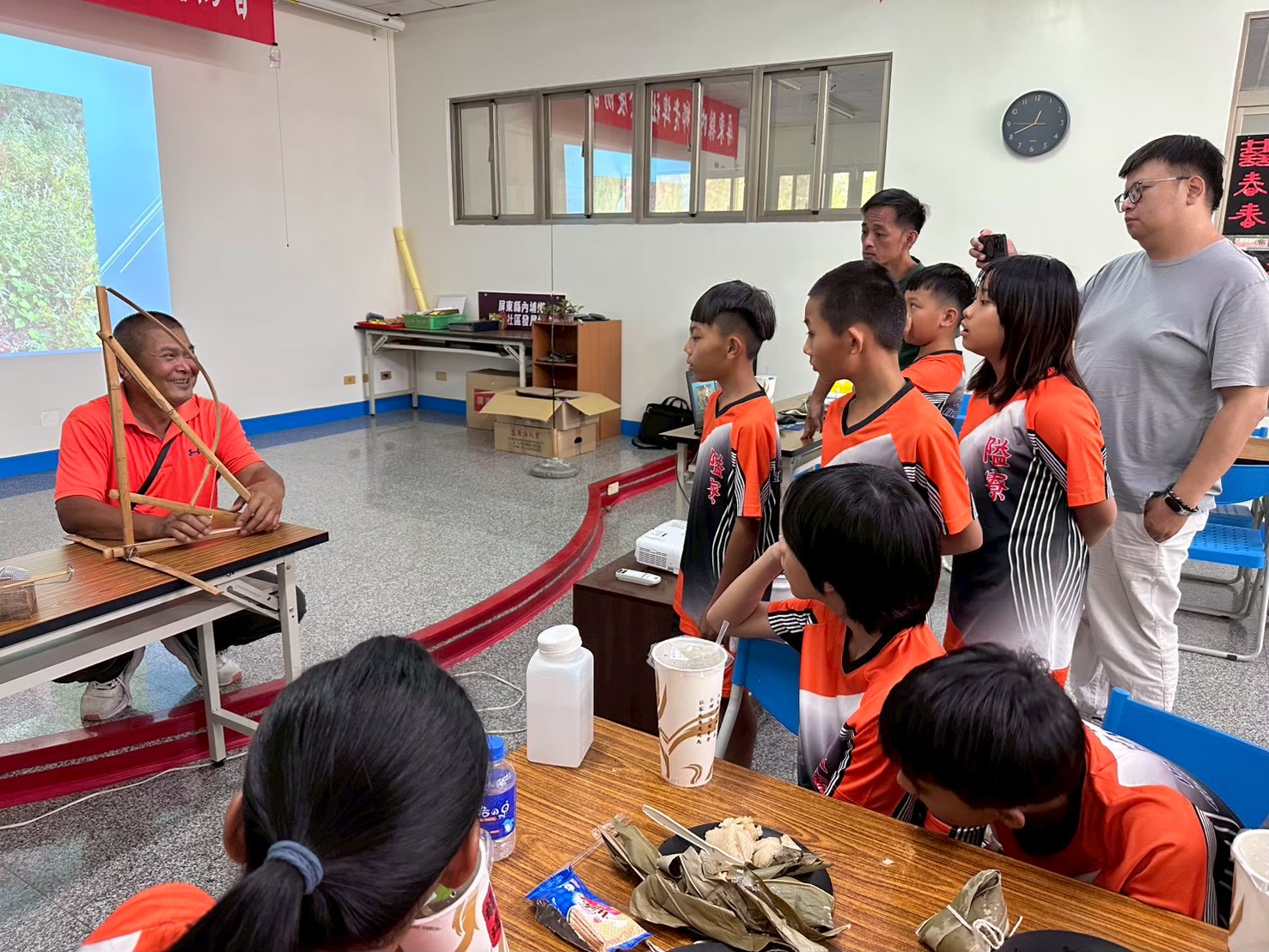
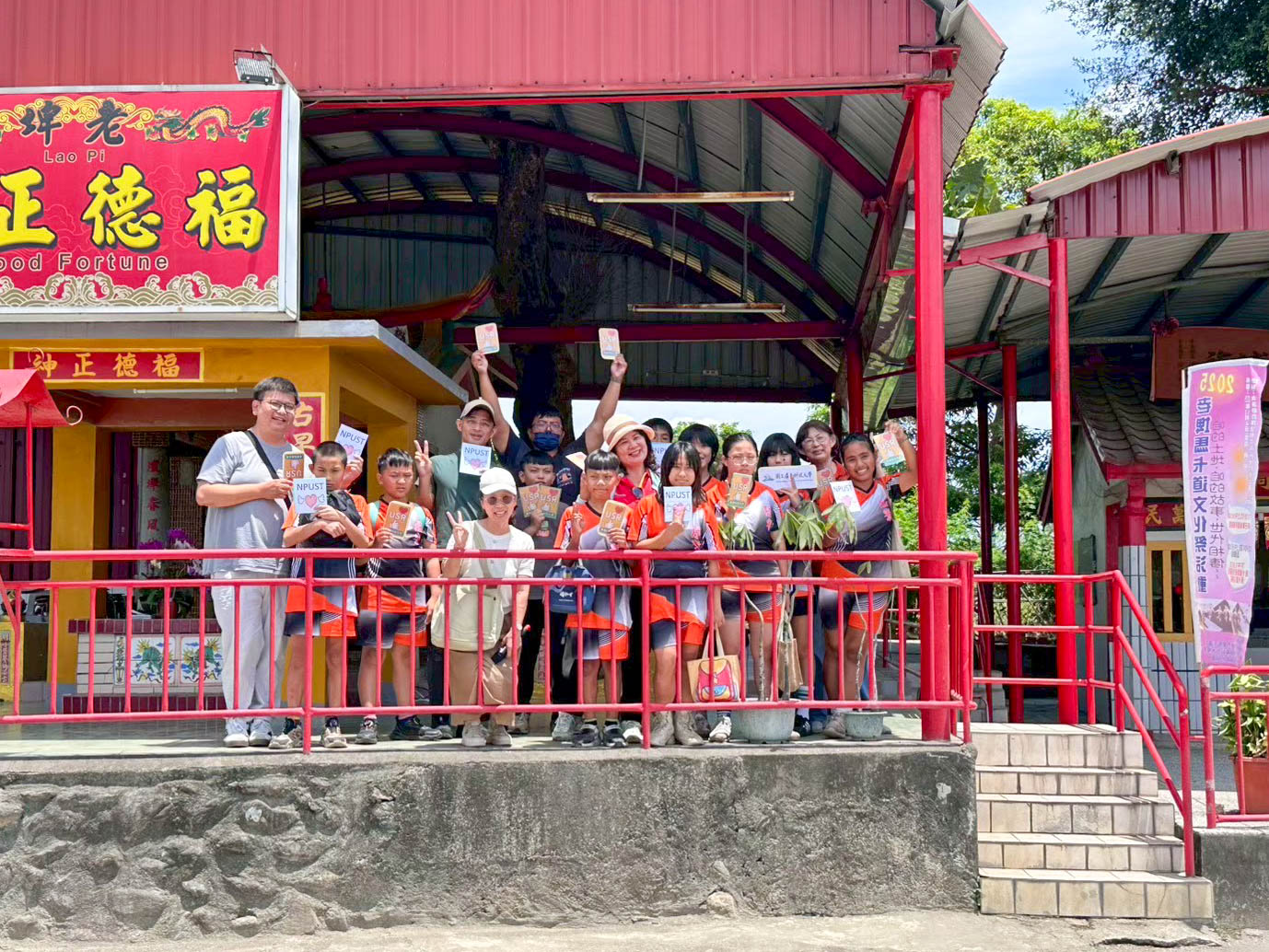
Upper-grade students from Ailiao Elementary School were led by teachers and faculty to Laopi Village for a “Laopi Makatao Field Survey,” where they learned about ancestor worship, traditional fishing and hunting culture, dietary wisdom, and the unique ethnic coexistence landscape of Laopi Village. During the activities, the children also tasted shell ginger dumplings, experiencing the warmth of the land, human touch, and cultural memory through the aroma of the food.
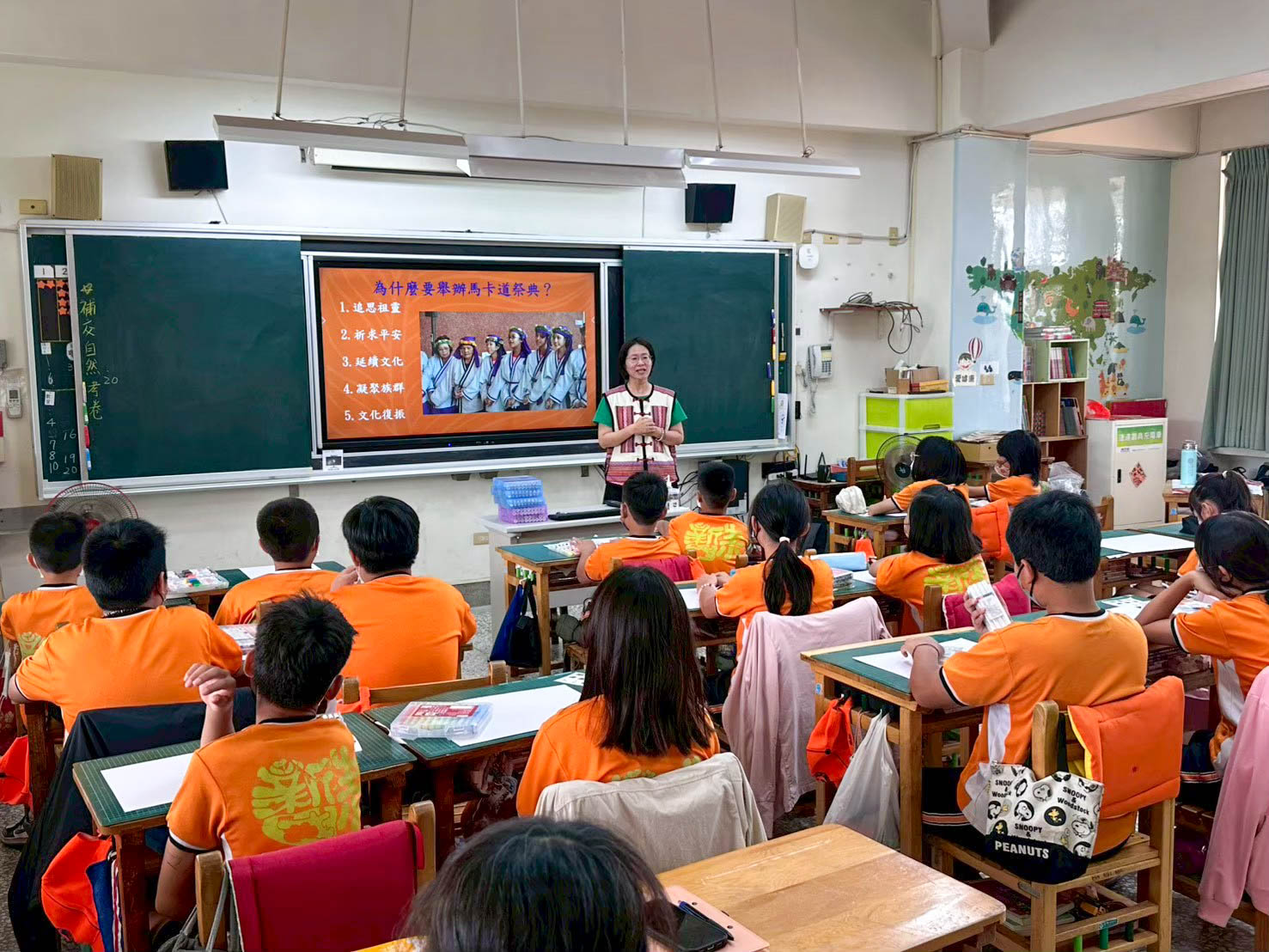
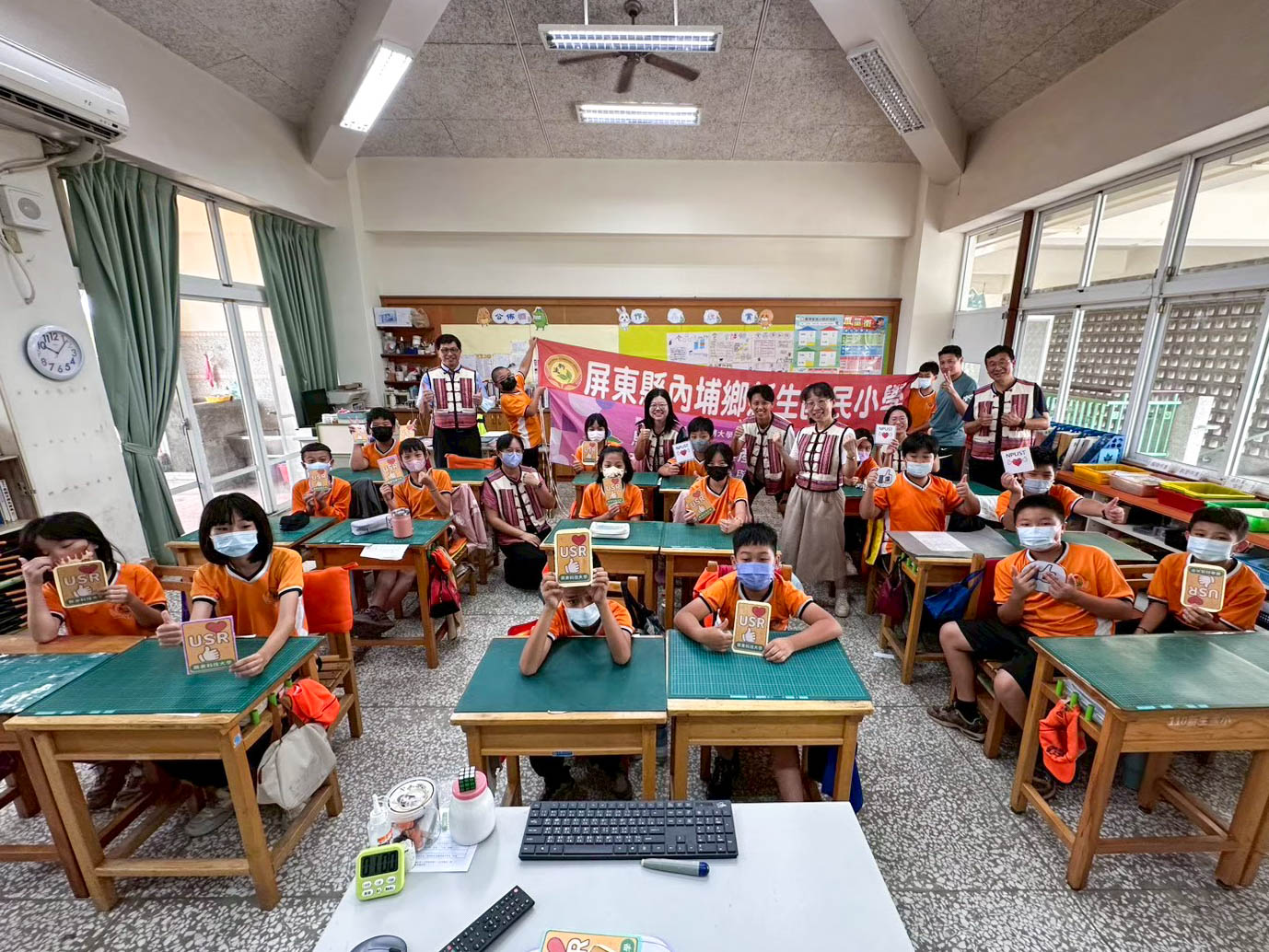
At Shin Sheng Elementary School, Pingpu cultural and historical scholar Wen-Min Chien and NPUST Center for General Education instructor Han-Chang Fu were invited to lead a session titled “My Hometown a Long Time Ago: The Life Stories of the Makatao,” introducing elementary students to the stories of the Makatao and Laopi Village. Through accessible and relatable storytelling, the children came to understand that Makatao culture is not a distant history, but a precious cultural asset closely intertwined with their hometown environment.
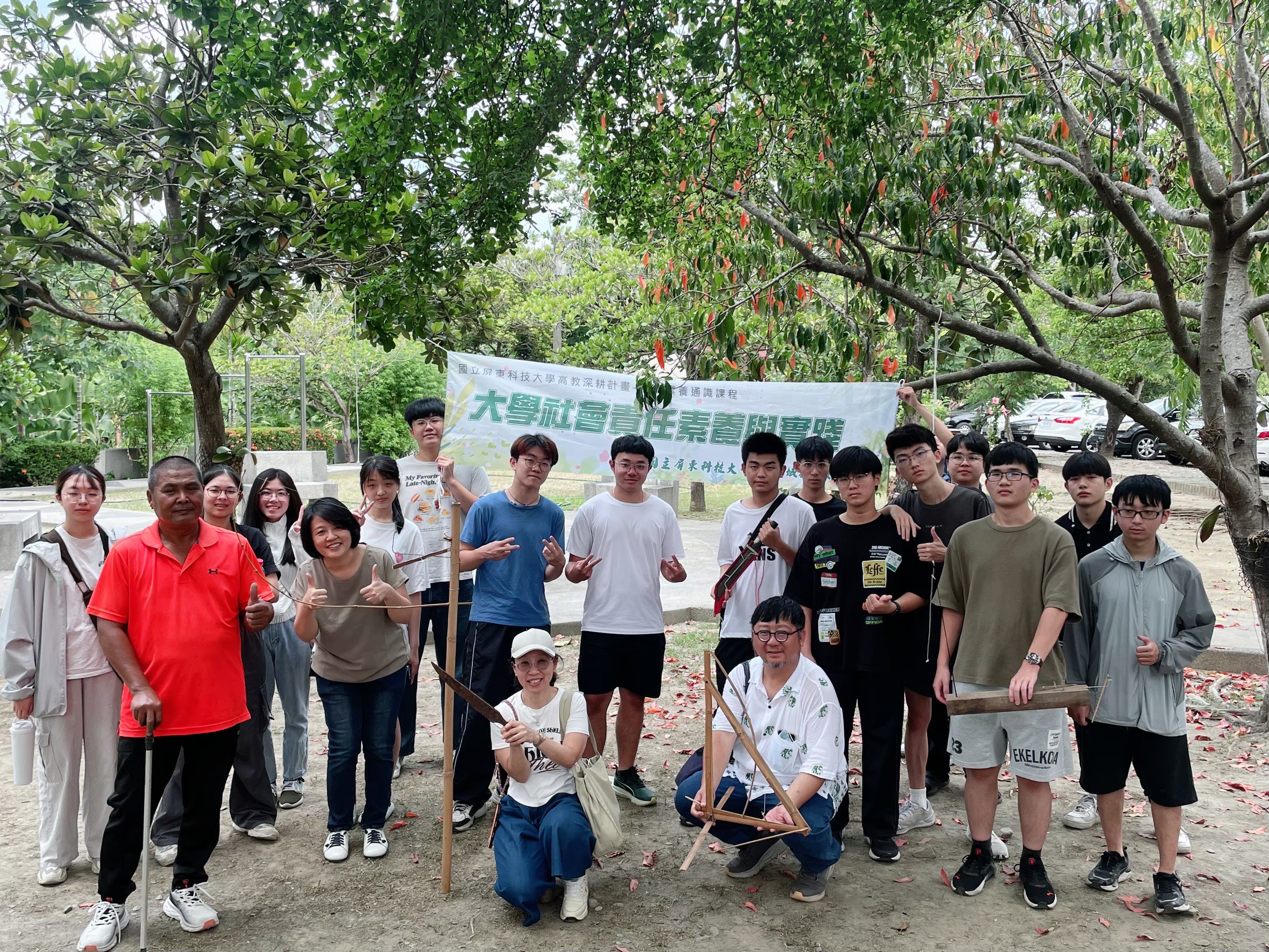
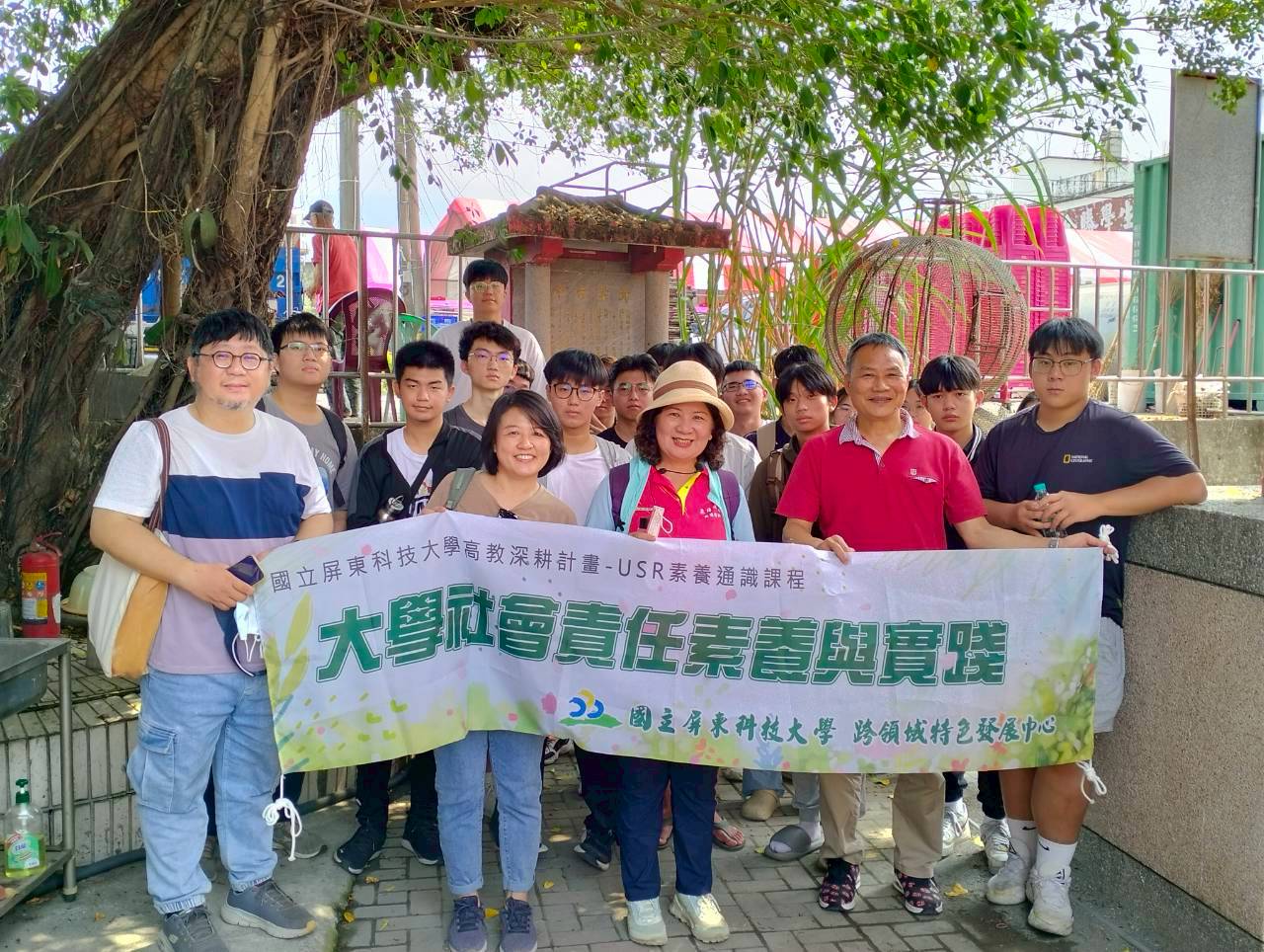
In NPUST’s general education classroom, Associate Professor Hsien-Chun Chen from the Department of Business Administration offered the course “University Social Responsibility Literacy and Practice” for the second time, leading university students on an in-depth tour of the Laopi community. They visited sites such as the Ancestor Shrine, the Makatao Traditional Crop Botanical Garden, Wugu Temple, and the Imperial Edict Prohibiting the Encroachment of Gulingpu Monument. Guided by community partners, the students learned about the ancestral lifestyle and knowledge systems used for “living in harmony with nature”. During the final presentation, the university students applied their digital technology and design talents to translate the profound Makatao culture into creative cultural commodities, physical tour itineraries, and digital websites. This not only demonstrated the innovative thinking of the new generation but also successfully utilized digital power to give traditional culture a modern new look.
Project Leader Wen-Ling Shih, NPUST Vice President and Professor, stated that cultural heritage cannot remain merely in books or display cases; instead, it must return to the eyes of children, the actions of youth, and the daily lives of the community. The team hopes to start from Laopi so that Makatao culture can be seen by more people, and through education, allow different generations to understand the history, beliefs, diet, and ecological wisdom behind the land— ultimately bringing local culture into a broader world.