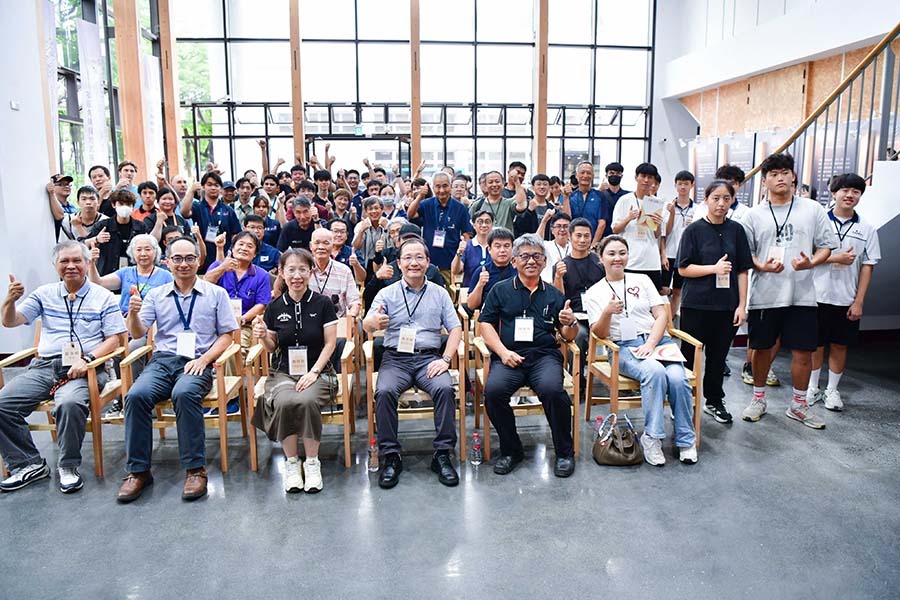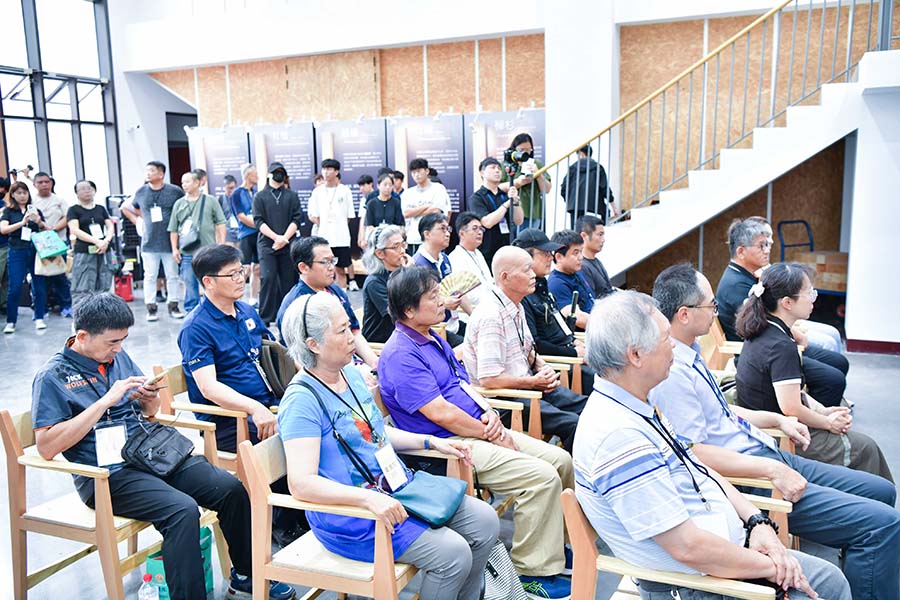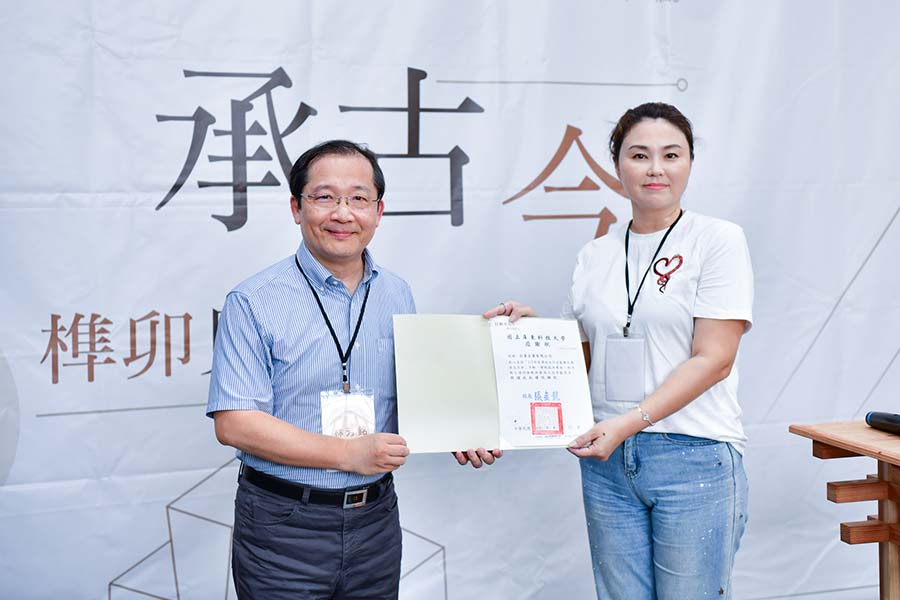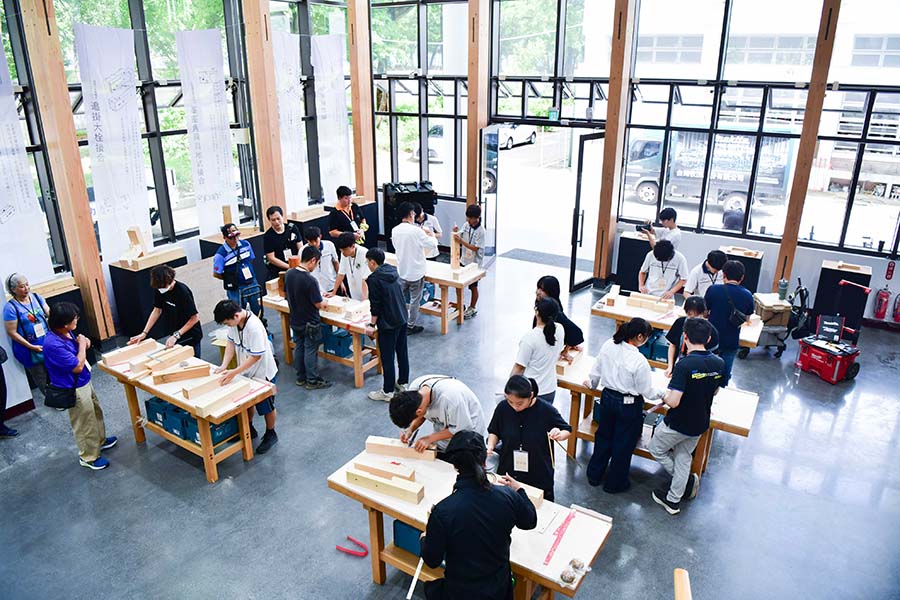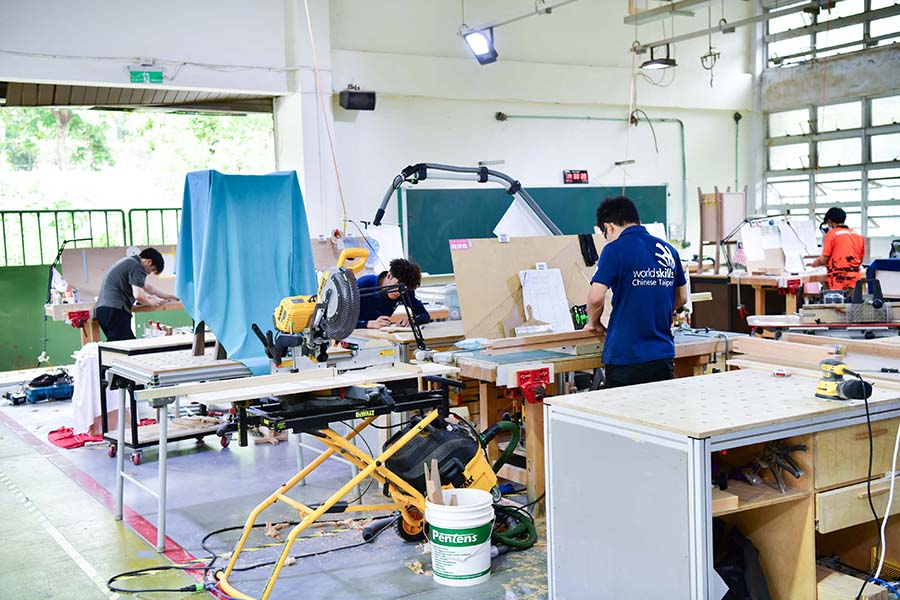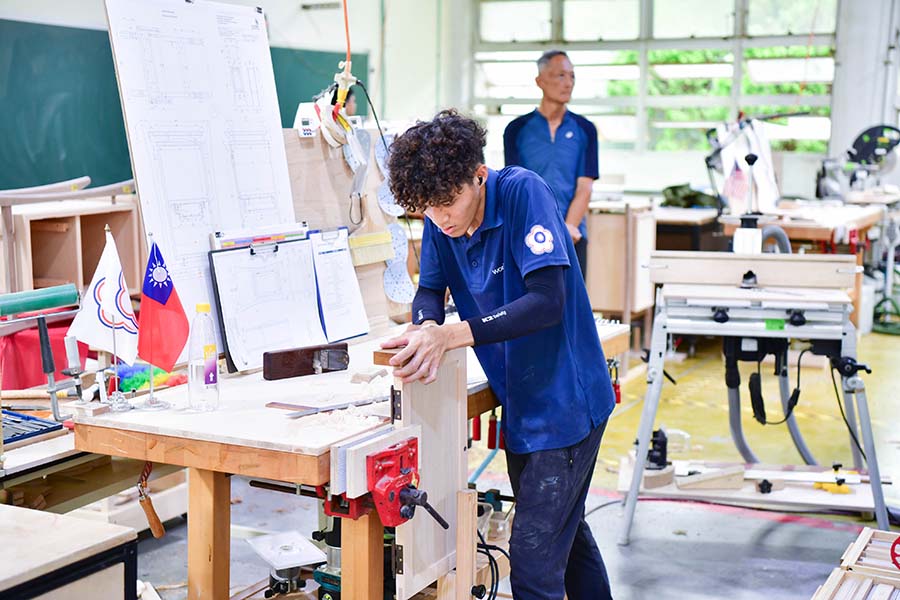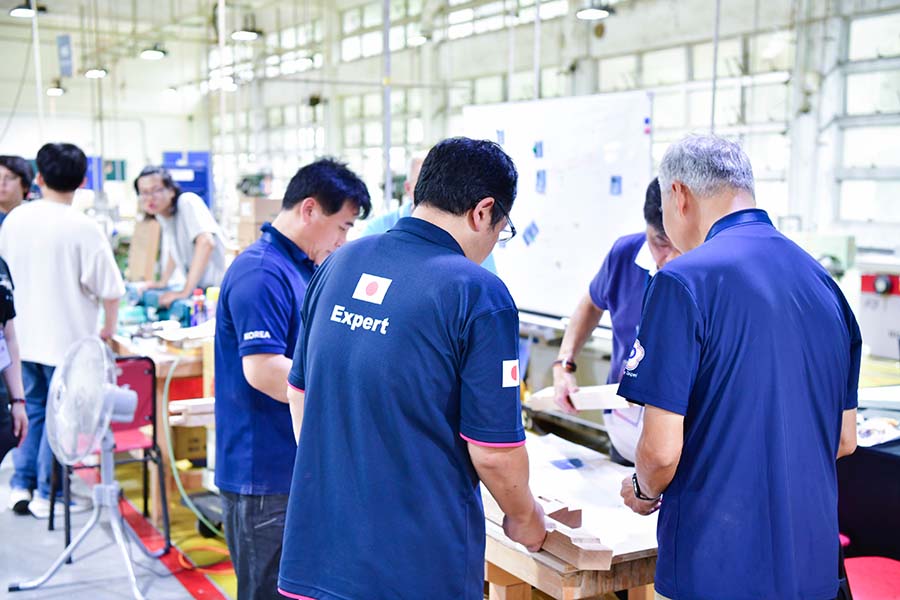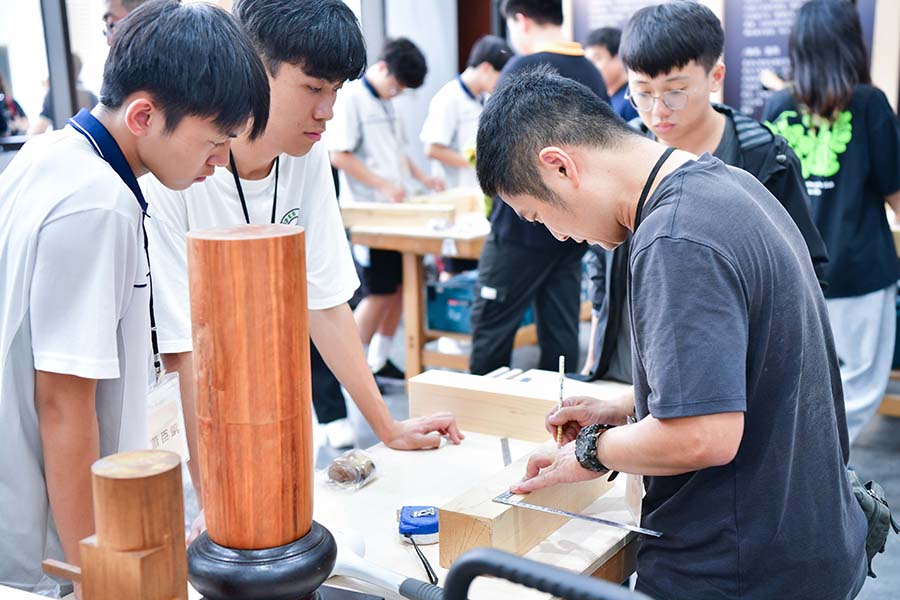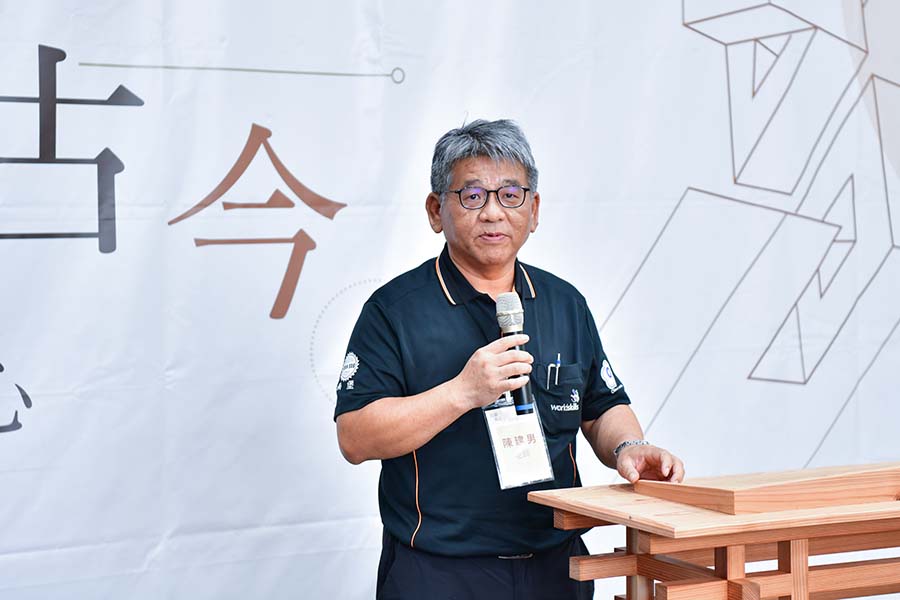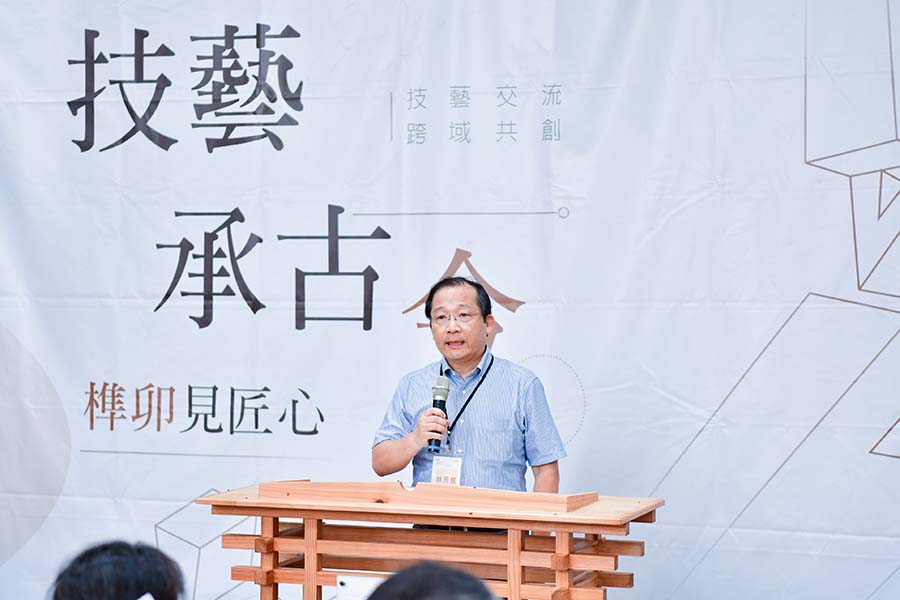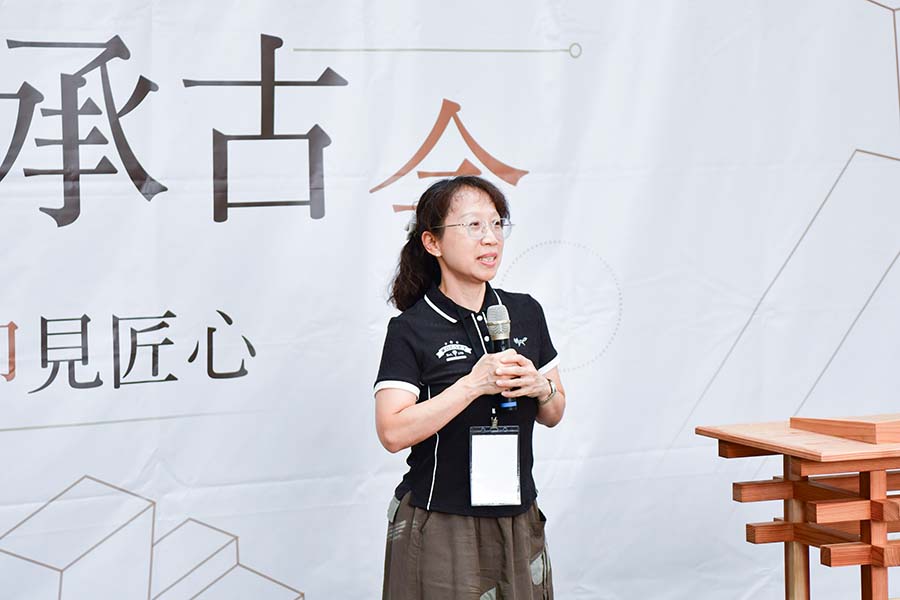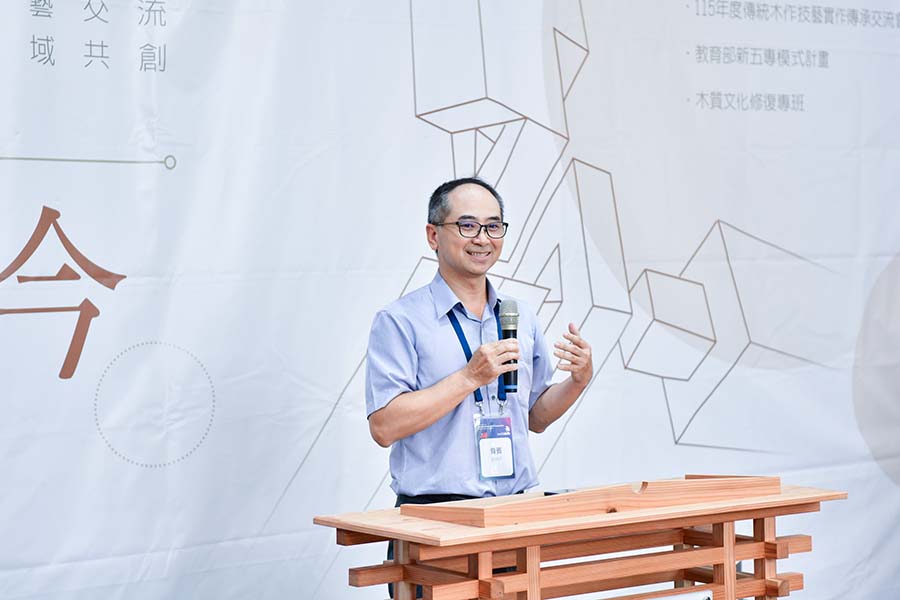
The Department of Wood Science and Design at National Pingtung University of Science and Technology (NPUST) hosted the “2026 International Woodworking Practical Technology Seminar” from June 8 to June 12. Centered on international woodworking technology exchange, skill competition experience sharing, and the inheritance of traditional woodworking crafts, the event gathered skill competitors, instructors, and technical experts from Taiwan, Japan, South Korea, Hong Kong, Malaysia, and Hungary. Focusing on the woodworking categories of the WorldSkills Competition, the seminar covered two major skill areas: Cabinetmaking and Joinery. Through practical demonstrations, technical observations, interactive seminars, and experience-sharing sessions, the event showcased the unique characteristics of woodworking techniques and the achievements of vocational education from various nations. A key highlight of the event was the “2026 Traditional Woodworking Craft Inheritance Exchange Event,” held at 1:00 PM on June 11. This session invited traditional Taiwanese woodworking masters, senior high and vocational school students, as well as faculty and students from related woodworking fields to participate. Through live demonstrations by master craftsmen, hands-on practical experiences for students, craft exchanges, and cultural sharing, the event aimed to promote the continuity of traditional woodworking skills and inspire the younger generation.
The NPUST Department of Wood Science and Design stated that this seminar was not merely a technical exchange event for WorldSkills woodworking categories, but also an international learning platform integrating woodworking craftsmanship, practical thinking, and logical execution capabilities. Through the live fabrication and technical demonstrations by international competitors, participants were able to observe world-class woodworking techniques up close, gaining insight into the differences and distinct characteristics of various countries regarding machining, structural assembly, construction precision, and training methodologies. Meanwhile, the “2026 Traditional Woodworking Craft Inheritance Exchange Event” focused on the exhibition of traditional woodworking techniques, timber construction exchanges, tool application instruction, and on-site hands-on experiences. This allowed young students to learn by doing, helping them understand wood characteristics, mortise-and-tenon strength, construction methods, engineering workflows, and overall component assembly procedures. Associate Professor Chien-Nan Chen of the Department of Wood Science and Design, who organized the event, expressed his hope that interacting across generations would establish a strong link between traditional woodworking and vocational education. This can help ensure that traditional craftsmanship continues to be recognized and studied and that a new generation of talent will be inspired to dedicate themselves to cultural heritage restoration, and skills transmission. Furthermore, in alignment with Taiwan’s new five-year junior college system, the Department of Wood Science and Design has launched a specialized program for wooden artifact conservation, aiming to inject new vitality into traditional architectural restoration. Associate Professor Chen noted that cultural inheritance should not just preserve history; rather, through education and hands-on practice, it should be integrated into modern life, allowing traditional woodworking techniques, historical aesthetics, and the artisan spirit to endure across generations.
The NPUST Department of Wood Science and Design has long prioritized technical cultivation, practical education, and cultural inheritance in the woodworking disciplines. Grounded in the exchange of international competition techniques, this event enabled young technical talents from different nations to learn from one another and share experiences. Moving forward, the department will continue to utilize technical seminars, practical teaching, and cross-generational exchanges to showcase the achievements of Taiwanese vocational education and woodworking talent cultivation. This ongoing effort aims to expand the international horizons of young students while ensuring that the professional competence, historical beauty, and artisan spirit embedded in woodworking crafts are passed down continuously.