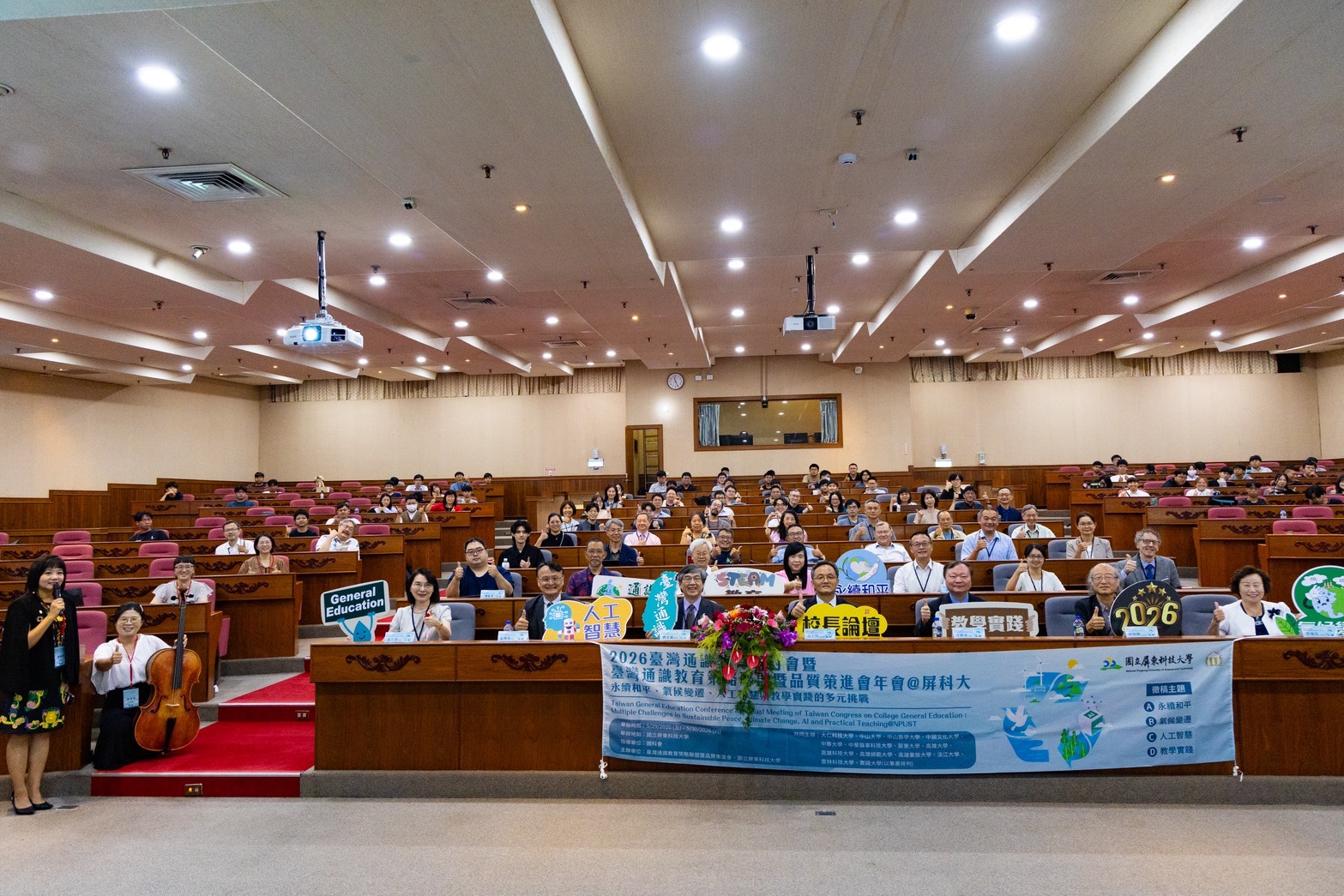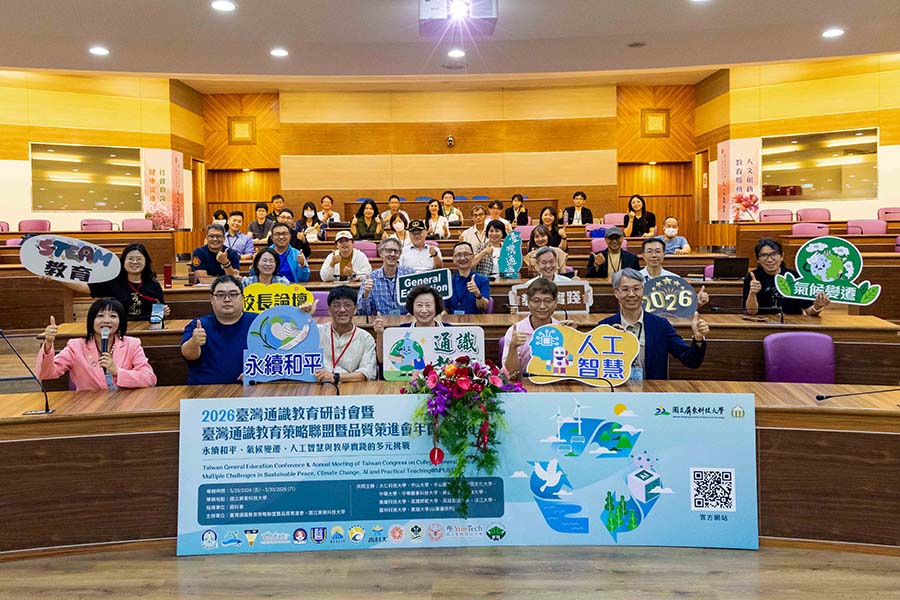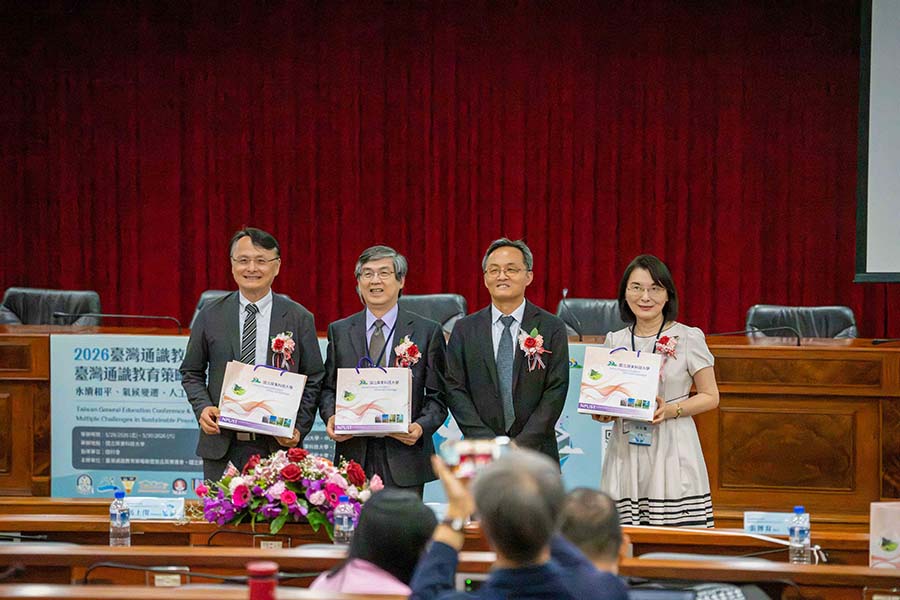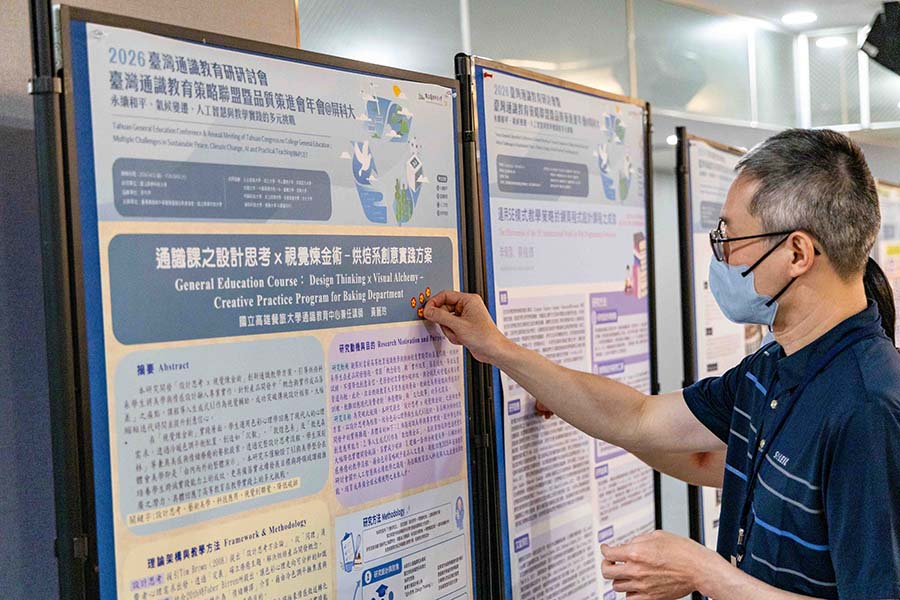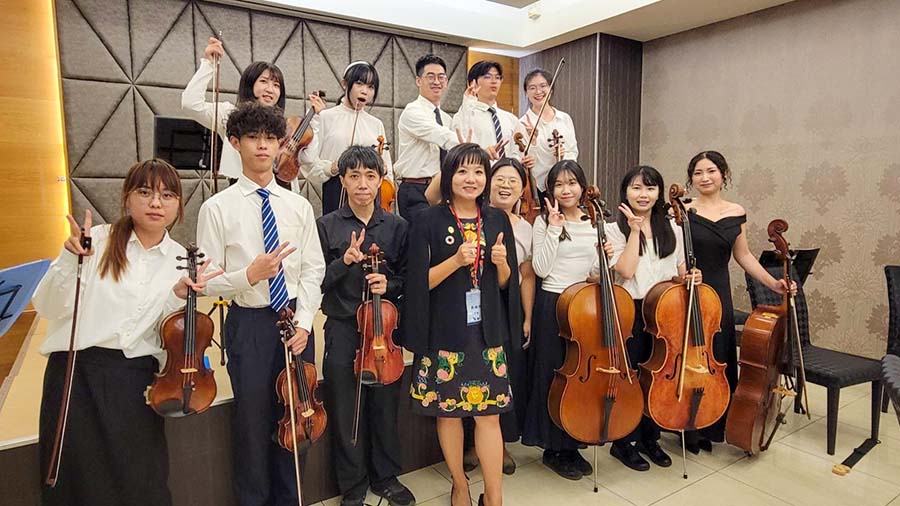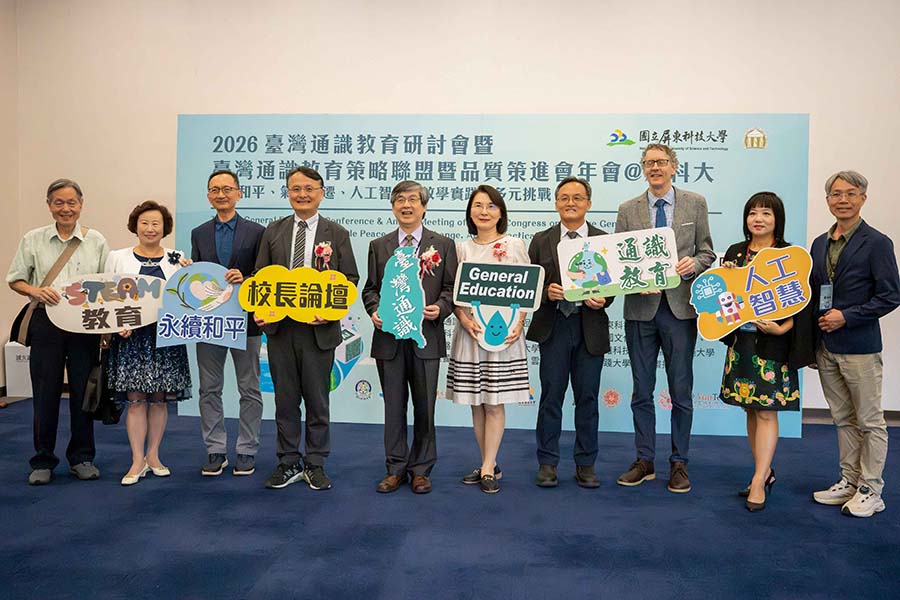
In response to the rapid global advancement of artificial intelligence, the escalating climate crisis, and the international community’s deep focus on peace and sustainability, the Center for General Education at National Pingtung University of Science and Technology (NPUST) hosted the “2026 Taiwan General Education Symposium and Annual Meeting of the Taiwan Congress on College General Education” for the first time from May 29 to 30. Held in the international conference hall of the university’s Library and Exhibition Hall, the symposium was centered on the theme “Diverse Challenges in Sustainable Peace, Climate Change, Artificial Intelligence, and Teaching Practices.” It gathered cross-disciplinary scholars, graduate students, and young academics from across the nation to explore how higher education can respond to major shifts and challenges in the future.
The symposium was co-organized by the Taiwan Congress on College General Education alongside NPUST. It also brought together 14 public and private universities as co-hosts, including Tajen University, Chung Shan Medical University, Chinese Culture University, Chung Hua University, Chung Hwa University of Medical Technology, National Sun Yat-sen University, National Pingtung University, National University of Kaohsiung, National Kaohsiung University of Science and Technology, National Kaohsiung Normal University, National Kaohsiung University of Hospitality and Tourism, National Yunlin University of Science and Technology, Tamkang University, and Shih Chien University. This collaborative effort reflects the high level of importance the Taiwanese higher education sector places on future general education issues.
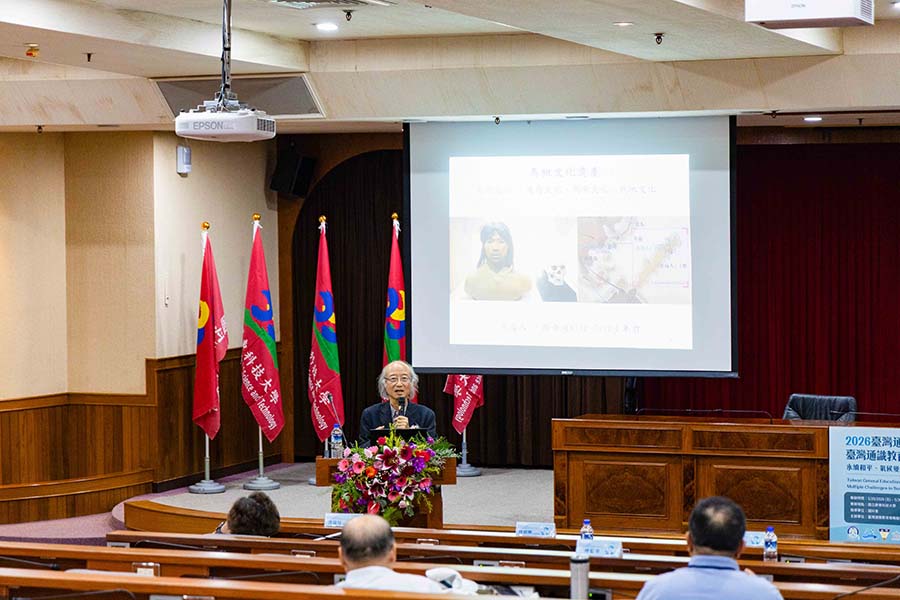
On the first day, the Presidents Forum, themed “Challenges and Outlook of General Education in the AI Era,” was co-chaired by Chin-Yuan Liu, President of the Taiwan Congress on College General Education, and Shang-Min Ma, NPUST Vice President for Academics. The forum featured Jiun-Hsien Hung (President of Shih Chien University), Chuan-Yu Chang (President of National Yunlin University of Science and Technology), and Jeng-Yen Wang (President of National Kaohsiung Normal University) as panelists representing the northern, central, and southern regions of Taiwan, respectively. Together, they discussed the transformation and response strategies of higher education in the age of AI. Following the forum, Emeritus Professor Chao-Ching Fu from the Department of Architecture at National Cheng Kung University delivered a keynote speech titled “Military Sites Transformed: Translation and Regeneration.” From the perspectives of cultural heritage, Taiwanese architectural history, and regionalism, he explored the vital value of historical space revitalization and cultural sustainability. On the same day, 44 oral papers and 27 poster papers were presented online and in person, and in conjunction with the “2nd NPUST AI Creative Generation Competition”, another 37 text and image papers and 7 video papers were made available online for public viewing.
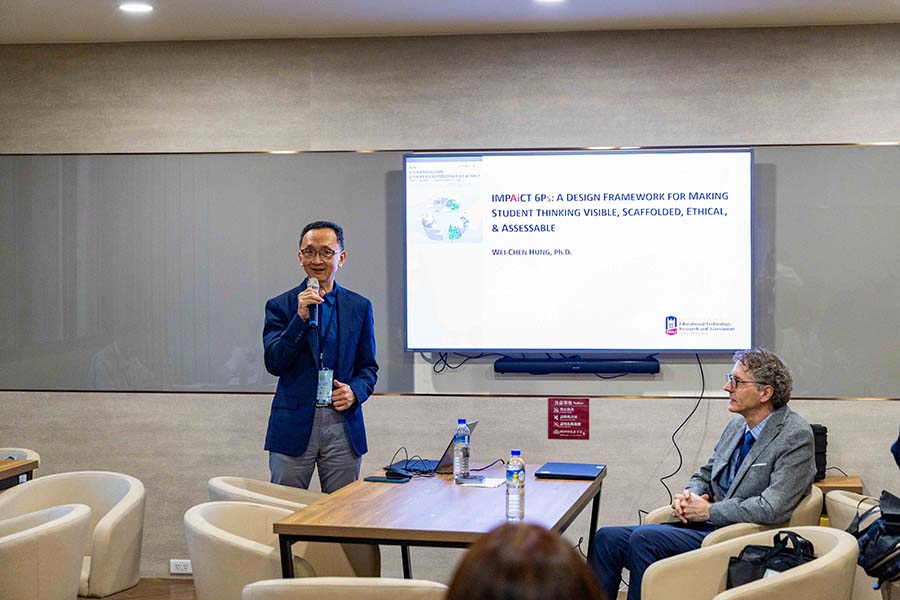
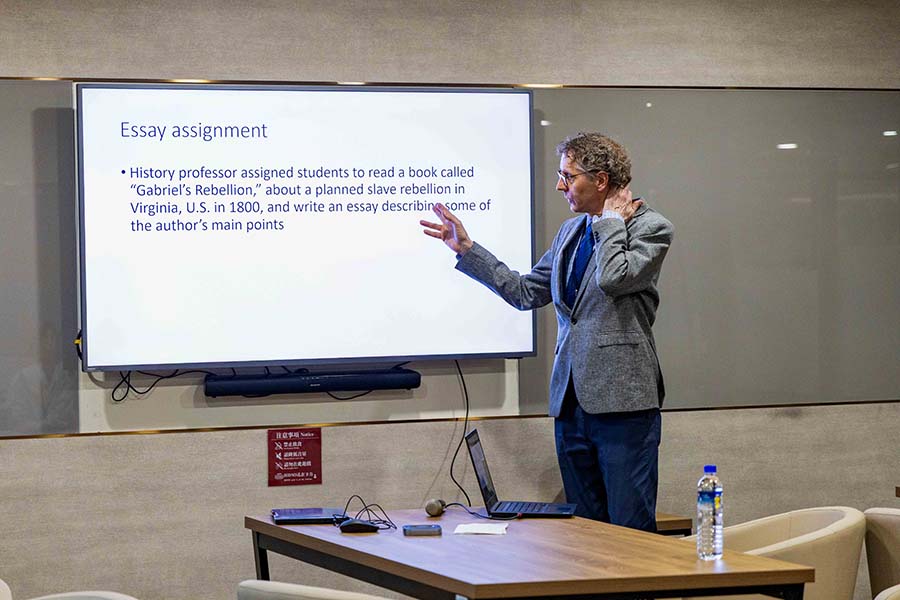
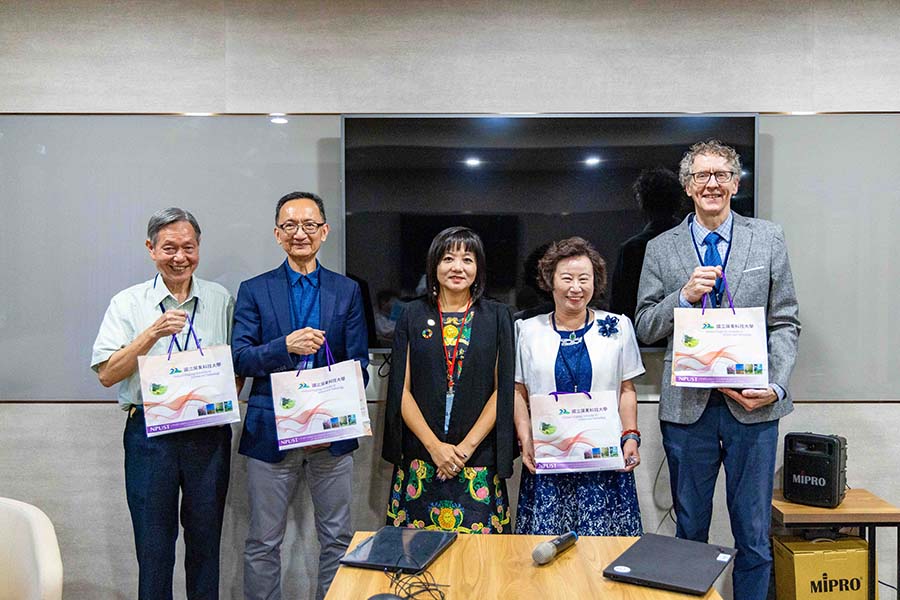
The symposium also featured an all-English session, the “STEAM Teaching and Learning Seminar.” For this, Wei-Chen Hung, Professor and Chair of the Department of Educational Technology, Research, and Assessment at Northern Illinois University, and Thomas J. Smith, Distinguished Teaching Professor at Northern Illinois University, were invite to share their insights. Introductory remarks for the session were made by Chair Professor Emeritus Jui-E Hung from the Center for General Education at Chung Shan Medical University and commentary was provided by Chair Professor Huann-shyang Lin from National Sun Yat-sen University.
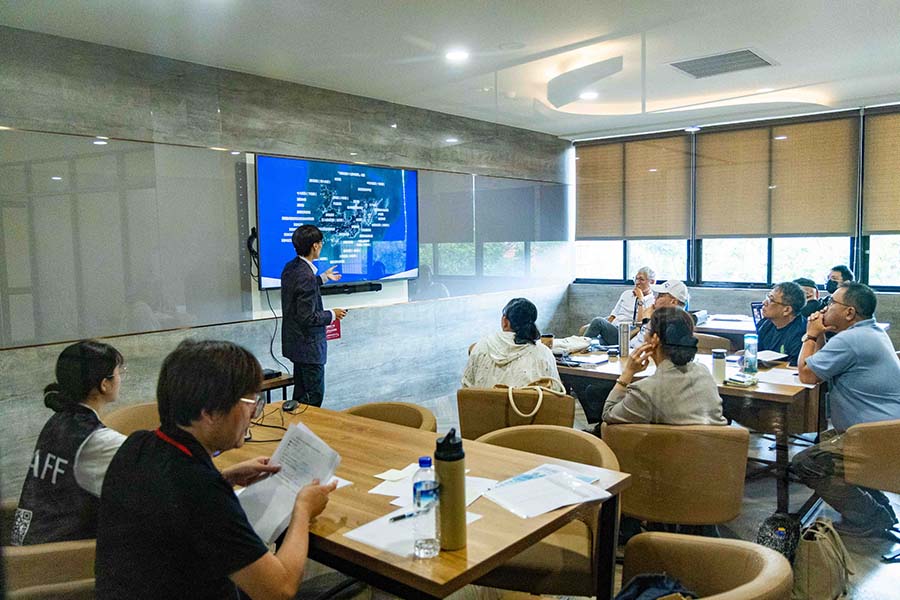
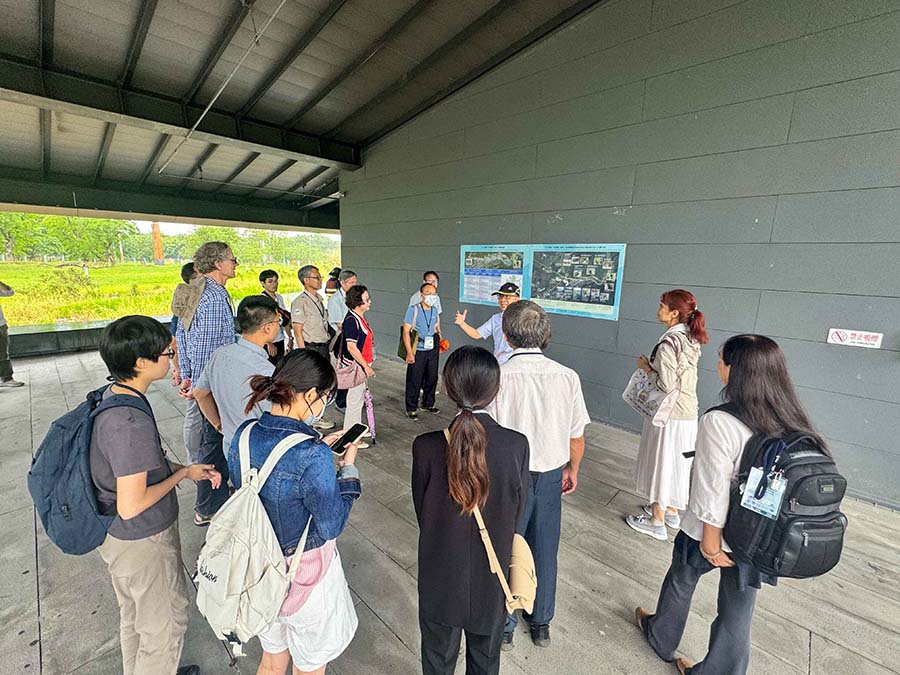
The second day of the symposium featured a competition between 16 outstanding papers, a poster exhibition contest (decided by ballot), a general assembly, and a forum for general education administrators. Additionally, both days included field visits to NPUST’s unique facilities, such as the Working Dog Training Center. Adding to this, Emeritus Professor Cheh-Shyh Ting from the Department of Civil Engineering at NPUST guided attendees through Pingtung’s hyporheic water facilities and local industrial sites. The excursion provided participants with the opportunity to witness water resource sustainability, groundwater recharge engineering, and the “Erfeng Canal”—a historical legacy designed by Japanese engineer Shinpei Torii during the colonial period which has been providing a stable water supply for nearly a century. These site visits allowed participants to deeply understand NPUST’s specialized teaching and practical learning environments and helped foster cross-institutional exchange and collaboration.
The symposium aimed to respond to recent global trends in educational and technological development, emphasizing the critical role of education in promoting human peace and maintaining ecological balance on Earth. It also sought to help higher education instructors and researchers anticipate global trends, integrate them into curriculum and instructional innovation, and cultivate a new generation of talent equipped with cross-disciplinary, innovative, critical thinking, and sustainability-minded capabilities—collectively building a new direction for higher education that bridges technological literacy, humanistic care, and sustainable values.