The National Pingtung University of Science and Technology (NPUST) USR project, “Cultural Resilience and the Sustainable Economic Development of a Healthy Makatao Agricultural Industry” set sail once again this April. On April 10, April 18, and May 1, the project led students from various departments into the cultural heartlands of Pingpu indigenous groups for a journey rich in knowledge, historical depth, and personal connection.
EXPLORING HISTORY AT TWIN MUSEUMS
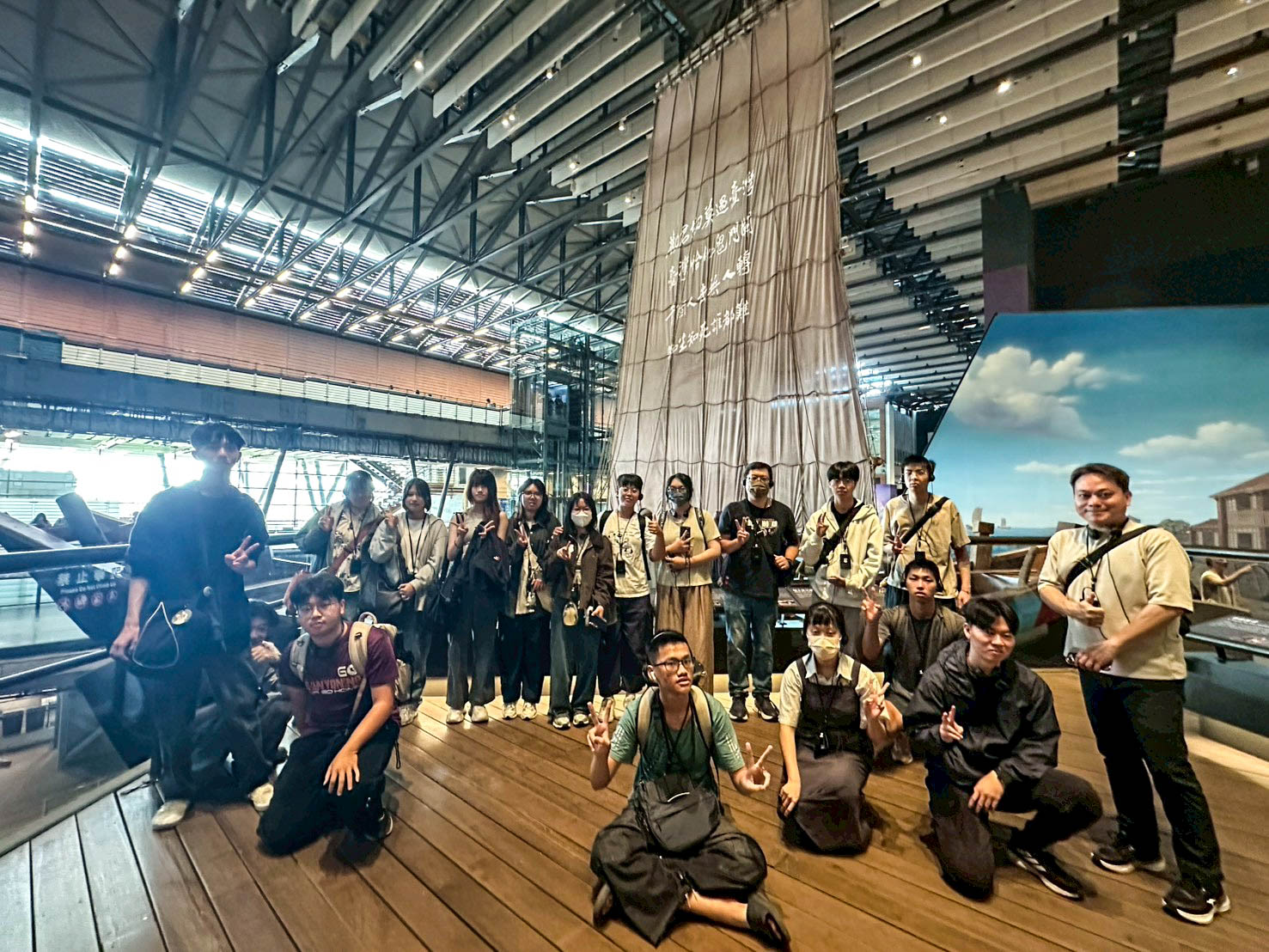
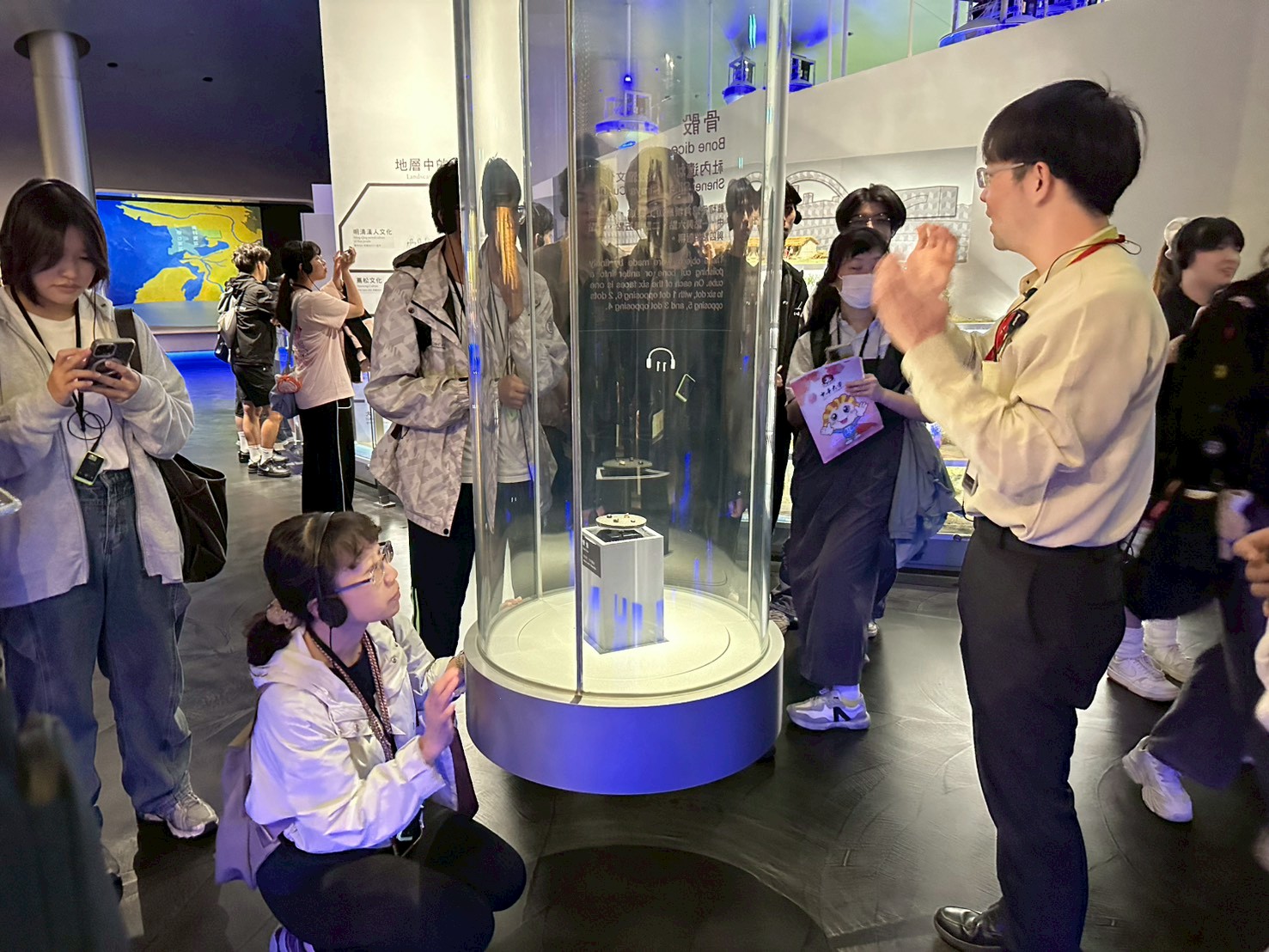
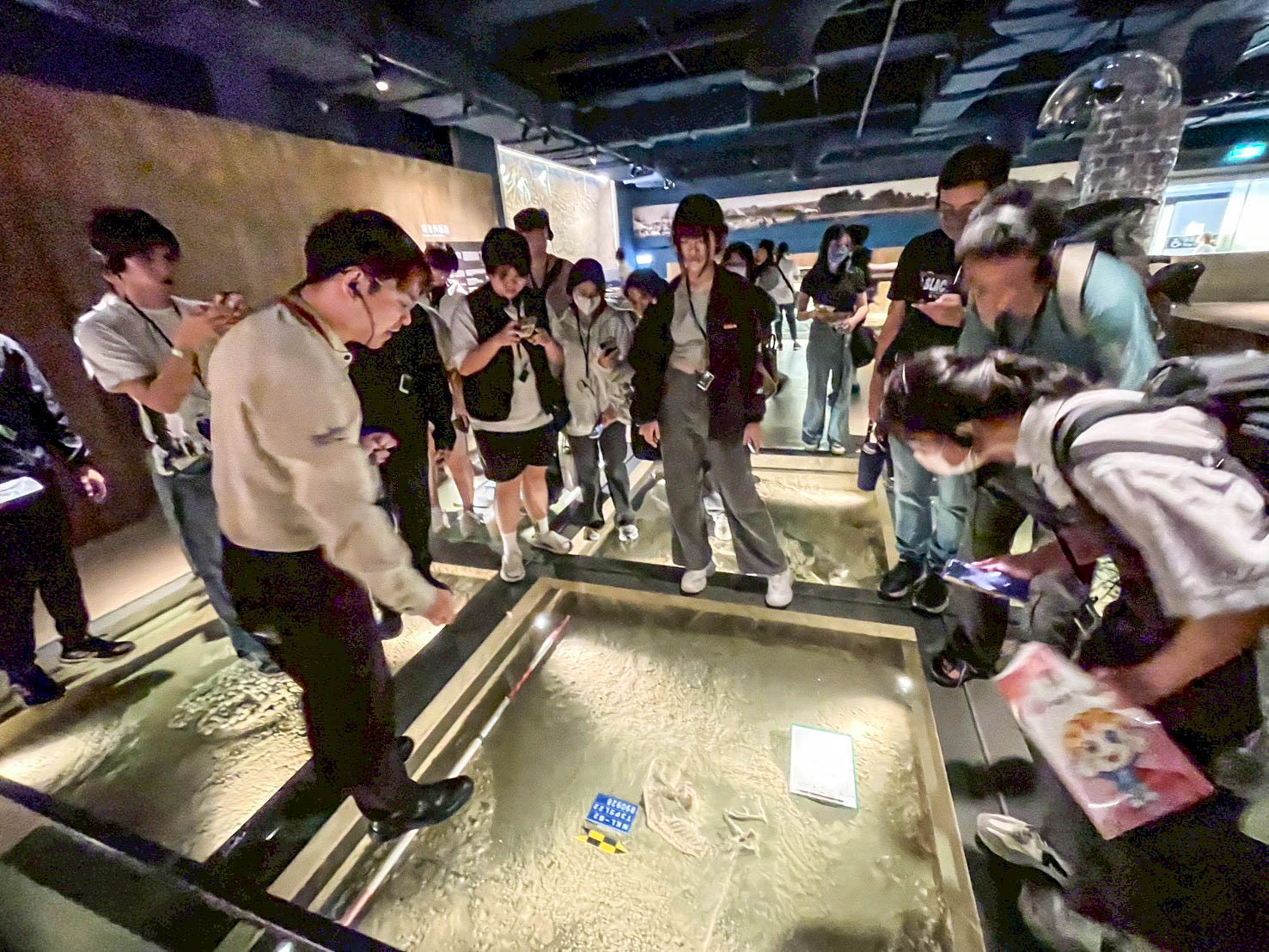
The first stop in the series was the Tainan Branch of National Museum of Prehistory which contains the highest density of archaeological sites and the most complete stratigraphic sequences in Taiwan. Through the permanent exhibition, faculty and students were able to look through layers of earth and get a glimpse into human activity taking place as far back as the Neolithic period.
After this, the group migrated to the National Museum of Taiwan History where they learned “The Story of Taiwan,” and witnessed the evolution of Taiwanese history through its various cultural encounters. By coupling the two museums together, the trip moved beyond textbook history and provided students with a concrete and spatial experience which could help them understand the historical context of the Makatao people living in the Kaohsiung and Pingtung regions.
DEEP IMMERSION IN THE TAIVOAN TRIBE OF LIUZHONGXI
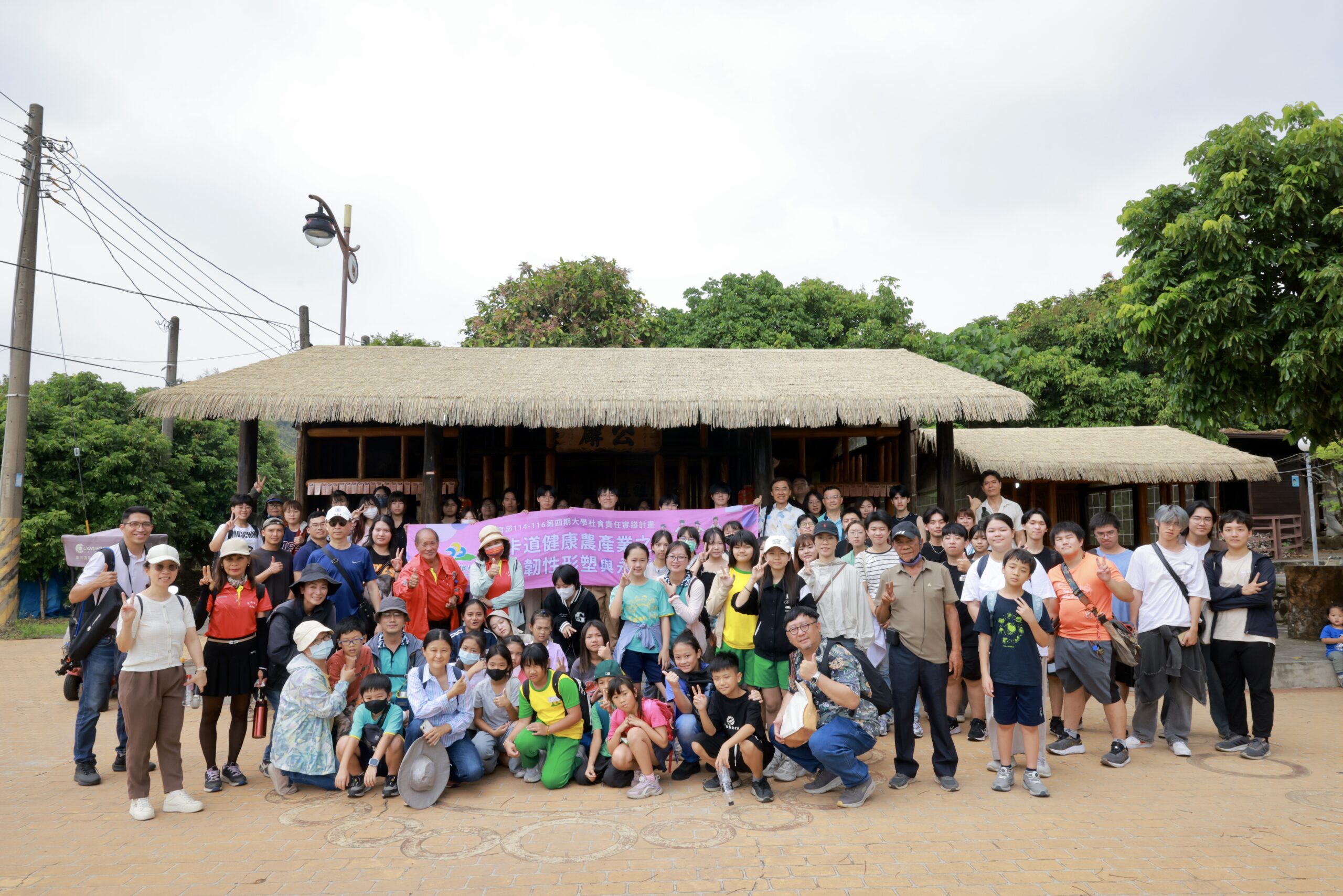
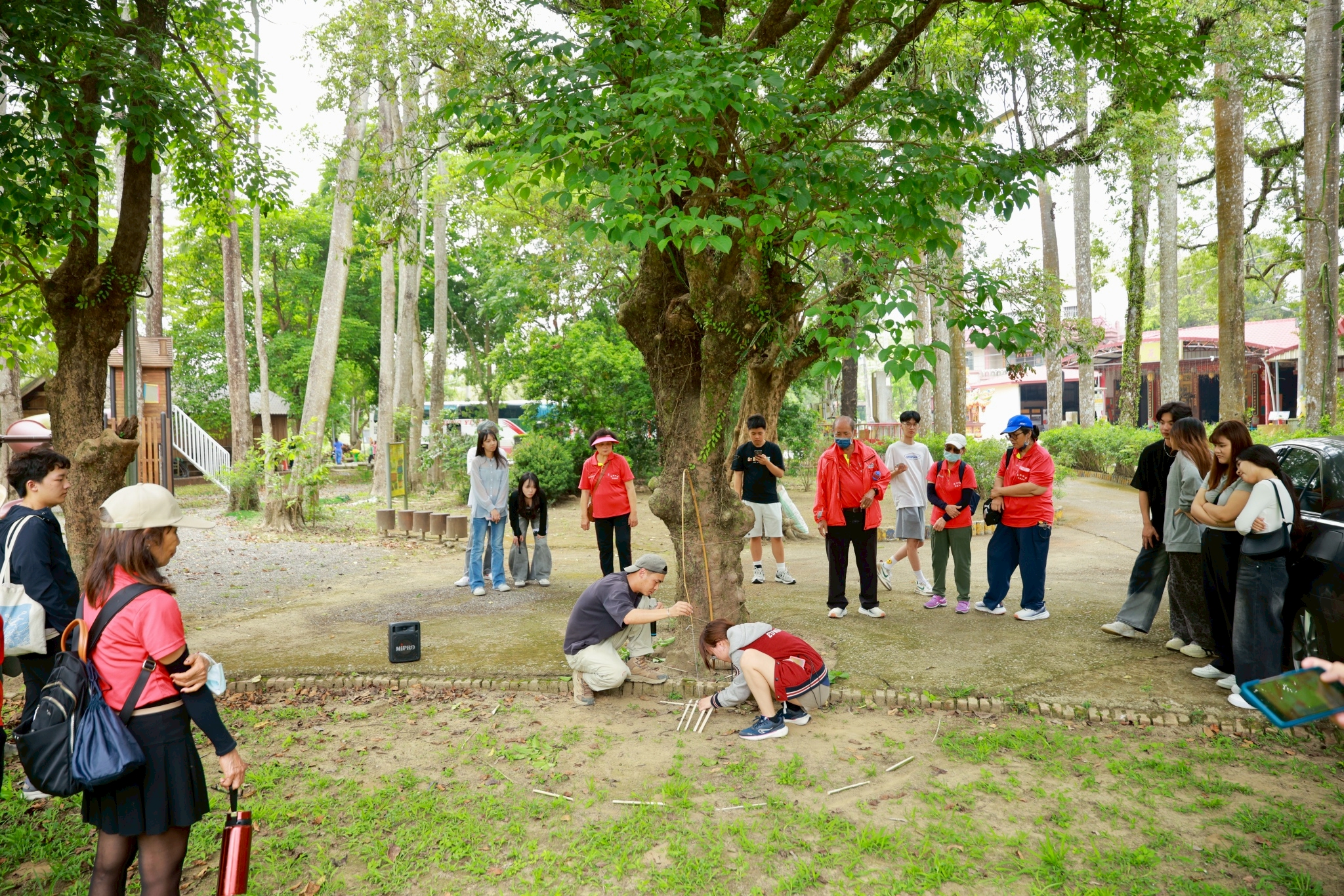
The journey continued deep into the Liuzhongxi Taivoan tribal community in Baihe, Tainan. The tour was personally guided by Pan Chi-yu, Secretary-General of the Liuzhongxi Pingpu Association, and local tribal members. Stepping into the Kong-kiai—the village’s spiritual heart—the group was struck by a profound sense of solemnity as they witnessed the Taivoan people’s devotion to reviving the ‘Tai-zu Five Sisters’ rituals after a nearly fifty-year silence.
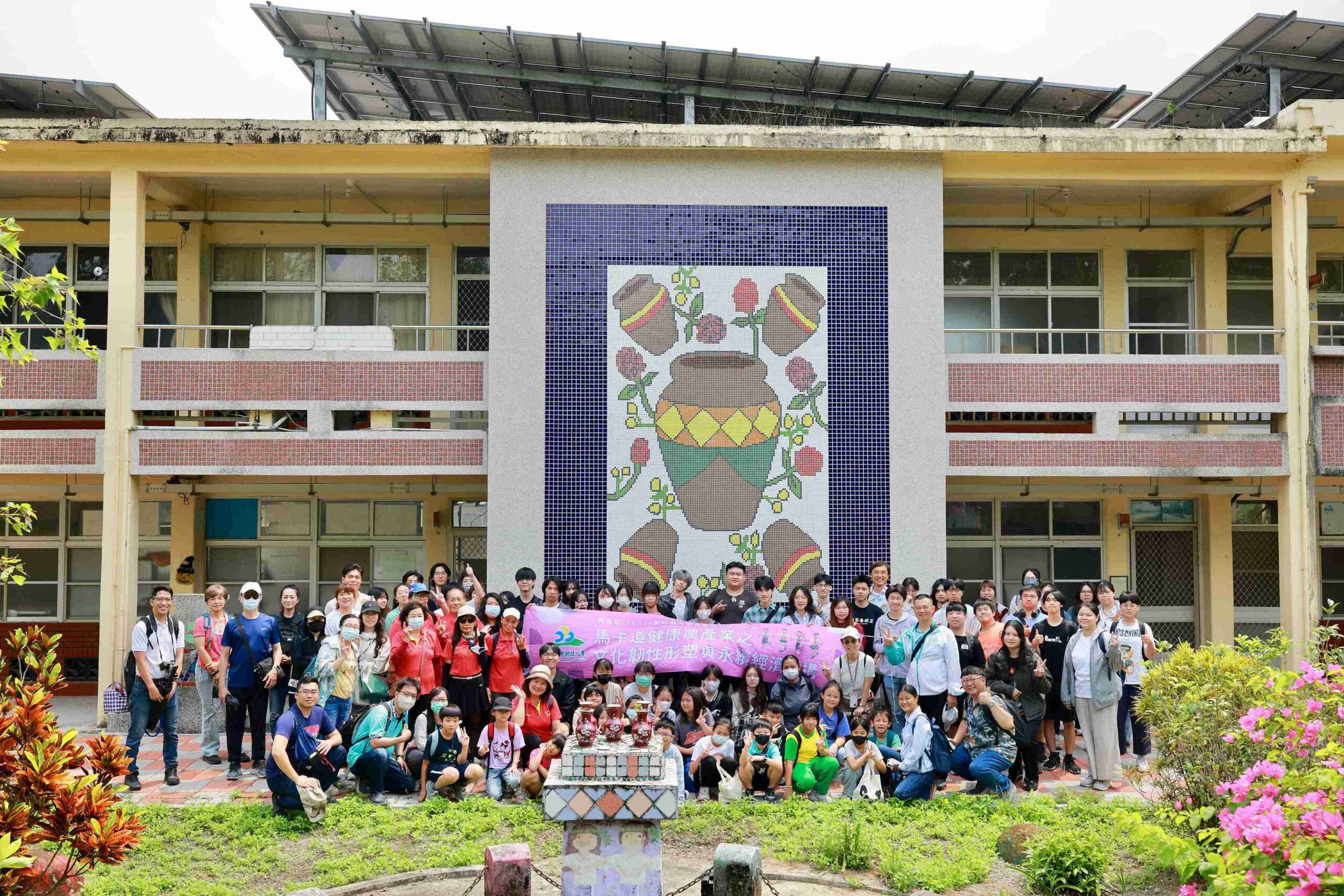
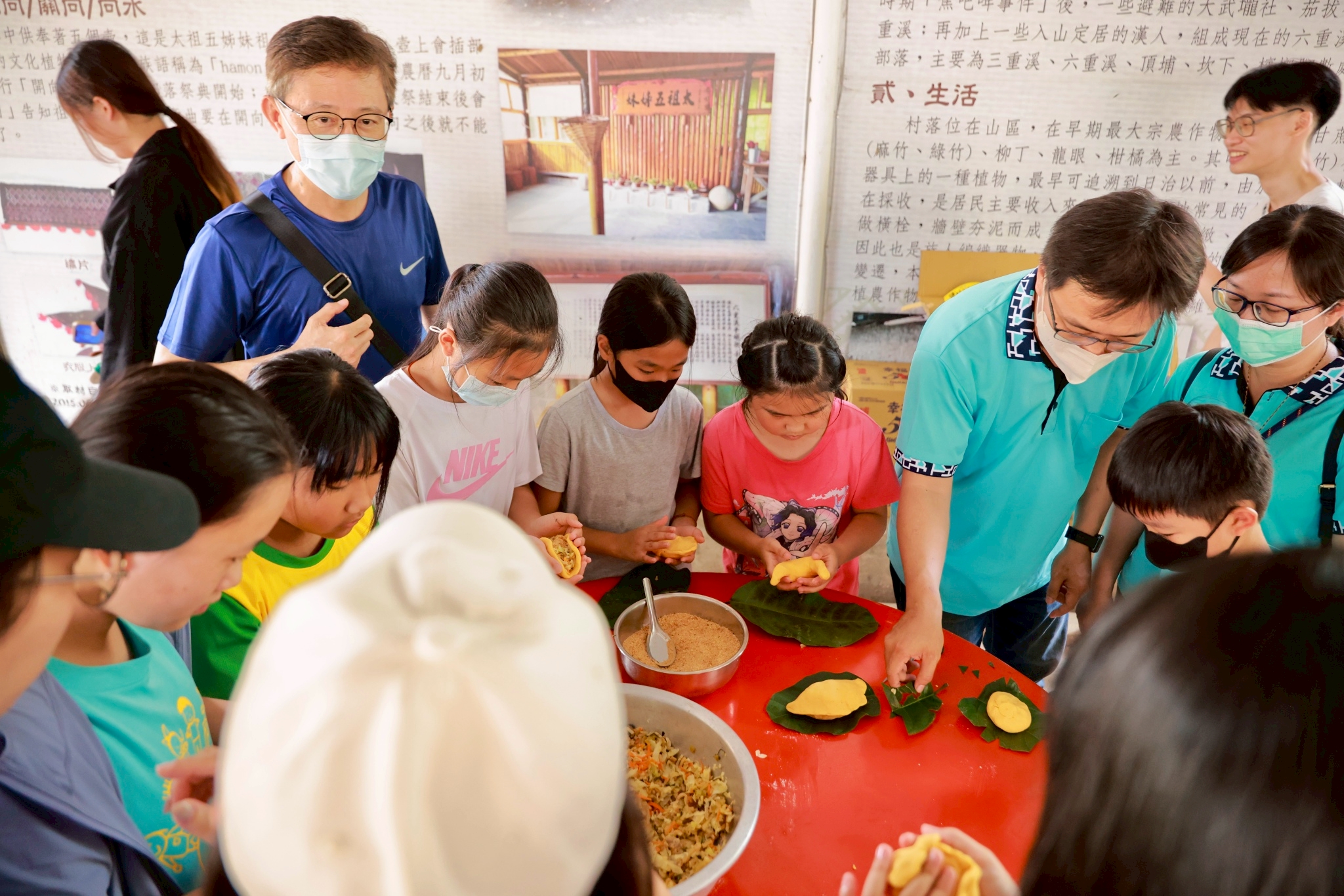
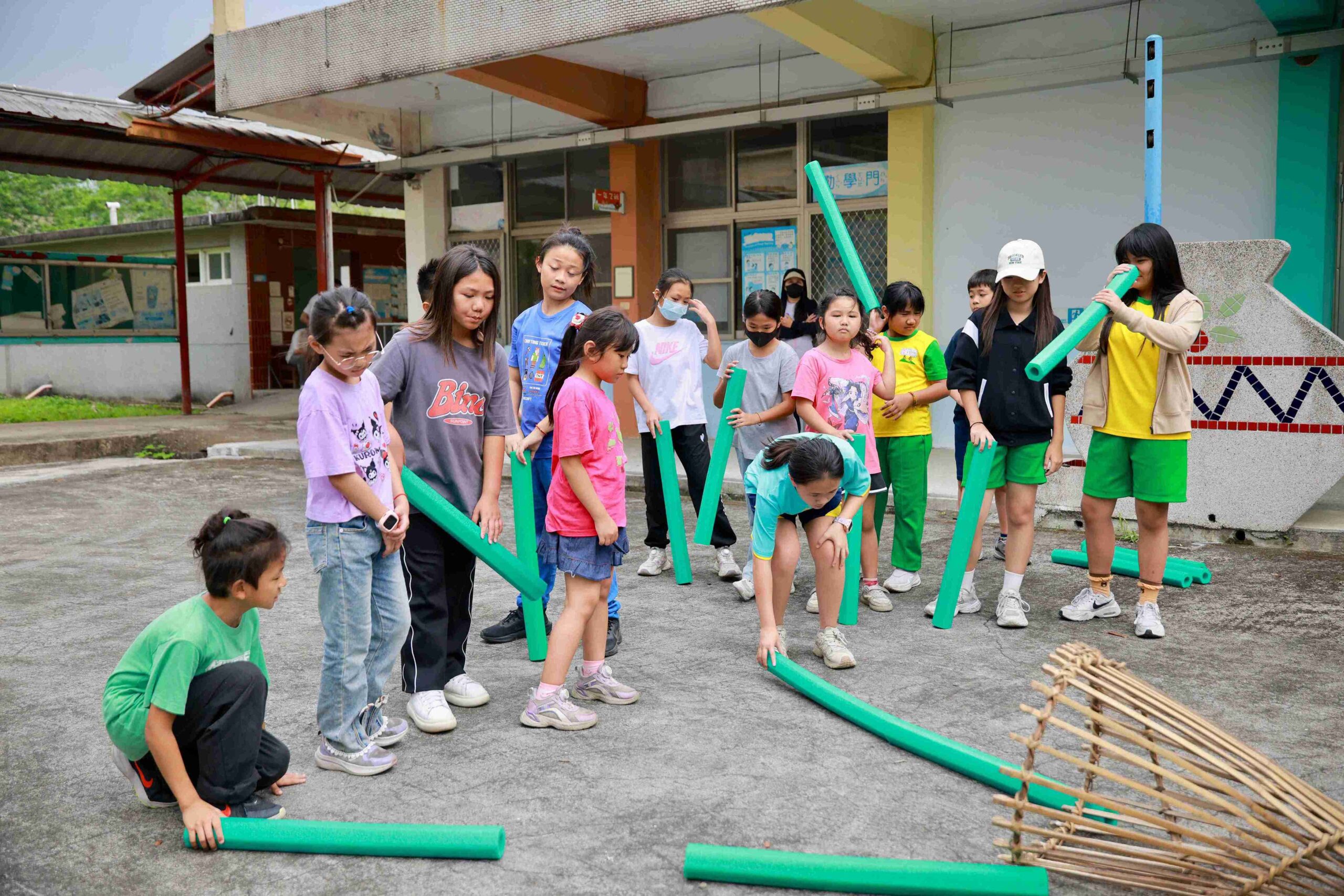
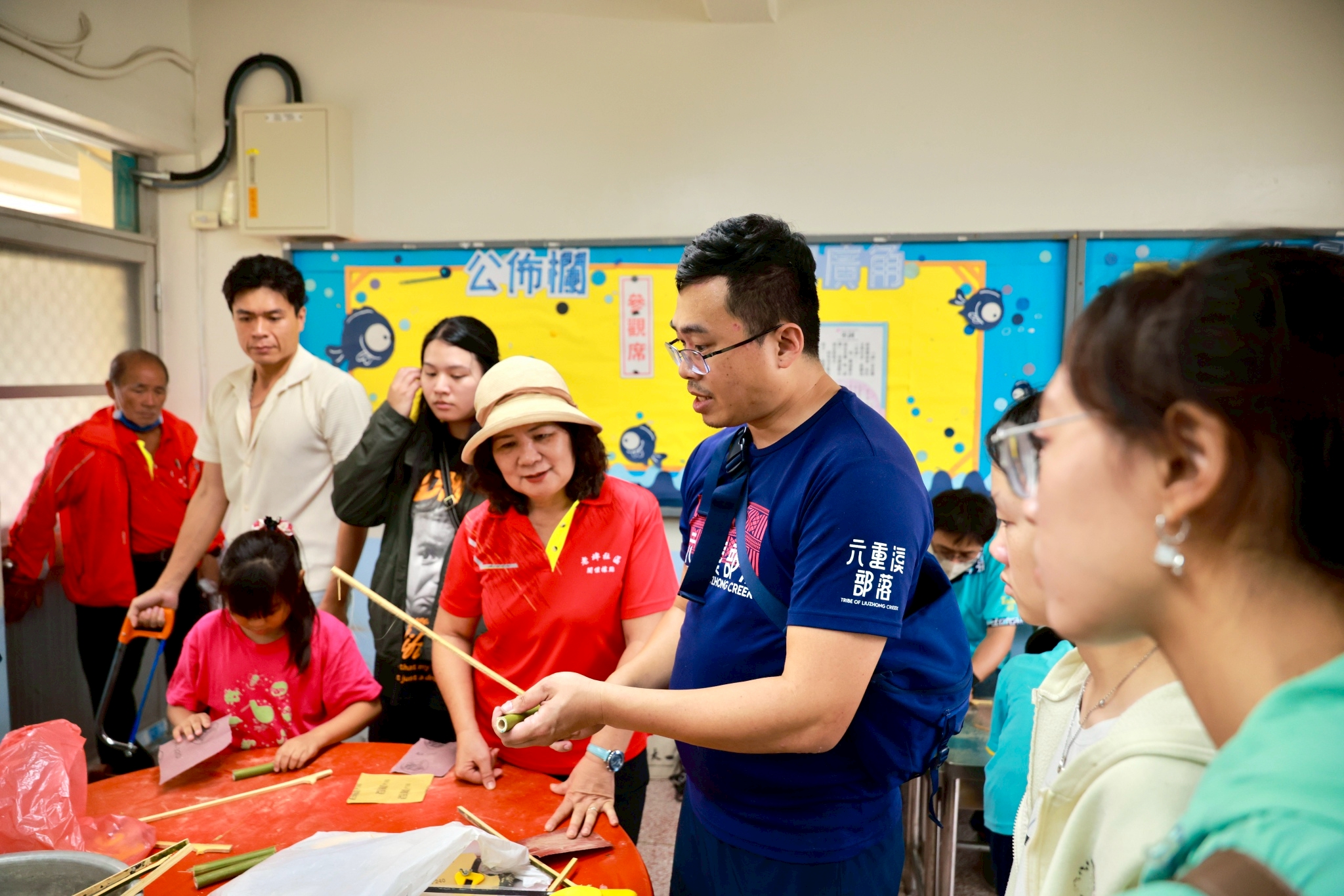
In a touching moment of connection, NPUST faculty and students, partners from the Laopi Community, and teachers and students from Taian Elementary School sat side-by-side, learning together how to make traditional “cassava buns”. Through the detailed explanations of traditional hunting traps and hands-on experiences provided by the tribal members, students also gained an understanding of how their ancestors coexisted with the forests.
WITNESSING RESILIENCE AT THE TAIVOAN NIGHT FESTIVAL
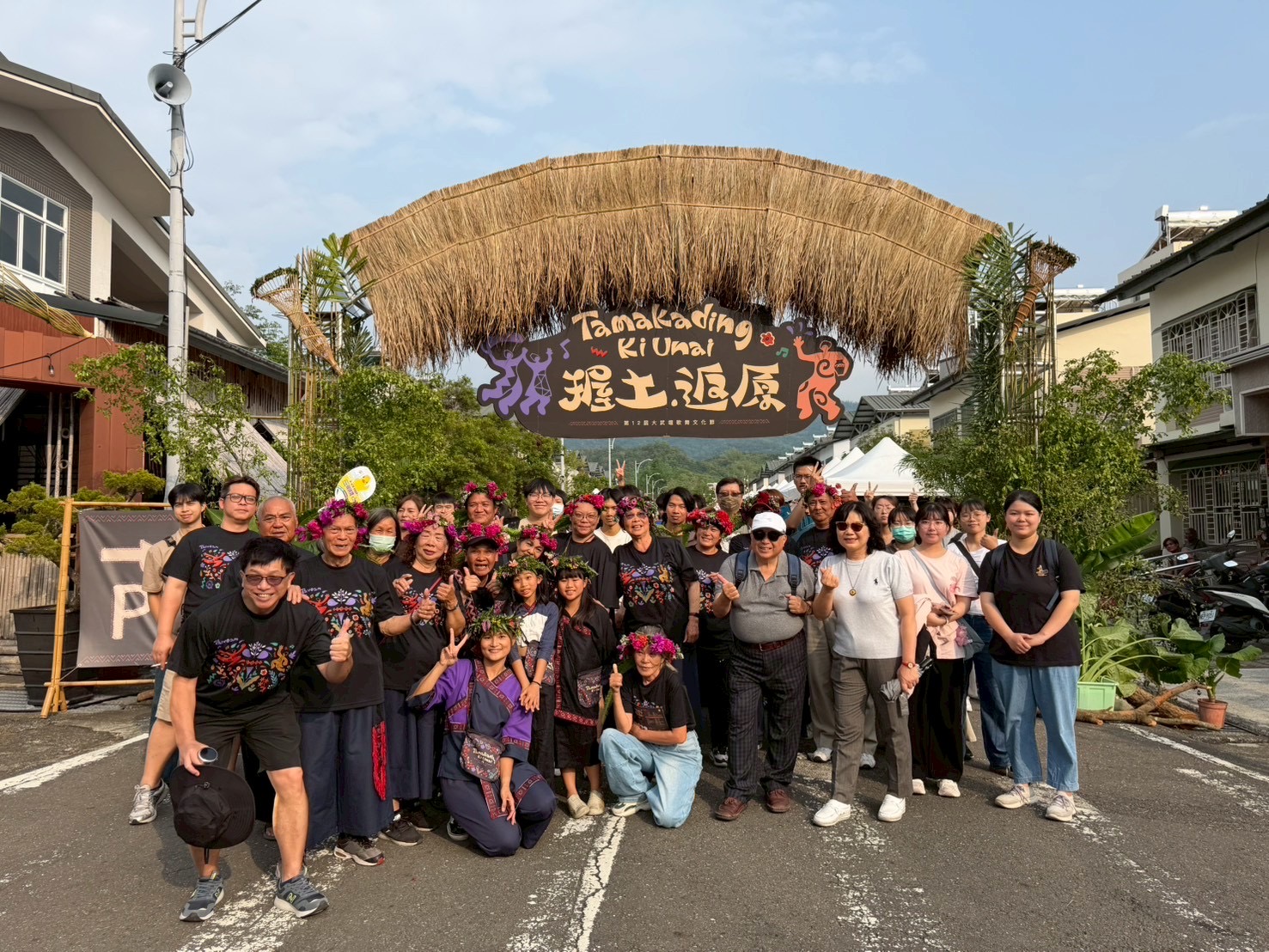
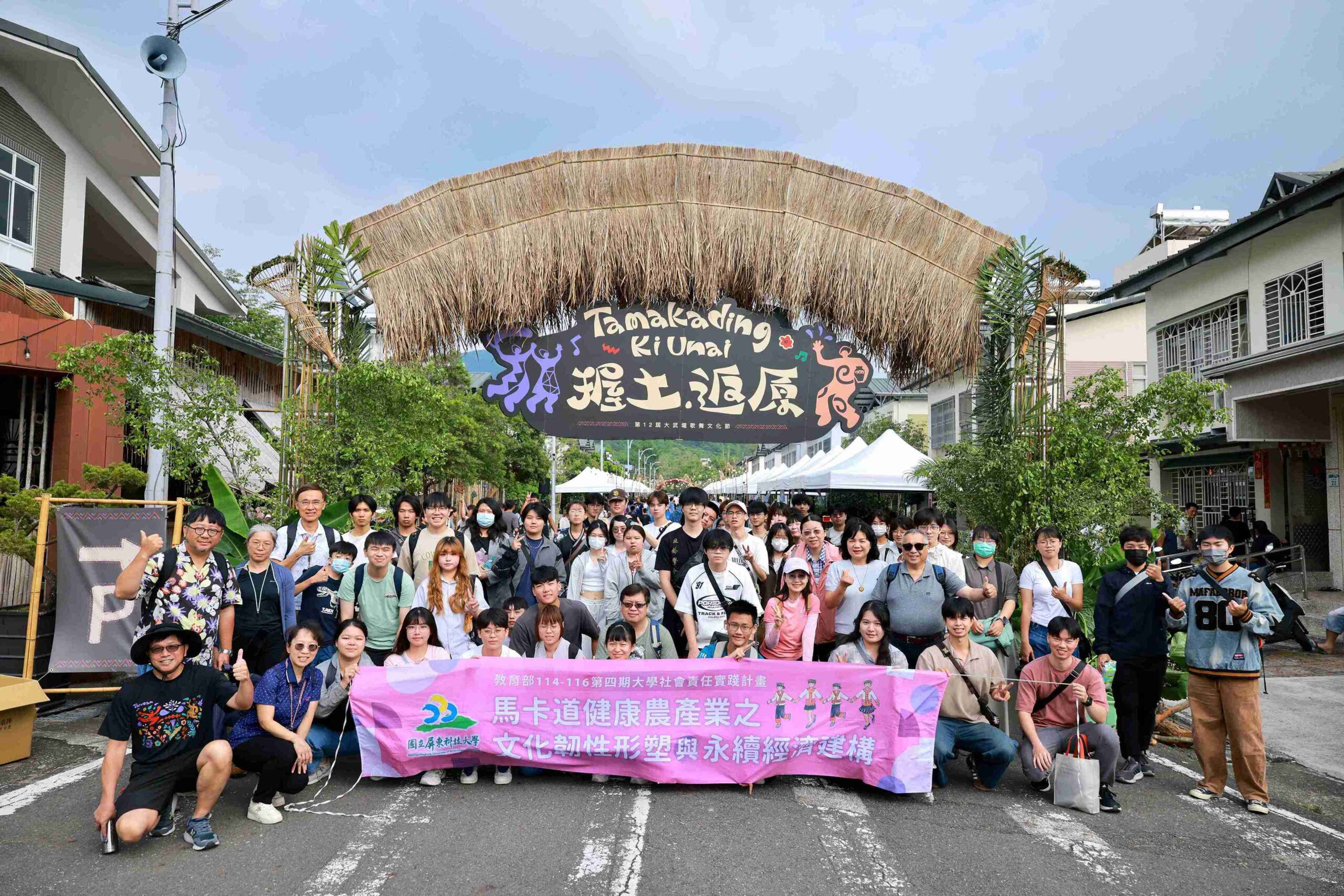
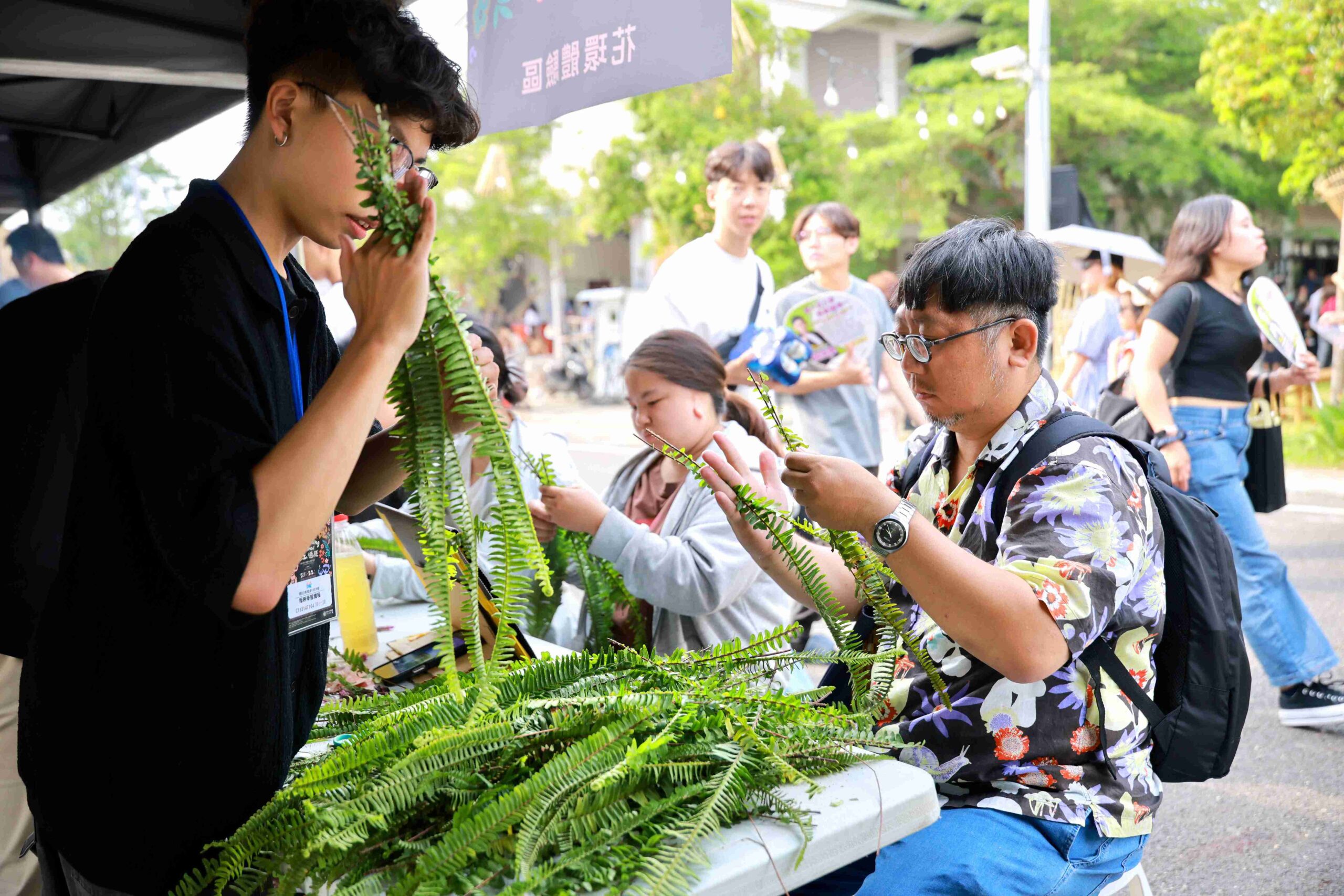
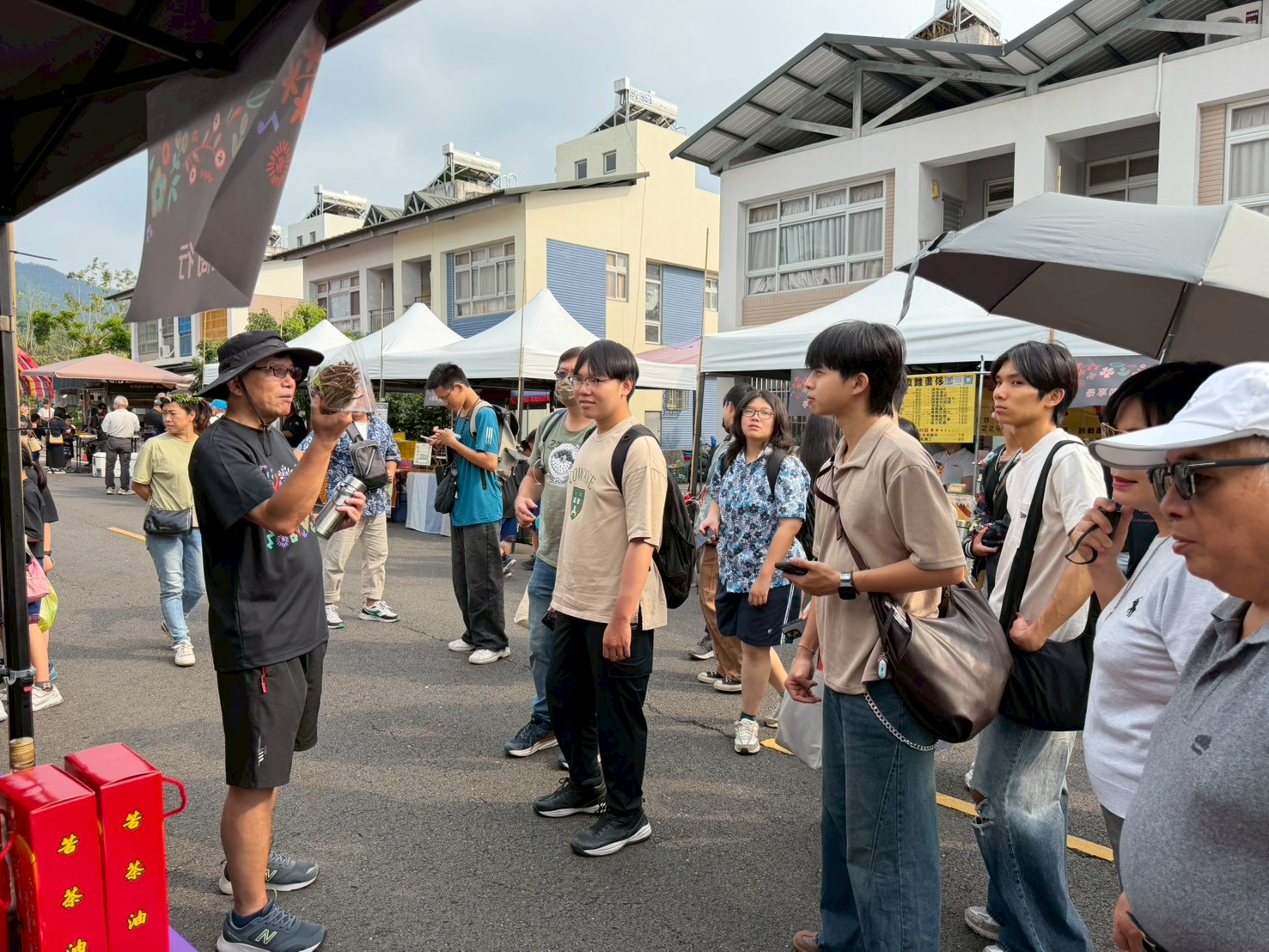
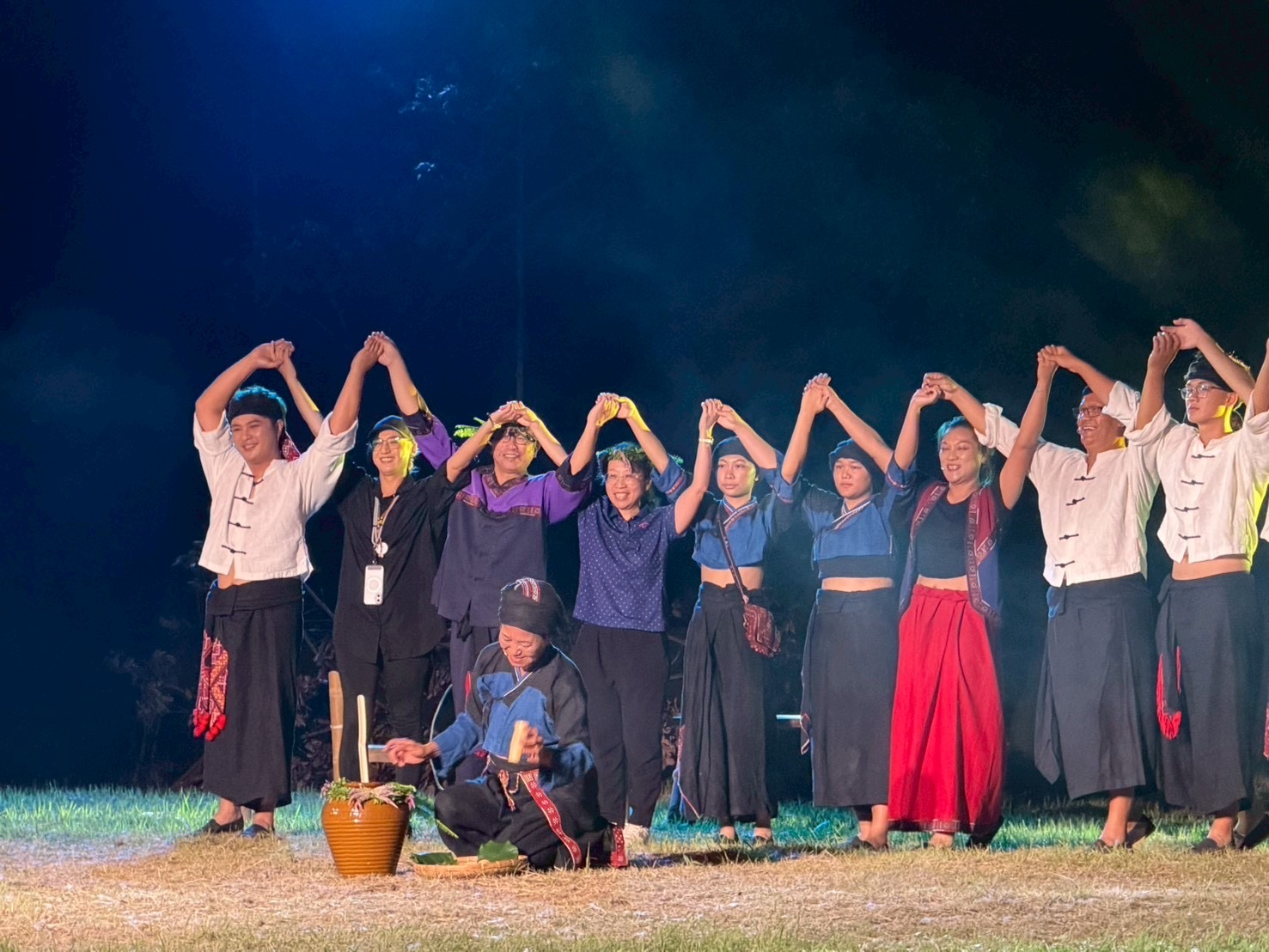
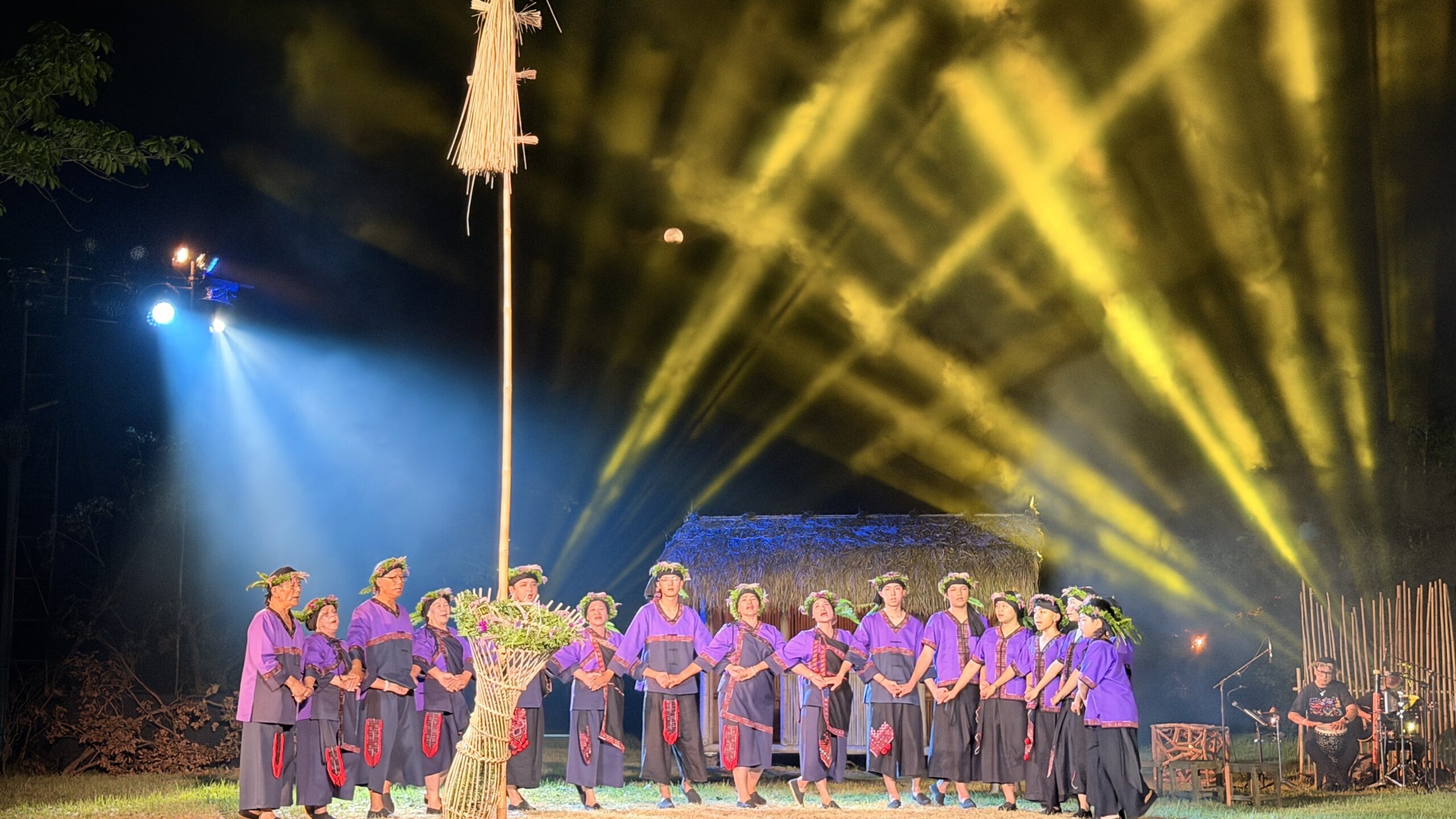
The grandest cultural encounter took place at the Sunshine Siaolin Community in Shanlin, Kaohsiung, during the 12th Taivoan Song and Dance Cultural Festival. Guided by tribal members and Pingpu scholar Wen-Minng Chien, the participants—including faculty, staff, and alumni—gained deep insights into the Taivoan people’s history, ritual culture, and post-disaster reconstruction. They also hand-wove Taivoan garlands—symbols of blessing and identity.
As evening fell, the group joined the rhythm of the festival. Amidst ancient chants and dances, they witnessed how a community uses art to safeguard its history and dignity. It was a powerful demonstration of how the Sunshine Siaolin Community stayed resilient through the post-disaster reconstruction process and is passing the cultural torch to the next generation.
VOICES OF CROSS-GENERATIONAL CONNECTION
Kuang-Wen Lin, Principal of Taian Elementary School, remarked: “This was a most precious form of out-of-class education. The children didn’t just learn about Makatao culture in a classroom; they walked into the actual tribal sites with university students and elders from Laopi Village. Seeing the children make cassava buns and connect with the tribal people shows that ancestral wisdom is quietly flowing across generations, and planting seeds of identity in their hearts.”
Yu-Mei Lin, Chairperson of the Laopi Community Development Association, added: “Watching the community elders go out with their grandchildren’s generation felt like a family trip. Seeing the light in the elders’ eyes is the greatest pride for those of us passing on our culture.”
CULTURE MOVING FROM CLASSROOM TO COMMUNITY
“Its about allowing cultural education move from the classroom and into active participation, and from the university to the community and elementary schools,” said NPUST Vice President Wen-Ling Shih, the project leader. This year’s field study welcomed Taian Elementary School students and NPUST alumni for the first time. Vice President Shih noted that seeing the children’s eyes wide with wonder at the ritual fires and watching faculty listen intently to the elders reinforced a core belief: cultural inheritance is never a one-way street, but a shared, profound resonance.