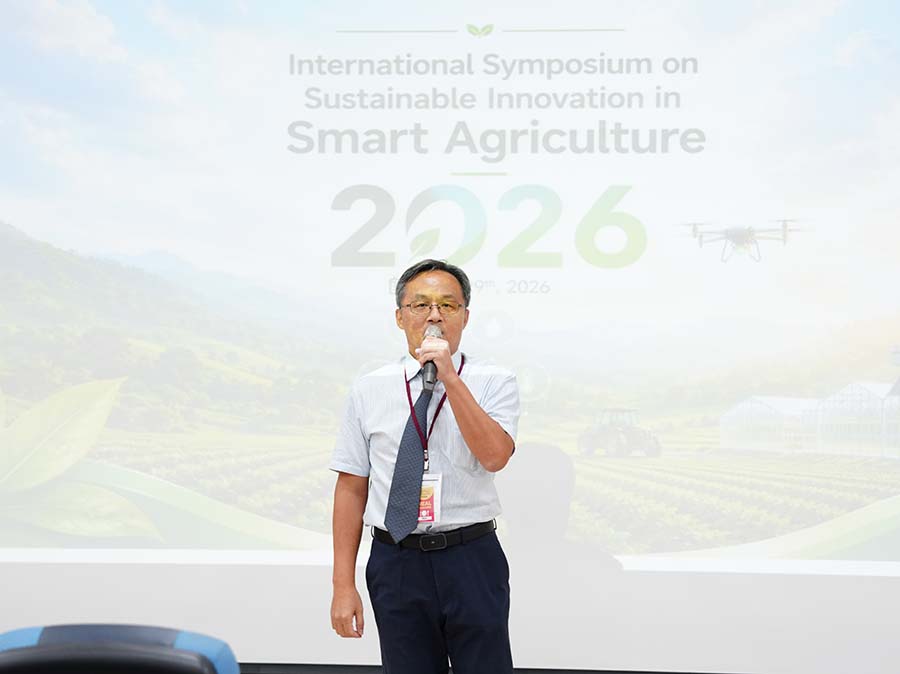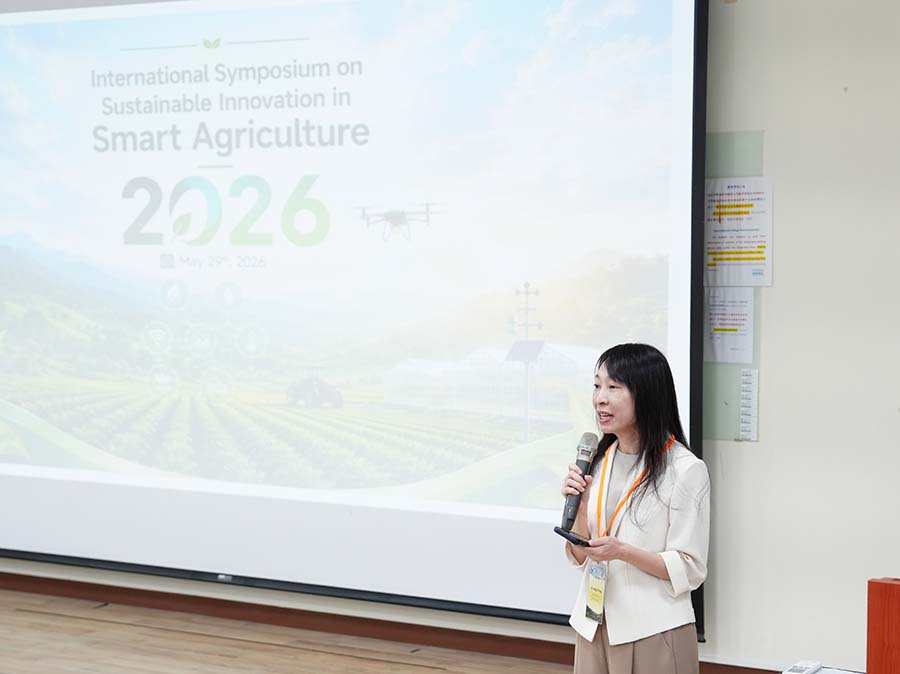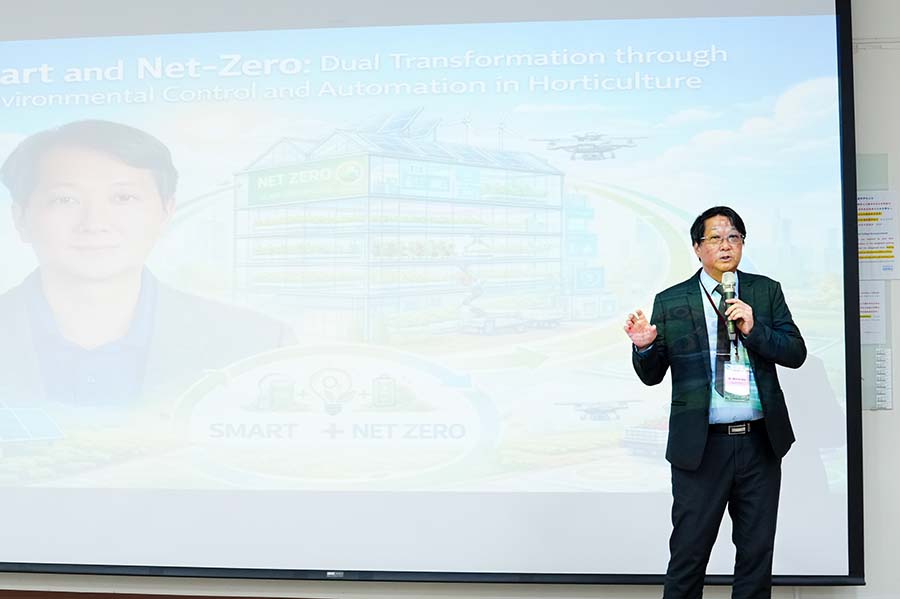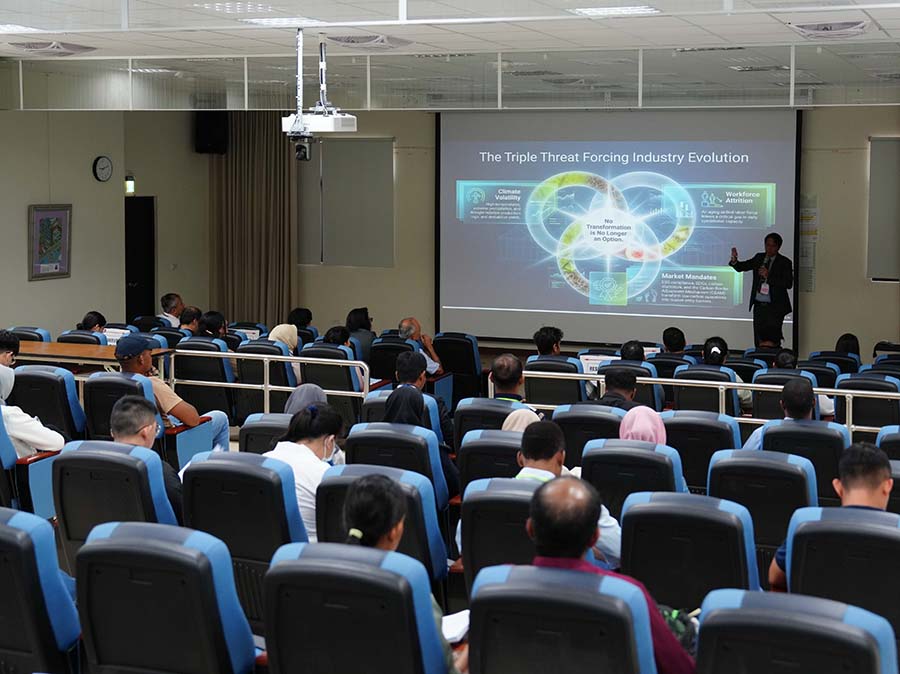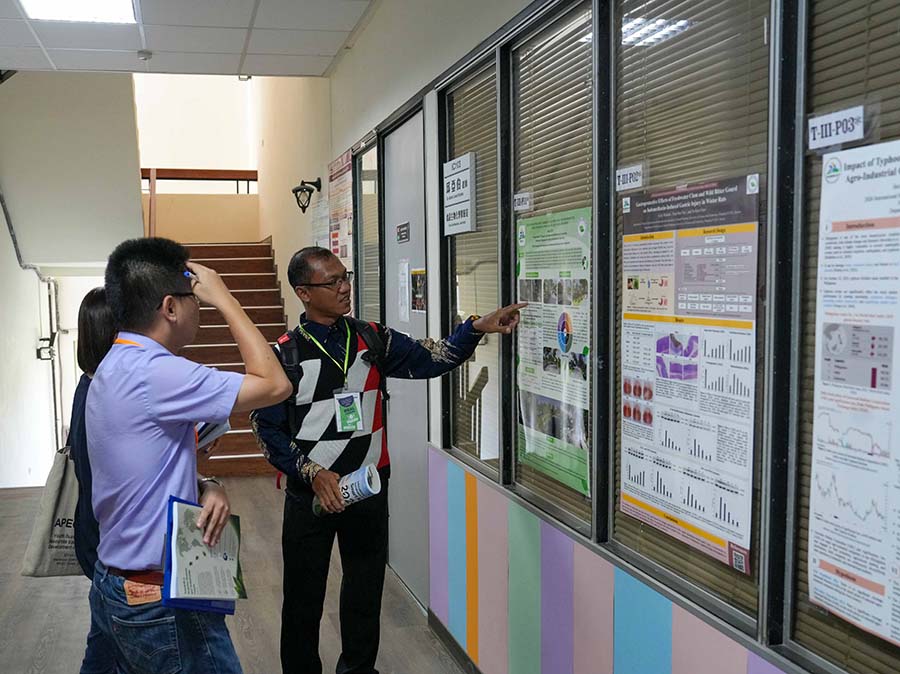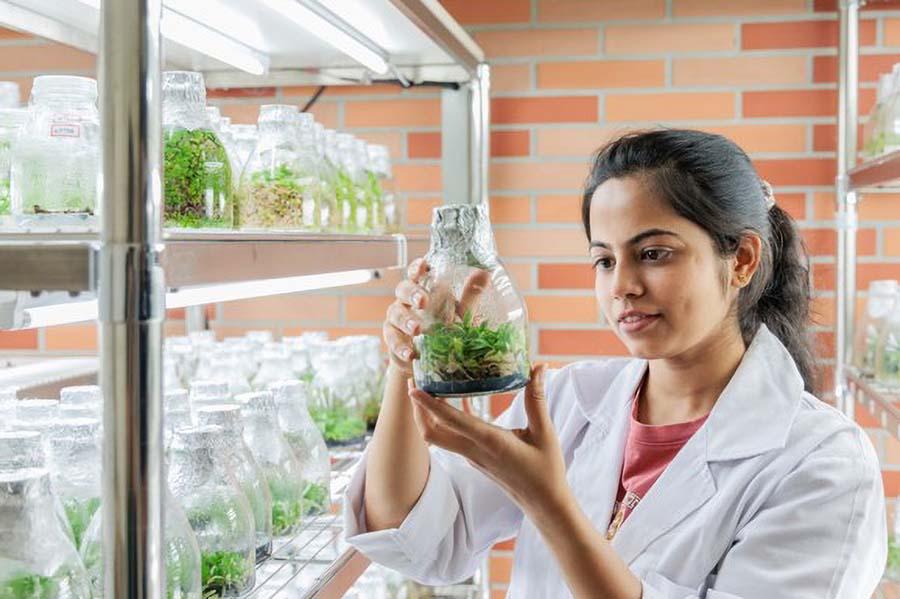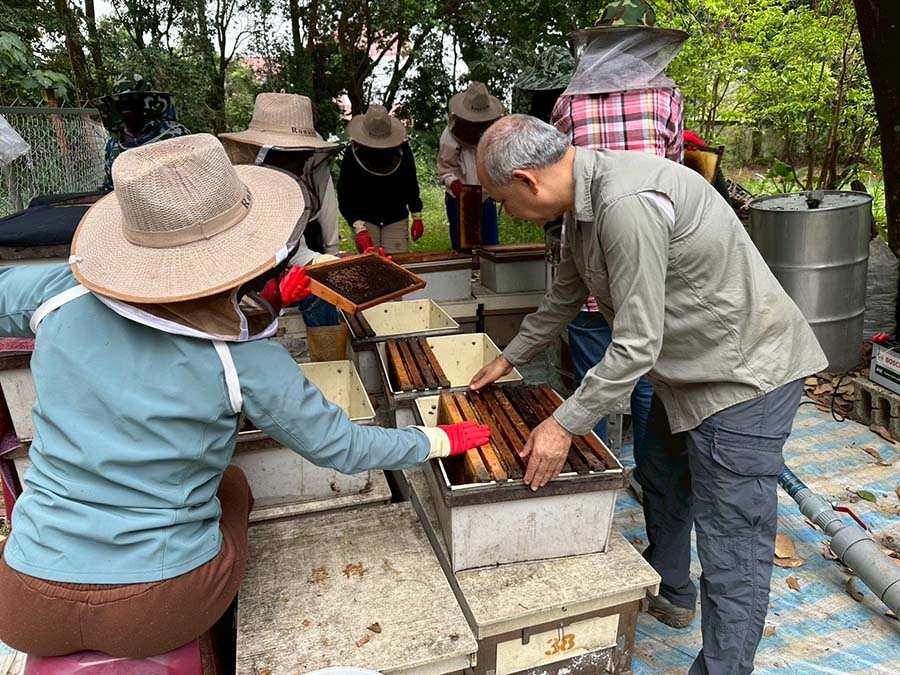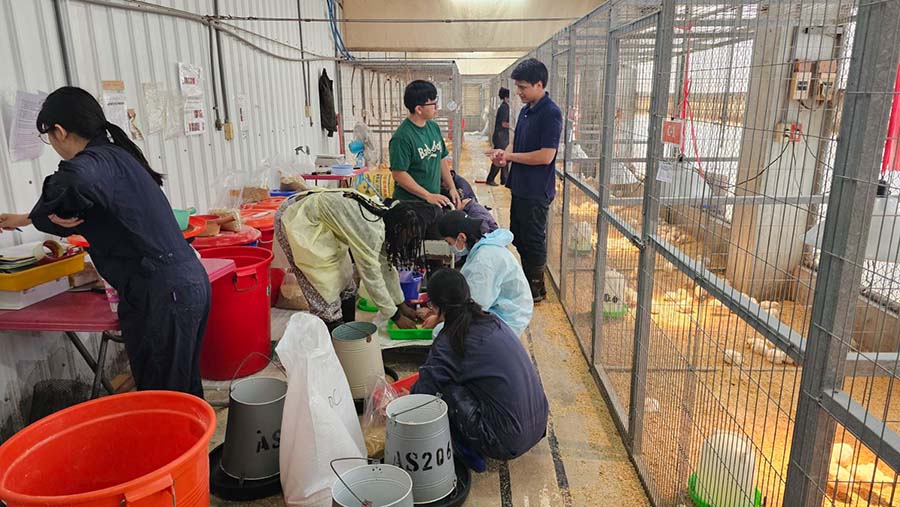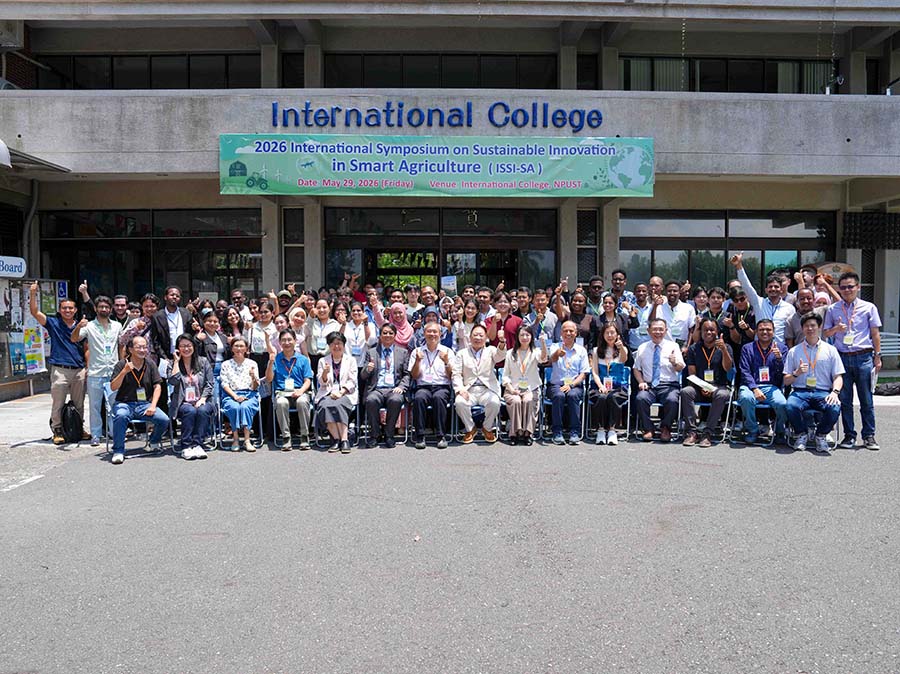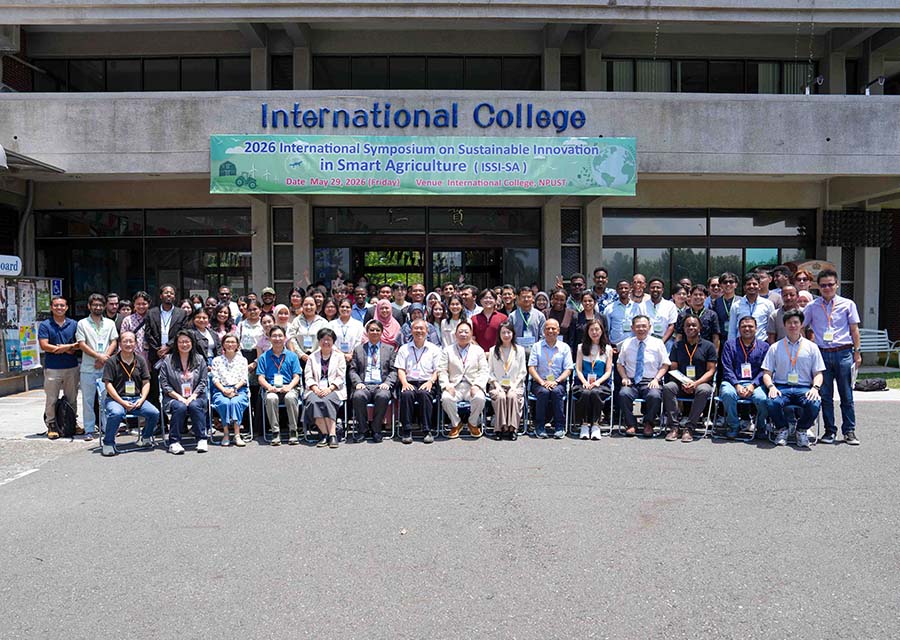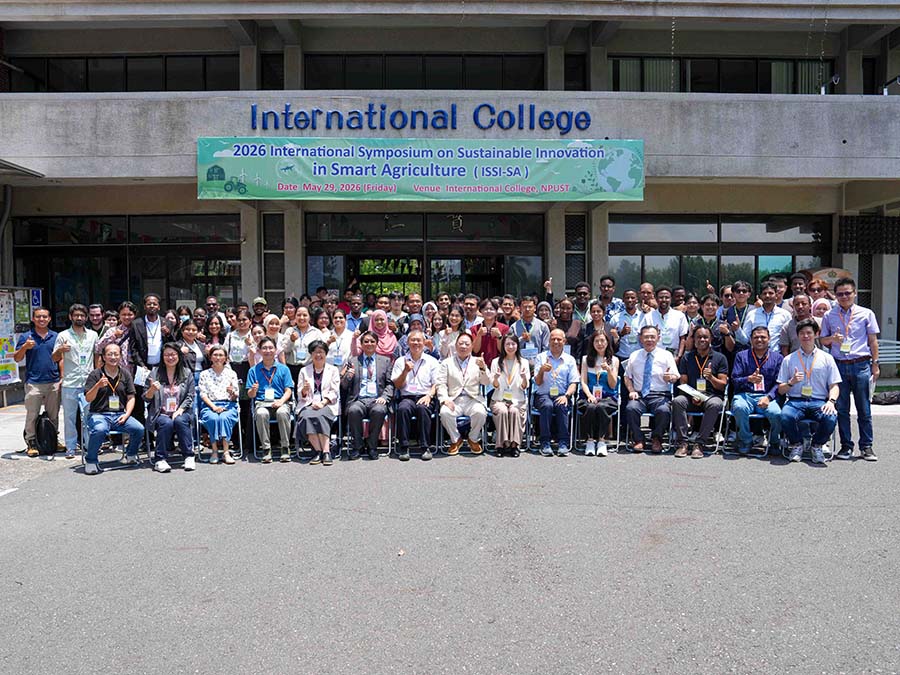
The Department of Tropical Agriculture and International Cooperation at National Pingtung University of Science and Technology (NPUST) hosted the “2026 International Symposium on Sustainable Innovation in Smart Agriculture (ISSI-SA 2026)” on May 29. The event brought together experts, scholars, researchers, and young students from 14 countries. Through interdisciplinary exchanges, participants explored the latest research findings and future trends in their fields of study, showcasing fruitful achievements in smart agriculture, sustainable innovation, and international academic cooperation.
Centered around the theme “Sustainable Innovation in Smart Agriculture,” the symposium covered four major thematic areas:
- Smart crops, forestry, soil health, and plant biotechnology
- Smart livestock, aquaculture, animal technology, and insect science
- Food science, agribusiness, environmental sustainability, and rural planning
- Interdisciplinary research
Based on international academic exchange, the event aimed to collectively address global challenges such as climate change, food security, and agricultural transformation.
In his opening remarks, Dr. Shang-Min Ma, NPUST Vice President for Academics, welcomed scholars from around the world to the campus. Pointing out that over 80 papers were submitted for presentation, he expressed his gratitude to the organizing committee and the speakers for helping to create such a fruitful symposium. He also reaffirmed the university’s commitment to sustainable development and agriculture, emphasizing that NPUST will continue to promote innovative research to support green agriculture, rural development, and a more sustainable future.
Drawing from his own background in sports management, Vice President Ma also pointed out that “smart technology and digitalization” have become crucial trends across disciplines, making this symposium on smart agriculture even more meaningful. He expressed hope that the exchanges among attending experts and scholars would spark new ideas and collaborative opportunities, leading to concrete solutions for the global challenges facing smart agriculture and sustainable development.
The symposium specially invited three distinguished experts to deliver keynote speeches, sharing their research achievements and practical experience in fields such as smart agriculture, climate-smart agriculture, the circular economy, and the net-zero transition. The invited speakers included:
- Dr. Wen-Li Lee, Director of the Fengshan Tropical Horticultural Experiment Station (under the Taiwan Agricultural Research Institute, Ministry of Agriculture) and Director of the Taiwan Banana Research Institute.
- Dr. Ray-Yu Yang, Food Systems and Nutrition Specialist at the Food and Fertilizer Technology Center (FFTC) for the Asian and Pacific Region, and Adjunct Associate Professor in the Global Health Program at National Taiwan University.
- Dr. Howard Lo, Secretary-General of the Taiwan-Turkey Economic and Trade Association and Deputy Secretary-General of the Taiwan Technical Textiles Association.
The symposium attracted participants from 14 countries, including undergraduate and graduate students, researchers, and professionals from both academia and industry, all engaging in vibrant academic exchange. Concurrent oral and poster presentation competitions were held, providing a platform for students and researchers to showcase their work. With considerable diversity and high levels of international engagement, the academic exchanges and competitions stimulated innovative thinking and interdisciplinary synergy.
NPUST’s Department of Tropical Agriculture and International Cooperation has long championed English-taught international education and global agricultural partnerships. With students from across the globe, the department fosters a vibrant, multicultural, and interdisciplinary environment. This international symposium highlights NPUST’s research leadership in smart agriculture and sustainability, and its ability to bridge international academic communities. To tackle global crises like climate change and food insecurity, NPUST continues to pioneer smart farming technologies and global collaborations—equipping the next generation of agricultural leaders with the global perspectives needed to build a sustainable future.