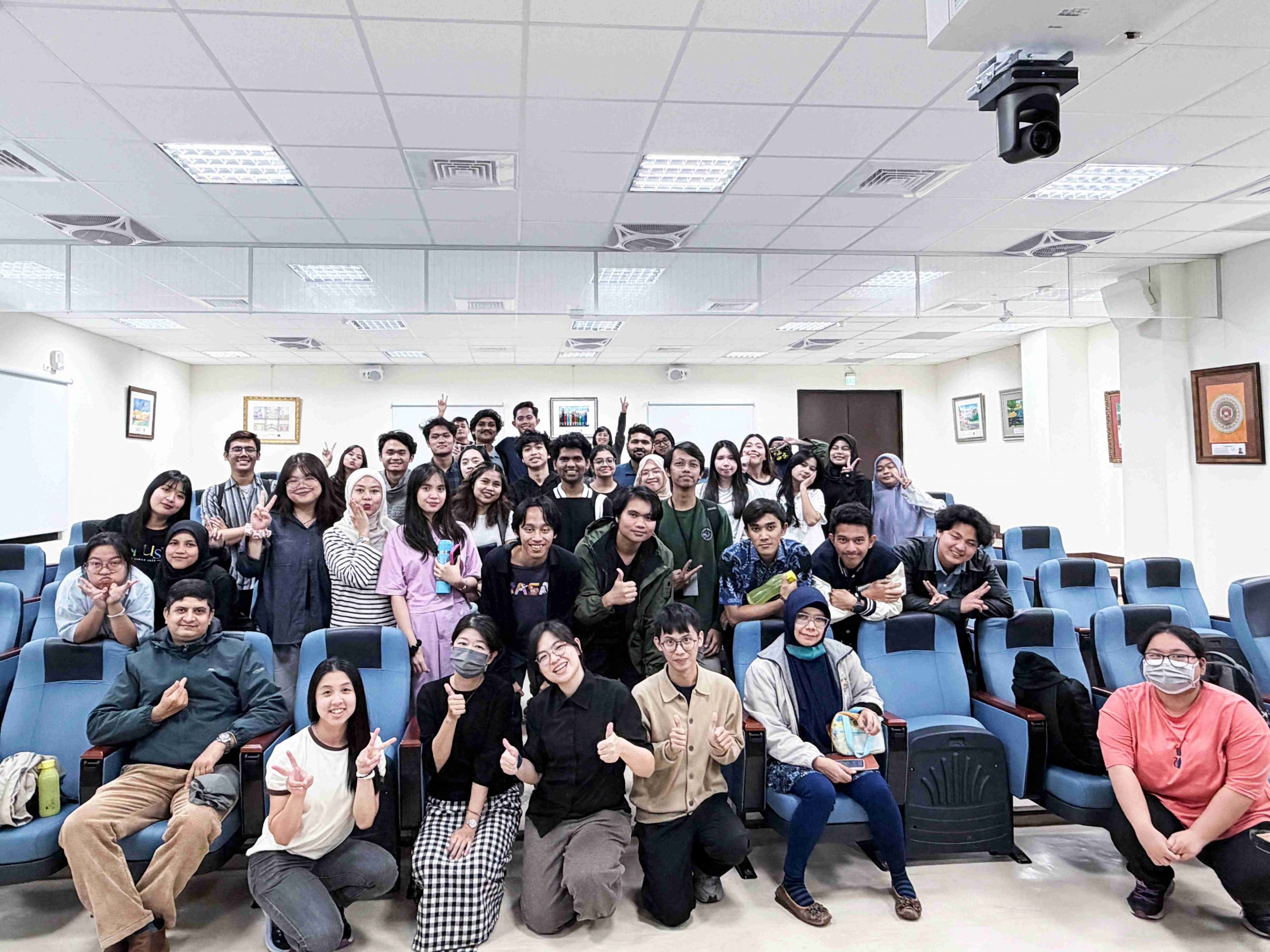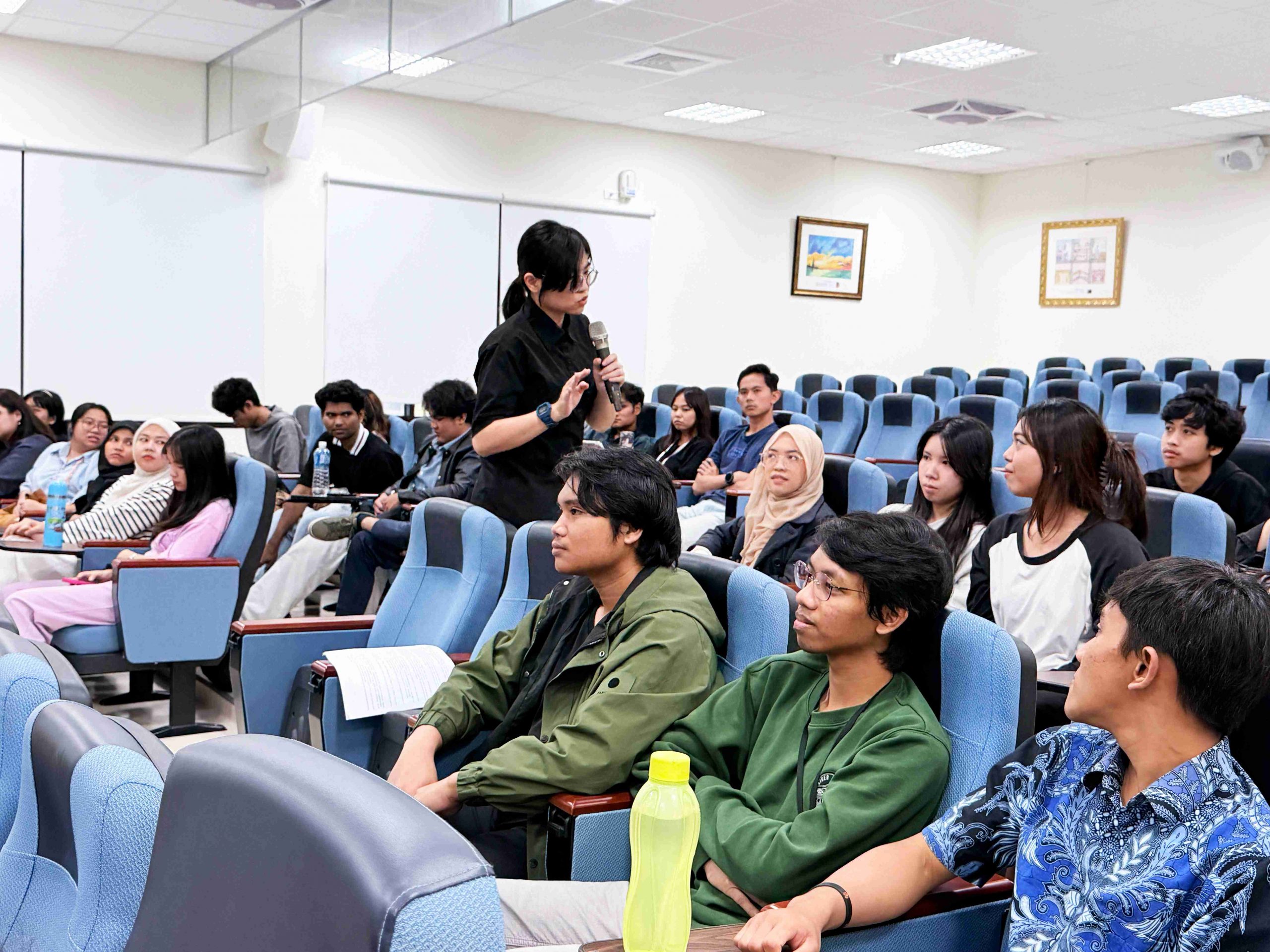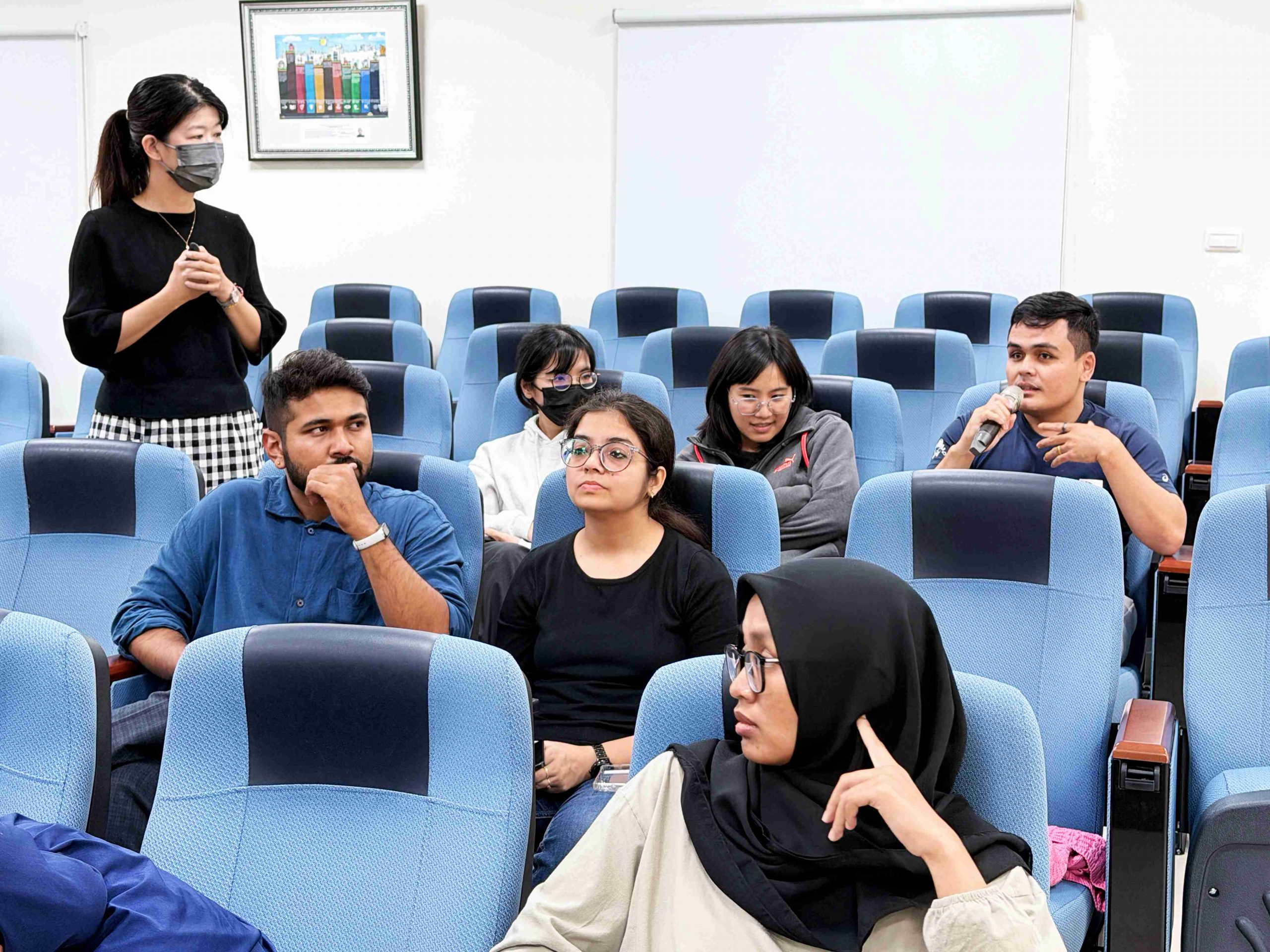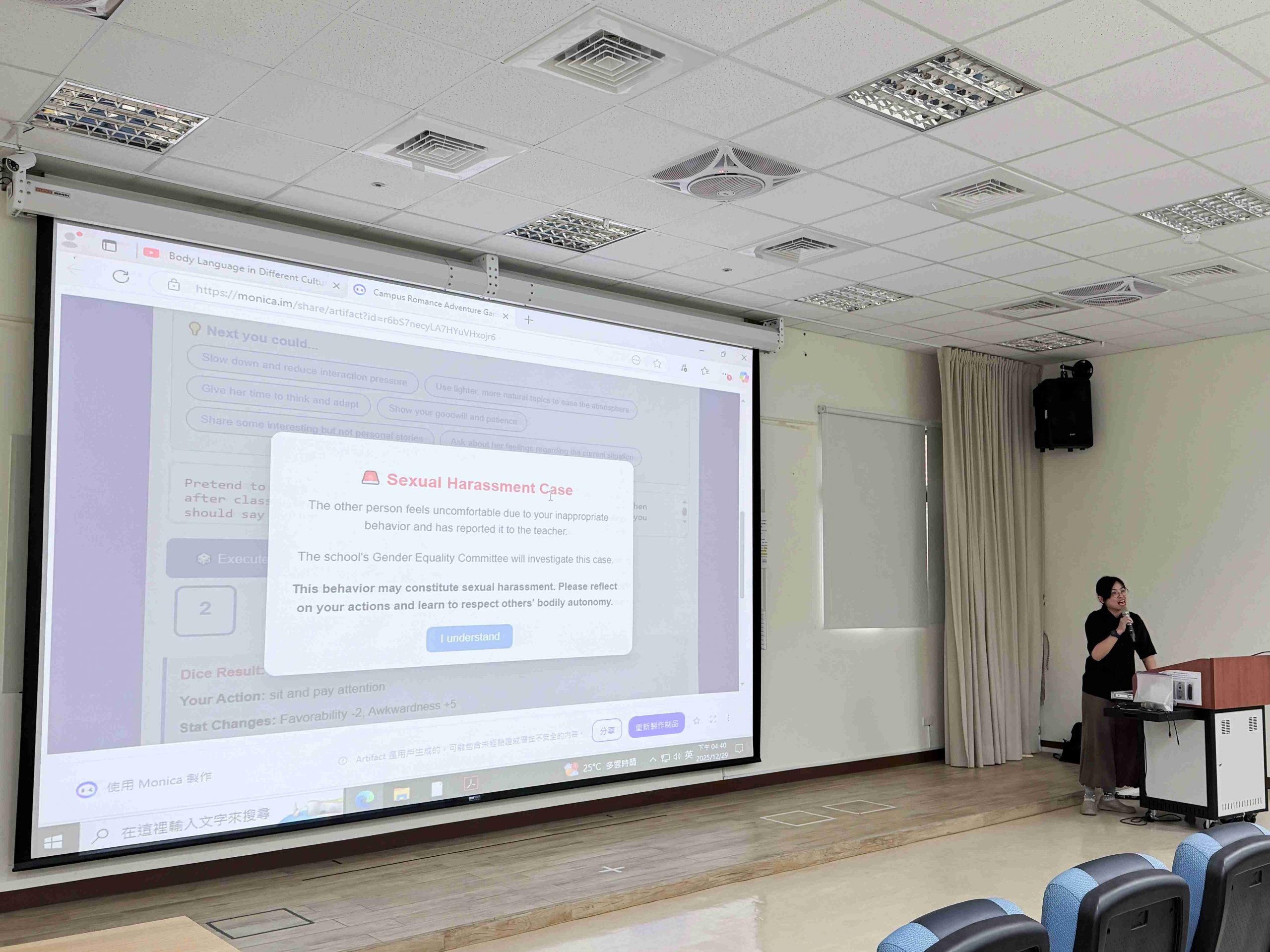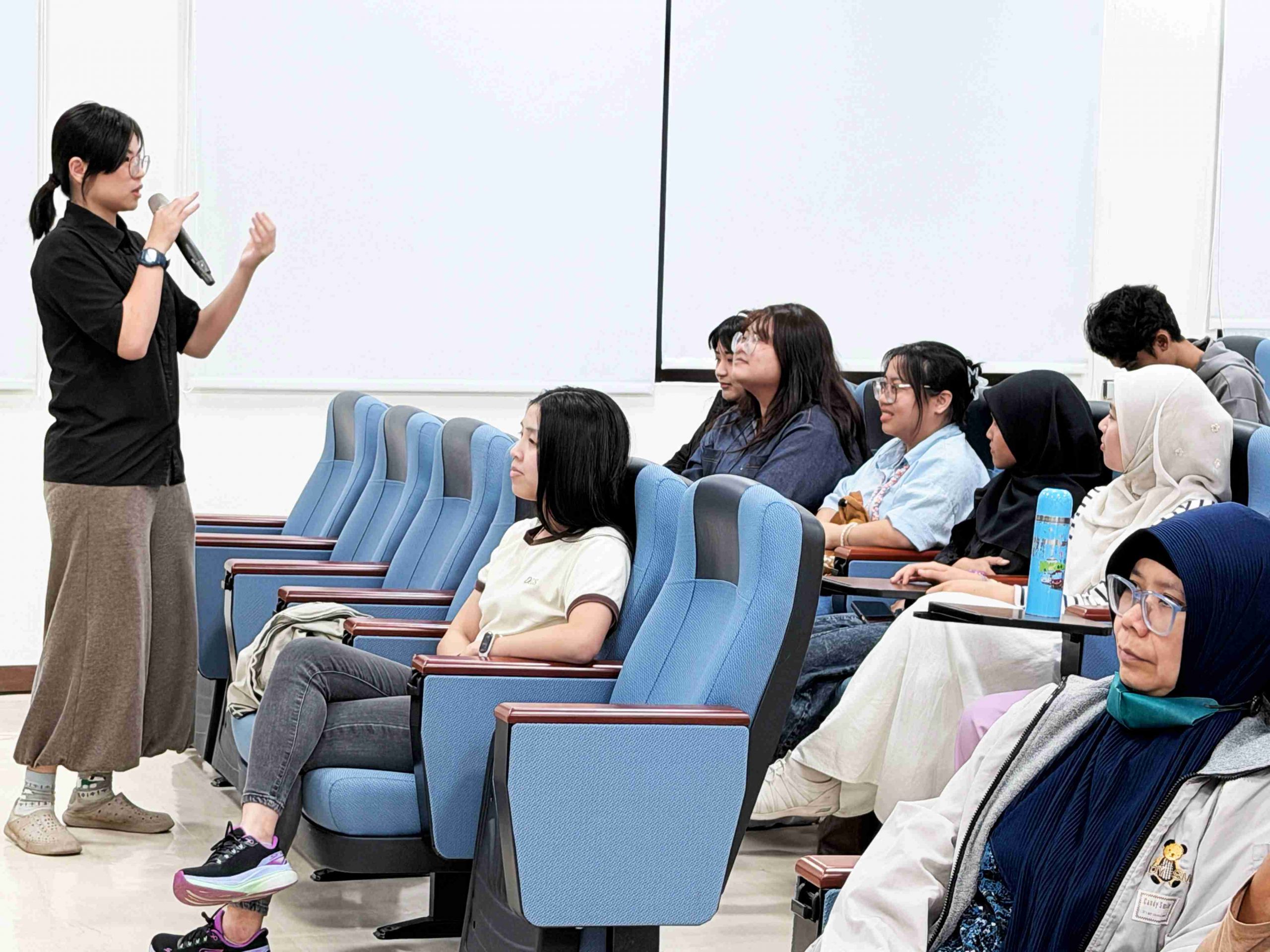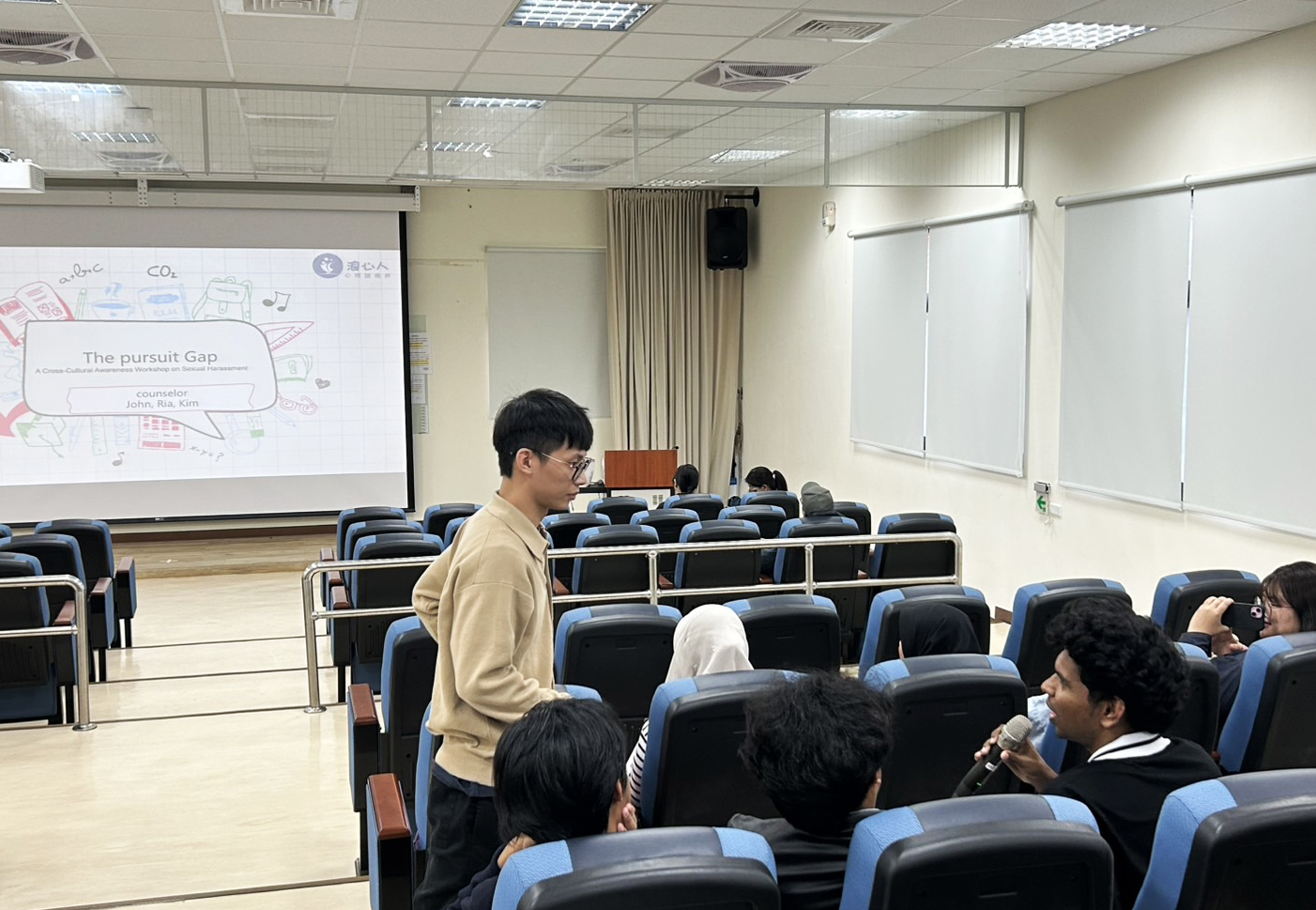
To strengthen overseas students’ understanding of gender education and the gaps arising from cultural differences, the Office of International Affairs (OIA) at National Pingtung University of Science and Technology (NPUST) held “The Pursuit Gap: Cross-Cultural Gender Equality Awareness Workshop” on December 29 in classroom IC113 of the International College. The event featured three guest lecturers from Outhearter Counseling Clinic, who focused on cross-cultural awareness, situational dialogues, appropriate patterns for heterosexual interaction, and boundaries in male-female relationships. The workshop saw enthusiastic participation from local Taiwanese students and international students from the Philippines, Vietnam, Indonesia, Myanmar, Pakistan, Nepal, India, Thailand, Brunei, Belize, Haiti, and Saint Lucia.
As cross-cultural exchange becomes increasingly frequent, the act of “pursuing” intimate relationships often leads to misunderstandings due to differing cultural backgrounds, gender expectations, and upbringings. Taking an interactive approach, the workshop explored daily experiences to help students reflect on boundaries and gender relations, and thereby enhance their awareness of gender equality and cross-cultural differences.
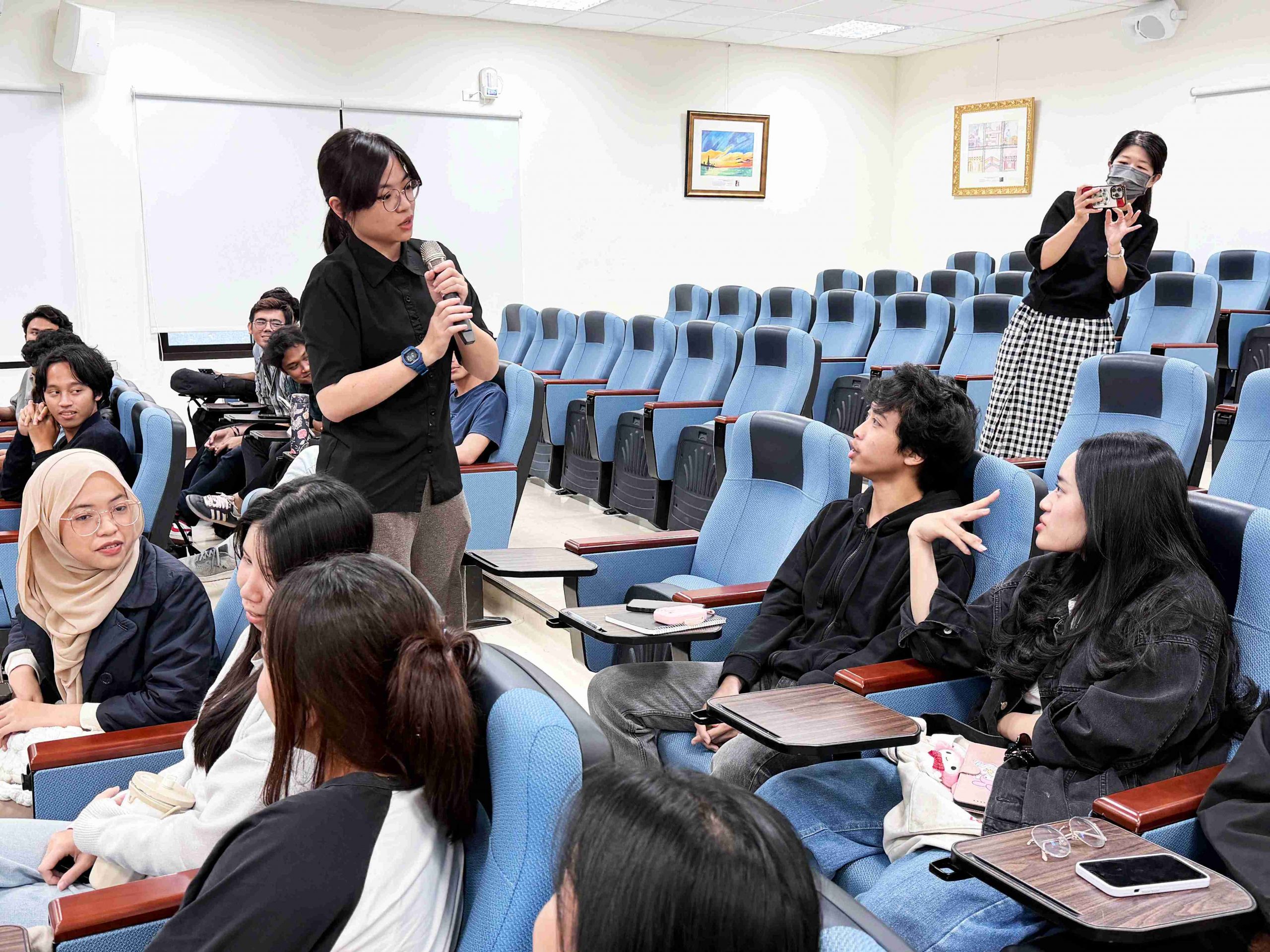
During the workshop, the lecturers used simple, relatable questions to invite students to participate in on-stage interactions. Students were asked to write down what they considered “appropriate” responses or behaviors in specific scenarios. These real-time answers were then analyzed in group discussions to evaluate their positive and negative impacts on gender equality, helping students clearly understand the gender power dynamics and cultural assumptions hidden behind personal choices.
Through this participatory process, students were able to hear diverse perspectives and practice empathizing with others’ feelings in a safe discussion space. This allowed them to re-examine their preconceived notions of “pursuit,” “politeness,” and “respect.” The lecturers emphasized that what is considered “appropriate” often has no single standard; rather, it requires constant adjustment through communication, consent, and respect for differences.
The lecturers further noted that the goal was not to provide “correct” answers but to foster students’ ability to identify structures of gender inequality and improve their sensitivity in building healthy relationships within cross-cultural contexts. Through active participation and reflection, gender equality becomes more than an abstract concept, connecting directly to daily life.
The Office of International Affairs hopes that the workshop helped to empower students who care about gender issues, cultural differences, and interpersonal relationships. By fostering deeper understanding and dialogue between international students, their peers, and mentors, the university aims to build collective strength for a more diverse and inclusive society.