A team from National Pingtung University of Science and Technology (NPUST) has launched a project designed to reshape cultural resilience and construct a sustainable economy for the Makatao Tribe’s healthy agricultural industry. This University Social Responsibility (USR) initiative bridges the gap between the classroom and the community, by integrating academic courses with real-world environments. Through various activities, the project has planted seeds of Makatao cultural resilience and historical memory in the Gulingpu area and created a “lifelong inheritance” model to ensure that cultural education takes root.
IMMERSIVE LEARNING
The initiative began with two general education courses—”USR Literacy and Practice” and “Interviewing Practice and Cultural Writing”—taught by Associate Professor Hsien-Chun Chen of the Department of Business Administration and Assistant Professor Dr. Chia-Chun Ku of the General Research Service Center.
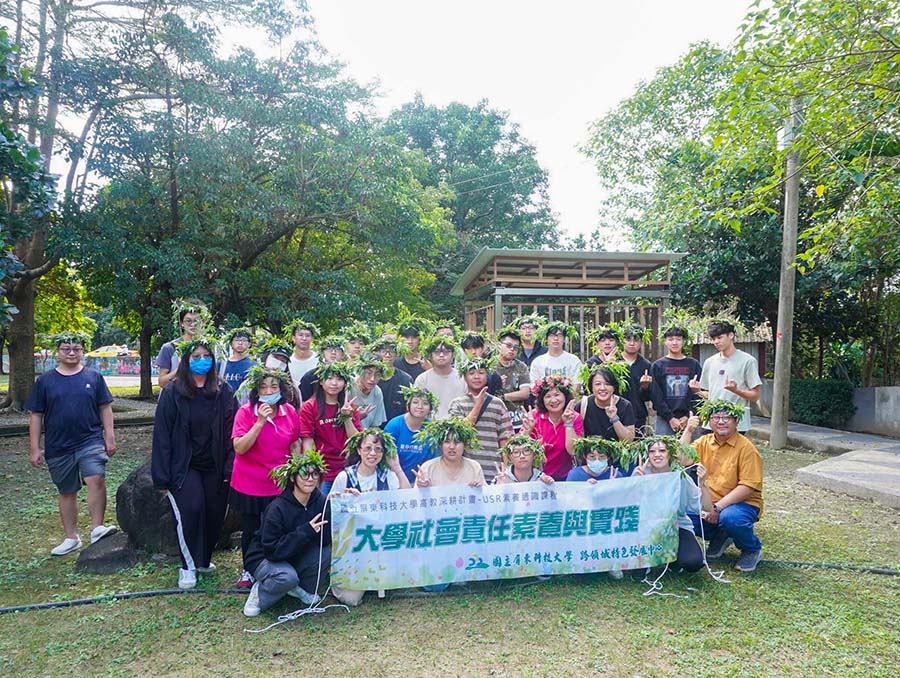
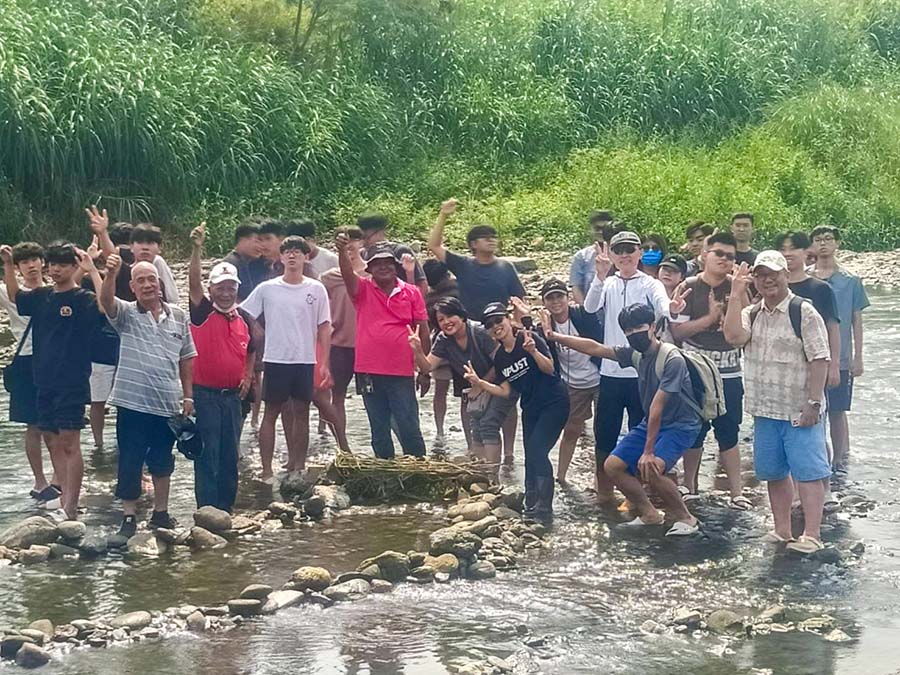
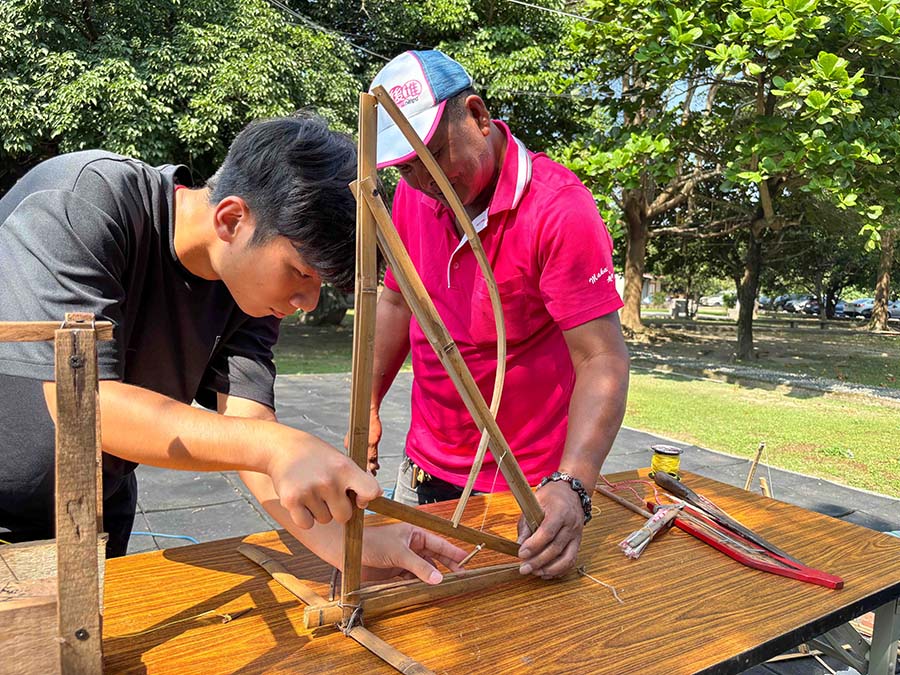
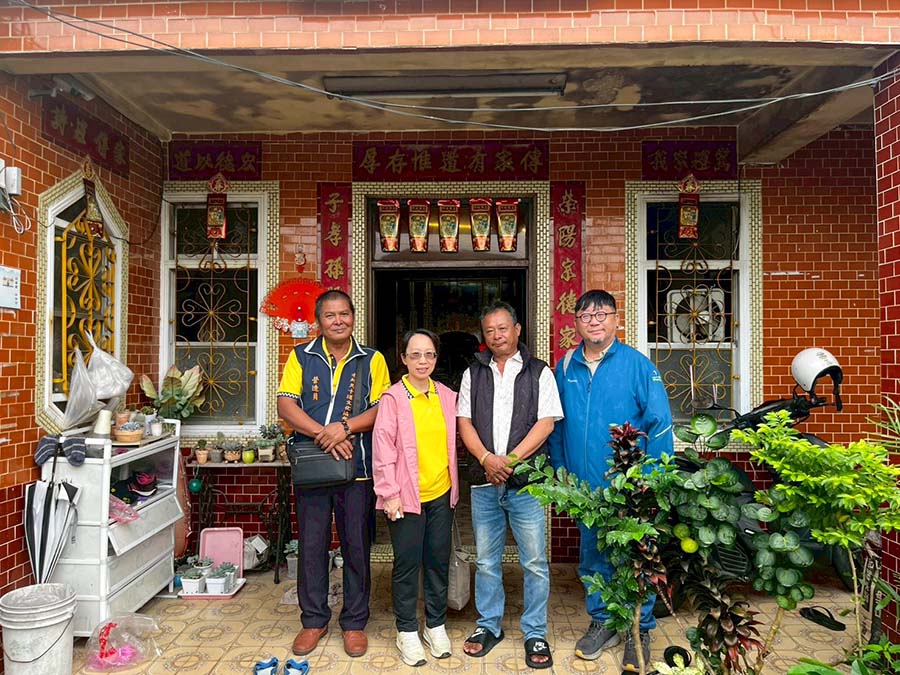
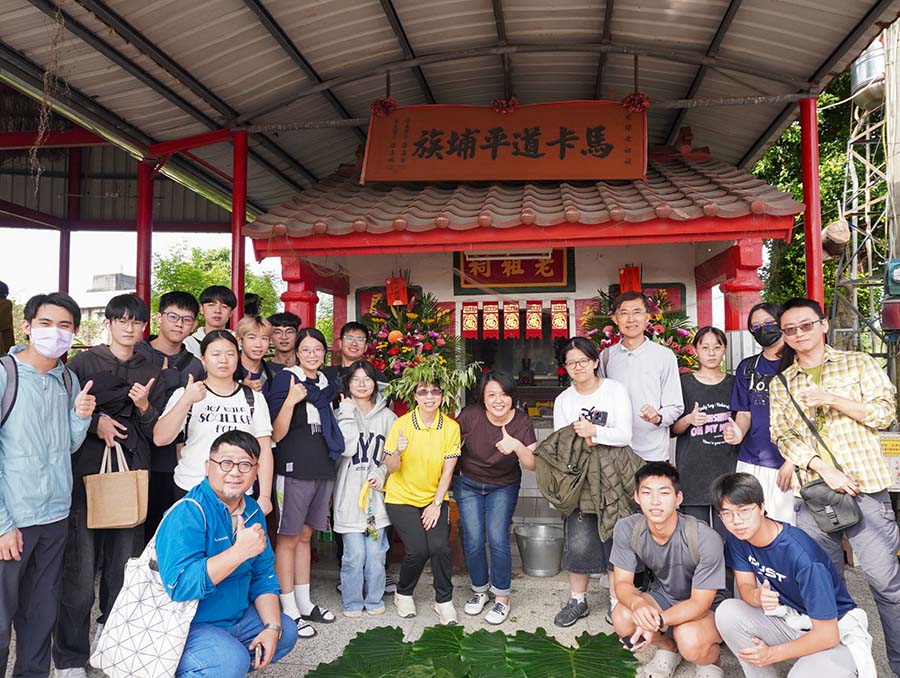
Moving the classroom to the Laopi community, students explored the historical context of “fishing and hunting culture” through field investigations. They gained hands-on experience with traditional hunting traps and observed the wisdom of past generations who lived off the mountains and streams. During the annual Makatao Night Ritual on the 15th day of the 10th lunar month (2025), faculty and students joined community elders in a series of traditional activities, including a competitive racing ritual, a water prayer and ritual dance, the Night Ritual and Peace Feast and a spirit sending rite.
One student shared that by “stepping out of the textbook and into the festival, I realized that Makatao culture is a living memory full of warmth and flavor. Weaving headbands and sharing the Peace Feast with elders made me feel like a part of this cultural inheritance.”
LIFELONG EDUCATION
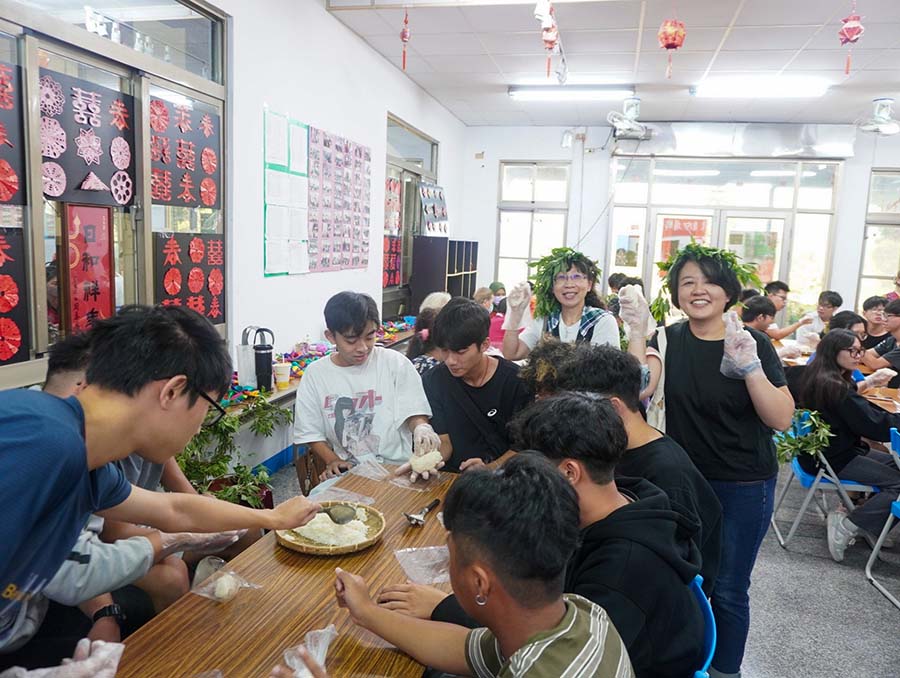
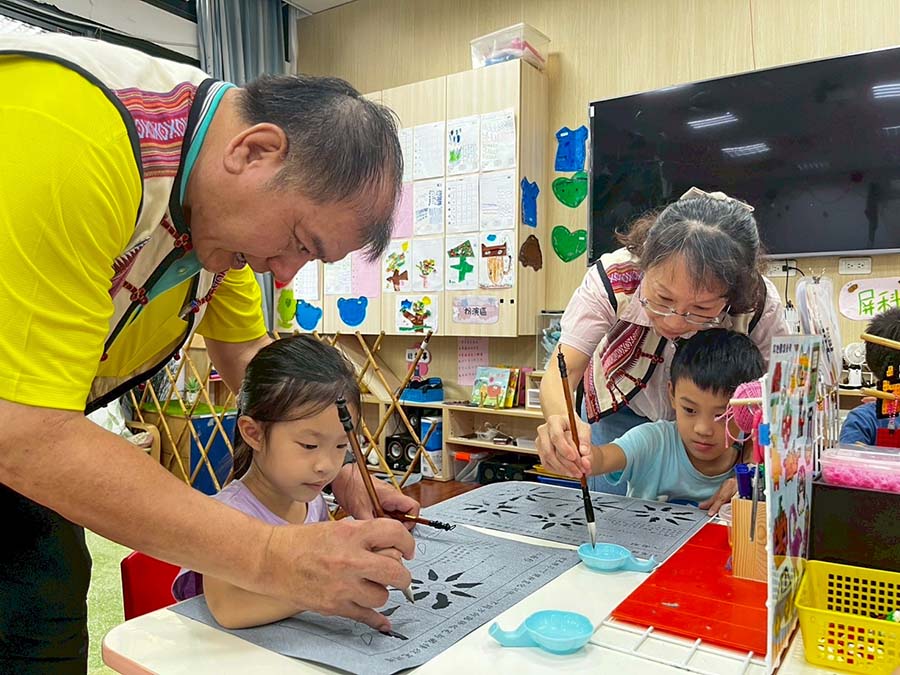
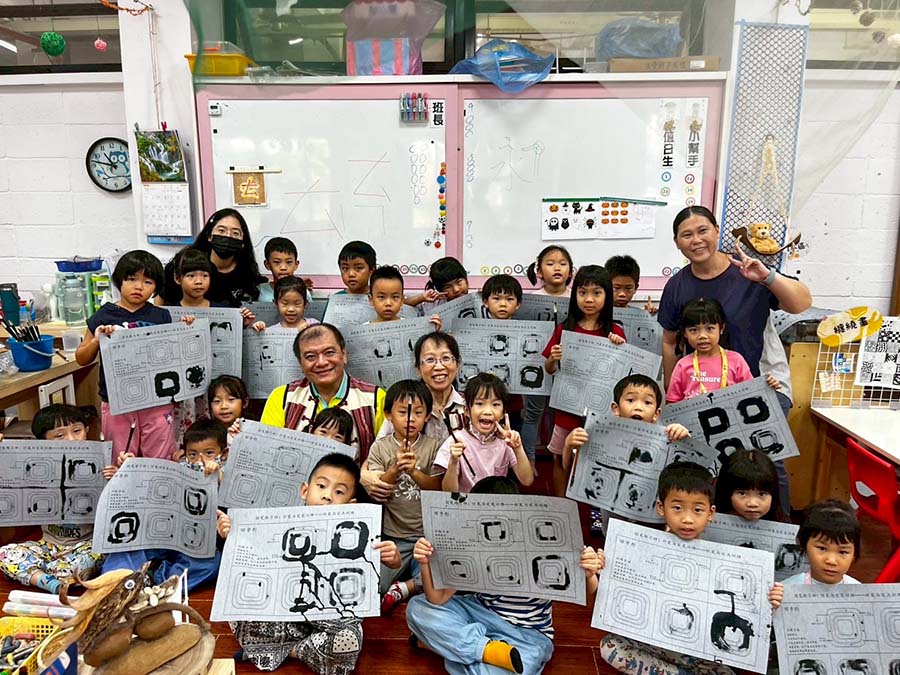
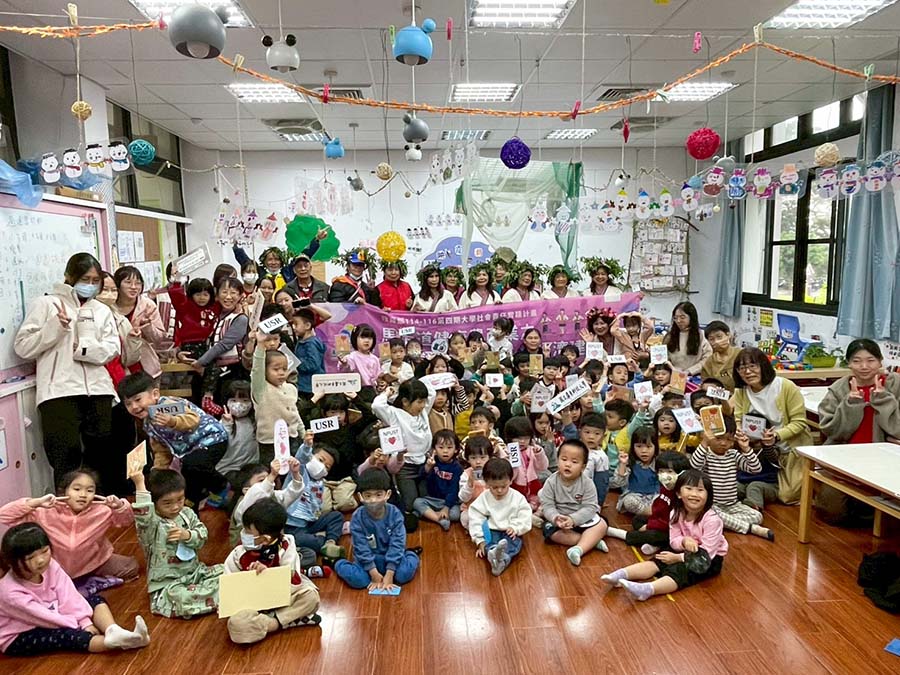
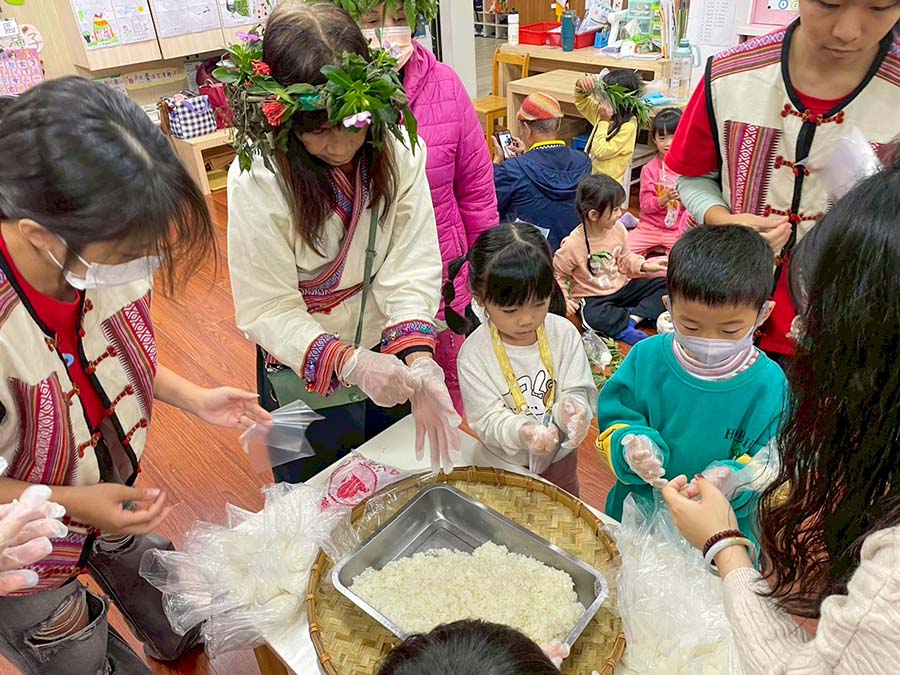
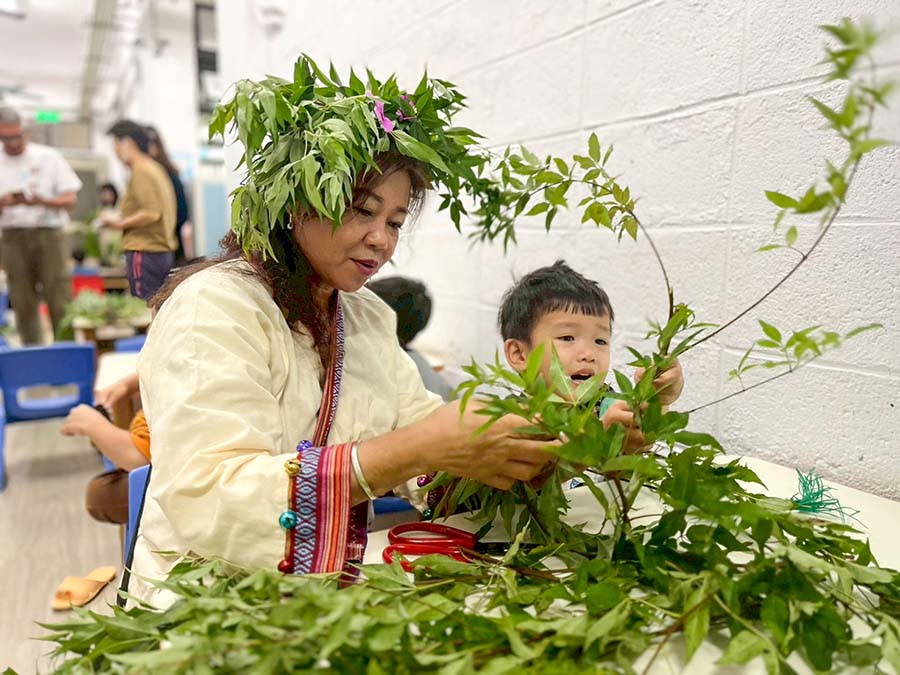
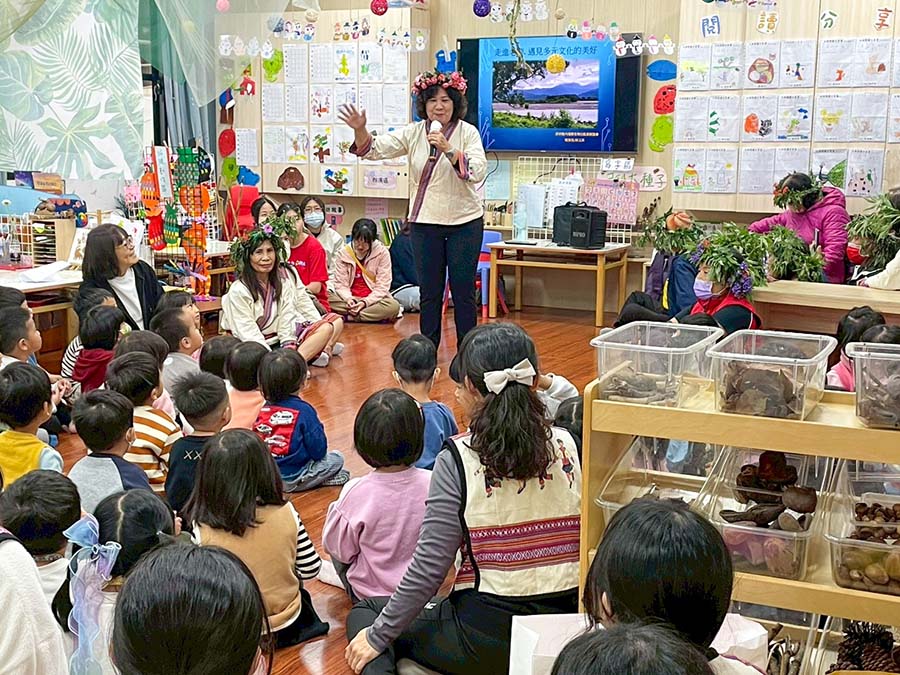
The project also brought learning activities to the NPUST Non-Profit Kindergarten. Yu-Mei Lin, Chairperson of the Laopi Community Development Association, and community builder Yan-Bao Pan shared with the children, and explained the significance of Makatao Vitex (Pujiang) headbands and glutinous rice balls. Through a five-sensory experience—feeling the aroma of leaves and the texture of rice—the children transformed abstract culture into physical memory. Also, making use of alumni resources, Kung-Ho Huang, Standing Supervisor of the NPUST Alumni Association, was asked to organized a calligraphy course for senior kindergarteners.
SUSTAINABLE CULTURE & ECONOMY
Dr. Wen-Ling Shih, Administrative Vice President of NPUST and the project lead, emphasized that the core value of USR lies in transforming academic energy into a warm catalyst for local development. “Through the vertical integration between kindergarten and university, we see that culture is no longer just a museum exhibit, but a living reality across generations,” she stated.
The project team will continue to focus on preserving and translating precious cultural records through digital archiving and linking local industrial characteristics to build a sustainable economic model with cultural identity. The intergenerational cultural project aims to turn tradition into local growth and open a new chapter of collaborative learning and prosperity between academia and the community.